(Lời than vãn của một nhà toán học)
| Could mathematics be one of the most creative and beautiful forms of human expression, rather than just a collection of formulas to memorise? | Liệu toán học có thể là một trong những hình thức biểu đạt sáng tạo và đẹp đẽ nhất của con người, thay vì chỉ là một mớ công thức để học thuộc? |
| In this article, the author argues that mathematics is fundamentally an art form, much like music or poetry, but that modern education has transformed it into a dull, mechanical subject centred on memorisation and rigid procedures. | Trong bài viết này, tác giả cho rằng toán học, về bản chất, là một loại hình nghệ thuật, giống như âm nhạc hay thi ca. Thế nhưng, nền giáo dục hiện đại đã biến nó thành một môn học khô khan, máy móc, chỉ xoay quanh việc ghi nhớ và làm theo những quy trình cứng nhắc. |
| Through a memorable analogy comparing mathematics education to teaching music without ever allowing students to hear or perform a song, he illustrates how schools suppress curiosity, creativity, and genuine mathematical thinking. | Thông qua một phép so sánh đầy ấn tượng giữa việc dạy toán và việc dạy nhạc mà học sinh không bao giờ được nghe hay tự chơi một bản nhạc nào, tác giả chỉ ra cách mà nhà trường đang dần bóp nghẹt sự tò mò, óc sáng tạo và tư duy toán học đúng nghĩa. |
| Drawing on his experience as both a university researcher and a K–12 mathematics teacher, the author presents a compelling critique of conventional mathematics education and invites readers to reconsider what it truly means to learn mathematics. | Dựa trên kinh nghiệm của mình với tư cách vừa là một nhà nghiên cứu đại học, vừa là giáo viên toán phổ thông, ông đưa ra một lời phê bình sắc bén đối với cách dạy toán truyền thống, đồng thời mời gọi người đọc nhìn lại: học toán thực sự có nghĩa là gì. |

| Original essay written in English | Bản dịch của bài luận sang tiếng Việt |
| A musician wakes from a terrible nightmare. In his dream he finds himself in a society where music education has been made mandatory. “We are helping our students become more competitive in an increasingly sound-filled world.” Educators, school systems, and the state are put in charge of this vital project. Studies are commissioned, committees are formed, and decisions are made—all without the advice or participation of a single working musician or composer. | Một nhạc công vừa choàng tỉnh dậy khỏi một cơn ác mộng kinh hoàng nhất. Trong giấc mơ, ông thấy mình mắc kẹt trong một thế giới nơi âm nhạc đã trở thành một phần bắt buộc của hệ thống giáo dục: “Chúng ta đang giúp các học sinh có thể cạnh tranh một cách tốt nhất, trong một thế giới nơi âm nhạc đang ngày càng chiếm một vị trí lớn hơn trong cuộc sống con người”, họ nói. Các nhà giáo dục, các hệ thống trường học, và cả các chính phủ đều tham gia vào dự án quan trọng này. Các nghiên cứu được triển khai, những cuộc hội thảo được tổ chức, và rất nhiều quyết định được ban bố – tất cả, hoàn toàn không có lấy sự tham vấn hay đóng góp của bất cứ một nhạc công hay một nhạc sĩ đang hoạt động nào. |
| Since musicians are known to set down their ideas in the form of sheet music, these curious black dots and lines must constitute the “language of music.” It is imperative that students become fluent in this language if they are to attain any degree of musical competence; indeed, it would be ludicrous to expect a child to sing a song or play an instrument without having a thorough grounding in music notation and theory. Playing and listening to music, let alone composing an original piece, are considered very advanced topics and are generally put off until college, and more often graduate school. | Ai cũng biết các nhạc sĩ ghi lại ý tưởng của mình dưới dạng những nốt và khuông trên những bản nhạc, và do vậy, các ký tự đen trắng ngộ nghĩnh này được coi là thứ “ngôn ngữ của âm thanh”. Bởi thế, thời nay, một trong những yêu cầu bắt buộc đối với các học sinh sinh viên khi muốn lấy bất cứ một bằng cấp gì trong ngành nhạc là phải “đọc thông viết thạo” được thứ ngôn ngữ trên. Thật vậy, sẽ là quá nực cười nếu bạn tin rằng một đứa trẻ có thể hát một bài hát, hay chơi một nhạc cụ mà không cần có một chút nền tảng kiến thức nào về ký âm hay biết sơ qua các học thuyết về nhạc lý. Không nói đến sáng tác, chỉ nghe và chơi nhạc thôi cũng đã là những hoạt động được coi là có độ khó rất cao rồi, và do vậy, chỉ được dạy trong các chương trình từ mức đại học trở lên, thường phải là cao học. |
| As for the primary and secondary schools, their mission is to train students to use this language—to jiggle symbols around according to a fixed set of rules: “Music class is where we take out our staff paper, our teacher puts some notes on the board, and we copy them or transpose them into a different key. We have to make sure to get the clefs and key signatures right, and our teacher is very picky about making sure we fill in our quarter-notes completely. One time we had a chromatic scale problem and I did it right, but the teacher gave me no credit because I had the stems pointing the wrong way.” | Đó là về đại học, còn về các cấp học thấp hơn như tiểu học, trung học; ở đó nhiệm vụ chính của nhà giáo dục chỉ là tập trung huấn luyện để học sinh có thể sử dụng thuần thục được thứ ngôn ngữ trên, có thể sắp xếp qua lại vị trí các ký tự dựa trên các quy luật đã được soạn sẵn: “Đến giờ học nhạc, bọn em sẽ lấy giấy ký âm ra; khi giáo viên viết các nốt trên bảng, bọn em sẽ chép lại hoặc chuyển chúng về một khóa nhạc khác trên giấy. Quan trọng nhất là biểu tượng khóa nhạc và hình dáng các nốt phải chính xác; và cô giáo luôn yêu cầu bọn em rất kỹ rằng phải viết kín cho bằng hết tờ in khuông nhạc mới được. Một lần chữa bài tập về gam nửa cung, em đã trả lời đúng nhưng không được cô cho điểm, chỉ vì em đánh cái móc cho các nốt nhạc quay nhầm bên.” |
| In their wisdom, educators soon realize that even very young children can be given this kind of musical instruction. In fact it is considered quite shameful if one’s third-grader hasn’t completely memorized his circle of fifths. “I’ll have to get my son a music tutor. He simply won’t apply himself to his music homework. He says it’s boring. He just sits there staring out the window, humming tunes to himself and making up silly songs.” | Dần dần, các nhà giáo dục học thông thái nhận ra rằng, ngay cả các học sinh rất nhỏ cũng có thể được giao những dạng bài tập như trên. Và trên thực tế, vào thời buổi này, sẽ rất đáng xấu hổ cho thầy cô và các bậc cha mẹ nếu con em, học trò của họ học đến lớp 3 rồi mà vẫn chưa nắm vững được lý thuyết về các khóa và tông trong luật ký âm. “Chắc tôi phải kiếm gia sư nhạc cho thằng con tôi quá. Nó chẳng bao giờ chịu làm bài tập cả, nói những bài tập đó “chán òm”. Suốt cả ngày, lúc nào cũng chỉ thấy nó ngồi nhìn ra ngoài cửa sổ, ngâm nga một giai điệu khỉ gió gì đấy một mình, có những lúc nó còn tự bịa ra một bài hát linh ta linh tinh nào đấy nữa.” |
| In the higher grades the pressure is really on. After all, the students must be prepared for the standardized tests and college admissions exams. Students must take courses in Scales and Modes, Meter, Harmony, and Counterpoint. “It’s a lot for them to learn, but later in college when they finally get to hear all this stuff, they’ll really appreciate all the work they did in high school.” Of course, not many students actually go on to concentrate in music, so only a few will ever get to hear the sounds that the black dots represent. Nevertheless, it is important that every member of society be able to recognize a modulation or a fugal passage, regardless of the fact that they will never hear one. “To tell you the truth, most students just aren’t very good at music. They are bored in class, their skills are terrible, and their homework is barely legible. Most of them couldn’t care less about how important music is in today’s world; they just want to take the minimum number of music courses and be done with it. I guess there are just music people and non-music people. I had this one kid, though, man was she sensational! Her sheets were impeccable—every note in the right place, perfect calligraphy, sharps, flats, just beautiful. She’s going to make one hell of a musician someday.” | Càng học lên cao, áp lực sẽ càng lớn; suy cho cùng, các học sinh cũng cần phải được chuẩn bị để đối mặt với các kỳ thi tiêu chuẩn sắp tới, trong đó có cả bài thi đầu vào đại học, cao đẳng. Các môn học bắt buộc trong giáo trình giảng dạy thường bao gồm: Thang âm và Gam; Điệu thứ; Nhịp Phách; Kỹ thuật hòa âm, Lý thuyết đối âm học… “Đúng là các em phải học một số lượng môn học khá lớn, tuy vậy đó là một sự chuẩn bị cần thiết; tôi tin là khi học lên các giáo trình cao hơn trong bậc đại học, yêu cầu phải trực tiếp nghe và chơi nhạc, các em sẽ thấy biết ơn tất cả những gì mình đã được học trong chương trình phổ thông…” Tất nhiên, không mấy học sinh tiếp tục đi theo con đường âm nhạc; nên sẽ chỉ có một số rất ít các em được thực sự nghe những âm thanh mà những nốt đen đen ngộ nghĩnh các em vẫn được học ký hiệu cho. Tuy vậy, điều tối quan trọng vẫn là mỗi thành viên trong xã hội đều phải có khả năng đọc được một quãng chuyển tông hay nhận ra một nhịp thứ trong các bản ký âm, bất kể là họ có bao giờ được thực sự nghe một bản nhạc hay không. “Nói thật với anh, phần lớn học sinh ngày nay không giỏi nhạc một chút nào hết. Chúng uể oải trong giờ học, kỹ thuật của chúng kém cỏi, và bài tập chép của chúng thì tệ đến mức gần như không đọc được nữa. Chẳng mấy đứa ý thức được tầm quan trọng của âm nhạc vào thời buổi hiện nay, tất cả chúng chỉ muốn làm quấy quá cho xong nhiệm vụ, miễn cứ kiếm đủ điểm tối thiểu để được lên lớp là xong. Tôi nghĩ đứa nào giỏi thì đã giỏi từ bé, còn những đứa đã bẩm sinh không có thiên khiếu thì có học thế chứ học nữa cũng vậy thôi. Mà, tôi biết có một cô bé giỏi lắm nhé, trời ơi, bài ký âm của nó, bài nào cũng phải nói là chuẩn cực luôn – mọi nốt đều ở đúng vị trí, mọi nét ký đều chính xác, sắc nét, rõ ràng, tất cả đều đẹp đến hoàn hảo! Chắc chắn rồi đây con bé sẽ trở thành một nhạc công vĩ đại cho mà xem!” |
| Waking up in a cold sweat, the musician realizes, gratefully, that it was all just a crazy dream. “Of course!” he reassures himself, “No society would ever reduce such a beautiful and meaningful art form to something so mindless and trivial; no culture could be so cruel to its children as to deprive them of such a natural, satisfying means of human expression. How absurd!” | Choàng tỉnh dậy trong mồ hôi lạnh vì sợ hãi, người nhạc công nhận ra rằng, may mắn thay, tất cả đó chỉ là một giấc mơ – một cơn ác mộng điên rồ! “Tất nhiên rồi!”, ông tự trấn an bản thân, “làm gì có xã hội nào độc ác đến mức bóp chết một trong những hình thái nghệ thuật đẹp và ý nghĩa nhất của con người thành một thứ ngớ ngẩn và vô nghĩa lý đến thế! Không một nền văn hóa nào lại có thể tàn nhẫn đến độ tước đoạt đi của trẻ em một phương cách tự nhiên nhất, tuyệt vời nhất để thăng hoa, để thỏa mãn và thể hiện cảm xúc của bản thân như vậy! Thật lố bịch, quá sức lố bịch!” |
| Meanwhile, on the other side of town, a painter has just awakened from a similar nightmare… | Cùng lúc ấy, cách đó vài con phố, người họa sĩ của thị trấn cũng vừa choàng tỉnh khỏi một giấc mộng kinh hoàng tương tự… |
| I was surprised to find myself in a regular school classroom—no easels, no tubes of paint. “Oh we don’t actually apply paint until high school,” I was told by the students. “In seventh grade we mostly study colors and applicators.” They showed me a worksheet. On one side were swatches of color with blank spaces next to them. They were told to write in the names. “I like painting,” one of them remarked, “they tell me what to do and I do it. It’s easy!” | Tôi kinh ngạc nhận ra mình đang ở trong một căn phòng học hoàn toàn bình thường – không giá vẽ, không ống mực, không có một thứ gì dùng để vẽ. “Ồ, ở đây chúng tôi không thực sự vẽ, cái đó phải đợi đến khi các em học đến cấp III kia” – một giáo viên trả lời thắc mắc của tôi. “Ở lớp bảy, chủ yếu các em học về màu vẽ và bảng pha màu”. Rồi họ đưa tôi xem một tờ phiếu bài tập của học sinh. Trên mặt giấy là những ô màu, bên dưới là những dòng trống, và các học sinh được yêu cầu điền vào đó tên của màu sắc trong những ô tương ứng bên trên. “Em thích môn Mỹ thuật lắm”, một học sinh hào hứng, “chỉ cần làm theo hướng dẫn là xong. Dễ nhất luôn!”. |
| After class I spoke with the teacher. “So your students don’t actually do any painting?” I asked. “Well, next year they take Pre-Paint-by-Numbers. That prepares them for the main Paint-by-Numbers sequence in high school. So they’ll get to use what they’ve learned here and apply it to real-life painting situations—dipping the brush into paint, wiping it off, stuff like that. Of course we track our students by ability. The really excellent painters—the ones who know their colors and brushes backwards and forwards—they get to the actual painting a little sooner, and some of them even take the Advanced Placement classes for college credit. But mostly we’re just trying to give these kids a good foundation in what painting is all about, so when they get out there in the real world and paint their kitchen they don’t make a total mess of it.” | Sau giờ học, tôi tìm đến nói chuyện với giảng viên. “Vậy các học sinh của anh không được thực sự vẽ gì hay sao?”, tôi hỏi. “Có chứ, sang năm các em sẽ được học lớp Dự bị bộ môn Vẽ-theo-số. Nó sẽ chuẩn bị cho các em kiến thức nền tảng để theo học các phân môn Vẽ-theo-số cao hơn trong bậc phổ thông. Sau đó, khi vào đời, các em sẽ có khả năng áp dụng những kiến thức được học bây giờ vào thực tế – nhúng cọ vào sơn, quét màu, lau khô, mấy thứ đại loại thế. Tất nhiên chúng tôi cũng theo dõi rất sát sao năng lực của học sinh. Những họa sĩ giỏi nhất – những em nắm vững nhất kiến thức về cọ vẽ, màu vẽ, giá vẽ – sẽ được thực sự vẽ sớm hơn, tất nhiên; nhiều em thậm chí đã có thể tự tin đăng ký lớp Dự Bị Đại Học để tích lũy tín chỉ cho đại học ngay từ bây giờ. Nhưng chủ yếu chúng tôi chỉ cố giúp các em có một hiểu biết căn bản nhất về hội họa, để sau này khi ra ngoài đời, nhỡ có lúc phải sơn lại căn bếp hay quét vôi lại mảng tường trước nhà, các em cũng không đến mức phải bỡ ngỡ.” |
| “Um, these high school classes you mentioned…” | “Ừm, các lớp học ở phổ thông mà anh nhắc đến lúc nãy, nó là…” |
| “You mean Paint-by-Numbers? We’re seeing much higher enrollments lately. I think it’s mostly coming from parents wanting to make sure their kid gets into a good college. Nothing looks better than Advanced Paint-by-Numbers on a high school transcript.” | “Ý anh là các lớp Vẽ-theo-số? Gần đây số lượng học sinh đăng ký học những môn đó đang tăng đột biến đấy nhé. Tôi nghĩ chúng chủ yếu đến từ các bậc cha mẹ muốn đảm bảo cho con mình sẽ vào được một trường đại học tốt. Không có gì đảm bảo cho các thí sinh tương lai tốt hơn một chứng chỉ loại giỏi môn Vẽ-theo-số trong học bạ đâu!” |
| “Why do colleges care if you can fill in numbered regions with the corresponding color?” | “Sao các trường đại học lại đi quan tâm đến việc thí sinh của mình có biết tô màu vào đúng ô hay không? |
| “Oh, well, you know, it shows clear-headed logical thinking. And of course if a student is planning to major in one of the visual sciences, like fashion or interior decorating, then it’s really a good idea to get your painting requirements out of the way in high school.” | “Ừ thì, anh biết đấy, nó cho thấy là thí sinh có một tư duy logic… vả lại nếu các em muốn được học những chuyên ngành về mỹ thuật như thiết kế thời trang hay trang trí nội thất; chẳng phải sẽ tốt hơn nếu ngay từ bậc phổ thông các em đã có thể đáp ứng đủ những yêu cầu cơ bản về hội họa hay sao?” |
| “I see. And when do students get to paint freely, on a blank canvas?” | “Tôi hiểu rồi. Thế bao giờ thì các học sinh được vẽ tự do, trên một tấm toan trắng?” |
| “You sound like one of my professors! They were always going on about expressing yourself and your feelings and things like that—really way-out-there abstract stuff. I’ve got a degree in Painting myself, but I’ve never really worked much with blank canvasses. I just use the Paint-by-Numbers kits supplied by the school board.” | “Anh nói cứ y như một ông giáo sư đã từng dạy tôi hồi xưa ấy! Lúc nào cũng rao giảng về việc hội họa là phải thể hiện bản thân, rồi thể hiện cảm xúc rồi các thứ này nọ… toàn những thứ huyễn hoặc, trừu tượng đâu đâu ấy! Tôi á, tôi cũng có một bằng đại học về hội họa đấy, nhưng chẳng mấy khi tôi làm việc với một tấm toan trắng tinh không có gì cả. Tôi chỉ hay dùng những bộ dụng cụ Vẽ-theo-số được nhà trường cấp là chủ yếu thôi.” |
| * * * | * * * |
| Sadly, our present system of mathematics education is precisely this kind of nightmare. In fact, if I had to design a mechanism for the express purpose of destroying a child’s natural curiosity and love of pattern-making, I couldn’t possibly do as good a job as is currently being done—I simply wouldn’t have the imagination to come up with the kind of senseless, soul crushing ideas that constitute contemporary mathematics education. | Đáng buồn thay, hệ thống giáo dục toán của chúng ta hiện nay đang giống chính xác như những cơn ác mộng kinh khủng trên. Trên thực tế, nếu bạn bảo tôi phải thiết kế ra một hệ thống hoàn hảo với mục đích tối thượng là hủy hoại hoàn toàn trí tò mò và tình yêu với việc tự phát hiện ra những quy luật của riêng mình ở trẻ em, tôi chắc chắn sẽ không thể làm tốt hơn những gì đang được làm hiện nay – Tôi chỉ đơn giản là không có đủ trí tưởng tượng để có thể nghĩ ra hàng đống những ý tưởng quá sức tàn nhẫn và vô nghĩa lý, như những cái đang tạo nên nền giáo dục toán học ngày nay! |
| Everyone knows that something is wrong. The politicians say, “we need higher standards.” The schools say, “we need more money and equipment.” Educators say one thing, and teachers say another. They are all wrong. The only people who understand what is going on are the ones most often blamed and least often heard: the students. They say, “math class is stupid and boring,” and they are right. | Ai cũng biết là có gì đó không ổn ở đây. Các quan chức chính phủ nói “Chúng ta cần những tiêu chuẩn khắt khe hơn!”. Các nhà trường thì nói “Chúng ta cần thêm tiền và trang thiết bị hiện đại hơn!”. Các nhà giáo dục nói một kiểu, và các thầy cô lại nói một kiểu khác nữa. Và tất cả đều sai. Những người duy nhất thực sự hiểu chuyện gì đang xảy ra lại là những người luôn bị đổ lỗi nhiều nhất, và ít được lắng nghe nhất: các học sinh. Các em nói: “Giờ Toán nào cũng chán òm!”. Và các em đã nói hoàn toàn chính xác! |
| MATHEMATICS AND CULTURE | TOÁN HỌC VÀ VĂN HÓA |
| The first thing to understand is that mathematics is an art. The difference between math and the other arts, such as music and painting, is that our culture does not recognize it as such. | Đầu tiên chúng ta cần phải hiểu rằng, Toán học cũng là một môn nghệ thuật. Sự khác biệt giữa toán và các loại nghệ thuật khác, như âm nhạc hay hội họa, đấy là nền văn hóa của chúng ta không nhìn nhận nó như thế. |
| Everyone understands that poets, painters, and musicians create works of art, and are expressing themselves in word, image, and sound. In fact, our society is rather generous when it comes to creative expression; architects, chefs, and even television directors are considered to be working artists. So why not mathematicians? | Ai cũng biết rằng các nhà thơ, họa sĩ, nhạc sĩ sáng tạo nên những tác phẩm nghệ thuật, và tự thể hiện mình qua chất liệu của ngôn ngữ, màu sắc hoặc âm thanh. Trên thực tế, xã hội còn khá là nhân nhượng với từ “sáng tạo”: đến cả những kiến trúc sư, đầu bếp, thậm chí cả đạo diễn phim truyền hình cũng có thể được coi là những “nghệ sĩ”. Vậy tại sao các nhà toán học lại không thể được thừa nhận như vậy? |
| Part of the problem is that nobody has the faintest idea what it is that mathematicians do. The common perception seems to be that mathematicians are somehow connected with science—perhaps they help the scientists with their formulas, or feed big numbers into computers for some reason or other. There is no question that if the world had to be divided into the “poetic dreamers” and the “rational thinkers” most people would place mathematicians in the latter category. | Một phần của vấn đề là ở chỗ, hầu như không ai hiểu một cách thực sự các nhà toán học làm gì. Quan niệm thường thấy nhất của số đông có vẻ là các nhà toán học, theo một cách nào đấy, làm những việc liên quan đến khoa học – có thể họ giúp các nhà khoa học nghĩ ra những công thức và thuật toán; hay nhập những con số rất lớn vào máy tính vì một lý do gì đấy. Không cần hỏi cũng biết, nếu có một ngày thế giới phải chia thành hai nhóm: nhóm “những người mơ mộng lãng mạn” và nhóm “những người tư duy lý trí”; chắc chắn hầu hết mọi người sẽ xếp các nhà toán học vào dạng thứ hai: nhóm “những người tư duy lý trí”. |
| Nevertheless, the fact is that there is nothing as dreamy and poetic, nothing as radical, subversive, and psychedelic, as mathematics. It is every bit as mind blowing as cosmology or physics (mathematicians conceived of black holes long before astronomers actually found any), and allows more freedom of expression than poetry, art, or music (which depend heavily on properties of the physical universe). Mathematics is the purest of the arts, as well as the most misunderstood. | Tuy vậy, thực tế không có thứ gì thơ mộng, lãng mạn; không thứ gì cấp tiến, cách mạng; cũng không thứ gì có thể khiến người ta mê đắm, ảo mị như toán học. Nó ẩn chứa nhiều những kinh ngạc và bất ngờ không hề thua kém vũ trụ học hay vật lý (các nhà toán học đã mường tượng ra khái niệm hố đen từ rất lâu trước khi các nhà thiên văn thực sự tìm thấy một hố đen); và cho người ta nhiều tự do để thể hiện mình hơn thơ, họa, nhạc rất nhiều (những hình thái nghệ thuật này luôn bị phụ thuộc vào các nguyên liệu vật chất, hoặc có tính hạn định như ngôn ngữ, màu sắc, âm thanh). Toán học là hình thức nghệ thuật thuần khiết nhất, cũng là hình thức nghệ thuật bị hiểu sai nhiều nhất. |
| So let me try to explain what mathematics is, and what mathematicians do. I can hardly do better than to begin with G.H. Hardy’s excellent description: | Bởi vậy xin hãy để tôi được giải thích toán học là gì, và các nhà toán học thực sự làm gì. Tôi nghĩ mình không thể làm tốt hơn lời miêu tả thực xác đáng sau đây của nhà toán học người Anh G.H. Hardy: |
| “A mathematician, like a painter or poet, is a maker of patterns. If his patterns are more permanent than theirs, it is because they are made with ideas.” | “Một nhà toán học, cũng như một họa sĩ hay nhà thơ, là một người tìm ra các quy luật. Nếu những quy luật của anh ta có bền vững hơn của một họa sĩ hay một nhà thơ, thì đó là vì chúng là quy luật của những ý tưởng.” |
| So mathematicians sit around making patterns of ideas. What sort of patterns? What sort of ideas? Ideas about the rhinoceros? No, those we leave to the biologists. Ideas about language and culture? No, not usually. These things are all far too complicated for most mathematicians’ taste. If there is anything like a unifying aesthetic principle in mathematics, it is this: simple is beautiful. Mathematicians enjoy thinking about the simplest possible things, and the simplest possible things are imaginary. | Vậy các nhà toán học ngồi một chỗ, tìm ra quy luật của những ý tưởng. Nhưng loại quy luật như thế nào? Loại ý tưởng như thế nào? Ý tưởng về loài tê giác chăng? Không, cái đó dành cho các nhà sinh vật học. Hay ý tưởng về ngôn ngữ và các nền văn hóa? Không, hầu hết không phải là vậy. Tất cả những thứ đó đều quá phức tạp so với sở thích của một người làm toán. Nếu có một thứ có thể coi là tư tưởng thẩm mỹ chung nhất cho toán học, thì đấy là: sự đơn giản chính là vẻ đẹp. Các nhà toán học ưa thích nghĩ đến những thứ đơn giản hết mức có thể, và thứ đơn giản nhất, chính là những nằm trong trí tưởng tượng của chúng ta. |
| For example, if I’m in the mood to think about shapes—and I often am—I might imagine a triangle inside a rectangular box: | Ví dụ, nếu tôi có hứng nghĩ về các hình khối – và thường thì tôi rất hay có hứng nghĩ về chúng – tôi sẽ hình dung về một tam giác bên trong một cái hộp chữ nhật như thế này: |

| I wonder how much of the box the triangle takes up? Two-thirds maybe? The important thing to understand is that I’m not talking about this drawing of a triangle in a box. Nor am I talking about some metal triangle forming part of a girder system for a bridge. There’s no ulterior practical purpose here. I’m just playing. That’s what math is—wondering, playing, amusing yourself with your imagination. For one thing, the question of how much of the box the triangle takes up doesn’t even make any sense for real, physical objects. Even the most carefully made physical triangle is still a hopelessly complicated collection of jiggling atoms; it changes its size from one minute to the next. That is, unless you want to talk about some sort of approximate measurements. Well, that’s where the aesthetic comes in. That’s just not simple, and consequently it is an ugly question which depends on all sorts of real-world details. Let’s leave that to the scientists. The mathematical question is about an imaginary triangle inside an imaginary box. The edges are perfect because I want them to be—that is the sort of object I prefer to think about. This is a major theme in mathematics: things are what you want them to be. You have endless choices; there is no reality to get in your way. | Tôi sẽ tự hỏi: cái tam giác kia chiếm bao nhiêu phần của cái hộp chữ nhật? Hai phần ba, có lẽ? Điều quan trọng cần nhớ ở đây là không phải tôi đang nói về cái hình vẽ trên giấy về một tam giác bên trong một hình chữ nhật. Cũng không phải tôi đang thắc mắc về một kết cấu kim loại hình tam giác trong một chi tiết dầm đỡ của một cây cầu nào đó. Hoàn toàn không có một mục đích thiết thực nào ẩn giấu trong câu hỏi này cả. Tôi chỉ đang chơi đùa vậy thôi. Đấy mới là toán – tự thắc mắc, tự chơi đùa với trí tưởng tượng của chính mình. Ngay từ đầu, cái câu hỏi “hình tam giác chiếm bao nhiêu phần của hình chữ nhật” kia đã chẳng thể áp dụng nổi với bất cứ vật thể có thực nào. Kể cả những tam giác được tạo tác một cách tinh xảo, chính xác nhất; cũng vẫn là một mớ hỗn độn quá phức tạp của hàng đống những nguyên tử và phân tử, nhảy từ bên này qua bên kia, dao động qua lại liên tục trong từng tích tắc. Đấy là, trừ khi bạn chỉ đang nói đến một hệ đo lường theo kiểu xấp xỉ. Lúc đấy thì lại là vấn đề của mỹ thuật mất rồi. Nó không hề đơn giản, và do đó, nó là một câu hỏi rất gây ức chế, bởi phụ thuộc quá nhiều vào đủ thứ chi tiết của thế giới thực. Cứ để nó cho các nhà khoa học cho xong. Câu hỏi toán học ở đây là về một tam giác tưởng tượng, bên trong một hình chữ nhật tưởng tượng. Các đường biên của chúng đều thẳng một cách tuyệt đối, bởi vì tôi muốn thế – đây mới là thứ tôi thực sự thích ở toán: mọi thứ đều có đúng những đặc tính như bạn muốn nó có. Bạn có vô hạn những lựa chọn, không hề có một thực tại nào cản trở bạn hết. |
| On the other hand, once you have made your choices (for example I might choose to make my triangle symmetrical, or not) then your new creations do what they do, whether you like it or not. This is the amazing thing about making imaginary patterns: they talk back! The triangle takes up a certain amount of its box, and I don’t have any control over what that amount is. There is a number out there, maybe it’s two-thirds, maybe it isn’t, but I don’t get to say what it is. I have to find out what it is. | Mặt khác, một khi bạn đã quyết định các đặc tính cho đối tượng của mình (ví dụ, tôi có thể cho tam giác của mình có tính đối xứng, hoặc không); thì từ đó trở đi sáng tạo của bạn sẽ tự vận hành theo những nguyên tắc của riêng nó, bất kể bạn có muốn hay không. Đây mới là điều kỳ diệu nhất của những sáng tạo tưởng tượng này: chúng trả lời lại bạn! Có một con số đâu đó ngoài kia cho câu hỏi của tôi, nó có thể là hai phần ba, cũng có thể không, nhưng tôi không được phép quyết định nó là gì. Tôi sẽ phải tìm ra nó. |
| So we get to play and imagine whatever we want and make patterns and ask questions about them. But how do we answer these questions? It’s not at all like science. There’s no experiment I can do with test tubes and equipment and whatnot that will tell me the truth about a figment of my imagination. The only way to get at the truth about our imaginations is to use our imaginations, and that is hard work. | Vậy là chúng ta được thỏa sức nghĩ ra bất cứ thứ gì ta muốn, sau đó tạo ra các quy luật và đặt các câu hỏi về chúng. Nhưng làm thế nào ta có thể trả lời cho những câu hỏi kiểu này? Toán không giống như các môn khoa học: không có ống nghiệm, bình pha các kiểu để tôi có thể làm các thí nghiệm để trả lời cho câu hỏi về một thứ chỉ tồn tại trong trí tưởng tượng của tôi. Cách duy nhất để tìm ra được sự thật về một thứ tưởng tượng, đấy là phải dùng chính trí tưởng tượng, và đấy không phải là một công việc dễ dàng gì đâu. |
| In the case of the triangle in its box, I do see something simple and pretty: | Về trường hợp cái tam giác trong một hình chữ nhật, tôi có thấy một phương án rất đẹp và đơn giản thế này: |

| If I chop the rectangle into two pieces like this, I can see that each piece is cut diagonally in half by the sides of the triangle. So there is just as much space inside the triangle as outside. That means that the triangle must take up exactly half the box! | Nếu tôi “chém” một nhát dọc cái tam giác thế này, tôi có thể thấy rõ: mỗi nửa bị chém đều được một cạnh bên của tam giác chia đôi thành hai phần bằng nhau. Thế tức là phần không gian bên trong và phần không gian bên ngoài tam giác ở hai bên là bằng nhau. Tức là cái tam giác này chiếm đúng một nửa diện tích của hình chữ nhật! |
| This is what a piece of mathematics looks and feels like. That little narrative is an example of the mathematician’s art: asking simple and elegant questions about our imaginary creations, and crafting satisfying and beautiful explanations. There is really nothing else quite like this realm of pure idea; it’s fascinating, it’s fun, and it’s free! | Đây mới thực sự là một bài toán. Ví dụ ngắn vừa rồi của tôi chính là đại diện cho nghệ thuật của một nhà toán học: đặt những câu hỏi đơn giản mà sáng suốt về một đối tượng tưởng tượng của riêng mình, và tạo ra được những câu trả lời thích đáng và thỏa mãn đến tuyệt vời cho chúng. Thực sự không có gì tuyệt vời như cảm giác được tung hoành trong vương quốc của những ý tưởng: nó hấp dẫn, nó lôi cuốn người ta, và nhất là, nó hoàn toàn miễn phí! |
| Now where did this idea of mine come from? How did I know to draw that line? How does a painter know where to put his brush? Inspiration, experience, trial and error, dumb luck. That’s the art of it, creating these beautiful little poems of thought, these sonnets of pure reason. There is something so wonderfully transformational about this art form. The relationship between the triangle and the rectangle was a mystery, and then that one little line made it obvious. I couldn’t see, and then all of a sudden I could. Somehow, I was able to create a profound simple beauty out of nothing, and change myself in the process. Isn’t that what art is all about? | Nhưng ý tưởng cho câu trả lời đó của tôi đến từ đâu? Sao tôi lại biết phải cần kẻ thêm đường kẻ đó? Thế tại sao một họa sĩ lại biết cần nên đặt bút vào chỗ nào trước? Cảm hứng bất chợt, kinh nghiệm, thử đi thử lại nhiều lần, ăn may. Đây chính là nét nghệ thuật của nó: tạo ra những áng tuyệt thi của suy nghĩ, những bản xô-nát của ý tưởng. Có một thứ gì đó có sức lôi cuốn, sức thay đổi rất mãnh liệt ở thứ nghệ thuật này. Mối quan hệ giữa hình tam giác và hình chữ nhật kia vốn là một điều bí ẩn, rồi xuất hiện thêm một đường kẻ, và tất cả mọi thứ bỗng đột nhiên trở nên sáng rõ. Chỉ trong phút chốc, tôi đã nhìn thấy được một điều mà lúc trước tôi không thể thấy. Bằng một cách diệu kỳ nào đó, tôi đã tạo ra được một vẻ đẹp sâu sắc chẳng từ một cái gì cả, và trong cùng lúc đó tự thay đổi chính bản thân tôi. Chẳng phải nghệ thuật chính là thế hay sao? |
| This is why it is so heartbreaking to see what is being done to mathematics in school. This rich and fascinating adventure of the imagination has been reduced to a sterile set of “facts” to be memorized and procedures to be followed. In place of a simple and natural question about shapes, and a creative and rewarding process of invention and discovery, students are treated to this: | Đó là lý do tại sao tôi đau khổ biết bao khi nhìn những gì đang được làm với toán ở trường học. Từ một chuyến phiêu lưu đầy hấp dẫn và lôi cuốn của trí tưởng tượng, toán học đã bị rút lại thành một mớ những “định luật” để học sinh ghi nhớ và một đống các “bước”, quy trình để học sinh làm theo. Thay vì được tự mình đặt ra một câu hỏi đơn giản và tự nhiên về hai hình khối, được tự mình trải qua một quy trình tuyệt vời và đầy hưng phấn của khám phá và sáng tạo, các em học sinh lại được “chiêu đãi” một thứ như thế này đây: |

| “The area of a triangle is equal to one-half its base times its height.” Students are asked to memorize this formula and then “apply” it over and over in the “exercises.” Gone is the thrill, the joy, even the pain and frustration of the creative act. There is not even a problem anymore. The question has been asked and answered at the same time—there is nothing left for the student to do. | “Diện tích một tam giác bằng một phần hai tích của độ dài cạnh đáy và chiều cao của nó”. Học sinh được yêu cầu học thuộc công thức này, sau đó “áp dụng” lại nó, lặp đi lặp lại nhiều lần trong các “bài tập”. Còn đâu sự phấn khích, sự hứng khởi, thậm chí cả những phút khổ sở, bế tắc của quá trình sáng tạo. Ở đây thậm chí còn không có một vấn đề nào để giải quyết nữa. Câu hỏi đã được hỏi và được trả lời cùng một lúc. Chẳng còn lại gì cho các học sinh thực sự làm cả. |
| Now let me be clear about what I’m objecting to. It’s not about formulas, or memorizing interesting facts. That’s fine in context, and has its place just as learning a vocabulary does—it helps you to create richer, more nuanced works of art. But it’s not the fact that triangles take up half their box that matters. What matters is the beautiful idea of chopping it with the line, and how that might inspire other beautiful ideas and lead to creative breakthroughs in other problems—something a mere statement of fact can never give you. | Hãy để tôi nói cho rõ thứ tôi đang công kích. Không phải việc các công thức, hay việc ghi nhớ những quy tắc thú vị là có gì sai trái. Trong tình huống này phải có nó ở đó, cũng giống như học ngoại ngữ thì phải nhớ từ vựng vậy – nó giúp học sinh tạo ra được những tác phẩm hay hơn, giàu có, phong phú hơn. Nhưng thứ quan trọng nhất ở đây là ý tưởng “chém” đôi cái tam giác ra bằng một đường kẻ, và việc từ một đường kẻ đó có thể dẫn ra thêm bao nhiêu ý tưởng và những đột phá mới trong sáng tạo để từ đó có thể giải quyết được những vấn đề khác – những thứ mà chỉ một dòng định lý không thể nào mang lại cho ta được. |
| By removing the creative process and leaving only the results of that process, you virtually guarantee that no one will have any real engagement with the subject. It is like saying that Michelangelo created a beautiful sculpture, without letting me see it. How am I supposed to be inspired by that? (And of course it’s actually much worse than this—at least it’s understood that there is an art of sculpture that I am being prevented from appreciating). | Bằng cách bỏ đi hoàn toàn quá trình sáng tạo và chỉ để lại mỗi kết quả của quá trình sáng tạo ấy, bạn vô hình trung đã tự đảm bảo chắc chắn rằng sẽ không có ai có thể thực sự hiểu rõ vấn đề. Giống như là nói với tôi Michelangelo đã tạo ra một tác phẩm điêu khắc tuyệt đẹp, nhưng lại không cho tôi được thấy tác phẩm đó hình dáng ra sao. Thế thì làm thế nào nó có thể khơi gợi cảm hứng cho tôi hay làm tôi rung động được? (và trong thực tế với môn toán, sự việc còn tệ hơn nữa kia – ít nhất trong cái ví dụ trên đây, tôi vẫn còn hiểu rằng thứ tôi đang không được thưởng thức là một tác phẩm nghệ thuật). |
| By concentrating on what, and leaving out why, mathematics is reduced to an empty shell. The art is not in the “truth” but in the explanation, the argument. It is the argument itself which gives the truth its context, and determines what is really being said and meant. Mathematics is the art of explanation. If you deny students the opportunity to engage in this activity—to pose their own problems, make their own conjectures and discoveries, to be wrong, to be creatively frustrated, to have an inspiration, and to cobble together their own explanations and proofs—you deny them mathematics itself. So no, I’m not complaining about the presence of facts and formulas in our mathematics classes, I’m complaining about the lack of mathematics in our mathematics classes. | Bằng cách tập trung vào câu hỏi cái gì; mà xa rời câu hỏi tại sao; toán học đã bị chúng ta rút lại chỉ còn là một cái vỏ trống rỗng. Nghệ thuật của nó không nằm trong “định lý”, nó nằm trong cách giải thích, cách lập luận. Chính sự lập luận mới cho định lý nội dung của nó, chính lập luận mới quyết định câu nói được phát biểu, và ý nghĩa thực sự của câu nói đó. Nếu bạn từ chối cho học sinh của mình tham gia vào các hoạt động này – được tìm ra vấn đề của riêng chúng, được đưa ra những suy đoán và khám phá của riêng chúng, được sai, được vò đầu bứt tai vì không tìm ra cách giải, được bỗng dưng tìm thấy cảm hứng bất ngờ, và được đưa ra những cách kiến giải và chứng cứ của riêng chúng – thì tức là bạn đã tước đi khỏi chúng toán học đích thực. Vậy nên không, tôi không phải đang than phiền về sự có mặt của công thức và định luật trong các lớp học toán. Tôi đang than phiền về sự thiếu vắng của toán học trong các lớp học toán. |
| * * * | * * * |
| If your art teacher were to tell you that painting is all about filling in numbered regions, you would know that something was wrong. The culture informs you—there are museums and galleries, as well as the art in your own home. Painting is well understood by society as a medium of human expression. Likewise, if your science teacher tried to convince you that astronomy is about predicting a person’s future based on their date of birth, you would know she was crazy—science has seeped into the culture to such an extent that almost everyone knows about atoms and galaxies and laws of nature. But if your math teacher gives you the impression, either expressly or by default, that mathematics is about formulas and definitions and memorizing algorithms, who will set you straight? | Nếu giáo viên mỹ thuật của bạn nói rằng hội họa đơn giản chỉ là tô màu vào những ô trống tương ứng đã được đánh số sẵn, bạn sẽ biết có gì đó không ổn ở đây. Nền văn hóa sẽ thông báo cho bạn – có hàng trăm bảo tàng và triển lãm tranh, cũng như vô số các bức tranh treo trong các hộ gia đình. Hội họa đã được xã hội hiểu rõ như một hình thức biểu đạt của tâm hồn con người. Cũng như thế, nếu giáo viên khoa học của bạn cố thuyết phục bạn rằng thiên văn học là môn nghiên cứu tương lai con người dựa vào ngày tháng năm sinh, bạn sẽ nghĩ bà giáo này hẳn bị điên – khoa học đã thấm sâu vào văn hóa đại chúng tới mức gần như tất cả mọi người đều biết về nguyên tử, thiên hà và các định luật của thiên nhiên. Nhưng nếu giáo viên toán học gây cho bạn ấn tượng, dẫu là trực tiếp hay gián tiếp, rằng toán học chỉ đơn giản là về công thức, định nghĩa và ghi nhớ các thuật toán để giải bài tập, ai sẽ là người giúp bạn nhận ra sự thật đây? |
| The cultural problem is a self-perpetuating monster: students learn about math from their teachers, and teachers learn about it from their teachers, so this lack of understanding and appreciation for mathematics in our culture replicates itself indefinitely. Worse, the perpetuation of this “pseudo-mathematics,” this emphasis on the accurate yet mindless manipulation of symbols, creates its own culture and its own set of values. Those who have become adept at it derive a great deal of self-esteem from their success. The last thing they want to hear is that math is really about raw creativity and aesthetic sensitivity. Many a graduate student has come to grief when they discover, after a decade of being told they were “good at math,” that in fact they have no real mathematical talent and are just very good at following directions. Math is not about following directions, it’s about making new directions. | Vấn đề này của nền văn hóa là một chu trình tiếp nối đến bất tận: học sinh học toán từ các giáo viên, các giáo viên lại học toán từ các giáo viên của họ; sự thiếu trân trọng và hiểu biết về toán học trong nền văn hóa này thành ra cứ thế đã lặp đi lặp lại qua không biết bao nhiêu thế hệ. Và tệ hơn nữa, chu trình vô tận của loại “toán học giả hiệu” này – thứ toán học chỉ biết chú trọng vào những ký hiệu và biểu tượng, tuy chính xác, nhưng vô nghĩa – đã có thời gian để tạo nên nền văn hóa của riêng nó, tạo nên hệ giá trị của riêng nó. Những người đã trở nên thuần thục các kỹ năng của môn học này sẽ rất tự hào về khả năng của mình, và thứ cuối cùng trên đời họ muốn nghe là toán học thực sự phải hướng đến tính sáng tạo và sự tinh tế thẩm mỹ của từng cá nhân. Rất nhiều học sinh sau khi tốt nghiệp đã vô cùng thất vọng khi nhận ra, sau cả chục năm được khen là “giỏi toán”, rằng mình thực tế chẳng có một chút năng khiếu toán học nào, và rằng mình chỉ đơn giản là giỏi làm theo hướng dẫn mà thôi. Toán không phải là việc lầm lũi đi theo các hướng có sẵn, toán là tự khai phá ra những con đường mới chưa từng có ai đi kia. |
| And I haven’t even mentioned the lack of mathematical criticism in school. At no time are students let in on the secret that mathematics, like any literature, is created by human beings for their own amusement; that works of mathematics are subject to critical appraisal; that one can have and develop mathematical taste. A piece of mathematics is like a poem, and we can ask if it satisfies our aesthetic criteria: Is this argument sound? Does it make sense? Is it simple and elegant? Does it get me closer to the heart of the matter? Of course there’s no criticism going on in school—there’s no art being done to criticize! | Và đấy là tôi còn chưa nhắc đến sự thiếu vắng của công tác phê bình trong dạy và học toán ở trường học đấy. Chưa bao giờ học sinh được biết đến một bí mật: đó là toán học, cũng như bất cứ hình thức văn học nào, được tạo ra bởi con người với mục đích giải trí đơn thuần; rằng toán học cũng là đối tượng để phê bình, đánh giá; rằng người ta có thể có và phát triển dần một khả năng cảm nhận về toán. Một bài giải toán cũng giống như một áng thơ vậy; chúng ta có thể đặt câu hỏi rằng liệu nó có đáp ứng những yêu cầu thẩm mỹ của chúng ta không: Luận điểm có chắc chắn không? Có hợp lý không? Có đơn giản mà tinh tế không? Có giải quyết đúng trọng tâm của vấn đề không? Nhưng tất nhiên sẽ không có phê bình toán học ở trường học rồi – làm gì có tí nghệ thuật nào ở đó để mà phê bình! |
| Why don’t we want our children to learn to do mathematics? Is it that we don’t trust them, that we think it’s too hard? We seem to feel that they are capable of making arguments and coming to their own conclusions about Napoleon, why not about triangles? I think it’s simply that we as a culture don’t know what mathematics is. The impression we are given is of something very cold and highly technical, that no one could possibly understand—a self fulfilling prophesy if there ever was one. | Tại sao chúng ta lại không muốn con cái mình được học toán học thực sự? Có phải vì chúng ta không tin vào năng lực của chúng, vì toán học như thế có vẻ quá khó với các em? Chúng ta có vẻ đều nhất trí rằng các em hoàn toàn có đủ khả năng để đưa ra luận điểm và tự rút ra những kết luận của riêng mình về Napoleon, tại sao điều đó lại không đúng khi đối tượng là một hình tam giác? Tôi nghĩ chỉ đơn giản là vì chúng ta, với tư cách là một nền văn hóa, chẳng biết cái quái gì về toán học thực sự cả. Ấn tượng của chúng ta về toán có vẻ là một thứ gì đó rất cao siêu, bác học, rằng hầu như không ai có thể hiểu được nó – một nhận thức sai lầm về sự thật, vô tình lại dẫn đến một kết quả đúng như thế: chẳng ai thực sự hiểu toán là gì cả. |
| It would be bad enough if the culture were merely ignorant of mathematics, but what is far worse is that people actually think they do know what math is about—and are apparently under the gross misconception that mathematics is somehow useful to society! This is already a huge difference between mathematics and the other arts. Mathematics is viewed by the culture as some sort of tool for science and technology. Everyone knows that poetry and music are for pure enjoyment and for uplifting and ennobling the human spirit (hence their virtual elimination from the public school curriculum) but no, math is important. | Đã đủ tệ khi cả một nền văn hóa chẳng biết gì về toán rồi; nhưng đằng này ở đây còn tệ hơn nhiều, nhiều nữa, khi người ta thực sự tin rằng mình biết mục đích của toán, họ dường như đã có một hiểu lầm đáng kinh sợ rằng toán học, theo một cách nào đấy, có ích cho xã hội! Ngay ở đây đã có một sự khác biệt rất lớn trong cách xã hội đối xử giữa toán và các môn nghệ thuật khác. Toán học được xã hội nhìn nhận như kiểu một công cụ cho khoa học và công nghệ. Tất cả mọi người đều biết rằng thơ ca và âm nhạc là những thứ sinh ra vì mong muốn tận hưởng thuần túy của con người, sinh ra để nâng đỡ và khiến tâm hồn con người trở nên cao khiết, trong sạch hơn (và do đó, chúng mới gần như bị loại trừ ra khỏi chương trình học). Nhưng không, toán thì khác. Toán rất quan trọng. |
| SIMPLICIO: Are you really trying to claim that mathematics offers no useful or practical applications to society? | SIMPLICIO: Chẳng lẽ anh đang định nói rằng toán học thực sự không có một ích lợi hay công dụng thiết thực nào cho xã hội hay sao? |
| SALVIATI: Of course not. I’m merely suggesting that just because something happens to have practical consequences, doesn’t mean that’s what it is about. Music can lead armies into battle, but that’s not why people write symphonies. Michelangelo decorated a ceiling, but I’m sure he had loftier things on his mind. | SALVIATI: Tất nhiên là không. Tôi chỉ đang nói rằng, không thể cứ vì một thứ có một hai công dụng thiết thực nào đấy mà mặc nhiên cho rằng nó sinh là chỉ để làm có thế. Âm nhạc có thể thúc đẩy bước đi của binh sĩ khi lâm trận, nhưng đấy không phải là lý do người ta viết những bản giao hưởng hay xô-nát. Michelangelo đã trang trí những bức tường và trần nhà, nhưng tôi chắc chắn trong đầu mình, ông ta có những tài năng còn quý giá hơn rất nhiều. |
| SIMPLICIO: But don’t we need people to learn those useful consequences of math? Don’t we need accountants and carpenters and such? | SIMPLICIO: Nhưng chúng ta vẫn cần người học những công dụng thiết thực đấy phải không? Chúng ta vẫn cần phải có các kế toán, thợ mộc, v…v… chứ? |
| SALVIATI: How many people actually use any of this “practical math” they supposedly learn in school? Do you think carpenters are out there using trigonometry? How many adults remember how to divide fractions, or solve a quadratic equation? Obviously the current practical training program isn’t working, and for good reason: it is excruciatingly boring, and nobody ever uses it anyway. So why do people think it’s so important? I don’t see how it’s doing society any good to have its members walking around with vague memories of algebraic formulas and geometric diagrams, and clear memories of hating them. It might do some good, though, to show them something beautiful and give them an opportunity to enjoy being creative, flexible, open-minded thinkers—the kind of thing a real mathematical education might provide. | SALVIATI: Có bao nhiêu người thực sự cần dùng đến những thứ “toán học thiết thực” vẫn đang được dạy và học như bây giờ chứ? Bộ anh nghĩ các thợ mộc ngoài kia cần dùng đến các công thức lượng giác sin và cos hay sao? Và anh nghĩ có bao nhiêu người lớn còn nhớ được cách chia phân thức, hay nhớ cách giải phương trình bậc hai một ẩn? Rõ ràng chương trình dạy “kỹ năng toán học thiết thực” mà chúng ta đang làm gần như là chẳng giúp ích được gì cho ai hết, và lý do thì cũng rõ ràng không kém: nó chán đến đau đớn, và đằng nào thì cũng sẽ chẳng ai dùng tới mớ kiến thức nó bắt người ta học cả. Thế thì tại sao ta vẫn nghĩ toán học quan trọng đến thế? Tôi thì không thấy xã hội có được thêm một tí lợi ích gì khi có những cư dân của nó đi lại quanh quẩn, với hàng đống những ký ức mờ nhạt trong đầu về công thức đại số hay biểu đồ hàm bậc này bậc kia, và một ký ức rõ ràng về việc họ ghét toán đến thế nào. Mặc dù vậy, học toán cũng có thể đem lại một đôi chút lợi ích – đó là cho người ta được chiêm ngưỡng một thứ nghệ thuật tuyệt đẹp, và cho họ cơ hội để có thể được tận hưởng cảm giác sáng tạo, có tư duy linh hoạt, có những suy nghĩ rộng mở – những thứ mà nếu được giảng dạy đúng cách, bất cứ ai cũng có thể có được từ toán. |
| SIMPLICIO: But people need to be able to balance their checkbooks, don’t they? | SIMPLICIO: Nhưng người ta cũng cần phải biết cách quản lý chi tiêu của mình sau này chứ, phải không? |
| SALVIATI: I’m sure most people use a calculator for everyday arithmetic. And why not? It’s certainly easier and more reliable. But my point is not just that the current system is so terribly bad, it’s that what it’s missing is so wonderfully good! Mathematics should be taught as art for art’s sake. These mundane “useful” aspects would follow naturally as a trivial by-product. Beethoven could easily write an advertising jingle, but his motivation for learning music was to create something beautiful. | SALVIATI: Tôi chắc chắn rằng hầu hết mọi người sẽ dùng một cái máy tính bỏ túi cho những phép toán thường nhật kiểu như thế. Mà tại sao lại không chứ? Nó rõ ràng là chính xác và đáng tin cậy hơn hẳn tính tay. Nhưng ý của tôi không phải chỉ ở hệ thống giáo dục hiện tại tệ hại đến kinh khủng, mà còn ở việc những thứ đang thiếu vắng trong chương trình toán bây giờ chúng tuyệt đến thế nào! Toán học nên được dạy như một môn nghệ thuật, và dạy vì lợi ích nghệ thuật của nó. Những thứ “công dụng thiết thực” chán òm kia rồi sẽ tự nhiên xuất hiện như một sản phẩm phụ của quá trình chính thôi. Beethoven chắc chắn có thể rất dễ dàng viết một bài hát quảng cáo dễ nhớ dễ nghe; nhưng động cơ thực sự khiến ông học nhạc là để tạo ra và tận hưởng vẻ đẹp của một tác phẩm nghệ thuật kìa. |
| SIMPLICIO: But not everyone is cut out to be an artist. What about the kids who aren’t “math people?” How would they fit into your scheme? | SIMPLICIO: Nhưng đâu phải ai cũng có thể trở thành những nghệ sĩ. Thế còn những đứa bẩm sinh đã “dốt” toán thì sao? Anh định nhét chúng vào đâu trong cái viễn cảnh của mình? |
| SALVIATI: If everyone were exposed to mathematics in its natural state, with all the challenging fun and surprises that that entails, I think we would see a dramatic change both in the attitude of students toward mathematics, and in our conception of what it means to be “good at math.” We are losing so many potentially gifted mathematicians—creative, intelligent people who rightly reject what appears to be a meaningless and sterile subject. They are simply too smart to waste their time on such piffle. | SALVIATI: Nếu tất cả mọi người đều được tiếp xúc với toán đúng như với bản chất thực sự của nó, với tất cả những thử thách đầy hấp dẫn và những bất ngờ thú vị mà nó mang theo, tôi tin sẽ có một sự thay đổi rất lớn ở cả thái độ học của học sinh với toán cũng như chính khái niệm của chúng ta về việc “giỏi” hay “dốt” toán. Chúng ta đang mất đi quá nhiều các bạn trẻ có tiềm năng trở thành những nhà toán học tương lai – những người thông minh, sáng tạo và chắc chắn sẽ không chấp nhận thứ toán học được trình bày khiến nó trông như một môn học thật vô dụng và vô nghĩa lý kia. Họ chỉ đơn giản là quá thông minh để phí phạm thời gian vào một hoạt động vớ vẩn, vô nghĩa đến vậy. |
| SIMPLICIO: But don’t you think that if math class were made more like art class that a lot of kids just wouldn’t learn anything? | SIMPLICIO: Nhưng anh không sợ rằng nếu toán được giảng dạy như một môn nghệ thuật trong trường học, sẽ có những học sinh chẳng học được gì hay sao? |
| SALVIATI: They’re not learning anything now! Better to not have math classes at all than to do what is currently being done. At least some people might have a chance to discover something beautiful on their own. | SALVIATI: Thì bây giờ chúng cũng có học được cái gì đâu! Thà không có lớp học toán trong chương trình dạy còn hơn là dạy nó theo kiểu như bây giờ. Ít nhất lúc ấy biết đâu sẽ có vài người có cơ hội tự khám phá được một thứ tuyệt đẹp đến vậy theo cách của riêng mình. |
| SIMPLICIO: So you would remove mathematics from the school curriculum? | SIMPLICIO: Vậy theo anh ta nên chủ trương loại bỏ hẳn toán ra khỏi chương trình học? |
| SALVIATI: The mathematics has already been removed! The only question is what to do with the vapid, hollow shell that remains. Of course I would prefer to replace it with an active and joyful engagement with mathematical ideas. | SALVIATI: Phần “toán học” thực sự đã bị loại bỏ ra khỏi chương trình từ lâu rồi! Vấn đề duy nhất chỉ là phải làm gì với cái vỏ trống rỗng, vô nghĩa còn lại mà thôi. Tất nhiên tôi vẫn ủng hộ nhiều hơn phương án thay thế nó bằng các hoạt động hấp dẫn và chủ động tiếp cận với các ý tưởng toán học. |
| SIMPLICIO: But how many math teachers know enough about their subject to teach it that way? | SIMPLICIO: Nhưng liệu sẽ có bao nhiêu giáo viên toán biết đủ rõ về môn học của mình để có thể giảng dạy được theo cách như thế? |
| SALVIATI: Very few. And that’s just the tip of the iceberg… | SALVIATI: Rất ít. Và đấy mới chỉ là phần nổi của tảng băng chìm mà thôi… |
| * * * | * * * |
| Mathematics in School | Môn Toán trong trường học |
| There is surely no more reliable way to kill enthusiasm and interest in a subject than to make it a mandatory part of the school curriculum. Include it as a major component of standardized testing and you virtually guarantee that the education establishment will suck the life out of it. School boards do not understand what math is, neither do educators, textbook authors, publishing companies, and sadly, neither do most of our math teachers. The scope of the problem is so enormous, I hardly know where to begin. | Chắc chắn sẽ không có cách nào hiệu quả hơn để tiêu diệu sự hứng thú, sự ham thích với một môn học bằng việc khiến nó trở thành một phần bắt buộc của chương trình. Biến nó thành một phần quan trọng của những bài kiểm tra được tiêu chuẩn hóa, và bạn đã vô hình chung tự đảm bảo rằng trường học sẽ hút hết mọi sự hấp dẫn ra khỏi nó. Các ban ngành lãnh đạo, các nhà giáo dục, các tác giả sách giáo khoa, các công ty xuất bản, và đáng buồn thay, cả hầu như mọi giáo viên toán nữa, chẳng ai biết toán học thực sự là gì hết. Phạm vi của vấn đề này lớn đến nỗi tôi không biết nên bắt đầu từ đâu nữa. |
| Let’s start with the “math reform” debacle. For many years there has been a growing awareness that something is rotten in the state of mathematics education. Studies have been commissioned, conferences assembled, and countless committees of teachers, textbook publishers, and educators (whatever they are) have been formed to “fix the problem.” Quite apart from the self-serving interest paid to reform by the textbook industry (which profits from any minute political fluctuation by offering up “new” editions of their unreadable monstrosities), the entire reform movement has always missed the point. The mathematics curriculum doesn’t need to be reformed, it needs to be scrapped. | Hãy thử bắt đầu với sự thất bại ê chề của công cuộc “cải cách giáo dục” môn Toán. Suốt nhiều năm nay, càng ngày càng có thêm nhiều người nhận ra có gì đó không ổn trong cách môn Toán được giảng dạy. Các nghiên cứu đã được triển khai, nhiều cuộc hội thảo đã được tổ chức, và không biết bao nhiêu là các hội đồng giáo viên, các nhà xuất bản sách, và đủ các thể loại nhà làm giáo dục khác đã được tập hợp để “khắc phục và sửa chữa vấn đề”. Bên cạnh chuyện tiền đổ ra để đầu tư cải cách rốt cục cũng chỉ quay lại làm lợi cho các nhà xuất bản sách giáo khoa (những người trước giờ vẫn luôn rất nhanh nhạy kiếm lợi với mọi biến động chính trị bằng cách cho trình làng những ấn bản “mới” của đủ các thể loại ấn phẩm quái dị đọc không ai hiểu nổi của họ); thì tất cả các công cuộc cải cách giáo dục này cũng chưa bao giờ chạm được đến đúng trọng tâm của vấn đề. Chương trình giảng dạy toán không có cần được cải cách, nó cần bị xóa bỏ kìa |
| All this fussing and primping about which “topics” should be taught in what order, or the use of this notation instead of that notation, or which make and model of calculator to use, for god’s sake—it’s like rearranging the deck chairs on the Titanic! Mathematics is the music of reason. To do mathematics is to engage in an act of discovery and conjecture, intuition and inspiration; to be in a state of confusion—not because it makes no sense to you, but because you gave it sense and you still don’t understand what your creation is up to; to have a breakthrough idea; to be frustrated as an artist; to be awed and overwhelmed by an almost painful beauty; to be alive, damn it. Remove this from mathematics and you can have all the conferences you like; it won’t matter. Operate all you want, doctors: your patient is already dead. | Tất cả những cuộc tranh luận ỏm tỏi kiểu này về việc “vấn đề” nào của môn Toán nên được giảng dạy trong chương trình, cái nào nên được dạy trước và cái nào nên được dạy sau; rồi việc tại sao nên dùng biểu tượng này chứ không phải ký hiệu kia, hay loại máy tính và model máy tính nào nên được sử dụng… ôi vì Chúa! – cứ như là đang cố sắp xếp lại bàn ghế trên con tàu Titanic ấy!! Toán học là âm nhạc của lý trí; làm toán là được tham gia vào những hoạt động hấp dẫn của khám phá, của suy đoán, của linh cảm và của cả cảm hứng, là được lúng túng trước một vấn đề – không phải vì nó vô lý, mà vì bạn đã làm cho nó có lý, nhưng vẫn không thể nào hiểu nổi sáng tạo của bạn đang định làm gì; là bỗng nhiên có một ý tưởng đột phá, là rơi vào trạng thái tâm lý vô cùng ức chế của một nghệ sĩ, là được choáng ngợp và ngỡ ngàng trước cái đẹp đến tuyệt đỉnh, là được sống chứ, mẹ kiếp!!! Chừng nào những thứ đó còn bị loại ra khỏi toán thì các ông cứ hội thảo chán chê đủ kiểu các ông muốn đi, cũng sẽ chẳng thay đổi được gì đâu. Cứ phẫu thuật cho chán đi, hỡi các bác sĩ, bệnh nhân của các ông đã chết ngỏm từ lâu rồi!!! |
| The saddest part of all this “reform” are the attempts to “make math interesting” and “relevant to kids’ lives.” You don’t need to make math interesting—it’s already more interesting than we can handle! And the glory of it is its complete irrelevance to our lives. That’s why it’s so fun! | Điều đáng buồn nhất trong những trò “cải cách” này là những nỗ lực để khiến môn toán “thú vị hơn” và “thiết thực, gần gũi với học sinh hơn”. Không cần các ông phải làm cho toán thú vị – tự thân nó đã thú vị đến hơn cả mức các ông có thể chịu được rồi!!! Và điều tuyệt diệu nhất của nó chính là ở chỗ nó hoàn toàn không liên quan gì đến đời sống thực của chúng ta hết. Chính bởi thế mà nó mới hấp dẫn đến vậy!!! |
| Attempts to present mathematics as relevant to daily life inevitably appear forced and contrived: “You see kids, if you know algebra then you can figure out how old Maria is if we know that she is two years older than twice her age seven years ago!” (As if anyone would ever have access to that ridiculous kind of information, and not her age.) Algebra is not about daily life, it’s about numbers and symmetry—and this is a valid pursuit in and of itself: | Những nỗ lực để khiến toán học trở nên gần gũi hơn với cuộc sống lẽ tất yếu đã khiến nó trở nên khiên cưỡng và đầy áp đặt: “Các em thấy đấy, nếu học đại số giỏi, các em sẽ biết được bạn Maria năm nay bao nhiêu tuổi, nếu chúng ta biết được rằng hai năm trước đây, số tuổi của Maria gấp hai lần số tuổi của bạn ấy vào bảy năm trước đây!” (cứ như kiểu sẽ có ai biết được thứ thông tin quái dị này chứ không phải biết được tuổi thật của cô bé ấy). Đại số không phải là môn học về các phép tính thường ngày, đối tượng của nó là các con số và sự cân bằng của các đẳng thức – chỉ tự cái đó thôi cũng đã đủ là một mục đích đích đáng để theo đuổi rồi: |
| “Suppose I am given the sum and difference of two numbers. How can I figure out what the numbers are themselves?” | “Giả sử rằng tôi biết tổng và hiệu của hai số khác nhau. Làm thế nào để từ đó tôi có thể tìm ra chính xác hai số ấy là gì?” |
| Here is a simple and elegant question, and it requires no effort to be made appealing. The ancient Babylonians enjoyed working on such problems, and so do our students. (And I hope you will enjoy thinking about it too!) We don’t need to bend over backwards to give mathematics relevance. It has relevance in the same way that any art does: that of being a meaningful human experience. | Đây là một câu hỏi đơn giản mà xuất sắc, và nó chẳng cần đến một tí công sức nào để làm cho nó hấp dẫn hơn. Những người Babylon cổ xưa đã rất thích thú khi làm việc với những vấn đề như thế, cả các học sinh ngày nay của chúng ta cũng vậy (và tôi hy vọng là cả bạn cũng sẽ có hứng thú suy nghĩ về nó nữa!). Chúng ta không cần nhọc công tốn sức để khiến toán trở nên gần gũi hơn. Toán đã rất gần gũi với cuộc sống rồi, theo đúng cách của một môn nghệ thuật: nó là một trải nghiệm đầy ý nghĩa của con người. |
| In any case, do you really think kids even want something that is relevant to their daily lives? You think something practical like compound interest is going to get them excited? People enjoy fantasy, and that is just what mathematics can provide—a relief from daily life, an anodyne to the practical workaday world. | Mà hơn nữa, các vị nghĩ trẻ em thậm chí sẽ muốn học một thứ liên quan trực tiếp đến đời sống hàng ngày của chúng sao? Các vị nghĩ một thứ thiết thực như tính lãi suất tiết kiệm sẽ khiến bọn trẻ phát run lên vì phấn khích ư? Con người ta ưa thích những thứ bay bổng kia, đấy chính là thứ mà toán học có thể cung cấp – một sự giải thoát khỏi cuộc sống thường nhật, một liều thuốc làm dịu đi những căng thẳng của thế giới quá thiết thực và bình thường mỗi ngày. |
| A similar problem occurs when teachers or textbooks succumb to “cutesyness.” This is where, in an attempt to combat so-called “math anxiety” (one of the panoply of diseases which are actually caused by school), math is made to seem “friendly.” To help your students memorize formulas for the area and circumference of a circle, for example, you might invent this whole story about “Mr. C,” who drives around “Mrs. A” and tells her how nice his “two pies are” (C = 2πr) and how her “pies are square” (A = πr2) or some such nonsense. | Vấn đề tương tự cũng xuất hiện khi các giáo viên và nhà xuất bản sách ngả theo kiểu “cố làm ra vẻ dễ thương”. Đây chính là lúc mà người ta cố gắng chống lại cái gọi là “chứng sợ toán” của học sinh (một tập hợp các loại hội chứng mà trên thực tế gây ra bởi chính trường học); bằng cách cố làm cho toán có vẻ “thân thiện” hơn. Để giúp học sinh nhớ công thức tính diện tích và chu vi hình tròn, ví dụ thế, các bạn có thể nghĩ ra cả một câu chuyện về “Ông C” lái xe vòng quanh “Bà S” và khen “hai đĩa bánh bà mới làm trông ngon làm sao” ( hai đĩa bánh = two pies = 2π ; công thức tính chu vi hình tròn: C = 2πr ); hay “hai đĩa bánh của bác trông rất vuông” (vuông = square, cũng có nghĩa là “bình phương”, bánh vuông = square pies ; ám chỉ công thức tính diện tích hình tròn: S = πr2 ) hay mấy thứ vớ vẩn tương tự như thế. |
| But what about the real story? The one about mankind’s struggle with the problem of measuring curves; about Eudoxus and Archimedes and the method of exhaustion; about the transcendence of pi? Which is more interesting—measuring the rough dimensions of a circular piece of graph paper, using a formula that someone handed you without explanation (and made you memorize and practice over and over) or hearing the story of one of the most beautiful, fascinating problems, and one of the most brilliant and powerful ideas in human history? We’re killing people’s interest in circles for god’s sake! | Tại sao lại không kể câu chuyện có thật ấy? Câu chuyện về bao nỗi vất vả của con người mỗi khi cần đo đạc đến độ dài của những đường cong; câu chuyện về Eudoxus, về Archimedes và phương pháp “vét cạn” ; về sự siêu việt hơn hẳn của số π ? Thứ gì theo bạn nghĩ là thú vị hơn: ngồi hộc hơi đo đạc một cách xấp xỉ diện tích một hình gần tròn trên giấy vẽ đồ thị, sử dụng một công thức người ta đưa cho bạn mà không hề giải thích (và bắt bạn phải học thuộc lòng sau đó áp dụng đi áp dụng lại); hay lắng nghe câu chuyện về một trong những vấn đề đẹp nhất, hấp dẫn nhất, lôi cuốn nhất; và một trong những ý tưởng tuyệt vời và đột phá nhất trong lịch sử nhân loại? Chúng ta đang giết chết hứng thú của học sinh về hình tròn đấy, vì Chúa!!! |
| Why aren’t we giving our students a chance to even hear about these things, let alone giving them an opportunity to actually do some mathematics, and to come up with their own ideas, opinions, and reactions? What other subject is routinely taught without any mention of its history, philosophy, thematic development, aesthetic criteria, and current status? What other subject shuns its primary sources—beautiful works of art by some of the most creative minds in history—in favor of third-rate textbook bastardizations? | Chúng ta thậm chí còn không cho học sinh của cơ hội để được nghe những câu chuyện như vậy, chứ chưa nói đến chuyện cho chúng cơ hội để được thực sự làm toán, được tự nghĩ ra ý tưởng của riêng mình, được có ý kiến, thái độ của riêng mình! Có môn học nào khác trong giáo trình lại như thế không: chỉ được dạy một cách đều đặn mà không hề nhắc gì đến lịch sử, đến triết lý, đến những phát triển tư tưởng, những yêu cầu thẩm mỹ, và đến tình trạng hiện tại của nó? Có môn học nào lại đi chối bỏ chính mạch nguồn nuôi dưỡng lớn nhất của nó – những tác phẩm nghệ thuật tuyệt đẹp, tạo nên bởi những bộ óc sáng tạo nhất trong lịch sử loài người – mà chỉ biết học những sự bắt chước thô lậu từ những cuốn sách giáo khoa hạng ba không? |
| The main problem with school mathematics is that there are no problems. Oh, I know what passes for problems in math classes, these insipid “exercises.” “Here is a type of problem. Here is how to solve it. Yes it will be on the test. Do exercises 1-35 odd for homework.” What a sad way to learn mathematics: to be a trained chimpanzee. | Vấn đề lớn nhất của toán học trong nhà trường, đấy là không có vấn đề thực sự gì để giải quyết cả! Ồ, tôi có biết về những thứ vẫn được được gọi là vấn đề trong các lớp toán chứ: các thể loại “bài tập” ngớ ngẩn chứ gì! “Đây là một dạng vấn đề. Đây là cách giải quyết nó. Ồ có, nó sẽ có trong bài kiểm tra đấy. Hãy làm các bài từ 1 đến 35 để luyện cho thuần thục đi nhé”. Thật là một cách học toán thật đáng buồn: không khác chi một con khỉ bị huấn luyện!!! |
| But a problem, a genuine honest-to-goodness natural human question—that’s another thing. How long is the diagonal of a cube? Do prime numbers keep going on forever? Is infinity a number? How many ways can I symmetrically tile a surface? The history of mathematics is the history of mankind’s engagement with questions like these, not the mindless regurgitation of formulas and algorithms (together with contrived exercises designed to make use of them). | Nhưng một vấn đề thực sự, một câu hỏi tự nhiên, đơn giản mà tinh tế của con người – đấy lại là một thứ hoàn toàn khác. Đường chéo của một hình lập phương dài đến đâu? Liệu các số nguyên tố có lớn mãi lên không hay chỉ dừng lại ở một mức nào đó? Vô cùng có phải là một số không? Lịch sử của toán học là lịch sử trong hành trình khám phá của con người với những câu hỏi như thế; chứ không phải là trong sự nhai lại vô nghĩa với những công thức và thuật toán (cùng với bao nhiêu những bài tập đã được dàn xếp từ trước để áp dụng chúng). |
| A good problem is something you don’t know how to solve. That’s what makes it a good puzzle, and a good opportunity. A good problem does not just sit there in isolation, but serves as a springboard to other interesting questions. A triangle takes up half its box. What about a pyramid inside its three-dimensional box? Can we handle this problem in a similar way? | Một vấn đề đúng nghĩa phải là thứ bạn không biết làm cách nào để giải quyết nó. Thế mới làm nên một câu đố hay, và một cơ hội tốt. Một vấn đề tốt cũng không bao giờ ngồi đó trong đơn độc, nó giống như một tấm ván dậm nhảy để “bật” bạn đến những câu hỏi thú vị khác. Một tam giác thì có diện tích bằng ½ hình chữ nhật. Thế một khối hình kim tự tháp nằm trong một cái hộp trong không gian ba chiều thì sao, có giống thế không? Ta có thể giải quyết vấn đề này theo cách tương tự như với hai hình trên mặt phẳng kia không? |
| I can understand the idea of training students to master certain techniques—I do that too. But not as an end in itself. Technique in mathematics, as in any art, should be learned in context. The great problems, their history, the creative process—that is the proper setting. Give your students a good problem, let them struggle and get frustrated. See what they come up with. Wait until they are dying for an idea, then give them some technique. But not too much. | Tôi có thể hiểu sự cần thiết của việc phải huấn luyện cho các học sinh nắm vững được một số kỹ thuật nhất định – chính tôi cũng làm vậy. Nhưng không phải chỉ cứ thế là xong! Kỹ thuật trong toán, cũng giống như kỹ thuật trong bất cứ bộ môn nghệ thuật nào, nên được người học tiếp nhận trong chính lúc thực hành. Hãy cho các học sinh của bạn một vấn đề thật tốt, và để cho chúng vật vã xoay sở, ức chế khi không tìm ra được cách giải. Hãy xem chúng có thể nảy ra được những ý tưởng mới nào không. Đợi cho đến khi chúng thực sự điên lên vì cần một ý tưởng, lúc đó hãy cho chúng một vài kỹ thuật. Nhưng đừng nhiều quá. |
| So put away your lesson plans and your overhead projectors, your full-color textbook abominations, your CD-ROMs and the whole rest of the traveling circus freak show of contemporary education, and simply do mathematics with your students! Art teachers don’t waste their time with textbooks and rote training in specific techniques. They do what is natural to their subject—they get the kids painting. They go around from easel to easel, making suggestions and offering guidance: | Vậy nên hãy dẹp hết sang một bên những giáo trình giáo án, những máy chiếu, những đống sách giáo khoa màu mè đáng ghét của bạn, cả những đĩa CD-ROM, và tất cả các thể loại đồ nghề rạp xiếc bạn vẫn dùng trong giảng dạy hiện nay; và hãy bắt đầu cùng làm toán với các học sinh của mình đi!!! Các giáo viên mỹ thuật đâu có phí thời gian với sách giáo khoa hay chỉ tập trung rèn luyện kỹ năng cho học sinh. Họ làm những thứ tự nhiên nhất với môn học của họ – họ cho bọn trẻ vẽ tranh. Hãy đi vòng quanh lớp học, từ em này đến em khác, đưa ra những gợi ý và đề nghị được giúp đỡ: |
| “I was thinking about our triangle problem, and I noticed something. If the triangle is really slanted then it doesn’t take up half it’s box! See, look: | “Em đang nghĩ về vấn đề tam giác trong cái hộp của chúng ta, và em nhận ra một điều này: nếu cái tam giác này nghiêng quá nhiều về một bên, nó sẽ không còn chiếm một nửa của hình chữ nhật nữa! Đây, thầy nhìn mà xem này!!” |

| “Excellent observation! Our chopping argument assumes that the tip of the triangle lies directly over the base. Now we need a new idea.” | “Quan sát tốt lắm! Luận điểm “chặt chém” của chúng ta mặc nhiên thừa nhận rằng đỉnh trên cùng của tam giác khi chiếu xuống sẽ luôn nằm đúng trên cạnh đáy. Giờ chúng ta cần đến một ý tưởng mới rồi.” |
| “Should I try chopping it a different way?” | “Để em thử chém nó theo một kiểu khác nhé?” |
| “Absolutely. Try all sorts of ideas. Let me know what you come up with!” | “Tất nhiên. Hãy thử mọi ý tưởng mà em có. Và nói cho thầy biết ngay nếu em có ý tưởng gì mới nhé!” |
| * * * | * * * |
| So how do we teach our students to do mathematics? By choosing engaging and natural problems suitable to their tastes, personalities, and level of experience. By giving them time to make discoveries and formulate conjectures. By helping them to refine their arguments and creating an atmosphere of healthy and vibrant mathematical criticism. By being flexible and open to sudden changes in direction to which their curiosity may lead. In short, by having an honest intellectual relationship with our students and our subject. | Vậy làm cách nào để dạy cho các học sinh làm toán một cách thực sự? Bằng cách chọn những vấn đề tự nhiên, không khiên cưỡng, những vấn đề thực sự gây hứng thú và phù hợp với sở thích, tính cách và kinh nghiệm của các em. Bằng cách cho các em thời gian để tự khám phá và rút ra những suy đoán của riêng mình. Bằng cách giúp để lập luận của các em chặt chẽ hơn, và tạo ra môi trường học tập lành mạnh và sôi nổi trong phê bình toán học. Bằng cách linh động và rộng mở, phóng khoáng trước mọi thay đổi các em có thể hướng tới do trí tò mò dẫn dắt. Nói ngắn gọn lại, là có một mối quan hệ trí tuệ chân tình với học sinh và môn học của mình. |
| Of course what I’m suggesting is impossible for a number of reasons. Even putting aside the fact that statewide curricula and standardized tests virtually eliminate teacher autonomy, I doubt that most teachers even want to have such an intense relationship with their students. It requires too much vulnerability and too much responsibility—in short, it’s too much work! | Tất nhiên thứ tôi đang vẽ ra ở đây là bất khả thi vì nhiều lý do. Kể cả có bỏ qua việc chương trình học phổ thông đồng bộ và những bài kiểm tra tiêu chuẩn hóa đã gần như không còn dành chỗ nào cho sự độc lập của giáo viên nữa; thì tôi cũng không tin rằng nhiều giáo viên thậm chí sẽ muốn có một mối quan hệ quá gần gũi như vậy với học sinh. Quá gần gũi tức là dễ tổn thương hơn, và nhiều trách nhiệm hơn – nói ngắn gọn lại, là quá nhiều công việc! |
| It is far easier to be a passive conduit of some publisher’s “materials” and to follow the shampoo-bottle instruction “lecture, test, repeat” than to think deeply and thoughtfully about the meaning of one’s subject and how best to convey that meaning directly and honestly to one’s students. We are encouraged to forego the difficult task of making decisions based on our individual wisdom and conscience, and to “get with the program.” It is simply the path of least resistance: | Sẽ dễ hơn rất nhiều nếu chỉ cần làm một vật trung gian thụ động để truyền đạt “kiến thức” từ sách vở đến học sinh, và làm theo ba bước chỉ dẫn nhanh gọn mì ăn liền: “giảng, kiểm tra, lặp lại!” ; hơn là đào sâu suy nghĩ về vấn đề, về ý nghĩa thực sự của thứ mình đang cố dạy cho học trò, và đâu là cách tốt nhất để truyền đạt trực tiếp và chân thành nhất ý nghĩa đó đến học sinh. Chúng ta đang được khuyến khích nên bỏ qua cái công việc khó nhọc là tự đưa ra quyết định dựa vào suy nghĩ độc lập và lương tâm của mỗi cá nhân, thay vào đó là phải luôn “bám sát vào chương trình”. Đó đơn giản là con đường ít phải kháng cự nhất: |
| TEXTBOOK PUBLISHERS : TEACHERS :: A) pharmaceutical companies : doctors B) record companies : disk jockeys C) corporations : congressmen D) all of the above | NHÀ XUẤT BẢN SÁCH → GIÁO VIÊN :A) Công ty dược → Bác sĩB) Hãng thu âm → DJC) Các tập đoàn lớn → Các nghị sĩD) Tất cả các phương án trên |
| The trouble is that math, like painting or poetry, is hard creative work. That makes it very difficult to teach. Mathematics is a slow, contemplative process. It takes time to produce a work of art, and it takes a skilled teacher to recognize one. Of course it’s easier to post a set of rules than to guide aspiring young artists, and it’s easier to write a VCR manual than to write an actual book with a point of view. | Vấn đề là ở chỗ, cũng như vẽ tranh hay làm thơ, toán là một công việc sáng tạo khó nhọc. Điều đó làm cho dạy toán trở thành một công việc cực kỳ khó. Làm toán là cả một quá trình nghiền ngẫm, là phải chậm. Phải tốn nhiều thời gian mới có thể làm ra một tác phẩm nghệ thuật, và phải cần đến một giáo viên thật giỏi mới có thể nhận ra một tác phẩm nghệ thuật như thế. Tất nhiên là ban bố một đống quy tắc, quy ước thì dễ hơn nhiều phải hướng dẫn và khơi gợi cảm hứng ở những nghệ sĩ trẻ; cũng như viết một quyển hướng dẫn sử dụng đầu VCR thì dễ hơn nhiều viết một cuốn sách có quan điểm, có lập trường riêng vậy. |
| Mathematics is an art, and art should be taught by working artists, or if not, at least by people who appreciate the art form and can recognize it when they see it. It is not necessary that you learn music from a professional composer, but would you want yourself or your child to be taught by someone who doesn’t even play an instrument, and has never listened to a piece of music in their lives? Would you accept as an art teacher someone who has never picked up a pencil or stepped foot in a museum? Why is it that we accept math teachers who have never produced an original piece of mathematics, know nothing of the history and philosophy of the subject, nothing about recent developments, nothing in fact beyond what they are expected to present to their unfortunate students? What kind of a teacher is that? How can someone teach something that they themselves don’t do? I can’t dance, and consequently I would never presume to think that I could teach a dance class (I could try, but it wouldn’t be pretty). The difference is I know I can’t dance. I don’t have anyone telling me I’m good at dancing just because I know a bunch of dance words. | Toán học là một môn nghệ thuật, và nghệ thuật nên được dạy bởi những nghệ sĩ đang thực sự làm việc – hoặc nếu không, ít nhất cũng phải bởi những người biết trân trọng những tác phẩm nghệ thuật, và có đủ khả năng để nhận ra được khi họ nhìn thấy một tác phẩm như thế. Bạn không bắt buộc phải học nhạc từ một nhạc sĩ chuyên nghiệp, nhưng liệu bạn có muốn mình hay con cái mình học nhạc từ một người thậm chí chưa bao giờ chơi một nhạc cụ nào, hay chưa bao giờ thực sự nghe một bản nhạc trong suốt cả đời anh ta không? Liệu bạn có chấp nhận một giáo viên mỹ thuật cả đời chưa cầm lấy cây bút chì lần nào, hay chưa bao giờ đặt chân vào một viện bảo tàng hay một triển lãm tranh nào không? Thế tại sao chúng ta lại luôn sẵn lòng chấp nhận các giáo viên Toán chưa bao giờ có một công trình toán học của riêng mình, những người hoàn toàn không biết gì về triết lý và lịch sử của môn học mình dạy, không biết gì về những thành tựu nghiên cứu gần đây, trên thực tế là không biết gì ngoài những thứ nằm trong chương trình mà họ sẽ phải dạy cho những học trò khốn khổ của họ? Kiểu giáo viên gì thế chứ? Sao một người lại có thể dạy một thứ mà trên thực tế anh ta chẳng bao giờ làm? Tôi không biết khiêu vũ, và như một lẽ tất yếu, tôi sẽ không bao giờ giả thiết rằng mình có thể dạy một lớp khiêu vũ (tôi có thể thử, nhưng kết quả chắc chắn sẽ không đẹp đẽ gì). Điểm khác biệt lớn nhất ở đây là tôi biết mình không thể khiêu vũ. Và cũng sẽ không có ai khen tôi là giỏi khiêu vũ chỉ vì tôi biết một đống từ và thuật ngữ của ngành khiêu vũ. |
| Now I’m not saying that math teachers need to be professional mathematicians—far from it. But shouldn’t they at least understand what mathematics is, be good at it, and enjoy doing it? | Không phải ý tôi là tất cả giáo viên toán đều cần phải là các nhà toán học chuyên nghiệp – hoàn toàn không phải thế. Nhưng ít nhất thì họ cũng phải hiểu được toán học là gì, phải giỏi toán, và phải thích thú khi làm toán chứ? |
| If teaching is reduced to mere data transmission, if there is no sharing of excitement and wonder, if teachers themselves are passive recipients of information and not creators of new ideas, what hope is there for their students? If adding fractions is to the teacher an arbitrary set of rules, and not the outcome of a creative process and the result of aesthetic choices and desires, then of course it will feel that way to the poor students. | Nếu dạy học chỉ còn bị rút ngắn lại thành việc truyền dẫn thông tin, nếu trong lớp học không còn những phút giây thầy trò cùng chia sẻ cảm giác ngỡ ngàng và phấn khích trước một tri thức mới, nếu chính các giáo viên chỉ đơn thuần là người tiếp nhận thụ động thông tin chứ không phải là người sáng tạo nên các ý tưởng mới, thì còn hy vọng gì nữa cho các học sinh? Nếu phép chia phân số với các giáo viên chỉ là một mớ các quy tắc tùy tiện ai đó nghĩ ra, mà không phải là sản phẩm của cả một quá trình sáng tạo, là kết quả của những lựa chọn và đam mê đầy tính thẩm mỹ, thì tất nhiên các học sinh tội nghiệp cũng sẽ nghĩ giống vậy rồi! |
| Teaching is not about information. It’s about having an honest intellectual relationship with your students. It requires no method, no tools, and no training. Just the ability to be real. And if you can’t be real, then you have no right to inflict yourself upon innocent children. | Dạy học không phải là về lượng thông tin sẽ được truyền đạt. Dạy học là có một mối quan hệ trí tuệ chân tình với học sinh của mình. Nó không cần phương pháp, không cần công cụ, và cũng không cần được huấn luyện đào tạo chi hết. Chỉ cần khả năng chân chính, không giả tạo. Nếu anh không thể làm thế, thì anh không có quyền cưỡng ép những học sinh vô tội phải chịu đựng anh. |
| In particular, you can’t teach teaching. Schools of education are a complete crock. Oh, you can take classes in early childhood development and whatnot, and you can be trained to use a blackboard “effectively” and to prepare an organized “lesson plan” (which, by the way, insures that your lesson will be planned, and therefore false), but you will never be a real teacher if you are unwilling to be a real person. Teaching means openness and honesty, an ability to share excitement, and a love of learning. Without these, all the education degrees in the world won’t help you, and with them they are completely unnecessary. | Cụ thể hơn, anh không thể dạy được cách dạy. Các “trường sư phạm” chỉ là một trò giả dối hoàn toàn. Ồ, phải, anh có thể được dạy về phát triển tâm lý ở trẻ em và kiểu thế, và anh có thể được đào tạo để dùng bảng đen “hiệu quả”, và được đào tạo để biết soạn một “kế hoạch giảng dạy” khoa học (thứ, nhân tiện nói luôn, đảm bảo anh sẽ dạy những thứ đã được lên kế hoạch, và do đó, anh đã thất bại ngay từ đầu); anh có thể được học mọi thứ đó, nhưng anh sẽ không bao giờ là một giáo viên chân chính nếu anh không sẵn sàng làm một con người chân chính, không một chút giả tạo. Dạy học là rộng rãi, phóng khoáng, sẵn sàng tiếp nhận cái mới; là chân thành với học trò, là có khả năng chia sẻ niềm phấn khích của mình với học trò, là có một tình yêu chân thành với việc học. Nếu không có những thứ đó, tất cả mọi bằng cấp sư phạm trên thế giới này cũng không giúp gì được anh; và nếu có nó, thì tất cả mớ bằng cấp kia đều là không cần thiết. |
| It’s perfectly simple. Students are not aliens. They respond to beauty and pattern, and are naturally curious like anyone else. Just talk to them! And more importantly, listen to them! | Mọi thứ hoàn toàn rất đơn giản thôi. Học sinh là người chứ đâu phải sinh vật ngoài hành tinh. Chúng sẽ phản ứng với cái đẹp, với quy luật, và chúng cũng có một trí tò mò rất tự nhiên như bất kỳ ai khác. Hãy trò chuyện với chúng đi! Và quan trọng hơn nữa, hãy lắng nghe chúng đi!!! |
| SIMPLICIO: All right, I understand that there is an art to mathematics and that we are not doing a good job of exposing people to it. But isn’t this a rather esoteric, highbrow sort of thing to expect from our school system? We’re not trying to create philosophers here, we just want people to have a reasonable command of basic arithmetic so they can function in society. | SIMPLICIO: Được rồi, tôi hiểu rằng có khía cạnh nghệ thuật ở toán, và chúng ta đang làm không tốt gì cho lắm trong việc cho các học sinh được tiếp xúc với nó. Nhưng không phải anh đang đòi hỏi ở hệ thống giáo dục một thứ quá tách biệt và xa rời thực tế đấy chứ? Chúng ta đâu có định đào tạo các nhà hiền triết ở đây, chúng ta chỉ cần các học sinh có khả năng toán học cơ bản tối thiểu, để họ có thể vận hành tốt trong xã hội sau này thôi mà? |
| SALVIATI: But that’s not true! School mathematics concerns itself with many things that have nothing to do with the ability to get along in society—algebra and trigonometry, for instance. These studies are utterly irrelevant to daily life. I’m simply suggesting that if we are going to include such things as part of most students’ basic education, that we do it in an organic and natural way. Also, as I said before, just because a subject happens to have some mundane practical use does not mean that we have to make that use the focus of our teaching and learning. It may be true that you have to be able to read in order to fill out forms at the DMV, but that’s not why we teach children to read. We teach them to read for the higher purpose of allowing them access to beautiful and meaningful ideas. Not only would it be cruel to teach reading in such a way—to force third graders to fill out purchase orders and tax forms—it wouldn’t work! We learn things because they interest us now, not because they might be useful later. But this is exactly what we are asking children to do with math. | SALVIATI: Nhưng chúng ta đâu có đang làm thế! Toán trong trường học giảng dạy rất nhiều thứ không liên quan gì tới xã hội cả – đại số hay lượng giác chẳng hạn! Những chuyên đề này hoàn toàn chẳng có liên quan gì đến đời sống thường ngày hết! Tôi chỉ đang đơn giản gợi ý rằng nếu đằng nào chúng ta cũng sẽ giảng dạy chúng như là phần bắt buộc trong giáo dục cơ bản cho mỗi học sinh, thì ít nhất hãy dạy chúng theo cách tự nhiên và hợp lý nhất mà thôi! Hơn nữa, như tôi đã nói ở trên lúc nãy, chỉ vì một môn học tình có một vài công dụng vớ vẩn thiết thực nào đấy, không có nghĩa là ta nên biến công dụng đó thành mục đích trọng tâm trong giảng dạy và học tập. Đúng là anh cần phải biết đọc thì mới có thể điền vào các mẫu đơn, ký các hợp đồng, nhưng đó không phải lý do ta dạy bọn trẻ đọc sách. Ta dạy chúng biết đọc vì một mục đích cao hơn, để chúng có thể tiếp cận với những ý tưởng đẹp đẽ và đầy ý nghĩa của nhân loại. Không chỉ sẽ thật tàn nhẫn nếu dạy đọc theo kiểu như thế – bắt các học sinh lớp ba phải điền đơn đặt hàng hay biên lai thuế – mà học như thế cũng không có tác dụng! Chúng ta học một thứ gì là vì nó hấp dẫn chúng ta vào lúc này, không phải vì nó có thể có tác dụng thiết thực gì về sau. Thế nhưng đây lại chính xác là điều mà chúng ta đang đòi hỏi ở các học sinh của mình khi bắt chúng học toán. |
| SIMPLICIO: But don’t we need third graders to be able to do arithmetic? | SIMPLICIO: Nhưng chúng ta cũng cần các học sinh lớp ba biết làm toán chứ? |
| SALVIATI: Why? You want to train them to calculate 427 plus 389? It’s just not a question that very many eight-year-olds are asking. For that matter, most adults don’t fully understand decimal place-value arithmetic, and you expect third graders to have a clear conception? Or do you not care if they understand it? It is simply too early for that kind of technical training. Of course it can be done, but I think it ultimately does more harm than good. Much better to wait until their own natural curiosity about numbers kicks in. | SALVIATI: Tại sao? Anh muốn huấn luyện để chúng biết tính 427 cộng 389 bằng bao nhiêu ư? Nó đơn giản không phải là một câu hỏi mà nhiều đứa trẻ tám tuổi sẽ thắc mắc. Nếu nói về cái đấy, hầu hết mọi người lớn bây giờ còn không hiểu hết quy tắc đếm số của hệ thập phân cơ, và anh mong chờ rằng bọn trẻ sẽ hiểu rõ hơn được tí nào ư? Hay là anh không cần quan tâm xem chúng có thực sự hiểu hay không? Ở tuổi đó chỉ đơn giản là quá sớm cho kiểu đào tạo như vậy. Tất nhiên là vẫn có thể làm được, nhưng rốt ráo lại, tôi thấy làm thế có hại nhiều hơn là có lợi. Tốt nhất là nên đợi đến khi bản tính tò mò tự nhiên nhất của các em về những con số tự thôi thúc chúng học toán kia. |
| SIMPLICIO: Then what should we do with young children in math class? | SIMPLICIO: Vậy chúng ta nên làm gì với bọn trẻ trong những giờ toán chứ? |
| SALVIATI: Play games! Teach them Chess and Go, Hex and Backgammon, Sprouts and Nim, whatever. Make up a game. Do puzzles. Expose them to situations where deductive reasoning is necessary. Don’t worry about notation and technique, help them to become active and creative mathematical thinkers. | SALVIATI: Chơi trò chơi! Dạy chúng cờ vua và cờ vây, chơi cờ Hex, chơi Backgammon, cái gì cũng được. Tự nghĩ ra một trò chơi. Cho chúng chơi những câu đố. Hãy cho chúng tiếp xúc với những tình huống đòi hỏi phải có tư duy logic. Đừng vội lo đến biểu tượng, ký hiệu hay kỹ thuật; đầu tiên hãy giúp các em có tâm thế chủ động và sáng tạo của một nhà toán học đã. |
| SIMPLICIO: It seems like we’d be taking an awful risk. What if we de-emphasize arithmetic so much that our students end up not being able to add and subtract? | SIMPLICIO: Có vẻ như đây là một cách làm khá nguy hiểm. Nhỡ chúng ta tập trung cho Toán ít đến mức các học sinh không biết cộng hay trừ nữa thì sao? |
| SALVIATI: I think the far greater risk is that of creating schools devoid of creative expression of any kind, where the function of the students is to memorize dates, formulas, and vocabulary lists, and then regurgitate them on standardized tests—“Preparing tomorrow’s workforce today!” | SALVIATI: Tôi nghĩ nguy hiểm hơn cả là việc tạo ra trường học mà thiếu vắng bất kể hoạt động sáng tạo nào, nơi mà chức năng của học sinh chỉ là ghi nhớ ngày tháng, ghi nhớ công thức, ghi nhớ từ vựng, và rồi nhai lại mớ kiến thức đó trong những bài kiểm tra tiêu chuẩn hóa – “Hãy chuẩn bị lực lượng lao động của ngày mai ngay từ hôm nay!” |
| SIMPLICIO: But surely there is some body of mathematical facts of which an educated person should be cognizant. | SIMPLICIO: Nhưng chắc chắn có những phần kiến thức toán học tối thiểu mà một người có giáo dục phải biết chứ? |
| SALVIATI: Yes, the most important of which is that mathematics is an art form done by human beings for pleasure! Alright, yes, it would be nice if people knew a few basic things about numbers and shapes, for instance. But this will never come from rote memorization, drills, lectures, and exercises. You learn things by doing them and you remember what matters to you. We have millions of adults wandering around with “negative b plus or minus the square root of b squared minus 4ac all over 2a” in their heads, and absolutely no idea whatsoever what it means. And the reason is that they were never given the chance to discover or invent such things for themselves. They never had an engaging problem to think about, to be frustrated by, and to create in them the desire for technique or method. They were never told the history of mankind’s relationship with numbers—no ancient Babylonian problem tablets, no Rhind Papyrus, no Liber Abaci, no Ars Magna. More importantly, no chance for them to even get curious about a question; it was answered before they could ask it. | SALVIATI: Phải, và phần quan trọng nhất về toán học là nó là một thể loại nghệ thuật tạo ra bởi con người để thỏa mãn ham thích của chính mình! Được rồi, đúng là sẽ rất tốt nếu mọi người đều có một chút ít hiểu biết cơ bản về về hình khối hay số học, những thứ đại loại thế. Nhưng hiểu biết thực sự sẽ không đến từ việc học thuộc lòng lặp đi lặp lại, làm bài tập lặp đi lặp lại, không phải bằng nghe giảng hay luyện bài tập. Anh học một thứ bằng cách tự mình làm nó, và anh sẽ nhớ thứ gì gây hứng thú cho anh. Chúng ta đã có cả triệu người trưởng thành quanh quẩn khắp nơi với cụm từ “trừ b cộng trừ căn delta trên 2a” trong đầu, trong khi hoàn toàn không hiểu nó có nghĩa là gì rồi. Và lý do là vì họ chưa bao giờ có cơ hội được tự mình khám phá và nghĩ ra chúng. Họ chưa bao giờ được có một thử thách thực sự nào để tự suy nghĩ, để ức chế, và để khiến họ có ham muốn cần đến phương pháp và kỹ thuật giải toán. Họ chưa bao giờ được biết đến câu chuyện về mối quan hệ giữa nhân loại và các con số – không có những tấm bia đá của người Babylon, không có những mảnh giấy Papyrus từ thời Ai Cập cổ đại, không có Liber Abaci của nhà toán học Fibonacci, không Ars Magna của Girolamo Cardano. Và quan trọng hơn cả, không một cơ hội nào để họ có thể thậm chí tò mò một chút về vấn đề: những câu hỏi đã luôn được trả lời từ trước khi họ kịp nghĩ đến nó rồi. |
| SIMPLICIO: But we don’t have time for every student to invent mathematics for themselves! It took centuries for people to discover the Pythagorean Theorem. How can you expect the average child to do it? | SIMPLICIO: Nhưng chúng ta đâu có thời gian để cho mỗi học sinh tự mình khám phá toán học lại từ đầu? Phải mất đến hàng thế kỷ nhân loại mới phát triển được định lý Py-ta-go; làm thế nào mà anh mong chờ một đứa trẻ bình bình tầm trung có thể tự mình nghĩ ra nó chứ? |
| SALVIATI: I don’t. Let’s be clear about this. I’m complaining about the complete absence of art and invention, history and philosophy, context and perspective from the mathematics curriculum. That doesn’t mean that notation, technique, and the development of a knowledge base have no place. Of course they do. We should have both. If I object to a pendulum being too far to one side, it doesn’t mean I want it to be all the way on the other side. But the fact is, people learn better when the product comes out of the process. A real appreciation for poetry does not come from memorizing a bunch of poems, it comes from writing your own. | SALVIATI: Tôi đâu có mong chờ điều đó. Để tôi nói rõ hơn vậy. Tôi đang than phiền về việc có một sự thiếu vắng hoàn toàn nét nghệ thuật, sự phát minh, cũng như cả lịch sử, cả triết lý, bối cảnh và cả quan điểm cá nhân trong chương trình toán hiện tại. Thế không có nghĩa rằng các ký hiệu, biểu tượng, các kỹ thuật hay việc phát triển nền tảng kiến thức cho học sinh là những điều không cần thiết. Tất nhiên là chúng có cần thiết chứ! Nhưng chúng ta cần phải có cả hai. Nếu tôi phản đối về việc con lắc đang quá nghiêng về một bên, điều đó không có nghĩa là tôi muốn nó nghiêng tuốt hẳn sang phía còn lại. Nhưng sự thật là, người ta sẽ học tốt hơn nếu kiến thức họ học được là sản phẩm từ một quá trình tư duy và nhận thức. Sự trân trọng thực sự với thơ ca không phải đến từ việc nhớ một đống các bài thơ, mà là từ việc tự viết ra một bài thơ của riêng mình kia. |
| SIMPLICIO: Yes, but before you can write your own poems you need to learn the alphabet. The process has to begin somewhere. You have to walk before you can run. | SIMPLICIO: Đúng vậy, nhưng muốn viết được thơ thì trước hết anh phải học thuộc bảng chữ cái đã. Quá trình thì cũng phải bắt đầu từ một điểm nào đó chứ. Anh cần phải biết đi trước khi có thể chạy. |
| SALVIATI: No, you have to have something you want to run toward. Children can write poems and stories as they learn to read and write. A piece of writing by a six-year-old is a wonderful thing, and the spelling and punctuation errors don’t make it less so. Even very young children can invent songs, and they haven’t a clue what key it is in or what type of meter they are using. | SALVIATI: Không, muốn chạy được, anh cần phải có một đích đến gì đó để anh chạy tới chứ. Trẻ em có thể làm thơ và viết truyện trong khi chúng đang học đọc và viết. Những dòng viết của một đứa bé 6 tuổi là một tác phẩm tuyệt vời, và những lỗi chính tả hay dấu má không làm giảm đi của nó chút giá trị nào hết. Kể cả những đứa trẻ còn rất nhỏ cũng có thể sáng tác ra những bài hát, và chúng chẳng cần biết tông nhạc là cái gì, hay khóa nhạc nào chúng đang dùng nữa. |
| SIMPLICIO: But isn’t math different? Isn’t math a language of its own, with all sorts of symbols that have to be learned before you can use it? | SIMPLICIO: Nhưng toán học đâu có giống thế, phải không? Chẳng phải toán học tự nó cũng đã như là một ngôn ngữ khác hẳn, với đủ các loại biểu tượng, ký hiệu mà muốn làm được thì trước hết phải học hết được chúng đã hay sao? |
| SALVIATI: Not at all. Mathematics is not a language, it’s an adventure. Do musicians “speak another language” simply because they choose to abbreviate their ideas with little black dots? If so, it’s no obstacle to the toddler and her song. Yes, a certain amount of mathematical shorthand has evolved over the centuries, but it is in no way essential. Most mathematics is done with a friend over a cup of coffee, with a diagram scribbled on a napkin. Mathematics is and always has been about ideas, and a valuable idea transcends the symbols with which you choose to represent it. As Gauss once remarked, “What we need are notions, not notations.” | SALVIATI: Hoàn toàn không phải thế. Toán học không phải là một ngôn ngữ, nó là một cuộc phiêu lưu kỳ thú. Liệu các nhạc sỹ có nói “một ngôn ngữ khác hẳn” không, chỉ vì họ ký hiệu cho các giai điệu họ nghĩ ra bằng những nốt đen trắng nhỏ nhỏ kia? Nếu có đúng là thế, thì thứ ngôn ngữ đó có vẻ cũng chẳng gây chút khó khăn gì cho một đứa trẻ và bài hát tự nó nghĩ ra cả. Đúng, đã có một lượng rất lớn các ký hiệu và biểu tượng toán học được phát triển trong suốt hàng bao thế kỷ qua, nhưng chúng chưa bao giờ đóng một vai trò cốt yếu, quan trọng gì trong toán hết. Hầu hết các vấn đề toán học thực sự được giải quyết với một người bạn bên bàn cà phê, ghi nguệch ngoạc trên một tấm khăn ăn nào đấy. Toán học đã và vẫn luôn là về các ý tưởng, và một ý tưởng giá trị thì quan trọng hơn nhiều một biểu tượng vô nghĩa bạn chọn để ký hiệu cho nó. Như Gauss đã từng phát biểu: “Thứ chúng ta cần là ý tưởng, chứ không phải biểu tượng!” |
| SIMPLICIO: But isn’t one of the purposes of mathematics education to help students think in a more precise and logical way, and to develop their “quantitative reasoning skills?” Don’t all of these definitions and formulas sharpen the minds of our students? | SIMPLICIO: Nhưng không phải mục đích của toán học là để dạy cho học sinh biết cách tư duy mạch lạc, logic, là giúp chúng có một “tư duy toán học” để có thể giải quyết các vấn đề thực của cuộc sống sau này hay sao? Không phải tất cả những định nghĩa và công thức này sẽ giúp mài sắc tư duy của các học sinh sao? |
| SALVIATI: No they don’t. If anything, the current system has the opposite effect of dulling the mind. Mental acuity of any kind comes from solving problems yourself, not from being told how to solve them. | SALVIATI: Không, không hề. Nếu có, thì hệ thống giáo dục hiện giờ đang có tác động hoàn toàn ngược lại: làm cùn nhụt đi tư duy của các em thì đúng hơn. Khả năng suy nghĩ sắc bén ở mọi phương diện đều đến từ việc trực tiếp giải quyết vấn đề, chứ không phải từ việc được bảo sẵn cho cách giải ngay từ đầu. |
| SIMPLICIO: Fair enough. But what about those students who are interested in pursuing a career in science or engineering? Don’t they need the training that the traditional curriculum provides? Isn’t that why we teach mathematics in school? | SIMPLICIO: Thôi được rồi, anh nói cũng có lý. Nhưng còn những học sinh muốn theo đuổi con đường làm khoa học, hay làm kỹ sư thì sao? Những đối tượng đó vẫn cần đến sự đào tạo như đang được cung cấp hiện giờ chứ? Không phải đó cũng là lý do chúng ta dạy toán trong trường học sao (để giúp đỡ các em dễ dàng học các môn khoa học) ? |
| SALVIATI: How many students taking literature classes will one day be writers? That is not why we teach literature, nor why students take it. We teach to enlighten everyone, not to train only the future professionals. In any case, the most valuable skill for a scientist or engineer is being able to think creatively and independently. The last thing anyone needs is to be trained. | SALVIATI: Có bao nhiêu học sinh đang học văn hiện giờ sau này sẽ trở thành nhà văn, nhà phê bình nghệ thuật nào? Đó không phải là lý do chúng ta dạy văn, cũng không phải là lý do bọn trẻ học nó. Chúng ta dạy là để khai sáng cho tất cả, chứ không phải chỉ để đào tạo cho một nhóm nhỏ những người sẽ làm nghề đó chuyên nghiệp trong tương lai. Mà thực sự, phẩm chất đáng giá nhất của một nhà khoa học hay một kỹ sư cũng không phải là những cái đó, mà là ở khả năng tư duy độc lập và tính sáng tạo kìa. Không ai, bất kể là nghề gì, hạng gì sau này, lại muốn bị huấn luyện cả. |
| * * * | * * * |
| The Mathematics Curriculum | Chương trình học Toán |
| The truly painful thing about the way mathematics is taught in school is not what is missing—the fact that there is no actual mathematics being done in our mathematics classes—but what is there in its place: the confused heap of destructive disinformation known as “the mathematics curriculum.” It is time now to take a closer look at exactly what our students are up against—what they are being exposed to in the name of mathematics, and how they are being harmed in the process. | Thứ đau đớn nhất về cách toán dạy toán hiện nay ở trường học không phải ở thứ đang không có mặt – sự thật là chẳng có chút toán học thực sự nào được làm trong các lớp học cả – mà ở thứ đang thế chỗ của nó: một đống hổ lốn những thông tin sai sự thật có sức hủy diệt ghê gớm, vẫn được gọi là “chương trình học Toán”. Đã đến lúc ta cần phải nhìn nhận chính xác thứ các học sinh của chúng ta đang phải đối mặt – thứ các em được tiếp xúc dưới danh nghĩa toán học, và làm thế nào mà trong quá trình đó, các em lại có thể bị hủy hoại nhiều đến vậy. |
| The most striking thing about this so-called mathematics curriculum is its rigidity. This is especially true in the later grades. From school to school, city to city, and state to state, the same exact things are being said and done in the same exact way and in the same exact order. Far from being disturbed and upset by this Orwellian state of affairs, most people have simply accepted this “standard model” math curriculum as being synonymous with math itself. | Điểm nổi bật nhất của thứ vẫn-được-gọi-là-Toán này chính là ở sự rập khuôn cứng nhắc của nó. Điều này đặc biệt đúng khi các em học lên cao dần. Từ trường học tới trường học, từ thành phố tới thành phố, từ bang này tới bang kia, những thứ giống hệt nhau đang được dạy và làm bằng những cách giống hệt nhau, theo thứ tự y hệt nhau. Không những không thấy khó chịu và căm phẫn vì chế độ độc tài chuyên chế này, nhiều người còn mặc nhiên chấp nhận thứ “mô hình chuẩn” trong chương trình dạy toán này như là một khái niệm đồng nghĩa với toán học. |
| This is intimately connected to what I call the “ladder myth”—the idea that mathematics can be arranged as a sequence of “subjects” each being in some way more advanced, or “higher” than the previous. The effect is to make school mathematics into a race—some students are “ahead” of others, and parents worry that their child is “falling behind.” And where exactly does this race lead? What is waiting at the finish line? It’s a sad race to nowhere. In the end you’ve been cheated out of a mathematical education, and you don’t even know it. | Điều này có quan hệ mật thiết tới thứ tôi vẫn gọi là “hiệu ứng cái thang giả hiệu” – quan niệm cho rằng toán học có thể được sắp xếp thành một chuỗi trình tự các “chủ điểm”, mỗi cái lại theo cách nào đấy được coi là “nâng cao” hơn cái trước nó, như những bậc thang nối tiếp nhau. Hiệu ứng này sẽ khiến cho việc học Toán ở trường trở nên giống như một cuộc chạy đua giữa các học sinh – một vài em sẽ được coi là “vượt lên trước” so với các bạn mình, và các bậc phụ huynh sẽ luôn lo sợ là con mình sẽ bị “tụt lại phía sau”. Và chính xác thì cuộc chạy đua này sẽ dẫn về đâu? Thứ gì đang đợi các em học sinh ở vạch đích? Điều đáng buồn là nó chẳng dẫn về đâu cả. Đến cuối cùng, bạn đã bị ngăn cản đến với giáo dục toán học thực sự, mà chính bạn cũng không nhận ra được điều đó nữa. |
| Real mathematics doesn’t come in a can—there is no such thing as an Algebra II idea. Problems lead you to where they take you. Art is not a race. The ladder myth is a false image of the subject, and a teacher’s own path through the standard curriculum reinforces this myth and prevents him or her from seeing mathematics as an organic whole. As a result, we have a math curriculum with no historical perspective or thematic coherence, a fragmented collection of assorted topics and techniques, united only by the ease in which they can be reduced to step-by step procedures. | Toán học thực sự không phải là một thứ đồ hộp bán sẵn – hoàn toàn không có thứ gì gọi là ý tưởng Đại số cấp II . Những vấn đề sẽ đưa bạn đến nơi mà chúng muốn. Nghệ thuật không phải là một cuộc đua. “Hiệu ứng cái thang” là một ấn tượng sai lầm của chúng ta về môn học, và khi bước theo “chương trình chuẩn”, mỗi giáo viên chỉ càng làm củng cố thêm niềm tin vào ấn tượng sai lầm này, và tự ngăn cản chính mình nhìn nhận Toán như một thực thể, một khối kết cấu thống nhất và đơn nhất. Và như một kết quả, chúng ta có một chương trình học Toán hoàn toàn không có quan điểm lịch sử và thiếu một chủ đề thống nhất mạch lạc; một tổ hợp gãy vụn, rời rạc của đủ các loại chủ điểm và kỹ thuật, chúng chỉ có một điểm chung duy nhất là đều được đảm bảo đủ đơn giản để có thể quy được về theo các quy tắc bước-nối-bước mà thôi. |
| In place of discovery and exploration, we have rules and regulations. We never hear a student saying, “I wanted to see if it could make any sense to raise a number to a negative power, and I found that you get a really neat pattern if you choose it to mean the reciprocal.” Instead we have teachers and textbooks presenting the “negative exponent rule” as a fait d’accompli with no mention of the aesthetics behind this choice, or even that it is a choice. | Thay vì tìm hiểm và khám phá, chúng ta có quy tắc và quy luật. Chúng ta chưa bao giờ được nghe một học sinh nói: “Em muốn thử xem nếu ta thử lũy thừa một số với số mũ âm thì có được không, và em đã phát hiện ra có một quy tắc rất đẹp là số làm theo cách này luôn nghịch đảo với số tạo ra theo cách lũy thừa thông thường!” . Thay vào đó, chúng ta có các giáo viên và các thể loại sách giáo khoa giới thiệu “định nghĩa lũy thừa với số mũ 0 và số mũ nguyên âm” như một thứ chân lý vĩnh cửu mà không hề nhắc gì đến những yếu tố thẩm mỹ đằng sau sự lựa chọn đó, hay thậm chí nhắc đến rằng nó chỉ là một sự lựa chọn. |
| In place of meaningful problems, which might lead to a synthesis of diverse ideas, to uncharted territories of discussion and debate, and to a feeling of thematic unity and harmony in mathematics, we have instead joyless and redundant exercises, specific to the technique under discussion, and so disconnected from each other and from mathematics as a whole that neither the students nor their teacher have the foggiest idea how or why such a thing might have come up in the first place. | Không có những vấn đề thực sự có ý nghĩa, những vấn đề sẽ có thể dẫn đường đến muôn vạn những ý tưởng đa dạng khác nhau, tới những lãnh địa chưa được khai phá của thảo luận và tranh luận, và tới cảm giác về một tư tưởng chủ đề thống nhất, hòa hợp trong toán học; thay vào đó chúng ta có hàng đống những bài tập tẻ ngắt và thừa thãi, chỉ chú tâm vào rèn luyện kỹ năng đang được học, và do vậy mất hẳn tính liên kết với những dạng thức khác của Toán như một thực thể thống nhất; và cả học sinh lẫn giáo viên đều chẳng biết chút gì về việc những “vấn đề” họ đang phải “giải quyết” từ chỗ quái nào mà ra cả. |
| In place of a natural problem context in which students can make decisions about what they want their words to mean, and what notions they wish to codify, they are instead subjected to an endless sequence of unmotivated and a priori “definitions.” The curriculum is obsessed with jargon and nomenclature, seemingly for no other purpose than to provide teachers with something to test the students on. No mathematician in the world would bother making these senseless distinctions: 2 1/2 is a “mixed number,” while 5/2 is an “improper fraction.” They’re equal for crying out loud. They are the same exact numbers, and have the same exact properties. Who uses such words outside of fourth grade? | Không có một nội dung với những vấn đề thật tự nhiên mà ở đó, học sinh có thể tự mình quyết định từ ngữ mình viết ra sẽ có ý nghĩa gì, biểu tượng mình sử dụng sẽ ký hiệu cho cái gì; thay vào đó các em phải chịu đựng hàng chuỗi những trình tự bất tận các “định nghĩa” máy móc và thiếu hấp dẫn. Chương trình học bị ám ảnh với những thuật ngữ và ký hiệu, những thứ gần như không có mục đích nào khác để tồn tại ngoài việc cho giáo viên một thứ để có thể kiểm tra các học sinh. Chẳng có nhà toán học nào trên thế giới lại phải bận tâm phân biệt những thứ vô ích như thế này: 2 ½ là một “hỗn số”; trong khi 5/2 là một “phân số có tử lớn hơn mẫu” . Vì Chúa, chúng nó bằng nhau cả mà! Chúng cùng là một con số, có cùng những tính chất và đặc tính hệt như nhau. Ai lại phải bận tâm đến việc dùng những từ như thế ngoài chương trình lớp bốn chứ? |
| Of course it is far easier to test someone’s knowledge of a pointless definition than to inspire them to create something beautiful and to find their own meaning. Even if we agree that a basic common vocabulary for mathematics is valuable, this isn’t it. How sad that fifth-graders are taught to say “quadrilateral” instead of “four-sided shape,” but are never given a reason to use words like “conjecture,” and “counterexample.” High school students must learn to use the secant function, ‘sec x,’ as an abbreviation for the reciprocal of the cosine function, ‘1 / cos x,’ (a definition with as much intellectual weight as the decision to use ‘&’ in place of “and.” ) That this particular shorthand, a holdover from fifteenth century nautical tables, is still with us (whereas others, such as the “versine” have died out) is mere historical accident, and is of utterly no value in an era when rapid and precise shipboard computation is no longer an issue. Thus we clutter our math classes with pointless nomenclature for its own sake. | Tất nhiên sẽ dễ hơn rất nhiều khi ta chỉ cần kiểm tra kiến thức của một người về các định nghĩa, thay vì khơi gợi ở họ cảm hứng để họ có thể tạo ra những thứ tuyệt đẹp, và tự tìm ra được ý nghĩa cũng như cách hiểu của riêng mình. Kể cả nếu chúng ta có đồng ý rằng một “hệ từ vựng” chung cho toán học là cần thiết, ở đây cũng không được như vậy. Thật đáng buồn biết bao khi các học sinh lớp năm được dạy phải nói “quadrilateral” thay vì “hình bốn cạnh”; nhưng lại chưa bao giờ có một lý do để được dùng những từ như “conjecture” (suy đoán) hay “counterexample” (phản ví dụ). Các học sinh cấp III phải học để biết cách dùng phép toán “sec”, “sec x”, mặc dầu nó cũng chỉ là một cách viết tắt cho phép cos nghịch đảo là (một định nghĩa có sự thông minh ngang ngửa với việc quyết định dùng “&” thay cho “và”). Việc phương pháp viết tắt này – một sản phẩm của những bảng biểu hàng hải từ tận thế kỷ 15 – vẫn còn ở với chúng ta (trong khi những từ khác cùng thời như “versine” đều đã tuyệt chủng từ lâu) chỉ đơn giản là do một sự tình cờ của lịch sử, và ở trong thời đại mà tính toán hàng hải nhanh chóng và chính xác đã chẳng còn là vấn đề gì nữa, chúng hoàn toàn không còn giá trị nào hết đáng để giữ lại. Ấy vậy nhưng chúng ta vẫn nhồi đủ các loại thuật ngữ vô nghĩa đó vào các giáo trình toán, chẳng để làm gì hết. |
| In practice, the curriculum is not even so much a sequence of topics, or ideas, as it is a sequence of notations. Apparently mathematics consists of a secret list of mystical symbols and rules for their manipulation. Young children are given ‘+’ and ‘÷.’ Only later can they be entrusted with ‘√¯,’ and then ‘x’ and ‘y’ and the alchemy of parentheses. Finally, they are indoctrinated in the use of ‘sin,’ ‘log,’ ‘f(x),’ and if they are deemed worthy, ‘d’ and ‘∫.’ All without having had a single meaningful mathematical experience. | Trong thực tế, chương trình học thậm chí còn không giống một trình tự của các chủ điểm, hay ý tưởng; nó giống một trình tự của các biểu tượng thì đúng hơn. Toán học có vẻ như bao gồm một danh sách mật về những biểu tượng bí ẩn và những quy tắc để có thể thao túng chúng. Các em nhỏ sẽ được giao cho “+” và “÷”. Chỉ khi đã lớn hơn các em mới được tin tưởng giao cho “√¯”, và rồi “x” và “y”; rồi mới đến phép giả kim kỳ bí của các loại ngoặc tròn, ngoặc vuông, ngoặc nhọn. Và cuối cùng, các em được truyền thụ cho phép dùng “sin”, “log”, “f(x)” ; và nếu các em tỏ rõ được mình xứng đáng, “d” và “∫”. Tất cả, hoàn toàn không có lấy dẫu chỉ một trải nghiệm toán học thực sự có ý nghĩa nào. |
| This program is so firmly fixed in place that teachers and textbook authors can reliably predict, years in advance, exactly what students will be doing, down to the very page of exercises. It is not at all uncommon to find second-year algebra students being asked to calculate [ f(x + h) – f(x) ] / h for various functions f, so that they will have “seen” this when they take calculus a few years later. Naturally no motivation is given (nor expected) for why such a seemingly random combination of operations would be of interest, although I’m sure there are many teachers who try to explain what such a thing might mean, and think they are doing their students a favor, when in fact to them it is just one more boring math problem to be gotten over with. “What do they want me to do? Oh, just plug it in? OK.” | Thứ chương trình này đã được đóng khung chắc chắn tới độ các giáo viên và nhà viết sách có thể yên tâm dự đoán, thậm chí trước hàng chục năm, việc các học sinh vẫn sẽ làm trong tương lai, chính xác đến từng trang, từng dạng bài tập một. Hoàn toàn không phải chuyện gì hiếm gặp khi một học sinh học năm hai giáo trình Đại số được yêu cầu phải tính [ f(x + h) – f(x) ] / h với một loạt các hàm f khác nhau, để đến khi học đến vi phân sau này, các em sẽ thấy là mình “đã được gặp nó” từ trước rồi. Hoàn toàn không có lý do nào được đưa ra (hay được mong chờ) cho việc tại sao một hỗn hợp các thể loại phép toán có vẻ rất ngẫu nhiên như thế lại có thể thú vị và hấp dẫn; mặc dù tôi khá chắc là sẽ có nhiều giáo viên cố gắng giải thích những ý nghĩa có thể có của một phép toán như vậy, và nghĩ rằng mình đang làm ơn cho các học trò, trong khi sự thực là họ chỉ đang cho các em thêm một dạng bài tập chán òm nữa để giải quyết quấy quá cho xong. “Họ muốn mình phải làm gì với cái này đây? Ô, chỉ cần áp dụng công thức là xong à? OK”. |
| Another example is the training of students to express information in an unnecessarily complicated form, merely because at some distant future period it will have meaning. Does any middle school algebra teacher have the slightest clue why he is asking his students to rephrase “the number x lies between three and seven” as |x – 5| < 2 ? Do these hopelessly inept textbook authors really believe they are helping students by preparing them for a possible day, years hence, when they might be operating within the context of a higher-dimensional geometry or an abstract metric space? I doubt it. I expect they are simply copying each other decade after decade, maybe changing the fonts or the highlight colors, and beaming with pride when an school system adopts their book, and becomes their unwitting accomplice. | Một ví dụ khác là việc huấn luyện học sinh trình bày thông tin theo những cách phức tạp không cần thiết, chỉ vì trong một tương lai xa xôi nào đấy chúng sẽ có ý nghĩa. Không biết có giáo viên dạy Toán cấp II nào hiểu dù chỉ một chút chút về việc tại sao anh ta bắt học sinh phải viết lại cụm “chữ số x nằm giữa 3 và 7” thành “|x – 5| < 2” không? Không lẽ những tác giả sách giáo khoa thiếu năng lực đến vô vọng này thực sự tin rằng mình đang giúp các học sinh bằng cách chuẩn bị trước cho chúng để một ngày, không, có lẽ là một vài năm, tới đây khi chúng phải xử lý những phép toán của hình học đa không gian hay những phép toán cao cấp khác hay sao? Tôi không nghĩ thế. Tôi tin rằng họ chỉ đơn giản đang “copy” lại lẫn nhau trong suốt hàng thập kỷ qua, có lẽ có thay đổi phông chữ chỗ này một chút, in đậm chỗ kia một chút; và vênh váo lên tự hào khi một hệ thống trường học nào đấy sử dụng sách của họ, và vô tình trở thành đồng phạm với họ. |
| Mathematics is about problems, and problems must be made the focus of a students mathematical life. Painful and creatively frustrating as it may be, students and their teachers should at all times be engaged in the process—having ideas, not having ideas, discovering patterns, making conjectures, constructing examples and counterexamples, devising arguments, and critiquing each other’s work. Specific techniques and methods will arise naturally out of this process, as they did historically: not isolated from, but organically connected to, and as an outgrowth of, their problem-background. | Toán học là về những vấn đề, và vấn đề phải được đặt làm trọng tâm trong sự học toán của mỗi học sinh. Mặc cho có khó khăn và ức chế đến đâu trong công việc sáng tạo, các học sinh và giáo viên vẫn luôn phải tham gia vào quá trình này – có ý tưởng, không có ý tưởng, tìm thấy những quy luật, đưa ra những suy đoán, đặt ra những ví dụ và phản ví dụ, thiết kế các lập luận, đóng góp và phê bình cho công trình của các bạn khác. Các kỹ thuật và phương pháp chuyên dụng sẽ xuất hiện một cách tự nhiên trong quá trình đó, như chúng đã làm trong lịch sử: không phải tách biệt, mà là liên hệ một cách mật thiết với, cũng như phát triển thêm từ vấn đề ban đầu mà từ đó đã làm nảy sinh ra chúng. |
| English teachers know that spelling and pronunciation are best learned in a context of reading and writing. History teachers know that names and dates are uninteresting when removed from the unfolding backstory of events. Why does mathematics education remain stuck in the nineteenth century? Compare your own experience of learning algebra with Bertrand Russell’s recollection: | Các giáo viên ngôn ngữ biết rằng cách đánh vần và phát âm được học tốt nhất khi các học viên học đọc và viết. Các giáo viên lịch sử biết rằng ngày tháng và những cái tên sẽ hoàn toàn vô vị nếu bị tách ra khỏi những câu chuyện thực đằng sau mỗi diễn biến lịch sử. Tại sao giáo dục toán học lại cứ bị kẹt mãi ở thế kỷ 19 thế chứ? Hãy thử so sánh trải nghiệm của chính bạn khi học Đại số với những dòng hồi tưởng sau đây của Bertrand Russell mà xem: |
| “I was made to learn by heart: ‘The square of the sum of two numbers is equal to the sum of their squares increased by twice their product.’ I had not the vaguest idea what this meant and when I could not remember the words, my tutor threw the book at my head, which did not stimulate my intellect in any way.” | “Tôi bị bắt phải học thuộc lòng: ‘Bình phương của tổng hai số thì bằng với tổng các bình phương cộng hai lần tích hai số đó’ . Tôi không hiểu dù chỉ một chút cái thứ này nghĩa là gì; và khi tôi không thể ghi nhớ chính xác các từ ngữ, người gia sư ném quyển sách vào đầu tôi, một việc hoàn toàn không giúp tôi nâng cao trí thông minh thêm được chút nào hết.” |
| Are things really any different today? | Mọi thứ ngày nay có thực sự khác gì không? |
| SIMPLICIO: I don’t think that’s very fair. Surely teaching methods have improved since then. | SIMPLICIO: Tôi không nghĩ nói thế là công bằng. Chắc chắn các phương pháp dạy học ngày nay đã phải tiến bộ hơn khi đó nhiều rồi chứ. |
| SALVIATI: You mean training methods. Teaching is a messy human relationship; it does not require a method. Or rather I should say, if you need a method you’re probably not a very good teacher. If you don’t have enough of a feeling for your subject to be able to talk about it in your own voice, in a natural and spontaneous way, how well could you understand it? And speaking of being stuck in the nineteenth century, isn’t it shocking how the curriculum itself is stuck in the seventeenth? To think of all the amazing discoveries and profound revolutions in mathematical thought that have occurred in the last three centuries! There is no more mention of these than if they had never happened. | SALVIATI: Anh đang nói đến các phương pháp huấn luyện. Dạy học là một mối quan hệ phức tạp giữa người với người; nó không cần có một phương pháp. Hoặc giả tôi nên nói, nếu anh cần đến một phương pháp thì có lẽ anh vẫn chưa đủ tốt với tư cách một giáo viên. Nếu anh không có đủ tình cảm với môn học của mình để có thể nói về nó bằng cách nói của chính anh, một cách tự nhiên và ngẫu hứng, vậy anh thực sự hiểu nó được bao nhiêu? Và nhân tiện nói đến chuyện bị kẹt ở thế kỷ 19, có đáng kinh ngạc không khi biết kiểu thiết kế chương trình học này đã kẹt ở tận thế kỷ 17? Cứ nghĩ đến hàng bao nhiêu những khám phá đáng kinh ngạc cũng như những cuộc cách mạng sâu sắc trong tư duy toán học đã xuất hiện trong suốt ba thế kỷ qua mà xem! Không hề có thêm một sự đề cập nào đến chúng, cứ như thể chúng chưa bao giờ tồn tại vậy. |
| SIMPLICIO: But aren’t you asking an awful lot from our math teachers? You expect them to provide individual attention to dozens of students, guiding them on their own paths toward discovery and enlightenment, and to be up on recent mathematical history as well? | SIMPLICIO: Nhưng không phải anh đang đòi hỏi quá nhiều từ các giáo viên toán sao? Anh mong chờ họ phải quan tâm đến từng cá nhân trong những lớp học hàng chục học sinh, hướng dẫn chúng để chúng tự tìm thấy con đường khám phá và sự khai sáng của riêng mình, và lại còn phải liên tục cập nhật để theo kịp những thay đổi mới nhất trong giới toán học nữa? |
| SALVIATI: Do you expect your art teacher to be able to give you individualized, knowledgeable advice about your painting? Do you expect her to know anything about the last three hundred years of art history? But seriously, I don’t expect anything of the kind, I only wish it were so. | SALVIATI: Anh có mong chờ giáo viên mỹ thuật của anh phải quan tâm tới từng cá nhân, cho anh những khuyên hữu ích phù hợp với riêng anh trong hội họa không? Anh có kỳ vọng cô giáo ấy phải biết tất cả mọi thứ về giới hội họa trong suốt 300 năm vừa qua không? Nghiêm túc thì tôi không mong chờ hay kỳ vọng điều gì hết. Tôi chỉ ước gì giá họ được như vậy. |
| SIMPLICIO: So you blame the math teachers? | SIMPLICIO: Vậy tức là anh trách các giáo viên toán? |
| SALVIATI: No, I blame the culture that produces them. The poor devils are trying their best, and are only doing what they’ve been trained to do. I’m sure most of them love their students and hate what they are being forced to put them through. They know in their hearts that it is meaningless and degrading. They can sense that they have been made cogs in a great soul-crushing machine, but they lack the perspective needed to understand it, or to fight against it. They only know they have to get the students “ready for next year.” | SALVIATI: Không, tôi trách cái nền văn hóa đã đẻ ra những người thầy giáo như thế. Những tên ác quỷ khốn khổ đó cũng đang cố hết sức họ có thể rồi, họ chỉ đang làm những thứ mà họ đã được huấn luyện để làm thôi. Tôi chắc chắn hầu hết trong số họ đều rất yêu quý học sinh và cũng thậm căm ghét thứ các em đang bị bắt phải trải qua. Họ biết từ tận trong tim mình rằng nó vô nghĩa và làm mất đi tất cả những giá trị thật quý báu ở các em. Họ chắc cũng có thể mơ hồ cảm thấy mình đang là một phần của một cỗ-máy-nghiền-nát-tâm-hồn khổng lồ; nhưng họ thiếu khả năng để hiểu được bản chất thật của nó, hay thậm chí chống lại nó. Họ chỉ biết là mình phải giúp các em “sẵn sàng cho năm học tiếp theo”. |
| SIMPLICIO: Do you really think that most students are capable of operating on such a high level as to create their own mathematics? | SIMPLICIO: Anh thực sự nghĩ hầu hết các em học sinh sẽ có đủ khả năng đến mức có thể tạo ra được toán học của riêng mình sao? |
| SALVIATI: If we honestly believe that creative reasoning is too “high” for our students, and that they can’t handle it, why do we allow them to write history papers or essays about Shakespeare? The problem is not that the students can’t handle it, it’s that none of the teachers can. They’ve never proved anything themselves, so how could they possibly advise a student? In any case, there would obviously be a range of student interest and ability, as there is in any subject, but at least students would like or dislike mathematics for what it really is, and not for this perverse mockery of it. | SALVIATI: Nếu chúng ta thực sự tin rằng tư duy sáng tạo là quá “cao” với các em học sinh, và hầu hết chúng chắc sẽ không đủ khả năng đạt tới trình độ đó, vậy tại sao chúng ta vẫn cho chúng làm những bài văn hay viết những bài luận lịch sử về Shakespeare? Vấn đề không phải ở chỗ học sinh không có đủ khả năng, mà ở chỗ chẳng có giáo viên nào đủ khả năng cả. Họ chưa bao giờ tự mình chứng minh được một thứ gì, vậy làm thế nào mà họ có thể hướng dẫn các em làm thế? Với cả dù thế nào, sở thích và năng lực của các học sinh vẫn luôn rất đa dạng, môn học nào cũng vậy thôi; nhưng ít nhất học sinh nên có quyền được thích hay không thích môn Toán vì đúng bản chất của nó, chứ không phải vì một thứ mạo danh giả hiệu như đang được giảng dạy hiện nay. |
| SIMPLICIO: But surely we want all of our students to learn a basic set of facts and skills. That’s what a curriculum is for, and that’s why it is so uniform—there are certain timeless, cold hard facts we need our students to know: one plus one is two, and the angles of a triangle add up to 180 degrees. These are not opinions, or mushy artistic feelings. | SIMPLICIO: Nhưng chắc chắn chúng ta vẫn muốn các em được học một hệ thống các kiến thức và kỹ năng cơ bản nhất định nào đó chứ. Chương trình học ra đời là vì thế; và còn về việc tại sao nó lại luôn đồng nhất như nhau ở mọi nơi – chắc hẳn sẽ có những định lý luôn đúng mà các em học sinh cần phải biết chứ: một cộng một bằng hai, tổng ba góc trong một tam giác bằng 180 độ chẳng hạn, những thứ tương tự như thế. Chúng đâu phải là các ý kiến, hay những cảm xúc nghệ thuật ủy mị nào. |
| SALVIATI: On the contrary. Mathematical structures, useful or not, are invented and developed within a problem context, and derive their meaning from that context. Sometimes we want one plus one to equal zero (as in so-called ‘mod 2’ arithmetic) and on the surface of a sphere the angles of a triangle add up to more than 180 degrees. There are no “facts” per se; everything is relative and relational. It is the story that matters, not just the ending. | SALVIATI: Ngược lại mới đúng. Các kết cấu Toán học, bất kể có hữu dụng trong thực tế hay không, đều được sáng tạo và phát triển nên từ những vấn đề; và ý nghĩa của chúng phát triển từ những vấn đề đó. Có những lúc chúng ta muốn một cộng một bằng không (trong toán học “mod 2” ) ; và trên bề mặt của một hình cầu tổng ba góc của một tam giác sẽ lớn hơn 180o. Không có một thứ gì tự thân nó lại là “định lý” hết; tất cả mọi thứ đều liên hệ và tương quan với nhau. Cả câu truyện thì mới có ý nghĩa, chứ không chỉ mỗi phần kết của nó. |
| SIMPLICIO: I’m getting tired of all your mystical mumbo-jumbo! Basic arithmetic, all right? Do you or do you not agree that students should learn it? | SIMPLICIO: Tôi mệt với mấy thứ ngớ ngẩn vớ vẩn này của anh lắm rồi! Đang nói toán học cơ bản, được chứ? Anh có đồng ý rằng học sinh nên được học nó không? |
| SALVIATI: That depends on what you mean by “it.” If you mean having an appreciation for the problems of counting and arranging, the advantages of grouping and naming, the distinction between a representation and the thing itself, and some idea of the historical development of number systems, then yes, I do think our students should be exposed to such things. If you mean the rote memorization of arithmetic facts without any underlying conceptual framework, then no. If you mean exploring the not at all obvious fact that five groups of seven is the same as seven groups of five, then yes. If you mean making a rule that 5 x 7 = 7 x 5, then no. Doing mathematics should always mean discovering patterns and crafting beautiful and meaningful explanations. | SALVIATI: Cái đó còn tùy xem định nghĩa của anh về “nó” là gì. Nếu ý anh là có một sự trân trọng đúng mức với những vấn đề của tính toán và sắp xếp, biết nhìn nhận đúng lợi thế của việc phân loại và đặt tên, nhưng cũng biết phân biệt rõ sự khác biệt giữa một vật thực sự với thứ đại diện cho nó; và có một chút hiểu biết về những diễn tiến lịch sử phát triển của các con số, thì có, tôi đồng ý. Và nếu ý anh là việc chỉ học thuộc lòng nhồi nhét các định lý và hằng đẳng thức mà không hề có một nhận thức sáng suốt dựa trên bằng chứng nào, thì không. Nếu ý anh là khám phá ra một sự thật không phải quá hiển nhiên rằng 5 nhóm mỗi nhóm 7 phần tử thì cũng giống với 7 nhóm mỗi nhóm 5 phần tử thì có, tôi đồng ý. Nếu ý anh là tạo ra một định luật rằng 5 x 7 = 7 x 5, vậy thì không. Làm toán nên luôn có nghĩa là tự mình khám phá ra những quy luật, và tạo ra những lời giải thích tuyệt vời, đẹp đẽ cho từng vấn đề. |
| SIMPLICIO: What about geometry? Don’t students prove things there? Isn’t High School Geometry a perfect example of what you want math classes to be? | SIMPLICIO: Thế còn Hình học thì sao? Chẳng phải ở đó học sinh được tự mình chứng minh các thứ ư? Không phải Hình học ở bậc phổ thông bây giờ là ví dụ hoàn hảo cho viễn cảnh một lớp học Toán thực sự mà anh đòi hỏi hay sao? |
| * * * | * * * |
| High School Geometry: Instrument of the Devil | Hình học ở bậc phổ thông: Công cụ của Ác quỷ |
| There is nothing quite so vexing to the author of a scathing indictment as having the primary target of his venom offered up in his support. And never was a wolf in sheep’s clothing as insidious, nor a false friend as treacherous, as High School Geometry. It is precisely because it is school’s attempt to introduce students to the art of argument that makes it so very dangerous. | Không có thứ gì gây ức chế cho tác giả của một lời luận tội cay độc bằng việc được chính đối tượng mình đang công kích ủng hộ mình. Và không một con sói đội lốt cừu nào có thể xảo quyệt, không một tên bạn bè giả tạo nào có thể gian trá hơn bộ môn Hình học ở bậc phổ thông. Chính bởi vì nó là nỗ lực của trường học để giới thiệu với học sinh nghệ thuật lập luận, mới khiến nó trở nên nguy hiểm đến vậy. |
| Posing as the arena in which students will finally get to engage in true mathematical reasoning, this virus attacks mathematics at its heart, destroying the very essence of creative rational argument, poisoning the students’ enjoyment of this fascinating and beautiful subject, and permanently disabling them from thinking about math in a natural and intuitive way. | Hiện hữu như một lĩnh vực của môn học mà ở đó, học sinh cuối cùng cũng được tham gia vào các hoạt động tư duy toán học thực sự, con virus này tấn công toán học đúng vào trái tim của nó, phá hủy căn cốt cơ bản nhất của việc lập luận bằng tư duy sáng tạo, đầu độc sự yêu thích của các em về một môn học kỳ diệu và đầy hấp dẫn, cũng như vĩnh viễn tước bỏ của các em khả năng suy nghĩ về toán theo một cách tự nhiên và trực cảm nhất của mình. |
| The mechanism behind this is subtle and devious. The student-victim is first stunned and paralyzed by an onslaught of pointless definitions, propositions, and notations, and is then slowly and painstakingly weaned away from any natural curiosity or intuition about shapes and their patterns by a systematic indoctrination into the stilted language and artificial format of so-called “formal geometric proof.” | Cơ chế đằng sau của nó rất tinh vi và xảo quyệt. Các học sinh – nạn nhân trước hết bị tấn công và làm tê liệt bởi hàng mớ những định nghĩa vô ích, những mệnh đề, những ký hiệu; rồi rất từ từ và cẩn thận, các em bị cuốn ra xa dần khỏi bản tính tò mò tự nhiên, bản năng của mình về hình khối, quy luật bởi cả một hệ thống được tạo ra để ép buộc những đức tin, và bị đẩy tới một thứ ngôn ngữ khoa trương, tới những dạng thức nhân tạo vẫn được gọi là “cách chứng minh”. |
| All metaphor aside, geometry class is by far the most mentally and emotionally destructive component of the entire K-12 mathematics curriculum. Other math courses may hide the beautiful bird, or put it in a cage, but in geometry class it is openly and cruelly tortured. (Apparently I am incapable of putting all metaphor aside.) | Thôi bỏ các ẩn dụ qua một bên; bộ môn hình học cho đến giờ chính là thành phần có sức hủy diệt, cả về tâm lý và cảm xúc, kinh khủng nhất của chương trình toán từ lớp 1 đến lớp 12 . Những chuyên đề Toán khác có thể chỉ giấu đi chú chim tuyệt đẹp, hoặc nhốt nó vào trong một chiếc lồng, nhưng bộ môn Hình học thì hoàn toàn là tra tấn, trực tiếp và tàn nhẫn. (Có vẻ như tôi không có khả năng bỏ tất cả các ẩn dụ qua một bên). |
| What is happening is the systematic undermining of the student’s intuition. A proof, that is, a mathematical argument, is a work of fiction, a poem. Its goal is to satisfy. A beautiful proof should explain, and it should explain clearly, deeply, and elegantly. A well-written, well-crafted argument should feel like a splash of cool water, and be a beacon of light—it should refresh the spirit and illuminate the mind. And it should be charming. | Thứ chúng ta có ở đây là cả một hệ thống đang đục khoét và xói mòn dần trực giác bản năng của học sinh. Một cách chứng minh, tức một luận điểm toán học, phải là một tác phẩm hư cấu về những vấn đề tưởng tượng, là một bài thơ. Mục đích của nó là làm người viết thỏa mãn. Một cách chứng minh tốt phải giải thích được, hơn nữa phải giải thích một cách thật rõ ràng, sâu sắc, phải thật đơn giản mà tinh tế. Một luận điểm tốt, một luận điểm được tạo tác tỉ mỉ phải như một hắt nước mát, một cột sáng soi đường – nó phải làm tươi mát tâm hồn ta và khai sáng cho trí tuệ của ta. Và nó phải thật hấp dẫn. |
| There is nothing charming about what passes for proof in geometry class. Students are presented a rigid and dogmatic format in which their so-called “proofs” are to be conducted—a format as unnecessary and inappropriate as insisting that children who wish to plant a garden refer to their flowers by genus and species. | Chẳng có gì hấp dẫn ở thứ vẫn được gọi là “cách chứng minh” trong bộ môn Hình học đang được dạy cả. Các học sinh được cung cấp cho một biểu mẫu có sẵn, đầy tính giáo điều và cứng nhắc, để chúng có thể triển khai sự “chứng minh” của mình – một thể loại biểu mẫu hoàn toàn không cần thiết và không phù hợp, cũng như việc yêu cầu những học sinh muốn trồng hoa trong vườn phải gọi tên các cây hoa bằng danh pháp khoa học với đầy đủ giống, loài, phân chi sinh học vậy. |
| Let’s look at some specific instances of this insanity. We’ll begin with the example of two crossed lines: | Hãy thử quan sát một vài ví dụ về sự điên rồ này. Chúng ta sẽ bắt đầu với ví dụ về hai đường thẳng cắt nhau như thế này: |

| Now the first thing that usually happens is the unnecessary muddying of the waters with excessive notation. Apparently, one cannot simply speak of two crossed lines; one must give elaborate names to them. And not simple names like ‘line 1’ and ‘line 2,’ or even ‘a’ and ‘b.’ We must (according to High School Geometry) select random and irrelevant points on these lines, and then refer to the lines using the special “line notation.” | Giờ thì thứ đầu tiên thường xảy ra là sự tự làm rối tung tùng phèng mọi thứ lên với những biểu tượng và ký hiệu không cần thiết. Có vẻ như một người không thể đơn giản chỉ gọi chúng là “hai đường thẳng cắt nhau”, anh ta hoặc cô ta phải đặt tên thật tỉ mỉ cho chúng. Và cũng không phải là những cái tên như “đường 1” hay “đường 2”, hoặc thậm chí là “a” hay “b’. Chúng ta sẽ phải (theo lời chỉ dẫn của môn Hình học Phổ thông) chọn lựa trên 2 đường thẳng những điểm ngẫu nhiên và hoàn toàn không liên quan gì tới vấn đề đang được nói tới, và rồi gọi chúng bằng những “ký hiệu đường thẳng” đặc biệt như sau: |

| You see, now we get to call them AB and CD. And God forbid you should omit the little bars on top—‘AB’ refers to the length of the line AB (at least I think that’s how it works). Never mind how pointlessly complicated it is, this is the way one must learn to do it. Now comes the actual statement, usually referred to by some absurd name like | Bạn thấy đấy, giờ chúng ta được phép gọi chúng là AB và CD. Và nên nhớ là Chúa cấm bạn bỏ qua một dấu gạch ngang ở trên – viết “AB” không tức là nói đến độ dài của đoạn thẳng AB (ít nhất là tôi nghĩ nó hoạt động như thế). Không cần bận tâm bao nhiêu phức tạp mà nó tạo thêm ra chẳng để làm gì cả, đây chính là cách một người phải học để làm toán. Giờ tới phiên lời phát biểu thực sự, và nó thường được nhắc đến bằng những cách ngớ ngẩn như sau: |


| In other words, the angles on both sides are the same. Well, duh! The configuration of two crossed lines is symmetrical for crissake. And as if this wasn’t bad enough, this patently obvious statement about lines and angles must then be “proved.” | Nói cách khác, hai góc ở hai bên đối diện thì bằng nhau. Thì đúng rồi chứ còn gì nữa! Hai đường thẳng cắt nhau tạo thành một kết cấu đối xứng rồi còn gì! Và như thể chỉ thế này còn chưa đủ tệ ấy, cái mệnh đề hiển nhiên về đường thẳng và góc này bây giờ còn cần được “chứng minh” nữa. |


| Instead of a witty and enjoyable argument written by an actual human being, and conducted in one of the world’s many natural languages, we get this sullen, soulless, bureaucratic form letter of a proof. And what a mountain being made of a molehill! Do we really want to suggest that a straightforward observation like this requires such an extensive preamble? Be honest: did you actually even read it? Of course not. Who would want to? | Thay vì một lập luận thông minh và hấp dẫn viết bởi một con người thực sự, và được thực hiện bằng một trong hàng nghìn các ngôn ngữ tự nhiên trên thế giới, chúng ta có thứ biểu mẫu não nề, vô hồn, quan liêu này để viết một bài chứng minh. Chuyện bé như cái tổ mối mà làm to như cả quả núi! Không lẽ chúng ta thực sự muốn gợi ý rằng một thứ có thể quan sát trực tiếp thấy ngay thế này cần đến cả một đoạn dẫn giải dài dòng đến thế kia ư? Hãy thành thật xem: vừa rồi bạn có thực sự đọc hết chỗ kia không? Dĩ nhiên là không rồi. Ai lại muốn chứ? |
| The effect of such a production being made over something so simple is to make people doubt their own intuition. Calling into question the obvious, by insisting that it be “rigorously proved” (as if the above even constitutes a legitimate formal proof) is to say to a student, “Your feelings and ideas are suspect. You need to think and speak our way.” | Hiệu quả của một sản phẩm như vậy tạo ra từ một thứ đơn giản đến thế kia là khiến cho người học dần nghi ngờ trực giác của bản thân. Đặt nghi vấn kể cả từ những cái hiển nhiên nhất, bằng cách luôn khăng khăng khẳng định rằng nó phải được “chứng minh cẩn thận” (cứ làm như mấy dòng trên đã đủ cẩn thận để làm một bài chứng minh tiêu chuẩn ấy), chương trình học đã nói với các học sinh: “Cảm giác và suy nghĩ của các người đều là không đáng tin cậy. Các người cần phải làm và suy nghĩ theo cách của bọn ta.” |
| Now there is a place for formal proof in mathematics, no question. But that place is not a student’s first introduction to mathematical argument. At least let people get familiar with some mathematical objects, and learn what to expect from them, before you start formalizing everything. Rigorous formal proof only becomes important when there is a crisis—when you discover that your imaginary objects behave in a counterintuitive way; when there is a paradox of some kind. But such excessive preventative hygiene is completely unnecessary here—nobody’s gotten sick yet! Of course if a logical crisis should arise at some point, then obviously it should be investigated, and the argument made more clear, but that process can be carried out intuitively and informally as well. In fact it is the soul of mathematics to carry out such a dialogue with one’s own proof. | Tất nhiên có những lúc trong toán cần phải dùng đến những phép chứng minh thật chặt chẽ và cẩn thận, chuyện đấy không cần phải bàn cãi. Nhưng đó không phải là lúc một học sinh mới lần đầu tiên được tiếp xúc với nghệ thuật lập luận Toán học. Ít nhất hãy để cho người học làm quen với các đối tượng toán học đã, và hãy xem bạn có thể kỳ vọng gì ở họ, sau đó hẵng trịnh trọng hóa mọi thứ. Chứng minh chặt chẽ, tỉ mỉ chỉ thực sự cần thiết khi có một sự khủng hoảng – khi bạn khám phá ra rằng vật thể tưởng tượng của bạn hành xử ngược với cách bạn mong đợi, khi có một nghịch lý xuất hiện ở đâu đó. Nhưng giữ vệ sinh một cách tuyệt đối cực đoan thế là hoàn toàn không cần thiết ở đây – chưa có ai bị bệnh lúc này cả! Tất nhiên khi có một cuộc khủng hoảng logic xảy ra vào một lúc nào đấy, nó nên được điều tra kỹ lưỡng, và lập luận lúc ấy cần phải chắc chắn, chính xác hơn; nhưng một quy trình như thế vẫn có thể được triển khai theo một cách ít trang trọng và nhiều trực giác hơn. Trên thực tế, cốt lõi của Toán học là ở việc một người chứng minh một mệnh đề như vậy bằng cách những chứng minh của riêng anh ta kìa. |
| So not only are most kids utterly confused by this pedantry—nothing is more mystifying than a proof of the obvious—but even those few whose intuition remains intact must then retranslate their excellent, beautiful ideas back into this absurd hieroglyphic framework in order for their teacher to call it “correct.” The teacher then flatters himself that he is somehow sharpening his students’ minds. | Vậy nên không chỉ hầu hết trẻ em đều lúng túng trước cung cách mô phạm quá cực đoan này – không có gì khó hiểu bằng việc phải đi chứng minh một thứ hiển nhiên – mà kể cả số ít các em học sinh mà trực giác chưa bị ảnh hưởng, sau đó cũng phải đi phiên dịch ngược trở lại những ý tưởng tuyệt vời, tuyệt đẹp của các em thành thứ chữ tượng hình ngớ ngẩn kia để được các giáo viên chấm cho là “đúng”. Người giáo viên đó sau đó sẽ tự khen ngợi bản thân rằng anh ta, theo một cách nào đó, đã giúp mài sắc thêm tư duy lý luận cho học sinh. |
| As a more serious example, let’s take the case of a triangle inside a semicircle: | Với một ví dụ nghiêm túc hơn, hãy cùng thử nhìn vào trường hợp một hình tam giác bên trong một hình bán nguyệt như ở dưới đây xem: |

| Now the beautiful truth about this pattern is that no matter where on the circle you place the tip of the triangle, it always forms a nice right angle. (I have no objection to a term like “right angle” if it is relevant to the problem and makes it easier to discuss. It’s not terminology itself that I object to, it’s pointless unnecessary terminology. In any case, I would be happy to use “corner” or even “pigpen” if a student preferred.) | Giờ, có một quy luật rất đẹp ở đây là bất kể cái đỉnh trên cùng của tam giác này chạy có đến chỗ nào trên đường tròn đi chăng nữa, nó vẫn tạo với hai điểm kia một góc vuông rất đẹp (tôi không có vấn đề gì hết với việc dùng một thuật ngữ như “góc vuông”, nếu nó liên quan trực tiếp tới vấn đề và giúp tôi dễ thảo luận hơn. Thứ tôi phản đối không phải là bản thân các thuật ngữ, mà là ở việc dùng quá nhiều thuật ngữ khi hoàn toàn không cần thiết. Và tôi cũng luôn sẵn lòng dùng những từ như “góc nhà” hay thậm chí “chuồng lợn”, nếu các học sinh thích dùng chúng hơn “góc vuông”.) |

| Here is a case where our intuition is somewhat in doubt. It’s not at all clear that this should be true; it even seems unlikely—shouldn’t the angle change if I move the tip? What we have here is a fantastic math problem! Is it true? If so, why is it true? What a great project! What a terrific opportunity to exercise one’s ingenuity and imagination! Of course no such opportunity is given to the students, whose curiosity and interest is immediately deflated by: | Đây là một ví dụ mà ở đó chúng ta phải đôi chút nghi ngờ lại trực giác của bản thân. Có vẻ điều này chưa hẳn hoàn toàn đã đúng; thậm chí là khó có thể xảy ra – đúng ra tam giác sẽ phải thay đổi nếu tôi dịch chuyển vị trí của đỉnh tam giác chứ? Thứ chúng ta có ở đây chính là một vấn đề toán học vô cùng thú vị! Nó có thật là đúng không? Nếu có, thì tại sao nó lại đúng? Đúng là một công trình tuyệt vời! Thật là một cơ hội quá hoàn hảo để rèn luyện tính sáng tạo và khả năng tưởng tượng của học sinh! Nhưng tất nhiên là chẳng có học sinh nào được trao những cơ hội thế này hết, trí tò mò và sự ham thích của các em luôn luôn ngay lập tức bị xì cho xẹp lép bởi một thứ thế này đây: |


| Could anything be more unattractive and inelegant? Could any argument be more obfuscatory and unreadable? This isn’t mathematics! A proof should be an epiphany from the Gods, not a coded message from the Pentagon. This is what comes from a misplaced sense of logical rigor: ugliness. The spirit of the argument has been buried under a heap of confusing formalism. | Liệu có thứ gì xấu xí và thiếu hấp dẫn đến thế không? Có loại luận điểm nào lại ngu muội và khó đọc thế này không? Đây đâu phải là toán! Một bài chứng minh phải là một khoảnh khắc chân lý được các vị thần khai sáng, đâu phải là một bức điện được mã hóa bởi Lầu Năm Góc! Đây chính là sản phẩm của một thứ tư duy logic khắt khe đến cực đoan: sự xấu xí. Tinh thần của luận điểm đã bị chôn vùi dưới hàng đống hỗn loạn những luật lệ và quy tắc nặng hình thức rồi. |
| No mathematician works this way. No mathematician has ever worked this way. This is a complete and utter misunderstanding of the mathematical enterprise. Mathematics is not about erecting barriers between ourselves and our intuition, and making simple things complicated. Mathematics is about removing obstacles to our intuition, and keeping simple things simple. | Không một nhà toán học nào làm việc theo kiểu này cả. Chưa từng có một nhà toán học nào làm việc theo kiểu này cả. Đây là một cách hiểu vô cùng sai lệch, hoàn toàn sai lệch về ngành toán. Toán học không phải là về việc dựng lên những hàng rào để bảo vệ chúng ta khỏi trực giác, hay làm những thứ đơn giản trở nên phức tạp hơn. Toán học là về việc gỡ bỏ tất cả những vật chướng ngại giữa ta và trực giác, và giữ cho những thứ đơn giản được đơn giản kìa. |
| Compare this unappetizing mess of a proof with the following argument devised by one of my seventh-graders: | Các bạn hãy thử so sánh đống hổ lốn khó đọc được gọi là “cách chứng minh” ở trên kia với lập luận dưới đây, viết bởi một em học sinh lớp 7 của tôi mà xem |
| “Take the triangle and rotate it around so it makes a four sided box inside the circle. Since the triangle got turned completely around, the sides of the box must be parallel, so it makes a parallelogram. But it can’t be a slanted box because both of its diagonals are diameters of the circle, so they’re equal, which means it must be an actual rectangle. That’s why the corner is always a right angle.” | Hãy lấy cái tam giác và xoay ngược nó lại để tạo thành một hình hộp bốn cạnh bên trong một đường tròn. Bởi tam giác đã được quay đúng nửa vòng, các cạnh của hình hộp chắc chắn phải song song, vậy nên nó là một hình bình hành. Nhưng nó không thể là một hình bình hành nghiêng được, bởi cả hai đường chéo của nó đều là đường kính của hình tròn cả. Tức là hai đường chéo đó bằng nhau, tức là hình hộp này chắc chắn phải là một hình chữ nhật. Vậy nên các góc của nó luôn phải là các góc vuông.” |

| Isn’t that just delightful? And the point isn’t whether this argument is any better than the other one as an idea, the point is that the idea comes across. (As a matter of fact, the idea of the first proof is quite pretty, albeit seen as through a glass, darkly.) | Có dễ chịu không? Và điều cốt yếu ở đây không phải là cách lập luận nào tốt hơn trong hai cái, mà là ở ý tưởng, ở việc ý tưởng đã chạm đến được vấn đề như thế nào kìa. (Và nói thật, ý tưởng của lập luận đầu tiên thực ra cũng rất đẹp, có điều khi đọc ta như phải nhìn nó qua một cặp kính đen u ám vậy.) |
| More importantly, the idea was the student’s own. The class had a nice problem to work on, conjectures were made, proofs were attempted, and this is what one student came up with. Of course it took several days, and was the end result of a long sequence of failures. | Quan trọng hơn cả, ý tưởng ấy là do chính học sinh tự nghĩ ra. Cả lớp có một bài toán thú vị để cùng tìm lời giải; các em đưa ra những phỏng đoán, thử tìm cách chứng minh, và đây chính là lời giải mà một học sinh đã nghĩ ra. Tất nhiên, em ấy phải mất vài ngày mới làm được, và kết quả này chỉ có được sau một quá trình dài với rất nhiều lần thử rồi thất bại. |
| To be fair, I did paraphrase the proof considerably. The original was quite a bit more convoluted, and contained a lot of unnecessary verbiage (as well as spelling and grammatical errors). But I think I got the feeling of it across. And these defects were all to the good; they gave me something to do as a teacher. I was able to point out several stylistic and logical problems, and the student was then able to improve the argument. | Nhưng phải nói thật, tôi đã phải biên tập lại lời chứng minh trên khá nhiều. Lời chứng minh gốc có hơi phức tạp hơn một chút, và dùng hơi quá nhiều từ không cần thiết (cũng như các lỗi chính tả và ngữ pháp). Nhưng tôi đã thấy được tinh thần của luận điểm truyền qua. Và những lỗi nhỏ này cũng là điều tốt cả; nó giúp cho người thầy giáo như tôi có việc để làm. Tôi đã có thể chỉ ra một vài lỗi về cách viết và logic, và em học sinh này đã có thể lập luận được một cách tốt hơn. |
| For instance, I wasn’t completely happy with the bit about both diagonals being diameters—I didn’t think that was entirely obvious—but that only meant there was more to think about and more understanding to be gained from the situation. And in fact the student was able to fill in this gap quite nicely: | Ví dụ, tôi không thực sự hài lòng lắm với luận điểm cả hai đường chéo đều là đường kính của đường tròn – tôi không nghĩ đây là một điều quá hiển nhiên – nhưng như thế chỉ có nghĩa là có thêm nhiều thứ để nghĩ về và nhiều hiểu biết để em có thể gặt hái được từ tình huống mà thôi. Và trên thực tế, em học sinh đó đã có thể sửa lại nó một cách khá đẹp như thế này: |
| “Since the triangle got rotated halfway around the circle, the tip must end up exactly opposite from where it started. That’s why the diagonal of the box is a diameter.” | “Bởi tam giác đã được quay đúng nửa vòng, thế nên đỉnh của tam giác chắc chắn sẽ rơi đúng vào vị trí đối diện với vị trí ban đầu của nó. Bởi vậy đường chéo thứ hai của hình hộp này cũng là một đường kính của hình tròn.” |
| So a great project and a beautiful piece of mathematics. I’m not sure who was more proud, the student or myself. This is exactly the kind of experience I want my students to have. | Thật là một công trình tuyệt vời và một vấn đề toán học tuyệt đẹp. Tôi không chắc ai là người tự hào hơn nữa, em học sinh hay tôi. Đây chính xác là thứ trải nghiệm tôi muốn các em học sinh của mình có trong những giờ học toán. |
| The problem with the standard geometry curriculum is that the private, personal experience of being a struggling artist has virtually been eliminated. The art of proof has been replaced by a rigid step-by step pattern of uninspired formal deductions. The textbook presents a set of definitions, theorems, and proofs, the teacher copies them onto the blackboard, and the students copy them into their notebooks. They are then asked to mimic them in the exercises. Those that catch on to the pattern quickly are the “good” students. | Vấn đề với chương trình hình học hiện nay là những trải nghiệm riêng tư, cá nhân của một nghệ sĩ trăn trở với vấn đề của mình đã hầu như bị xóa bỏ. Nghệ thuật chứng minh đã bị thay thế bằng những quy trình bước-từng-bước khô khan, cứng nhắc, chỉ toàn thuần túy suy luận. Các sách giáo khoa giới thiệu hàng bộ những định nghĩa, định lý và cách chứng minh; các giáo viên chép lại chúng lên bảng, và các học sinh đến lượt mình lại chép chúng vào vở ghi. Sau đó các em được yêu cầu phải bắt chước lại chúng vào trong bài tập. Những em bắt kịp với quy trình này nhanh hơn sẽ được coi là “giỏi” toán. |
| The result is that the student becomes a passive participant in the creative act. Students are making statements to fit a preexisting proof-pattern, not because they mean them. They are being trained to ape arguments, not to intend them. So not only do they have no idea what their teacher is saying, they have no idea what they themselves are saying. | Hậu quả là học sinh trở thành một đối tượng tiếp nhận thụ động trong quá trình sáng tạo. Học sinh viết lập luận để khớp với quy trình chứng minh đã có từ trước, chứ không phải vì tự các em muốn thế. Các em được huấn luyện để bắt chước thao tác lập luận mẫu, chứ không phải tự mình lập luận theo ý định của các em. Vậy nên các học sinh không chỉ không hiểu giáo viên đang nói cái gì, các em còn không hiểu nổi chính mình đang nói gì nữa kia. |
| Even the traditional way in which definitions are presented is a lie. In an effort to create an illusion of “clarity” before embarking on the typical cascade of propositions and theorems, a set of definitions are provided so that statements and their proofs can be made as succinct as possible. On the surface this seems fairly innocuous; why not make some abbreviations so that things can be said more economically? The problem is that definitions matter. They come from aesthetic decisions about what distinctions you as an artist consider important. And they are problem-generated. To make a definition is to highlight and call attention to a feature or structural property. Historically this comes out of working on a problem, not as a prelude to it. | Kể cả cách giáo dục truyền thống mà theo đó định nghĩa được giới thiệu cũng là một lời nói dối. Trong một cố gắng để tạo sự “rõ ràng” trước khi lao vào cơn lũ ào ạt của mệnh đề và định lý, một loạt các định nghĩa được cung cấp để những luận điểm và lập luận sau này có thể được viết ngắn gọn và súc tích đến hết mức có thể. Nhìn qua thì thấy đây là một phương pháp chẳng có hại gì cho ai; tại sao không viết tắt vài chỗ đi để mọi thứ nói ra được kinh tế hơn? Nhưng vấn đề là ở chỗ các định nghĩa không vô hại, chúng có ảnh hưởng rất lớn tới việc học. Định nghĩa đến từ những quyết định thẩm mỹ khi người nghệ sĩ thấy đã đến lúc cần phải có một sự phân biệt rõ ràng. Và chúng là sản phẩm tạo ra từ những vấn đề. Viết một định nghĩa tức là tô đậm và nhấn mạnh vào một đặc điểm hay tính chất nào đấy của đối tượng. Lịch sử đã chứng minh rằng công việc này đến từ quá trình giải quyết một vấn đề, chứ không phải từ việc phục vụ như một khúc dạo đầu cho nó. |
| The point is you don’t start with definitions, you start with problems. Nobody ever had an idea of a number being “irrational” until Pythagoras attempted to measure the diagonal of a square and discovered that it could not be represented as a fraction. Definitions make sense when a point is reached in your argument which makes the distinction necessary. To make definitions without motivation is more likely to cause confusion. | Điều quan trọng cần phải nhớ là bạn không bắt đầu từ định nghĩa, bạn bắt đầu từ vấn đề. Chưa một ai có ý nghĩ về việc một số có “vô tỷ” hay không cho đến khi Pythagoras thử đo độ dài đường chéo của một hình vuông, và phát hiện ra rằng số đo đó không thể viết được dưới dạng phân số. Định nghĩa chỉ có lý khi bạn chạm đến một điểm nào đó trong lập luận mà khi đó cần thiết phải có một sự phân biệt rõ ràng. Nếu cứ nêu định nghĩa mà không nêu rõ lý do tồn tại của nó thì chỉ càng làm cho vấn đề thêm khó hiểu mà thôi. |
| This is yet another example of the way that students are shielded and excluded from the mathematical process. Students need to be able to make their own definitions as the need arises—to frame the debate themselves. I don’t want students saying, “the definition, the theorem, the proof,” I want them saying, “my definition, my theorem, my proof.” | Đây lại là một ví dụ nữa cho thấy cách học sinh bị che chắn và cách ly khỏi quá trình tư duy toán học thực sự. Học sinh cần phải có khả năng tạo ra những định nghĩa của riêng mình khi cần thiết – để tự mình tạo ra những cuộc tranh luận. Tôi không muốn các em học sinh nói “định nghĩa đó, định lý đó, cách chứng minh đó”; tôi muốn nghe các em nói “định nghĩa của em, định lý của em, cách chứng minh của em” kia. |
| All of these complaints aside, the real problem with this kind of presentation is that it is boring. Efficiency and economy simply do not make good pedagogy. I have a hard time believing that Euclid would approve of this; I know Archimedes wouldn’t. | Tạm thôi không bàn đến những lời phàn nàn này nữa, vấn đề thực sự với kiểu trình bày thế này vẫn là nó rất chán. Tính hiệu quả và kinh tế thôi vẫn chưa đủ để làm nên một phương pháp sư phạm hiệu quả. Tôi thấy rất khó để tin rằng Euclid sẽ tán đồng phương pháp kiểu này; tôi biết chắc là Archimedes sẽ phản đối. |
| SIMPLICIO: Now hold on a minute. I don’t know about you, but I actually enjoyed my high school geometry class. I liked the structure, and I enjoyed working within the rigid proof format. | SIMPLICIO: Nào nào, đợi một chút đã. Tôi không biết anh thế nào, nhưng trước giờ tôi vẫn luôn rất thích những tiết hình học thời phổ thông. Tôi thích những kết cấu, và tôi thích cả việc chứng minh theo những biểu mẫu cứng nhắc nữa. |
| SALVIATI: I’m sure you did. You probably even got to work on some nice problems occasionally. Lot’s of people enjoy geometry class (although lots more hate it). But this is not a point in favor of the current regime. Rather, it is powerful testimony to the allure of mathematics itself. It’s hard to completely ruin something so beautiful; even this faint shadow of mathematics can still be engaging and satisfying. Many people enjoy paint-by-numbers as well; it is a relaxing and colorful manual activity. That doesn’t make it the real thing, though. | SALVIATI: Tôi chắc chắn là anh đã rất thích. Anh có lẽ thậm chí còn thỉnh thoảng được giải quyết những vấn đề rất đẹp nữa kìa. Rất nhiều người vẫn yêu thích các lớp Hình học (mặc dù số người ghét nó vẫn đông hơn gấp bội). Nhưng đây không phải là một điểm cộng cho chế độ dạy học hiện nay. Nói đúng hơn, đây thậm chí còn là một bằng chứng mạnh mẽ chứng minh cho sự hấp dẫn của toán học thực sự nữa. Để phá hủy hoàn toàn một thứ tuyệt đẹp tới vậy là một công việc rất khó; và thậm chí chỉ một cái bóng mờ nhạt của Toán học thực sự thôi cũng đã đủ để khiến môn học hấp dẫn và lôi cuốn đến nhường vậy. Rất nhiều người cũng thích môn Vẽ-theo-số nữa; nó là một hoạt động thư giãn nhẹ nhàng và đầy màu sắc. Nhưng chỉ với thế thì nó vẫn không bì được với nghệ thuật thực sự đâu. |
| SIMPLICIO: But I’m telling you, I liked it. | SIMPLICIO: Nhưng tôi đã nói với anh mà, tôi đã rất thích chúng. |
| SALVIATI: And if you had had a more natural mathematical experience you would have liked it even more. | SALVIATI: Và nếu anh đã có một trải nghiệm toán học tự nhiên thực sự, anh sẽ còn thích chúng nhiều hơn nữa kia. |
| SIMPLICIO: So we’re supposed to just set off on some free-form mathematical excursion, and the students will learn whatever they happen to learn? | SIMPLICIO: Vậy ý anh là chúng ta chỉ cần cứ khởi hành trong một hành trình khám phá môn Toán, và các học sinh sẽ tự học bất cứ thứ gì chúng tình cờ học được ư? |
| SALVIATI: Precisely. Problems will lead to other problems, technique will be developed as it becomes necessary, and new topics will arise naturally. And if some issue never happens to come up in thirteen years of schooling, how interesting or important could it be? | SALVIATI: Chính xác. Vấn đề sẽ dẫn tới những vấn đề khác, kỹ thuật sẽ bắt đầu dần tự phát triển khi nó trở nên cần thiết, và những chủ đề toán học mới cũng sẽ tự nhiên xuất hiện thôi. Và nếu một vài vấn đề không bao giờ tình cờ xuất hiện trong suốt 13 năm học ở trường, vậy thì nó có gì quan trọng hay thú vị gì đâu chứ? |
| SIMPLICIO: You’ve gone completely mad. | SIMPLICIO: Anh hoàn toàn điên mất rồi. |
| SALVIATI: Perhaps I have. But even working within the conventional framework a good teacher can guide the discussion and the flow of problems so as to allow the students to discover and invent mathematics for themselves. The real problem is that the bureaucracy does not allow an individual teacher to do that. With a set curriculum to follow, a teacher cannot lead. There should be no standards, and no curriculum. Just individuals doing what they think best for their students. | SALVIATI: Có lẽ tôi điên thật. Nhưng kể cả với những cách làm truyền thống, một giáo viên giỏi vẫn có thể dẫn dắt cuộc thảo luận và dòng chảy của các vấn đề để các em học sinh có thể tự khám phá và sáng tạo ra toán học cho riêng minh. Vấn đề thực sự là ở chỗ bộ máy giáo dục quan liêu sẽ không cho phép một giáo viên có thể làm thế. Với một loạt các chương trình học phải tuân thủ, một giáo viên sẽ không thể đóng vai trò lãnh đạo. Đúng ra không nên có tiêu chuẩn, không nên có chương trình gì hết. Chỉ có những cá nhân làm điều họ cho là tốt nhất với học sinh của mình mà thôi. |
| SIMPLICIO: But then how can schools guarantee that their students will all have the same basic knowledge? How will we accurately measure their relative worth? | SIMPLICIO: Nhưng nếu thế thì làm thế nào nhà trường có thể đảm bảo các học sinh của mình sẽ có cùng một số kiến thức cơ bản nhất định? Làm thế nào chúng ta có thể đo đạc chính xác khối lượng kiến thức mà các em thu được? |
| SALVIATI: They can’t, and we won’t. Just like in real life. Ultimately you have to face the fact that people are all different, and that’s just fine. In any case, there’s no urgency. So a person graduates from high school not knowing the half-angle formulas (as if they do now!) So what? At least that person would come away with some sort of an idea of what the subject is really about, and would get to see something beautiful. | SALVIATI: Nhà trường sẽ không làm được, và chúng ta cũng sẽ không đo đạc được gì hết. Cũng như trong cuộc sống thực vậy. Cuối cùng thì bạn cũng sẽ phải chấp nhận rằng tất cả mọi người đều khác biệt, và điều đó là hoàn toàn không sao hết. Thì kể cả một người tốt nghiệp cấp III ra mà không biết về công thức góc chia đôi trong lượng giác (mà cứ làm như học như bây giờ thì chúng nhớ được ấy), thế thì sao? Ít nhất người đó cũng sẽ ra khỏi trường với một vài hình dung tối thiểu về việc mục đích thực sự của môn học là gì, và sẽ được chứng kiến những thứ đẹp tuyệt vời trong những giờ học toán. |
| In Conclusion… | Kết luận…. |
| To put the finishing touches on my critique of the standard curriculum, and as a service to the community, I now present the first ever completely honest course catalog for K-12 mathematics: | Để điểm một dấu chấm cuối cùng cho bài phê phán của tôi về chương trình học tiêu chuẩn hóa hiện tại, và như một nghĩa vụ với cộng đồng, giờ tôi xin được giới thiệu bản catalog đầu tiên, hoàn toàn trung thực và đầy đủ nhất, về chương trình toán học từ lớp 1 đến lớp 12 của chúng ta: |
| THE STANDARD SCHOOL MATHEMATICS CURRICULUM | CHƯƠNG TRÌNH TOÁN HỌC PHỔ THÔNG TIÊU CHUẨN: |
| LOWER SCHOOL MATH. The indoctrination begins. Students learn that mathematics is not something you do, but something that is done to you. Emphasis is placed on sitting still, filling out worksheets, and following directions. Children are expected to master a complex set of algorithms for manipulating Hindi symbols, unrelated to any real desire or curiosity on their part, and regarded only a few centuries ago as too difficult for the average adult. Multiplication tables are stressed, as are parents, teachers, and the kids themselves. | TOÁN Ở BẬC TIỂU HỌC. Quá trình nhồi sọ bắt đầu. Học sinh được dạy rằng toán học không phải là thứ các em làm, mà là thứ người ta làm với các em. Trọng tâm được đặt vào việc ngồi yên, điền vào các phiếu bài tập và làm theo chỉ dẫn. Trẻ em được kỳ vọng phải thành thạo một hệ thống thuật toán phức tạp để thao tác với các ký hiệu Hindu, những thứ chẳng liên quan gì đến bất kỳ mong muốn hay sự tò mò thực sự nào của chính các em, và chỉ vài thế kỷ trước vẫn còn bị xem là quá khó đối với một người trưởng thành bình thường. Bảng cửu chương được nhấn mạnh, và các bậc phụ huynh, giáo viên cũng như chính lũ trẻ cũng bị căng thẳng theo. |
| MIDDLE SCHOOL MATH. Students are taught to view mathematics as a set of procedures, akin to religious rites, which are eternal and set in stone. The holy tablets, or “Math Books,” are handed out, and the students learn to address the church elders as “they” (as in “What do they want here? Do they want me to divide?”) Contrived and artificial “word problems” will be introduced in order to make the mindless drudgery of arithmetic seem enjoyable by comparison. Students will be tested on a wide array of unnecessary technical terms, such as ‘whole number’ and ‘proper fraction,’ without the slightest rationale for making such distinctions. Excellent preparation for Algebra I. | TOÁN Ở BẬC TRUNG HỌC CƠ SỞ. Học sinh được dạy cách nhìn nhận toán học như một tập hợp các quy trình, giống như những nghi thức tôn giáo, vĩnh cửu và bất di bất dịch. Những tấm bia thiêng, hay “Sách Toán”, được phát ra, và học sinh học cách gọi các bậc trưởng lão trong giáo hội là “họ” (như trong: “Ở đây họ muốn mình làm gì? Họ có muốn mình chia không?”). Những “bài toán có lời văn” được dựng lên một cách khiên cưỡng và giả tạo sẽ được đưa vào nhằm khiến công việc tính toán số học nặng nhọc và vô nghĩa trở nên có vẻ thú vị khi đem ra so sánh. Học sinh sẽ được kiểm tra về đủ loại thuật ngữ chuyên môn không cần thiết, chẳng hạn như “số nguyên” và “phân số thực sự”, mà không hề được giải thích dù chỉ một chút về lý do tại sao lại cần phải phân biệt như vậy. Một sự chuẩn bị tuyệt vời cho Đại số I. |
| ALGEBRA I. So as not to waste valuable time thinking about numbers and their patterns, this course instead focuses on symbols and rules for their manipulation. The smooth narrative thread that leads from ancient Mesopotamian tablet problems to the high art of the Renaissance algebraists is discarded in favor of a disturbingly fractured, post-modern retelling with no characters, plot, or theme. The insistence that all numbers and expressions be put into various standard forms will provide additional confusion as to the meaning of identity and equality. Students must also memorize the quadratic formula for some reason. | ĐẠI SỐ I. Để khỏi lãng phí thời gian quý báu vào việc suy nghĩ về các con số và những quy luật của chúng, môn học này thay vào đó tập trung vào các ký hiệu và những quy tắc để thao tác với chúng. Mạch tự sự liền lạc dẫn từ những bài toán trên các phiến đất sét của vùng Lưỡng Hà cổ đại đến nghệ thuật đỉnh cao của các nhà đại số học thời Phục hưng bị gạt bỏ, nhường chỗ cho một lối kể lại hậu hiện đại, rời rạc đến đáng ngại, không có nhân vật, cốt truyện hay chủ đề. Việc khăng khăng yêu cầu mọi con số và biểu thức phải được đưa về những dạng chuẩn khác nhau sẽ càng gây thêm sự mơ hồ về ý nghĩa của tính đồng nhất và sự bằng nhau. Học sinh còn phải học thuộc công thức nghiệm của phương trình bậc hai, chẳng hiểu vì lý do gì. |
| GEOMETRY. Isolated from the rest of the curriculum, this course will raise the hopes of students who wish to engage in meaningful mathematical activity, and then dash them. Clumsy and distracting notation will be introduced, and no pains will be spared to make the simple seem complicated. This goal of this course is to eradicate any last remaining vestiges of natural mathematical intuition, in preparation for Algebra II. | HÌNH HỌC. Bị tách biệt khỏi phần còn lại của chương trình học, môn học này sẽ khơi lên hy vọng ở những học sinh mong muốn được tham gia vào hoạt động toán học có ý nghĩa, rồi sau đó dập tắt những hy vọng ấy. Những ký hiệu vụng về và gây xao nhãng sẽ được đưa vào, và người ta sẽ không tiếc công sức để khiến những điều đơn giản trở nên phức tạp. Mục tiêu của môn học này là xóa sạch bất kỳ dấu vết cuối cùng nào còn sót lại của trực giác toán học tự nhiên, để chuẩn bị cho Đại số II. |
| ALGEBRA II. The subject of this course is the unmotivated and inappropriate use of coordinate geometry. Conic sections are introduced in a coordinate framework so as to avoid the aesthetic simplicity of cones and their sections. Students will learn to rewrite quadratic forms in a variety of standard formats for no reason whatsoever. Exponential and logarithmic functions are also introduced in Algebra II, despite not being algebraic objects, simply because they have to be stuck in somewhere, apparently. The name of the course is chosen to reinforce the ladder mythology. Why Geometry occurs in between Algebra I and its sequel remains a mystery. | ĐẠI SỐ II. Nội dung của môn học này là việc sử dụng hình học tọa độ một cách thiếu động cơ và không thích hợp. Các đường conic được giới thiệu trong khuôn khổ tọa độ nhằm tránh đi vẻ đẹp giản dị của hình nón và các thiết diện của nó. Học sinh sẽ học cách viết lại các dạng toàn phương dưới nhiều dạng chuẩn khác nhau mà hoàn toàn chẳng vì lý do gì. Các hàm mũ và hàm logarit cũng được đưa vào Đại số II, mặc dù chúng không phải là những đối tượng đại số, đơn giản bởi vì, xem ra, người ta phải nhét chúng vào đâu đó. Tên của môn học được lựa chọn nhằm củng cố huyền thoại về chiếc thang. Tại sao Hình học lại nằm xen giữa Đại số I và phần tiếp theo của nó thì vẫn còn là một điều bí ẩn. |
| TRIGONOMETRY. Two weeks of content are stretched to semester length by masturbatory definitional runarounds. Truly interesting and beautiful phenomena, such as the way the sides of a triangle depend on its angles, will be given the same emphasis as irrelevant abbreviations and obsolete notational conventions, in order to prevent students from forming any clear idea as to what the subject is about. Students will learn such mnemonic devices as “SohCahToa” and “All Students Take Calculus” in lieu of developing a natural intuitive feeling for orientation and symmetry. The measurement of triangles will be discussed without mention of the transcendental nature of the trigonometric functions, or the consequent linguistic and philosophical problems inherent in making such measurements. Calculator required, so as to further blur these issues. | LƯỢNG GIÁC. Nội dung vốn chỉ đủ cho hai tuần được kéo dài thành cả một học kỳ bằng những vòng vo định nghĩa mang tính tự thỏa mãn. Những hiện tượng thực sự thú vị và đẹp đẽ, chẳng hạn như cách các cạnh của một tam giác phụ thuộc vào các góc của nó, sẽ được đặt ngang hàng về mức độ nhấn mạnh với những chữ viết tắt chẳng mấy liên quan và những quy ước ký hiệu đã lỗi thời, nhằm ngăn học sinh hình thành bất kỳ ý niệm rõ ràng nào về việc môn học này thực chất nói về điều gì. Học sinh sẽ học những mẹo ghi nhớ như “SohCahToa” và “All Students Take Calculus”, thay vì phát triển cảm nhận trực giác tự nhiên về phương hướng và tính đối xứng. Việc đo đạc các tam giác sẽ được bàn đến mà không hề đề cập tới bản chất siêu việt của các hàm lượng giác, hay những vấn đề về ngôn ngữ và triết học vốn nảy sinh từ đó và cố hữu trong việc thực hiện những phép đo như vậy. Bắt buộc phải dùng máy tính, để những vấn đề này càng trở nên mơ hồ hơn. |
| PRE-CALCULUS. A senseless bouillabaisse of disconnected topics. Mostly a half-baked attempt to introduce late nineteenth-century analytic methods into settings where they are neither necessary nor helpful. Technical definitions of ‘limits’ and ‘continuity’ are presented in order to obscure the intuitively clear notion of smooth change. As the name suggests, this course prepares the student for Calculus, where the final phase in the systematic obfuscation of any natural ideas related to shape and motion will be completed. | TIỀN GIẢI TÍCH. Một mớ hỗn tạp vô nghĩa gồm những chủ đề rời rạc, chẳng liên quan đến nhau. Phần lớn nội dung là một nỗ lực nửa vời nhằm đưa các phương pháp giải tích cuối thế kỷ XIX vào những bối cảnh mà chúng vừa không cần thiết, vừa chẳng hữu ích. Những định nghĩa mang tính kỹ thuật về “giới hạn” và “tính liên tục” được đưa ra nhằm làm lu mờ khái niệm vốn rõ ràng về mặt trực giác của sự biến đổi trơn tru. Đúng như tên gọi của nó, môn học này chuẩn bị cho học sinh bước vào Giải tích, nơi giai đoạn cuối cùng của quá trình có hệ thống nhằm làm cho mọi ý niệm tự nhiên liên quan đến hình dạng và chuyển động trở nên tối nghĩa sẽ được hoàn tất. |
| CALCULUS. This course will explore the mathematics of motion, and the best ways to bury it under a mountain of unnecessary formalism. Despite being an introduction to both the differential and integral calculus, the simple and profound ideas of Newton and Leibniz will be discarded in favor of the more sophisticated function-based approach developed as a response to various analytic crises which do not really apply in this setting, and which will of course not be mentioned. To be taken again in college, verbatim. | GIẢI TÍCH. Môn học này sẽ khám phá toán học của chuyển động, cùng những cách tốt nhất để chôn vùi nó dưới một núi chủ nghĩa hình thức không cần thiết. Mặc dù đây là môn nhập môn cho cả phép tính vi phân lẫn phép tính tích phân, những ý tưởng đơn giản mà sâu sắc của Newton và Leibniz sẽ bị gạt bỏ để nhường chỗ cho cách tiếp cận tinh vi hơn dựa trên hàm số, vốn được phát triển nhằm ứng phó với nhiều cuộc khủng hoảng khác nhau trong giải tích – những vấn đề thực ra không thực sự áp dụng trong bối cảnh này, và tất nhiên cũng sẽ không được nhắc đến. Học lại nguyên xi ở đại học. |
| * * * | * * * |
| And there you have it. A complete prescription for permanently disabling young minds—a proven cure for curiosity. What have they done to mathematics! | Vậy đấy, tất cả của bạn đấy. Một đơn thuốc để vĩnh viễn phá hủy tư duy của những người trẻ – một liều thuốc chữa trị tận gốc trí tò mò của từng học sinh. Họ đã biến toán học thành thứ kinh khủng gì thế này!? |
| There is such breathtaking depth and heartbreaking beauty in this ancient art form. How ironic that people dismiss mathematics as the antithesis of creativity. They are missing out on an art form older than any book, more profound than any poem, and more abstract than any abstract. And it is school that has done this! What a sad endless cycle of innocent teachers inflicting damage upon innocent students. We could all be having so much more fun. | Có một sự sâu sắc đến ngoạn mục và một vẻ đẹp đến choáng ngợp ở loại hình nghệ thuật cổ xưa này. Thật mỉa mai biết bao khi người ta lại bỏ qua toán học như thể nó là thứ đối nghịch hoàn toàn với sự sáng tạo. Họ đang bỏ qua một loại hình nghệ thuật còn cổ xưa hơn bất kỳ quyển sách nào, sâu sắc hơn bất kỳ bài thơ nào, và trừu tượng hơn bất cứ thứ trừu tượng nào. Và chính trường học là thủ phạm đã gây ra tất cả những điều này! Thật là một vòng luẩn quẩn đáng buồn đến bao, khi hàng ngày biết bao giáo viên ngây thơ vẫn tiếp tục đầu độc những thế hệ học trò ngây thơ. Tất cả đã có thể vui hơn biết bao, nếu… |
| SIMPLICIO: Alright, I’m thoroughly depressed. What now? | SIMPLICIO: Được rồi, tôi hoàn toàn tuyệt vọng rồi. Giờ sao đây? |
| SALVIATI: Well, I think I have an idea about a pyramid inside a cube… | SALVIATI: Ừm, tôi nghĩ mình vừa có một ý tưởng về một khối hình kim tự tháp trong một cái hộp vuông… |
| By Paul Lockhart | Tác giả: Paul Lockhart |
| “A Mathematician’s Lament” is a widely acclaimed 25-page essay written by the American mathematician Paul Lockhart in 2002. | “Lời than vãn của một nhà toán học” là một bài tiểu luận dài 25 trang của nhà toán học người Mỹ Paul Lockhart, được xuất bản vào năm 2002 và nhanh chóng nhận được sự chú ý rộng rãi. |
| When Lockhart wrote the essay in 2002, he was teaching mathematics at the K–12 level after previously working as a university researcher. His essay was initially circulated informally among teachers and educators, both in print and online, before gaining widespread recognition. | Khi viết bài tiểu luận này, Lockhart đang giảng dạy toán ở bậc phổ thông (K–12), sau một thời gian làm nghiên cứu tại trường đại học. Ban đầu, bài viết được truyền tay trong cộng đồng giáo viên và các nhà giáo dục, cả dưới dạng bản in lẫn trên Internet, trước khi dần trở nên nổi tiếng. |
| Its popularity eventually led to the publication of an expanded book in 2009, “A Mathematician’s Lament: How School Cheats Us Out of Our Most Fascinating and Imaginative Art Form”, which further developed the ideas presented in the original essay and cemented its place as one of the most influential critiques of mathematics education in recent decades. | Thành công của bài tiểu luận đã dẫn đến việc nó được mở rộng thành một cuốn sách xuất bản năm 2009 với nhan đề “Lời than vãn của một nhà toán học: Nhà trường đã tước khỏi chúng ta loại hình nghệ thuật hấp dẫn và giàu trí tưởng tượng nhất như thế nào”. Cuốn sách phát triển sâu hơn những ý tưởng trong bài tiểu luận gốc và góp phần khẳng định vị thế của tác phẩm như một trong những lời phê bình có sức ảnh hưởng lớn nhất đối với nền giáo dục toán học trong nhiều thập kỷ gần đây. |
| You can read the original text online via the WorryDream PDF Archive, as linked below. | Bạn có thể đọc toàn văn bài tiểu luận gốc trực tuyến thông qua kho lưu trữ PDF của WorryDream, link ở dưới đây. |
https://worrydream.com/refs/Lockhart_2002_-_A_Mathematician’s_Lament.pdf

| Tập Đọc (literally means “Reading Together”) is a bilingual English-Vietnamese magazine featuring new word annotations, translations, spoken word versions (audio articles), and a free vocabulary list for the community. The project has been maintained since 2020 and has published over 100 issues to date. | Tập Đọc là một tạp chí song ngữ Tiếng Anh – Tiếng Việt, với chú thích từ mới, cung cấp bản dịch, phiên bản bài đọc nói (báo tiếng), và danh sách từ mới miễn phí cho cộng đồng. Dự án được duy trì từ năm 2020 đến nay, hiện đã ra trên 100 số. |
| Readers should be advised that the articles published in Tập Đọc do not necessarily reflect the views, attitudes, and perspectives of the editors. Readers are encouraged to form their own opinions and evaluations through a dialogue between themselves and the authors during their reading process. Only reading writers with whom one agrees is akin to only engaging in conversations with those who compliment you: it’s comfortable, but dangerous. | Các bài viết được đăng trên Tập Đọc không nhất thiết phản ánh quan điểm, thái độ và góc nhìn của người biên tập. Người đọc nên hình thành quan điểm và đánh giá của riêng mình trong cuộc đối thoại giữa bản thân người đọc và tác giả, trong quá trình đọc bài của riêng mình. Việc chỉ đọc những người viết mà ta đồng ý cũng giống như chỉ chịu nói chuyện với những ai khen mình vậy: dễ chịu, nhưng nguy hiểm. |
| If you wish to support any of my projects, I would be profoundly grateful. Any support, no matter how small, will be significantly meaningful in helping me stay motivated or continue these non-profit efforts. | Nếu bạn muốn ủng hộ bất cứ dự án nào của mình, mình xin rất biết ơn. Mọi sự ủng hộ, dù nhỏ, đều sẽ rất có ý nghĩa trong việc giúp mình có động lực, hoặc có khả năng tiếp tục các công việc phi lợi nhuận này. |
| Please send your support to account number: 0491 0000 768 69. Account holder: Nguyễn Tiến Đạt, Vietcombank, Thăng Long branch. | Mọi ủng hộ xin gửi về số tài khoản: 0491 0000 768 69. Chủ tài khoản: Nguyễn Tiến Đạt, ngân hàng Vietcombank, chi nhánh Thăng Long. |

| Da Nang, September 1, 2026 Dat Nguyen | Đà Nẵng, ngày 1.9.2026 Nguyễn Tiến Đạt (sutucon) |

Bạn có thể tải miễn phí bộ học liệu được xây dựng từ bài đọc này tại đây:
https://drive.google.com/drive/folders/1SHGrb4bimTDdtWfeZO5BbcfDc7v4UITv?usp=sharing

BẢNG CHÚ THÍCH TỪ MỚI
| STT | Từ | Nghĩa tiếng Anh | Nghĩa tiếng Việt | Câu ví dụ |
|---|---|---|---|---|
| 1 | human expression | the communication or manifestation of human thoughts, emotions, or creativity | sự biểu đạt của con người | Music, literature, and mathematics can all be regarded as powerful forms of human expression. |
| 2 | fundamentally | in the most basic or essential way | về cơ bản; về bản chất | The author argues that mathematics is fundamentally a creative activity rather than a mechanical one. |
| 3 | art form | an established form of artistic expression | loại hình nghệ thuật | Poetry is an art form that can communicate complex emotions through carefully chosen language. |
| 4 | rigid procedures | strict methods or processes that allow little flexibility | những quy trình cứng nhắc | Students may lose interest when they are required to follow rigid procedures without understanding their purpose. |
| 5 | memorable analogy | a striking comparison used to explain an idea | phép so sánh tương đồng đáng nhớ | The lecturer used a memorable analogy to explain how the human brain processes information. |
| 6 | suppress curiosity | to prevent or discourage the desire to discover or learn things | kìm hãm sự tò mò, ham tìm hiểu | An excessively exam-oriented education system can suppress curiosity among young learners. |
| 7 | mathematical thinking | the process of reasoning about mathematical ideas and relationships | tư duy toán học | Memorising formulas is not necessarily the same as developing mathematical thinking. |
| 8 | draw on | to use information, experience, knowledge, or resources as a basis for something | vận dụng; dựa vào; khai thác | Effective teachers draw on their classroom experience when designing new learning activities. |
| 9 | compelling critique | a highly convincing and powerful critical analysis | lời/sự phê bình đầy sức thuyết phục | The book offers a compelling critique of the conventional examination system. |
| 10 | conventional | based on generally accepted ideas, methods, or practices | truyền thống; theo lối thông thường | Some educators have begun to question conventional approaches to language teaching. |
| 11 | reconsider | to think again about a decision, opinion, or idea, especially in order to change it | xem xét lại; suy xét lại | These findings may force policymakers to reconsider their approach to education. |
| 12 | mandatory | required by law, rules, or authority | bắt buộc | Physical education is mandatory in many school systems. |
| 13 | commission a study | to officially request and pay for a study to be carried out | đặt hàng/yêu cầu thực hiện một nghiên cứu | The government commissioned a study into the long-term effects of the policy. |
| 14 | constitute | to be considered as something; to form or make up something | cấu thành; tạo nên; được xem là | These changes constitute a significant departure from traditional teaching methods. |
| 15 | imperative | extremely important or necessary | cấp thiết; vô cùng cần thiết | It is imperative that schools teach students how to evaluate information critically. |
| 16 | attain | to succeed in achieving something, especially after considerable effort | đạt được | Learners need extensive practice to attain a high level of linguistic competence. |
| 17 | competence | the ability to do something successfully or effectively | năng lực; trình độ thành thạo | Academic success requires more than basic linguistic competence. |
| 18 | ludicrous | so unreasonable or absurd that it seems ridiculous | lố bịch; phi lý đến mức nực cười | It would be ludicrous to judge a student’s creativity solely on the basis of test scores. |
| 19 | a thorough grounding in | a strong and comprehensive basic knowledge of a subject | nền tảng kiến thức vững chắc về | Students need a thorough grounding in grammar before analysing highly complex sentences. |
| 20 | music notation | a system of written symbols used to represent music | hệ thống ký âm; ký hiệu âm nhạc | Learning music notation can help musicians record and communicate musical ideas. |
| 21 | let alone | used to emphasise that something is even less likely or possible than something already mentioned | huống chi; chứ đừng nói đến | Many beginners struggle to understand academic articles, let alone write one themselves. |
| 22 | transpose | to change a piece of music from one key to another | chuyển giọng (âm nhạc) | Experienced musicians can often transpose a melody into another key with relative ease. |
| 23 | chromatic | relating to a musical scale containing semitones | thuộc âm giai nửa cung; bán âm | The exercise required students to identify notes in a chromatic scale. |
| 24 | apply oneself | to work hard and direct one’s attention seriously towards something | chuyên tâm; dốc sức vào việc gì | He has considerable potential, but he needs to apply himself more consistently to his studies. |
| 25 | standardized test | a test administered and scored in a consistent, predetermined manner | bài thi chuẩn hóa | Critics argue that standardized tests cannot measure every aspect of a student’s ability. |
| 26 | counterpoint | the art of combining separate melodies so that they work harmoniously together | nghệ thuật/phép đối âm | Students of classical composition are often required to study harmony and counterpoint. |
| 27 | concentrate in | to make a particular subject one’s main field of study | chuyên sâu/chuyên ngành về | She decided to concentrate in applied mathematics at university. |
| 28 | modulation | a change from one musical key to another | sự chuyển giọng | The sudden modulation gives the final section of the composition a dramatically different character. |
| 29 | fugal | relating to or resembling a fugue in music | thuộc hoặc mang tính chất của fugue/tẩu pháp | The composer introduced a complex fugal passage near the end of the piece. |
| 30 | regardless of the fact that | without being affected by or considering the fact that something is true | bất chấp thực tế rằng | Some schools continue to rely heavily on examinations, regardless of the fact that they may encourage superficial learning. |
| 31 | barely legible | so difficult to read that it can only just be understood | gần như không đọc nổi | His handwriting was barely legible, so the examiner struggled to understand several sentences. |
| 32 | couldn’t care less | to have absolutely no interest in or concern about something | hoàn toàn không quan tâm; chẳng thèm để tâm | Some students couldn’t care less about the subject because they see no connection between it and their lives. |
| 33 | sensational | exceptionally good, impressive, or exciting | xuất sắc; tuyệt vời; gây ấn tượng mạnh | Her performance in the final round was absolutely sensational. |
| 34 | impeccable | perfect, with no faults or mistakes | hoàn hảo; không chê vào đâu được | His pronunciation is impeccable, even when he is discussing highly technical subjects. |
| 35 | calligraphy | the art of producing beautiful handwriting | nghệ thuật thư pháp; chữ viết đẹp | Traditional calligraphy remains an important artistic practice in many cultures. |
| 36 | reduce something to something | to treat or represent something complex as if it were only something simpler or less important | giản lược/hạ thấp một thứ thành một thứ khác | Education should not reduce learning to the memorisation of facts and formulas. |
| 37 | mindless | requiring little or no thought or intellectual effort | máy móc; không cần suy nghĩ | Repetitive, mindless exercises may discourage students from thinking independently. |
| 38 | trivial | having little importance, value, or seriousness | tầm thường; vụn vặt; không đáng kể | The issue should not be dismissed as trivial, as it affects thousands of students. |
| 39 | deprive somebody of something | to prevent someone from having or enjoying something important | tước đi của ai cái gì | An excessively rigid curriculum may deprive students of opportunities to explore their own interests. |
| 40 | satisfying | giving a feeling of pleasure or fulfilment | đem lại cảm giác thỏa mãn; mãn nguyện | Solving a difficult problem independently can be an extremely satisfying experience. |
| 41 | absurd | completely unreasonable, illogical, or ridiculous | vô lý; phi lý | It seems absurd to expect children to become creative thinkers while giving them no freedom to experiment. |
| 42 | applicator | a device or tool used to apply a substance to a surface | dụng cụ dùng để bôi/phết một chất lên bề mặt | Different applicators can produce noticeably different textures when paint is applied to a surface. |
| 43 | swatch | a small sample showing the colour or texture of a material | mẫu màu; mảnh mẫu | The designer showed the client several fabric swatches before making a final decision. |
| 44 | mechanical | done automatically and without much thought or creativity | máy móc; rập khuôn | Students should learn to reason independently rather than adopt a purely mechanical approach to problem-solving. |
| 45 | centre on | to have something as the main subject, concern, or focus | xoay quanh; tập trung vào | The debate centres on whether examinations accurately reflect students’ abilities. |
| 46 | genuine | real, sincere, and not artificial or superficial | thực sự; chân thực; đích thực | Effective education should encourage genuine intellectual engagement rather than passive memorisation. |
| 47 | vital | extremely important or necessary | thiết yếu; cực kỳ quan trọng | Critical thinking is a vital skill in both academic and professional contexts. |
| 48 | put somebody in charge of | to give someone responsibility and authority over something | giao cho ai phụ trách | An experienced teacher was put in charge of developing the new curriculum. |
| 49 | fluency in a language/system | the ability to use a language or symbolic system smoothly and effectively | sự thành thạo một ngôn ngữ/hệ thống | Fluency in the language of mathematics requires understanding relationships between concepts, not merely memorising symbols. |
| 50 | put something off | to delay doing or dealing with something until a later time | trì hoãn; để lại đến sau | Schools should not put off creative activities until students have mastered every technical detail. |
| 51 | backwards and forwards | extremely thoroughly; with complete knowledge of something | tường tận; thuộc làu; biết rõ từ đầu đến cuối | She knows the IELTS assessment criteria backwards and forwards after years of teaching. |
| 52 | Advanced Placement | a US programme offering advanced high-school courses that may earn students college credit | chương trình AP; chương trình học nâng cao ở bậc THPT của Mỹ | Some academically strong students take Advanced Placement courses before entering university. |
| 53 | college credit | academic credit awarded towards a university or college qualification | tín chỉ đại học | Students may be able to earn college credit while they are still in high school. |
| 54 | enrolment | the act of joining a course or institution; the number of people enrolled | sự đăng ký nhập học; số lượng người theo học | The university has experienced a substantial increase in international student enrolment. |
| 55 | transcript | an official record of a student’s courses and academic results | bảng điểm; học bạ | Universities normally require applicants to submit an official academic transcript. |
| 56 | corresponding | matching or directly related to something else | tương ứng | Match each term with its corresponding definition. |
| 57 | clear-headed | able to think calmly, logically, and sensibly | tỉnh táo; sáng suốt; có tư duy rõ ràng | Good decision-making requires clear-headed analysis rather than an emotional reaction. |
| 58 | major in | to study a particular subject as one’s main subject at university | học chuyên ngành; lấy ngành chính là | She intends to major in mathematics when she goes to university. |
| 59 | get something out of the way | to complete something, especially something necessary or unpleasant, so that it no longer needs attention | làm xong cho khỏi vướng; giải quyết cho xong | I prefer to get difficult assignments out of the way early in the week. |
| 60 | go on about something | to talk about something repeatedly or for an annoyingly long time | nói mãi, nói dai về một chuyện | He kept going on about how much better the old education system had been. |
| 61 | way-out-there | extremely unconventional, strange, or radical | cực kỳ khác thường; kỳ quặc; cấp tiến đến mức khó tin | Some of his philosophical ideas initially seemed way-out-there, but they later became influential. |
| 62 | abstract | based on ideas rather than concrete physical objects or particular examples | trừu tượng | Young learners sometimes struggle to understand highly abstract mathematical concepts. |
| 63 | for the express purpose of | specifically and deliberately for the stated purpose | với mục đích rõ ràng/chuyên biệt là | The programme was established for the express purpose of improving access to higher education. |
| 64 | pattern-making | the activity or process of creating patterns | việc tạo ra các mô thức/hình mẫu | The author regards mathematical pattern-making as an inherently creative activity. |
| 65 | soul-crushing | extremely depressing, tedious, or demoralising | vô cùng ngột ngạt, chán nản; bào mòn tinh thần | Excessive administrative work can become soul-crushing for teachers who entered the profession to inspire students. |
| 66 | constitute | to be or be considered as something; to form something | cấu thành; tạo nên; được xem là | These practices constitute a serious obstacle to meaningful educational reform. |
| 67 | contemporary | belonging to or occurring in the present period | đương đại; hiện nay | The article offers a powerful criticism of contemporary mathematics education. |
| 68 | creative expression | the communication of ideas, feelings, or imagination through creative activity | sự biểu đạt sáng tạo | Schools should provide children with opportunities for creative expression rather than focusing exclusively on examinations. |
| 69 | not have the faintest idea | to have absolutely no knowledge or understanding of something | hoàn toàn không biết; không có chút ý niệm nào | Many people do not have the faintest idea what professional mathematicians actually do. |
| 70 | common perception | a belief or impression widely held by people | quan niệm/nhận thức phổ biến | There is a common perception that academic success depends primarily on intelligence. |
| 71 | the latter | the second of two people or things previously mentioned | cái/người được nhắc đến sau trong hai đối tượng | Both theoretical knowledge and practical experience are valuable, but the latter is particularly difficult to acquire in a classroom. |
| 72 | radical | very different from traditional ideas or practices; involving fundamental change | cấp tiến; triệt để; khác biệt căn bản | The proposal represents a radical departure from conventional approaches to education. |
| 73 | subversive | challenging or seeking to undermine established beliefs, systems, or institutions | mang tính lật đổ; thách thức hệ tư tưởng/trật tự hiện hành | At the time, the writer’s ideas were considered politically and intellectually subversive. |
| 74 | psychedelic | producing or resembling unusual, vivid, mind-altering experiences | gây cảm giác biến đổi nhận thức; ảo giác; kỳ ảo | The author provocatively describes mathematics as psychedelic because of the extraordinary worlds the imagination can create. |
| 75 | every bit as … as | completely or equally as much as something else | hoàn toàn/ngang bằng với; không hề kém… | Mathematics can be every bit as creative as poetry or music. |
| 76 | mind-blowing | extremely impressive, surprising, or intellectually exciting | đáng kinh ngạc; khiến người ta choáng ngợp | The sheer scale of the universe is mind-blowing. |
| 77 | cosmology | the scientific study of the origin, structure, and development of the universe | vũ trụ học | Modern cosmology attempts to explain how the universe originated and evolved. |
| 78 | conceive of | to imagine or form an idea of something | hình dung; nghĩ ra; quan niệm về | It is difficult to conceive of a modern society functioning without digital technology. |
| 79 | unifying | bringing different things together into a coherent whole | mang tính thống nhất; kết nối thành một thể | The researchers attempted to identify a unifying principle underlying these apparently different phenomena. |
| 80 | aesthetic principle | a fundamental idea concerning beauty, artistic value, or pleasing form | nguyên lý thẩm mỹ | Simplicity functions as an important aesthetic principle in both mathematics and design. |
| 81 | ulterior | existing beyond what is openly stated, especially as a hidden motive or purpose | ẩn giấu; không được nói ra, thường chỉ động cơ/mục đích | He appeared to be helping us without any ulterior motive. |
| 82 | ulterior purpose | a hidden or additional purpose beyond the apparent one | mục đích ẩn giấu; dụng ý khác | The author insists that his mathematical exploration has no ulterior practical purpose. |
| 83 | girder | a large horizontal beam, usually made of steel, used to support a structure | dầm chịu lực; xà lớn | Steel girders provide structural support for many large bridges. |
| 84 | hopelessly complicated | so extremely complicated that it is almost impossible to deal with or understand fully | phức tạp đến mức gần như không thể xử lý/hiểu hết | Real economic systems are hopelessly complicated compared with the simplified models used in textbooks. |
| 85 | approximate | close to the actual amount or value but not completely exact | xấp xỉ; gần đúng | Researchers can often provide only an approximate estimate of the total population. |
| 86 | aesthetic | a set of principles or ideas concerning beauty and artistic taste | quan niệm/hệ nguyên tắc thẩm mỹ | The minimalist aesthetic values simplicity, balance, and the removal of unnecessary detail. |
| 87 | consequently | as a result; therefore | do đó; vì vậy; hệ quả là | The evidence was unreliable and consequently excluded from the final analysis. |
| 88 | symmetrical | having two halves or parts that correspond in shape, size, and position | đối xứng | The building has a perfectly symmetrical design. |
| 89 | figment of somebody’s imagination | something imagined that does not exist in reality | sản phẩm của trí tưởng tượng; điều chỉ tồn tại trong tưởng tượng | The creature was entirely a figment of the author’s imagination. |
| 90 | get at the truth | to discover or reach the real facts or fundamental truth about something | tìm ra/chạm tới sự thật | Researchers use multiple sources of evidence in an attempt to get at the truth. |
| 91 | mechanism | a system or process through which something happens or is achieved | cơ chế; hệ thống vận hành | The study attempts to identify the mechanism through which stress affects academic performance. |
| 92 | natural curiosity | an inherent desire to discover, understand, or learn about things | tính tò mò tự nhiên; ham muốn tìm hiểu vốn có | Good teachers cultivate children’s natural curiosity instead of suppressing it. |
| 93 | as such | in the exact sense or capacity just mentioned | với tư cách/bản chất như vậy | Mathematics is an art, although society rarely recognises it as such. |
| 94 | rational thinker | someone who approaches problems through reason and logical thought | người có tư duy duy lý, logic | Mathematicians are commonly stereotyped as purely rational thinkers rather than creative artists. |
| 95 | properties of the physical universe | characteristics or qualities inherent in the material universe | các thuộc tính của vũ trụ vật chất | Scientific theories must ultimately account for observable properties of the physical universe. |
| 96 | permanent | lasting or intended to last indefinitely | lâu dài; bền vững; vĩnh viễn | Hardy suggests that mathematical patterns can be more permanent than physical works of art because they consist of ideas. |
| 97 | imaginary | existing only in the imagination rather than in physical reality | tưởng tượng; không tồn tại trong thực tại vật chất | Mathematicians can investigate imaginary objects whose properties are defined entirely by thought. |
| 98 | real-world details | practical or physical details associated with actual situations rather than abstract models | các chi tiết thuộc thế giới thực | Mathematical models often omit messy real-world details in order to focus on fundamental relationships. |
| 99 | endless choices | an apparently unlimited range of possible choices | vô số lựa chọn; những lựa chọn gần như vô tận | In an imaginary mathematical world, the thinker has endless choices about what objects to create. |
| 100 | whatnot | other similar things that are not individually named | vân vân; những thứ tương tự khác | The laboratory was full of test tubes, measuring instruments, chemicals and whatnot. |
| 101 | narrative | an account or description of events, often presented as a connected story | câu chuyện; lời tường thuật; mạch kể | The author uses a short narrative to illustrate how mathematical discovery actually takes place. |
| 102 | realm | an area of activity, knowledge, thought, or experience | lĩnh vực; thế giới; phạm vi | Pure mathematics belongs to a realm in which ideas can be explored independently of physical reality. |
| 103 | trial and error | the process of trying different methods until one succeeds | quá trình thử và sai | Many important discoveries emerge through trial and error rather than a perfectly planned procedure. |
| 104 | sonnet | a poem consisting of fourteen lines with a particular structure | bài thơ sonnet; thơ mười bốn câu | The author metaphorically describes mathematical proofs as sonnets of pure reason. |
| 105 | transformational | causing a major or fundamental change in someone or something | có tính biến đổi sâu sắc; mang tính chuyển hóa | A genuinely creative learning experience can have a transformational effect on students. |
| 106 | profound | showing great depth of thought, understanding, or significance | sâu sắc; có ý nghĩa sâu xa | A remarkably simple argument can sometimes reveal a profound mathematical truth. |
| 107 | sterile | lacking creativity, originality, interest, or new ideas | khô khan; thiếu sức sống; không có tính sáng tạo | The author argues that mathematics has been reduced to a sterile collection of facts and procedures. |
| 108 | invention | the act or process of creating or devising something new | sự sáng tạo; sự phát minh | Mathematical problem-solving should involve both discovery and invention. |
| 109 | nuanced | showing or containing subtle distinctions and complexities | tinh tế; có nhiều sắc thái | A more nuanced understanding of education recognises that examination results are only one measure of achievement. |
| 110 | breakthrough | an important discovery or development that helps solve a problem | bước đột phá | A seemingly insignificant observation can sometimes lead to a major scientific breakthrough. |
| 111 | mere | used to emphasise that something is only what is stated and is therefore limited or unimportant | đơn thuần; chỉ là | The mere memorisation of facts does not necessarily lead to genuine understanding. |
| 112 | virtually | almost completely or almost entirely | gần như; hầu như | Removing creativity from the curriculum virtually guarantees that many students will lose interest. |
| 113 | engagement | active involvement, interest, or participation in something | sự tham gia tích cực; sự gắn kết | Teachers should design activities that promote meaningful engagement with the subject. |
| 114 | empty shell | something that retains its outward form but has lost its essential substance or meaning | cái vỏ rỗng; thứ chỉ còn hình thức mà mất đi bản chất | Without explanation and reasoning, mathematics becomes an empty shell of formulas and procedures. |
| 115 | pose a problem | to formulate or put forward a problem or question for consideration | đặt ra một vấn đề/bài toán | Students should be encouraged to pose their own problems rather than merely solve those given by teachers. |
| 116 | conjecture | an opinion or conclusion based on incomplete evidence; in mathematics, a proposition believed to be true but not yet proved | phỏng đoán; giả thuyết chưa được chứng minh | The students formulated a conjecture and then attempted to prove it. |
| 117 | cobble together | to produce or assemble something quickly or from whatever materials or ideas are available | chắp vá; ghép lại để tạo thành | The learner gradually cobbled together an explanation from several observations she had made. |
| 118 | medium of human expression | a means through which people communicate ideas, emotions, or creativity | phương tiện biểu đạt của con người | Painting has long been recognised as a medium of human expression. |
| 119 | seep into | to gradually enter, spread through, or become part of something | dần thấm vào; len lỏi vào | Scientific ideas have gradually seeped into popular culture. |
| 120 | to such an extent that | to such a great degree that a particular result occurs | đến mức mà | Technology has transformed education to such an extent that online learning is now commonplace. |
| 121 | expressly | clearly, deliberately, and explicitly | một cách rõ ràng; minh thị; có chủ ý | The policy expressly prohibits the use of confidential information for commercial purposes. |
| 122 | by default | because no deliberate choice or alternative action has been made | theo mặc định; do không có lựa chọn/hành động khác | When teachers provide no alternative conception of mathematics, students may by default regard it as a collection of formulas. |
| 123 | algorithm | a fixed set of rules or steps for solving a problem or completing a process | thuật toán; chuỗi bước/quy tắc để giải quyết vấn đề | Students may learn to follow an algorithm without understanding why it works. |
| 124 | set somebody straight | to correct someone’s mistaken belief or understanding | đính chính; giúp ai hiểu đúng | If students misunderstand the purpose of mathematics, teachers should set them straight. |
| 125 | self-perpetuating | causing itself to continue or be repeatedly renewed without external intervention | tự duy trì; tự kéo dài; tự tái tạo | Educational inequality can become a self-perpetuating cycle if disadvantaged children continue to receive fewer opportunities. |
| 126 | replicate itself | to reproduce or repeat itself | tự tái tạo; tự lặp lại | Without reform, the same ineffective system may simply replicate itself from one generation to the next. |
| 127 | indefinitely | for an unlimited or unspecified period of time | vô thời hạn; mãi mà không có điểm kết thúc xác định | An ineffective practice should not be allowed to continue indefinitely simply because it is traditional. |
| 128 | perpetuation | the continuation of a situation, system, or idea for a long time | sự duy trì; sự kéo dài; sự làm cho tiếp diễn | The education system may inadvertently contribute to the perpetuation of social inequality. |
| 129 | pseudo-mathematics | activity that resembles mathematics superficially but lacks genuine mathematical reasoning or creativity | “toán học giả”; thứ mang hình thức toán học nhưng thiếu tư duy toán học thực sự | The author uses the term pseudo-mathematics to describe the mechanical manipulation of symbols taught in many schools. |
| 130 | manipulation of symbols | the process of changing, arranging, or operating on symbols according to particular rules | sự thao tác với các ký hiệu | Mathematical education should involve more than the accurate manipulation of symbols. |
| 131 | adept at | highly skilled or proficient at doing something | thành thạo; rất giỏi về | Some students become extremely adept at applying formulas without developing deeper conceptual understanding. |
| 132 | derive something from something | to obtain something from a particular source | có được; thu được từ | Some students derive considerable self-esteem from their academic achievements. |
| 133 | raw creativity | creativity in its natural, unrestricted, or unrefined form | sức sáng tạo thuần túy; khả năng sáng tạo nguyên bản | Genuine mathematical discovery requires raw creativity, not simply the ability to follow instructions. |
| 134 | aesthetic sensitivity | the ability to recognise and appreciate beauty, elegance, and artistic qualities | cảm quan thẩm mỹ; độ nhạy cảm về thẩm mỹ | Mathematical research can require considerable aesthetic sensitivity when choosing between different approaches to a problem. |
| 135 | come to grief | to experience failure, serious difficulty, or misfortune | gặp thất bại; rơi vào khó khăn | Students who rely entirely on memorisation may come to grief when confronted with unfamiliar problems. |
| 136 | mathematical talent | a natural or highly developed ability to think creatively and effectively about mathematics | năng khiếu toán học | High examination scores do not necessarily demonstrate genuine mathematical talent. |
| 137 | critical appraisal | careful evaluation of the qualities, strengths, and weaknesses of something | sự đánh giá, thẩm định có tính phê bình | Academic research should be subjected to rigorous critical appraisal before its conclusions are accepted. |
| 138 | mathematical taste | the ability to recognise elegance, beauty, significance, or quality in mathematics | gu/cảm quan toán học | Exposure to elegant proofs can help students develop their mathematical taste. |
| 139 | aesthetic criteria | standards used to judge beauty, elegance, or artistic quality | các tiêu chí thẩm mỹ | Mathematicians may evaluate a proof according to aesthetic criteria such as simplicity and elegance. |
| 140 | sound | based on valid reasoning and therefore reliable or convincing | hợp lý; vững chắc; có cơ sở | The conclusion is persuasive because it is supported by a sound logical argument. |
| 141 | the heart of the matter | the most important or fundamental aspect of an issue | cốt lõi của vấn đề | The debate over examination scores often fails to address the heart of the matter: what students have actually learned. |
| 142 | let somebody in on the secret | to allow someone to know information that was previously hidden from them | tiết lộ cho ai một điều bí mật/ít người biết | Students are rarely let in on the secret that professional mathematicians spend much of their time exploring and experimenting with ideas. |
| 143 | self-fulfilling prophecy | a belief or prediction that causes itself to become true because people behave as though it were already true | lời tiên đoán tự trở thành hiện thực | Telling children repeatedly that mathematics is extremely difficult can become a self-fulfilling prophecy. |
| 144 | gross misconception | a serious or extreme misunderstanding of something | sự hiểu lầm nghiêm trọng; quan niệm sai lầm lớn | It is a gross misconception that intelligence is fixed and cannot be developed. |
| 145 | uplifting | making someone feel happier, more hopeful, or spiritually inspired | truyền cảm hứng; nâng cao tinh thần | Music can provide an intensely uplifting experience during difficult periods of life. |
| 146 | ennoble | to make someone or something morally better, more dignified, or more admirable | làm cao quý; nâng cao về tinh thần/phẩm giá | Great works of literature can ennoble the human spirit by encouraging empathy and reflection. |
| 147 | virtual elimination | the almost complete removal or disappearance of something | sự loại bỏ gần như hoàn toàn | Budget cuts have resulted in the virtual elimination of arts education from some schools. |
| 148 | lofty | involving high, admirable, or intellectually elevated aims or ideas | cao cả; cao siêu; đầy lý tưởng | The institution was founded with the lofty ambition of making education accessible to everyone. |
| 149 | practical consequence | a real-world result or effect of an action, idea, or phenomenon | hệ quả thực tiễn | Scientific discoveries often have practical consequences that their original researchers could never have anticipated. |
| 150 | pure enjoyment | pleasure experienced for its own sake rather than for any practical benefit | niềm vui thuần túy; sự thưởng thức vì chính nó | People often engage with music and poetry for pure enjoyment, without expecting any practical benefit. |
| 151 | supposedly | according to what is generally claimed or believed, although the speaker may doubt that it is true | được cho là; theo như người ta nói (thường hàm ý nghi ngờ) | These reforms were supposedly introduced to improve the quality of education. |
| 152 | quadratic equation | an equation in which the highest power of the variable is two | phương trình bậc hai | Many adults no longer remember how to solve a quadratic equation after leaving school. |
| 153 | excruciatingly | to an extremely unpleasant, painful, or intense degree | một cách cực kỳ đau đớn, khó chịu hoặc khủng khiếp | The lecture was excruciatingly dull because the speaker simply read from his slides. |
| 154 | vague | not clearly expressed, understood, remembered, or defined | mơ hồ; không rõ ràng | Most students had only a vague recollection of the formulas they had memorised years earlier. |
| 155 | geometric | relating to geometry or consisting of regular shapes and lines | thuộc hình học; có dạng hình học | The artist incorporated several geometric patterns into the design. |
| 156 | open-minded | willing to consider ideas and opinions that are new or different from one’s own | cởi mở trong tư duy; sẵn sàng tiếp nhận ý tưởng mới | Education should encourage students to become flexible and open-minded thinkers. |
| 157 | art for art’s sake | the idea that art has value in itself and does not need to serve a practical or moral purpose | nghệ thuật vị nghệ thuật; nghệ thuật có giá trị tự thân | The author believes mathematics should sometimes be pursued as art for art’s sake rather than justified by practical applications. |
| 158 | mundane | ordinary, uninteresting, and lacking excitement or imagination | tầm thường; đời thường; nhàm chán | Mathematics can offer an escape from the mundane concerns of everyday life. |
| 159 | by-product | an additional result produced as a secondary consequence of something else | sản phẩm phụ; hệ quả phụ | Practical skills may emerge as a by-product of a genuinely engaging education. |
| 160 | be cut out to be/do something | to have the qualities or abilities naturally suited to a particular activity or profession | có tố chất/phù hợp để làm gì | Not everyone believes they are cut out to be a mathematician. |
| 161 | entail | to involve something as a necessary or inevitable part or consequence | kéo theo; bao hàm; đòi hỏi | Genuine academic research entails considerable uncertainty and intellectual effort. |
| 162 | conception | a particular way of understanding or thinking about something | quan niệm; cách hình dung | The author challenges the conventional conception of mathematics as a purely technical subject. |
| 163 | sterile | lacking creativity, originality, vitality, or new ideas | khô khan; thiếu sức sống và sáng tạo | Students may reject mathematics if it is presented as a sterile collection of formulas. |
| 164 | piffle | ideas, statements, or activities considered foolish or unimportant | chuyện nhảm nhí; thứ vô nghĩa, tầm phào | Talented students may refuse to waste their time on intellectual piffle. |
| 165 | vapid | lacking interest, intelligence, imagination, or substance | nhạt nhẽo; vô vị; rỗng tuếch | Without genuine reasoning, the curriculum becomes vapid and intellectually unrewarding. |
| 166 | hollow shell | something that retains its outward form but has lost its essential content or value | cái vỏ rỗng; thứ chỉ còn hình thức mà mất bản chất | The author argues that school mathematics has become a hollow shell of the genuine discipline. |
| 167 | the tip of the iceberg | a small visible part of a much larger problem or situation | phần nổi của tảng băng; phần nhỏ có thể thấy của một vấn đề lớn hơn nhiều | Poor examination results may be only the tip of the iceberg when it comes to problems in the education system. |
| 168 | education establishment | the influential institutions and people that control or shape an education system | giới thiết chế giáo dục; các tổ chức và cá nhân có quyền lực trong hệ thống giáo dục | Critics argue that the education establishment can be resistant to radical reform. |
| 169 | suck the life out of something | to remove the energy, excitement, creativity, or enjoyment from something | làm mất hết sức sống, niềm vui hoặc sự hấp dẫn của một thứ | Excessive testing can suck the life out of subjects that students once found fascinating. |
| 170 | scope | the extent, range, or scale of something | phạm vi; quy mô | The scope of the problem is considerably greater than policymakers initially assumed. |
| 171 | debacle | a complete and embarrassing failure | thất bại thảm hại; vụ việc thất bại ê chề | The poorly planned reform quickly turned into a political debacle. |
| 172 | commission a study | to officially request or pay for a study to be carried out | đặt hàng; yêu cầu chính thức thực hiện một nghiên cứu | The government commissioned a study to investigate declining educational standards. |
| 173 | self-serving | intended primarily to benefit oneself rather than others | vụ lợi; phục vụ lợi ích của chính mình | Critics accused the organisation of promoting self-serving policies rather than acting in the public interest. |
| 174 | minute | extremely small or slight | cực nhỏ; rất nhỏ nhặt | Even a minute change in government policy can have unexpected consequences. |
| 175 | fluctuation | an irregular rise and fall in level, amount, or value | sự dao động; biến động | Short-term fluctuations in demand should not determine long-term educational policy. |
| 176 | monstrosity | something extremely ugly, unpleasant, badly designed, or excessively large | thứ quái dị; thứ xấu xí hoặc tệ hại khủng khiếp | The author dismisses some modern textbooks as unreadable monstrosities. |
| 177 | miss the point | to fail to understand the main idea or most important aspect of something | không hiểu đúng trọng tâm; bỏ lỡ điểm cốt lõi | Debating which calculator students should use completely misses the point of mathematical education. |
| 178 | scrap | to abandon, cancel, or get rid of something that is no longer considered useful | loại bỏ; bãi bỏ; hủy bỏ | The author argues that the existing curriculum should be scrapped rather than merely modified. |
| 179 | fuss about/over something | to give excessive attention or concern to relatively unimportant details | làm ầm lên; quá bận tâm về những chi tiết nhỏ | Educators sometimes fuss over minor procedural details while ignoring more fundamental problems. |
| 180 | primp | to spend excessive time making small improvements to the appearance of something | chăm chút, sửa sang vẻ ngoài một cách quá mức | There is little value in primping an ineffective system when fundamental reform is required. |
| 181 | rearrange the deck chairs on the Titanic | to make insignificant changes while ignoring a much larger and more urgent problem | loay hoay sửa những chuyện vụn vặt trong khi vấn đề lớn đang nghiêm trọng | Changing the textbook without addressing the underlying teaching method is like rearranging the deck chairs on the Titanic. |
| 182 | conjecture | an idea or conclusion believed to be true on the basis of incomplete evidence, especially one awaiting proof in mathematics | phỏng đoán; giả thuyết chưa được chứng minh | Mathematical discovery often begins with an interesting conjecture. |
| 183 | intuition | the ability to understand or know something instinctively without conscious reasoning | trực giác | Experienced mathematicians often rely on intuition before constructing a formal proof. |
| 184 | be awed by | to feel profound admiration, wonder, or respect towards something | cảm thấy choáng ngợp, thán phục trước | Students can be awed by the elegance of a particularly ingenious proof. |
| 185 | overwhelmed | strongly affected by an intense emotion, experience, or amount of something | choáng ngợp; bị lấn át | She was overwhelmed by the beauty and simplicity of the solution. |
| 186 | irrelevance | the quality of having no connection or importance to a particular matter | sự không liên quan; tính không thích đáng | Paradoxically, the author celebrates mathematics for its apparent irrelevance to ordinary life. |
| 187 | inevitably | in a way that cannot be avoided or prevented | tất yếu; không thể tránh khỏi | Attempts to make every mathematical problem practical can inevitably feel artificial. |
| 188 | contrived | deliberately created rather than arising naturally, and therefore seeming artificial or unrealistic | gượng ép; giả tạo; thiếu tự nhiên | The supposedly realistic example felt highly contrived and failed to engage the students. |
| 189 | pursuit | an activity that someone spends time and effort doing, especially for a particular purpose | sự theo đuổi; hoạt động theo đuổi một mục tiêu | Pure mathematics is a worthwhile intellectual pursuit even when it has no immediate application. |
| 190 | in and of itself | considered alone and independently of other things; intrinsically | tự bản thân nó; xét riêng bản thân nó | Intellectual curiosity is valuable in and of itself, regardless of whether it produces economic benefits. |
| 191 | bend over backwards | to make an unusually great effort to do or achieve something | cố gắng hết sức; làm mọi cách | Teachers should not have to bend over backwards to make a genuinely fascinating subject seem relevant. |
| 192 | compound interest | interest calculated on both the original amount and previously accumulated interest | lãi kép | Understanding compound interest can help people make more informed financial decisions. |
| 193 | anodyne | something that reduces pain, discomfort, or unpleasant feelings; figuratively, something soothing or comforting | thuốc giảm đau; nghĩa bóng: thứ giúp xoa dịu, giải khuây | For some people, literature provides an anodyne to the pressures of everyday life. |
| 194 | workaday | ordinary, practical, and lacking excitement or imagination | đời thường; thực dụng; tẻ nhạt | Fantasy provides an escape from the concerns of the workaday world. |
| 195 | succumb to | to fail to resist pressure, temptation, illness, or another powerful influence | chịu thua; khuất phục; không cưỡng lại được | Textbook writers sometimes succumb to the temptation to oversimplify complex ideas. |
| 196 | cutesyness | an excessive or affected attempt to appear cute, charming, or child-friendly | sự cố tình làm cho dễ thương một cách thái quá | Excessive cutesyness can make educational materials feel patronising rather than engaging. |
| 197 | panoply | a large and impressive collection or range of things | cả một loạt; một tập hợp phong phú, đồ sộ | Students today face a panoply of academic pressures, from examinations to university applications. |
| 198 | circumference | the distance around the edge of a circle | chu vi đường tròn | Students were asked to calculate the circumference of several circles. |
| 199 | method of exhaustion | an ancient mathematical technique for finding areas or volumes by using increasingly accurate approximations | phương pháp vét kiệt | Archimedes used the method of exhaustion to obtain remarkably accurate mathematical results. |
| 200 | transcendence | the state of going beyond ordinary limits; in mathematics, the property of a number that is not algebraic | sự siêu việt; trong toán học: tính siêu việt | The transcendence of pi was finally proved in the nineteenth century. |
| 201 | thematic development | the way in which themes or central ideas develop over time or throughout a work or discipline | sự phát triển của các chủ đề/tư tưởng xuyên suốt | Understanding the thematic development of a discipline can help students see how its major ideas are connected. |
| 202 | aesthetic criteria | standards used to judge beauty, elegance, or artistic quality | các tiêu chí thẩm mỹ | Mathematical arguments can be judged according to aesthetic criteria such as simplicity and elegance. |
| 203 | shun | to deliberately avoid or reject someone or something | né tránh; xa lánh; cố tình không sử dụng | Some textbooks shun primary sources in favour of simplified summaries. |
| 204 | primary source | an original document, work, or piece of evidence rather than a later interpretation of it | nguồn sơ cấp; tài liệu gốc | Students should be encouraged to engage directly with primary sources rather than rely entirely on textbooks. |
| 205 | third-rate | of very poor or inferior quality | hạng ba; chất lượng kém; xoàng xĩnh | An important intellectual tradition should not be reduced to third-rate teaching materials. |
| 206 | bastardization | the process of changing something in a way that reduces its quality, purity, or original character | sự làm biến chất; sự làm méo mó, suy đồi so với bản gốc | The author regards many textbook exercises as a bastardization of genuine mathematical activity. |
| 207 | pass for something | to be accepted or regarded as something, often despite not genuinely deserving that description | được coi là; được cho là, dù thực chất không hẳn như vậy | Memorisation often passes for genuine learning in examination-oriented classrooms. |
| 208 | insipid | lacking interest, excitement, character, or stimulating qualities | nhạt nhẽo; vô vị; thiếu sức hấp dẫn | Students quickly become bored with insipid exercises that require no independent thought. |
| 209 | honest-to-goodness | real, genuine, and exactly what it claims to be | thực sự; chính hiệu; đích thực | A worthwhile lesson should begin with an honest-to-goodness intellectual problem rather than an artificial exercise. |
| 210 | symmetrically | in a way that has corresponding parts arranged evenly around a centre or axis | một cách đối xứng | The students were asked to investigate how shapes could be arranged symmetrically on a surface. |
| 211 | regurgitation | the repetition of information without properly understanding or thinking about it | sự nhắc lại máy móc; sự “nhai lại” kiến thức | Examinations should reward genuine understanding rather than the regurgitation of memorised information. |
| 212 | contrived | deliberately created and therefore seeming artificial or unnatural | gượng ép; giả tạo; thiếu tự nhiên | Students can usually recognise when supposedly realistic textbook situations are contrived. |
| 213 | springboard | something that provides an opportunity or starting point from which further progress or development can occur | bàn đạp; điểm khởi đầu cho sự phát triển tiếp theo | A good question can serve as a springboard for a much broader classroom discussion. |
| 214 | in isolation | separately from other things, without considering its connections or context | một cách biệt lập; tách khỏi bối cảnh | Vocabulary should not be taught in isolation from meaningful contexts. |
| 215 | as an end in itself | as something valuable or desirable for its own sake rather than as a means of achieving something else | như một mục đích tự thân | Technical proficiency should not be treated as an end in itself. |
| 216 | abomination | something regarded with intense dislike because it is extremely bad, unpleasant, or offensive | thứ đáng ghê tởm; thứ tồi tệ không thể chấp nhận | The writer jokingly describes poorly designed textbooks as educational abominations. |
| 217 | rote training | training based mainly on repetition and memorisation rather than understanding | sự luyện tập máy móc dựa trên học thuộc lòng | Excessive rote training may enable students to pass tests without developing deeper understanding. |
| 218 | slanted | positioned or directed at an angle rather than vertically or horizontally | nghiêng; xiên | The result changes when the triangle becomes heavily slanted towards one side. |
| 219 | formulate a conjecture | to develop and express a proposition that appears likely to be true but has not yet been proved | hình thành và phát biểu một phỏng đoán/giả thuyết | Students should be given enough time to explore patterns and formulate their own conjectures. |
| 220 | refine an argument | to improve an argument by making it more precise, coherent, or convincing | trau chuốt; hoàn thiện một lập luận | Peer discussion can help students refine their arguments before presenting them to the class. |
| 221 | vibrant | full of energy, activity, enthusiasm, or intellectual vitality | sôi nổi; đầy sức sống | The teacher created a vibrant intellectual environment in which students were comfortable challenging one another’s ideas. |
| 222 | intellectual relationship | a relationship based on the genuine exchange and exploration of ideas | mối quan hệ trí tuệ; mối quan hệ dựa trên trao đổi tư tưởng | Effective teaching requires an honest intellectual relationship between teachers and students. |
| 223 | put aside | to temporarily ignore or not consider a particular issue or fact | tạm gác sang một bên | Putting aside the financial issue, there are several educational reasons to reconsider the policy. |
| 224 | teacher autonomy | the freedom teachers have to make independent professional decisions about their teaching | quyền tự chủ của giáo viên | Excessive standardisation can significantly restrict teacher autonomy. |
| 225 | vulnerability | the state of being open to emotional harm, criticism, failure, or uncertainty | sự dễ bị tổn thương; trạng thái chấp nhận để bản thân dễ bị tổn thương | Genuine classroom discussion sometimes requires a degree of vulnerability from both teachers and students. |
| 226 | conduit | a person, organisation, or thing through which information or something else is transmitted | kênh truyền dẫn; người/vật đóng vai trò trung gian truyền tải | Teachers should be more than passive conduits for information produced by textbook publishers. |
| 227 | convey | to communicate or make an idea, feeling, or meaning known | truyền đạt; chuyển tải | A skilled teacher can convey complex ideas without oversimplifying them. |
| 228 | forego | to choose not to have or do something | từ bỏ; quyết định không làm/không có một thứ | Teachers should not forego professional judgement merely to comply with a rigid textbook sequence. |
| 229 | conscience | the inner sense of what is morally right or wrong that influences one’s behaviour | lương tâm; ý thức đạo đức | Professionals sometimes have to make difficult decisions according to their own judgement and conscience. |
| 230 | get with the program | to accept and conform to a particular system, plan, or way of doing things | chấp nhận và làm theo hệ thống/cách làm hiện hành | Teachers may feel pressured to get with the program rather than question established practices. |
| 231 | the path of least resistance | the easiest course of action, especially one requiring the least effort or opposition | con đường ít trở ngại nhất; cách dễ dàng nhất | Simply following the textbook may be the path of least resistance, but it is not necessarily the best approach. |
| 232 | contemplative | involving deep, quiet, and sustained thought | mang tính suy tưởng; trầm tư; chiêm nghiệm | Mathematics can be a slow and contemplative process rather than a race to obtain the correct answer. |
| 233 | aspiring | hoping and working towards becoming successful in a particular profession or activity | có hoài bão trở thành; đang phấn đấu để trở thành | Aspiring mathematicians need opportunities to develop their own ideas rather than merely follow instructions. |
| 234 | point of view | a particular way of considering or judging something | quan điểm; góc nhìn | Academic writing should present a clear point of view supported by relevant evidence. |
| 235 | presume | to suppose that something is true or to take the liberty of doing something without sufficient justification | cho rằng; tự cho mình có quyền/khả năng làm gì | I would never presume to teach a specialist subject that I had never studied seriously. |
| 236 | data transmission | the process of passing information from one person, place, or system to another | sự truyền tải dữ liệu/thông tin | Education cannot be reduced to the passive transmission of data from teacher to student. |
| 237 | passive recipient | someone who receives information or something else without actively engaging with it | người tiếp nhận thụ động | Learners should participate actively rather than remain passive recipients of information. |
| 238 | arbitrary | based on personal choice or chance rather than a clear reason, principle, or system | tùy tiện; không dựa trên lý do hay nguyên tắc rõ ràng | Mathematical rules can appear arbitrary when students are never shown how they were derived. |
| 239 | aesthetic choice | a decision made on the basis of beauty, elegance, or artistic preference | lựa chọn mang tính thẩm mỹ | Simplicity is often an important consideration when mathematicians make aesthetic choices. |
| 240 | inflict something on/upon somebody | to cause someone to experience something unpleasant or harmful | gây ra; bắt ai phải chịu đựng điều gì | Schools should not inflict unnecessary pressure upon children in the name of academic achievement. |
| 241 | a complete crock | something completely false, worthless, or nonsensical | thứ hoàn toàn nhảm nhí/vô giá trị | The author provocatively dismisses conventional teacher training as a complete crock. |
| 242 | esoteric | intended for or understood by only a small number of people with specialised knowledge | uyên áo; chuyên sâu đến mức chỉ một nhóm nhỏ hiểu được | Some branches of pure mathematics may appear esoteric to people without specialist training. |
| 243 | highbrow | intellectual, cultured, and often difficult for ordinary people to understand | bác học; trí thức; hàn lâm | Philosophy is sometimes unfairly dismissed as a highbrow subject with little relevance to ordinary life. |
| 244 | have a reasonable command of | to have a satisfactory degree of knowledge or ability in a particular subject or skill | có khả năng/kiến thức khá vững về | Students should leave school with a reasonable command of basic mathematical reasoning. |
| 245 | utterly | completely; to an extreme degree | hoàn toàn; tuyệt đối | The author argues that much of school mathematics is utterly irrelevant to students’ daily lives. |
| 246 | organic | developing naturally and gradually rather than being imposed artificially | tự nhiên; phát triển một cách hữu cơ | Vocabulary is more effectively acquired through organic interaction with meaningful texts. |
| 247 | decimal place value | the value of a digit according to its position in a decimal number | giá trị hàng trong hệ thập phân | A genuine understanding of decimal place value is more important than the ability to perform calculations mechanically. |
| 248 | kick in | to begin to have an effect or become active | bắt đầu phát huy tác dụng; bắt đầu xuất hiện | Children often learn rapidly once their natural curiosity kicks in. |
| 249 | deductive reasoning | the process of reaching a specific logical conclusion from general principles or premises | suy luận diễn dịch | Chess and mathematical puzzles can help children develop deductive reasoning. |
| 250 | de-emphasize | to reduce the importance or attention given to something | giảm sự nhấn mạnh; giảm mức độ coi trọng | The author proposes de-emphasizing routine arithmetic in the early years of education. |
| 251 | devoid of | completely lacking something | hoàn toàn thiếu; không có chút gì | A curriculum devoid of creativity is unlikely to inspire genuine intellectual curiosity. |
| 252 | regurgitate | to repeat information without properly understanding or thinking about it | nhắc lại/“nhai lại” kiến thức một cách máy móc | Students should not simply regurgitate memorised facts in examinations. |
| 253 | be cognizant of | to be aware of or have knowledge of something | nhận thức được; ý thức rõ về | Teachers need to be cognizant of the assumptions underlying their teaching methods. |
| 254 | rote memorization | the process of learning something through repetition without necessarily understanding it | sự học thuộc lòng máy móc | Genuine understanding cannot be developed through rote memorization alone. |
| 255 | not have a clue | to have no knowledge or understanding whatsoever | hoàn toàn không biết; không hiểu chút nào | Many students can reproduce the formula but do not have a clue what it actually means. |
| 256 | pendulum | something that moves repeatedly between two opposite positions; figuratively, a tendency to alternate between extremes | con lắc; nghĩa bóng: sự dao động giữa hai thái cực | Educational reform often causes the pendulum to swing from one extreme to another. |
| 257 | knowledge base | the body of knowledge available to or possessed by a person, group, or system | nền tảng/kho kiến thức | Creative thinking still requires a substantial knowledge base from which new ideas can develop. |
| 258 | mathematical shorthand | abbreviated symbols or notation used to represent mathematical ideas efficiently | hệ thống ký hiệu viết tắt trong toán học | Mathematical symbols function as useful shorthand, but they should not be confused with mathematics itself. |
| 259 | transcend | to go beyond the limits or boundaries of something | vượt lên trên; vượt ra khỏi giới hạn | A powerful idea can transcend the particular language or symbols used to express it. |
| 260 | notion | an idea, concept, or understanding of something | ý niệm; khái niệm | Students should understand the underlying notion before being introduced to formal notation. |
| 261 | quantitative reasoning | the ability to understand and reason with numerical or mathematical information | tư duy định lượng | Statistical literacy and quantitative reasoning are increasingly important in modern society. |
| 262 | mental acuity | sharpness and clarity of thought | sự nhạy bén, minh mẫn của trí óc | Complex problem-solving can help students develop greater mental acuity. |
| 263 | enlighten | to give someone greater knowledge, understanding, or insight | khai sáng; giúp ai hiểu biết sâu sắc hơn | The purpose of education should be to enlighten students rather than merely train future workers. |
| 264 | disinformation | false information deliberately or systematically presented as true | thông tin sai lệch; thông tin xuyên tạc | The author describes the conventional mathematics curriculum as a collection of destructive disinformation. |
| 265 | be up against something | to be faced with a serious problem, difficulty, or opposition | phải đối mặt với; đương đầu với | Students are often up against a rigid system that leaves little room for exploration. |
| 266 | rigidity | the quality of being extremely fixed and unwilling or unable to change | tính cứng nhắc; sự thiếu linh hoạt | The rigidity of the curriculum prevents teachers from responding to students’ interests. |
| 267 | Orwellian | characteristic of an oppressive, highly controlled society, especially one involving conformity or manipulation | mang tính Orwell; hàm ý một hệ thống áp đặt, kiểm soát và đồng nhất hóa | The writer portrays the extreme standardisation of education as almost Orwellian. |
| 268 | state of affairs | a particular situation or set of circumstances | tình trạng; cục diện hiện tại | Many educators are dissatisfied with the current state of affairs in public education. |
| 269 | synonymous with | so closely associated with something that the two are regarded as equivalent | đồng nghĩa với; được xem như tương đương với | Examination success should not be regarded as synonymous with genuine learning. |
| 270 | intimately connected | very closely related or linked | có mối liên hệ mật thiết | Language and culture are intimately connected. |
| 271 | historical perspective | an understanding of something in relation to its historical development | góc nhìn lịch sử | Students need a historical perspective to understand how mathematical ideas developed. |
| 272 | thematic coherence | the quality of having themes or ideas that form a clear and unified whole | tính mạch lạc, thống nhất về chủ đề | A well-designed curriculum should possess thematic coherence rather than consist of disconnected topics. |
| 273 | fragmented | broken into separate parts that are poorly connected | rời rạc; phân mảnh | Students are often presented with a fragmented collection of techniques rather than a coherent body of ideas. |
| 274 | assorted | consisting of various different types collected together | đủ loại; hỗn hợp; tạp | The course covers an assorted collection of topics with little connection between them. |
| 275 | fait accompli | something that has already been decided or completed before those affected can influence it | việc đã rồi; sự việc đã được quyết định sẵn | Students are often presented with mathematical conventions as a fait accompli rather than invited to explore why they exist. |
| 276 | synthesis | the combination of different ideas or elements to form a coherent whole | sự tổng hợp; sự kết hợp thành một thể thống nhất | A challenging problem may require a synthesis of ideas from several different areas of mathematics. |
| 277 | uncharted territory | an area, subject, or situation that has not previously been explored | vùng đất chưa được khám phá; lĩnh vực chưa được khai phá | Open-ended problems can lead students into uncharted territory where no procedure has been provided in advance. |
| 278 | redundant | unnecessary because it is no longer useful or because something else already performs the same function | thừa; không cần thiết | Repeating dozens of virtually identical exercises is both tedious and redundant. |
| 279 | the foggiest idea | even the slightest understanding or knowledge of something, usually used in negative statements | chút ý niệm nhỏ nhất; chút hiểu biết nào | Many students do not have the foggiest idea why a particular formula works. |
| 280 | codify | to organise ideas, rules, or principles into a formal system | hệ thống hóa; pháp điển hóa | Mathematical notation allows complex relationships to be codified in a concise form. |
| 281 | a priori | based on theoretical reasoning or assumptions rather than observation or experience | tiên nghiệm; có trước kinh nghiệm/thực chứng | Students are often given a priori definitions before they have encountered problems that make such definitions necessary. |
| 282 | jargon | specialised words and expressions used by a particular profession or group, especially when difficult for others to understand | biệt ngữ; thuật ngữ chuyên môn khó hiểu | Excessive jargon can obscure rather than clarify an academic argument. |
| 283 | nomenclature | a formal system of names and technical terms used in a particular field | hệ thống danh pháp; thuật ngữ chuyên ngành | Students are required to memorise mathematical nomenclature that they may never use outside the classroom. |
| 284 | counterexample | an example that shows that a general statement or proposition is false | phản ví dụ | A single valid counterexample is sufficient to disprove a universal claim. |
| 285 | holdover | something that remains from an earlier period even though its original purpose may no longer exist | thứ còn sót lại từ thời kỳ trước | Some mathematical terminology is merely a historical holdover from earlier methods of calculation. |
| 286 | for its own sake | because something is valued in itself rather than as a means to another end | vì chính bản thân nó; vì giá trị tự thân | Knowledge should sometimes be pursued for its own sake, rather than solely for its economic value. |
| 287 | alchemy | an ancient practice concerned with transforming substances; figuratively, a mysterious or seemingly magical process | thuật giả kim; nghĩa bóng: quá trình bí ẩn như phép thuật | To beginners, manipulating unfamiliar mathematical symbols can seem like a form of alchemy. |
| 288 | indoctrinate | to teach someone to accept a set of beliefs or ideas uncritically | nhồi sọ; truyền bá tư tưởng theo hướng khiến người học chấp nhận thiếu phản biện | Education should encourage independent thought rather than indoctrinate students into accepting established ideas unquestioningly. |
| 289 | deem | to consider or judge someone or something in a particular way | coi là; cho là; xét thấy | Only students deemed sufficiently advanced were allowed to take the course. |
| 290 | inept | lacking skill, competence, or ability | kém cỏi; thiếu năng lực | The author accuses inept textbook writers of copying ineffective material from one generation to the next. |
| 291 | higher-dimensional | involving more dimensions than those ordinarily encountered | thuộc không gian nhiều chiều | The notation becomes more meaningful when students later encounter higher-dimensional geometry. |
| 292 | metric space | a mathematical set in which a distance is defined between each pair of elements | không gian metric | The concept of distance can be generalised through the mathematical notion of a metric space. |
| 293 | unwitting | not aware of the full facts or consequences of one’s actions | không hay biết; vô tình | Teachers may become unwitting participants in a system they would otherwise criticise. |
| 294 | accomplice | a person who knowingly helps another person carry out a wrongful act; figuratively, someone who helps sustain something harmful | đồng phạm; người tiếp tay | The writer suggests that schools become accomplices in perpetuating poor educational practices. |
| 295 | outgrowth | something that develops naturally as a result of something else | sản phẩm phát triển tự nhiên; hệ quả nảy sinh từ | Mathematical techniques should emerge as an outgrowth of genuine problem-solving. |
| 296 | unfolding backstory | the gradually developing background story that explains how a situation came about | câu chuyện/bối cảnh nền dần được hé mở | Historical dates become meaningful when they are placed within the unfolding backstory of events. |
| 297 | learn by heart | to memorise something exactly | học thuộc lòng | Students were expected to learn mathematical formulas by heart without understanding their derivation. |
| 298 | stimulate the intellect | to encourage active, challenging, or sophisticated thought | kích thích trí tuệ; khơi gợi tư duy | Good problems should stimulate the intellect rather than merely test students’ memory. |
| 299 | spontaneous | natural and not planned or prepared in advance | tự phát; tự nhiên, không được chuẩn bị trước | A skilled teacher should be able to discuss the subject in a natural and spontaneous way. |
| 300 | profound revolution | a fundamental and far-reaching change in ideas, knowledge, or society | cuộc cách mạng/chuyển biến sâu sắc | The twentieth century witnessed several profound revolutions in scientific thought. |
| 301 | enlightenment | a state of greater knowledge, understanding, or intellectual insight | sự khai sáng; sự giác ngộ về trí tuệ | Education should guide students towards discovery and enlightenment, rather than mere memorisation. |
| 302 | be up on something | to be well informed about the latest developments in a subject | nắm rõ; cập nhật kiến thức về | Good teachers should be up on recent developments in their field. |
| 303 | degrading | causing someone to lose dignity, self-respect, or status | hạ thấp phẩm giá; làm mất giá trị, nhân phẩm | Teachers may themselves recognise that some classroom practices are meaningless and degrading. |
| 304 | cog in a machine | a person who performs a small function within a large organisation or system and has little individual power | một mắt xích nhỏ trong bộ máy; người ít có quyền tự chủ trong một hệ thống lớn | Teachers should not be reduced to cogs in a machine that simply delivers a standardised curriculum. |
| 305 | perverse | contrary to what is reasonable, natural, or desirable, often in a deliberately distorted way | lệch lạc; trái khoáy; đi ngược lại điều hợp lý | The author sees conventional school mathematics as a perverse distortion of the genuine subject. |
| 306 | mockery | a ridiculous or distorted imitation of something; something that makes the original seem absurd | sự nhạo báng; phiên bản méo mó, lố bịch của một thứ | A curriculum without creativity can become a mockery of genuine mathematical education. |
| 307 | cold hard fact | an undeniable and often unpleasant or unemotional fact | sự thật rõ ràng, không thể chối cãi | Examination results provide cold hard facts, but they do not necessarily reveal how much students understand. |
| 308 | per se | in itself; considered alone rather than in connection with other things | tự bản thân nó; xét riêng bản thân nó | The author argues that mathematical facts do not exist per se, independently of the contexts that give them meaning. |
| 309 | relational | concerning or based on relationships between things | mang tính quan hệ; dựa trên mối quan hệ giữa các yếu tố | Mathematical knowledge is often relational, with concepts acquiring meaning through their connections to other concepts. |
| 310 | mumbo-jumbo | complicated or meaningless language, ideas, or rituals that are difficult to understand | lời lẽ khó hiểu, rối rắm hoặc vô nghĩa | Technical terminology can sound like mumbo-jumbo when it is introduced without adequate explanation. |
| 311 | conceptual framework | a system of concepts and ideas used to organise and understand a subject | khung khái niệm; hệ thống ý tưởng nền tảng để hiểu một vấn đề | Memorised facts are of limited value without an underlying conceptual framework. |
| 312 | vexing | causing annoyance, frustration, or difficulty | gây bực mình; khó chịu; nan giải | Few things are more vexing to a critic than seeing his main target presented as evidence against his argument. |
| 313 | scathing | criticising someone or something very severely and harshly | gay gắt; cay nghiệt; chỉ trích dữ dội | The book offers a scathing critique of conventional mathematics education. |
| 314 | indictment | a strong expression of criticism showing that a system or situation is seriously wrong | lời/sự lên án mạnh mẽ | The essay is a powerful indictment of an education system dominated by memorisation and testing. |
| 315 | scathing indictment | an extremely severe and forceful condemnation of something | lời lên án/chỉ trích cực kỳ gay gắt | The chapter amounts to a scathing indictment of how geometry is taught in schools. |
| 316 | venom | extreme anger, hatred, or bitterness expressed towards someone or something | sự cay độc; thái độ thù ghét, công kích dữ dội | The writer directs much of his rhetorical venom at the traditional geometry curriculum. |
| 317 | a wolf in sheep’s clothing | someone or something dangerous that appears harmless or beneficial | sói đội lốt cừu; thứ nguy hiểm núp dưới vẻ ngoài vô hại | The author portrays high-school geometry as a wolf in sheep’s clothing because it appears to teach reasoning while actually undermining it. |
| 318 | insidious | gradually causing serious harm in a way that is not easily noticed | ngấm ngầm gây hại; nguy hiểm một cách khó nhận thấy | The insidious effects of excessive testing may not become apparent until students lose their curiosity. |
| 319 | treacherous | dangerous or untrustworthy, especially in a way that is difficult to detect | nguy hiểm, phản trắc; không đáng tin | What appears to be a useful educational practice can sometimes prove treacherous. |
| 320 | pose as | to pretend to be someone or something that one is not | giả làm; đội lốt; giả vờ là | The author argues that mechanical exercises pose as genuine mathematical reasoning. |
| 321 | arena | a sphere or setting in which a particular activity, debate, or conflict takes place | đấu trường; lĩnh vực/môi trường diễn ra một hoạt động | The classroom should be an arena for genuine intellectual exploration. |
| 322 | essence | the fundamental nature or most important quality of something | bản chất; cốt lõi | Creativity and reasoning lie at the essence of genuine mathematics. |
| 323 | devious | using indirect, dishonest, or complicated methods to achieve something | quanh co; xảo quyệt; đầy thủ đoạn | The author describes the mechanism by which students lose their intuition as subtle and devious. |
| 324 | onslaught | a large, sudden, and powerful attack or overwhelming amount of something | sự tấn công dữ dội; một lượng lớn ập đến | Beginners can feel overwhelmed by an onslaught of unfamiliar definitions and symbols. |
| 325 | painstakingly | with great care, effort, and attention to detail | một cách công phu, tỉ mỉ và đầy nỗ lực | The researchers painstakingly examined thousands of historical documents. |
| 326 | wean somebody away from something | to gradually make someone stop depending on, using, or being interested in something | dần khiến ai rời bỏ/mất đi sự phụ thuộc hoặc hứng thú với điều gì | The system gradually weans students away from their natural mathematical intuition. |
| 327 | indoctrination | the process of teaching people to accept beliefs or ideas uncritically | sự nhồi sọ; quá trình khiến người khác chấp nhận tư tưởng thiếu phản biện | Education should encourage questioning rather than indoctrination. |
| 328 | stilted | unnaturally formal, stiff, and lacking ease or spontaneity | cứng nhắc; kiểu cách; thiếu tự nhiên | Students are often required to express simple ideas in unnecessarily stilted language. |
| 329 | systematic undermining | a deliberate or consistent process of gradually weakening something | sự làm suy yếu một cách có hệ thống | The author regards formal geometry instruction as a systematic undermining of students’ intuition. |
| 330 | beacon of light | something that provides guidance, hope, clarity, or inspiration | ngọn hải đăng/ánh sáng dẫn đường; nguồn soi sáng, hy vọng | A beautiful explanation can serve as a beacon of light when a difficult problem initially seems incomprehensible. |
| 331 | illuminate the mind | to give someone greater intellectual understanding or insight | khai sáng trí óc; làm sáng tỏ nhận thức | An elegant proof should do more than establish a fact; it should illuminate the mind. |
| 332 | dogmatic | expressing beliefs as unquestionably true and refusing to consider alternatives | giáo điều; độc đoán về tư tưởng | A dogmatic approach to teaching can discourage students from questioning established procedures. |
| 333 | genus and species | biological categories used in the scientific classification of organisms | chi và loài trong phân loại sinh học | Requiring beginners to identify every plant by genus and species could distract them from learning to enjoy gardening. |
| 334 | muddy the waters | to make an issue or situation more confusing and difficult to understand | làm vấn đề trở nên rối rắm, khó hiểu | Excessive terminology can muddy the waters instead of clarifying a simple idea. |
| 335 | patently | in a way that is obvious and impossible to deny | rõ ràng; hiển nhiên | The claim is patently inconsistent with the evidence presented earlier. |
| 336 | sullen | gloomy, unfriendly, or silently resentful | ủ rũ; cau có; lạnh lùng | The author contrasts lively mathematical reasoning with the sullen, bureaucratic style of formal school proofs. |
| 337 | soulless | lacking human warmth, character, emotion, or creativity | vô hồn; thiếu sức sống và tính người | A soulless curriculum may produce correct answers without generating genuine understanding. |
| 338 | bureaucratic | excessively concerned with official rules, procedures, and administrative detail | quan liêu; nặng về thủ tục | Students were forced to present their reasoning in a rigid, bureaucratic format. |
| 339 | make a mountain out of a molehill | to make a small or simple problem seem much more serious or complicated than it really is | chuyện bé xé ra to; làm phức tạp hóa một vấn đề nhỏ | Requiring a page-long formal proof for an obvious observation can feel like making a mountain out of a molehill. |
| 340 | preamble | an introductory statement or section, especially one preceding the main part of a document or argument | lời/phần mở đầu; phần dẫn nhập | The explanation contains an unnecessarily extensive preamble before reaching its main point. |
| 341 | call something into question | to cause people to doubt whether something is true, valid, or reliable | khiến điều gì bị nghi ngờ; đặt nghi vấn về | The new evidence calls into question several assumptions underlying the original theory. |
| 342 | rigorously | in an extremely thorough, precise, and logically strict manner | một cách nghiêm ngặt, chặt chẽ | Mathematical claims should eventually be rigorously justified when genuine uncertainty exists. |
| 343 | constitute | to amount to or be regarded as something; to form something | cấu thành; tạo nên; được xem là | Memorising a formula does not constitute genuine mathematical understanding. |
| 344 | counterintuitive | contrary to what intuition or common sense would lead one to expect | trái với trực giác | Some results in probability theory are highly counterintuitive. |
| 345 | paradox | a situation or statement that appears contradictory but may nevertheless be true | nghịch lý | The apparent paradox forced mathematicians to reconsider their assumptions. |
| 346 | preventative hygiene | measures intended to prevent problems before they arise; used metaphorically here for excessive formal precautions | biện pháp phòng ngừa; trong ngữ cảnh này là sự đề phòng hình thức quá mức | The author compares premature insistence on formal proof to unnecessary preventative hygiene. |
| 347 | pedantry | excessive concern with minor rules, details, or formal correctness | tính câu nệ; sự quá chú trọng tiểu tiết và quy tắc | Excessive pedantry can obscure the central idea of an otherwise elegant argument. |
| 348 | mystifying | extremely difficult to understand or explain | khó hiểu; gây hoang mang | There is something particularly mystifying about being given a lengthy proof of an obvious fact. |
| 349 | intact | complete and undamaged; not altered or weakened | nguyên vẹn; không bị tổn hại | Some students manage to keep their mathematical intuition intact despite years of mechanical instruction. |
| 350 | hieroglyphic | resembling hieroglyphs; extremely difficult to interpret because of unfamiliar symbols | giống chữ tượng hình; đầy ký hiệu khó hiểu | Students may be forced to translate simple ideas into an almost hieroglyphic formal notation. |
| 351 | ingenuity | the ability to think of clever, original, and effective solutions | sự khéo léo, tài tình và sáng tạo trong tư duy | Open-ended mathematical problems give students an opportunity to exercise their ingenuity. |
| 352 | deflate | to reduce someone’s confidence, enthusiasm, or excitement | làm giảm sự hào hứng, tự tin; làm cụt hứng | Giving students the solution immediately can deflate their curiosity. |
| 353 | inelegant | lacking simplicity, grace, or refinement, especially in a solution or argument | thiếu thanh nhã; vụng về, không đẹp về mặt ý tưởng | Although technically correct, the proposed solution was unnecessarily complicated and inelegant. |
| 354 | obfuscatory | deliberately or effectively making something difficult to understand | gây tối nghĩa; làm vấn đề trở nên khó hiểu | Excessive formalism can make an otherwise simple explanation obfuscatory. |
| 355 | epiphany | a sudden moment of powerful insight or understanding | khoảnh khắc bừng ngộ; sự chợt hiểu ra sâu sắc | A beautiful proof can feel like an epiphany, suddenly revealing why a result must be true. |
| 356 | misplaced | directed towards the wrong thing or based on an inappropriate judgement | đặt sai chỗ; không đúng đối tượng/không thích hợp | A misplaced emphasis on formal correctness can undermine genuine understanding. |
| 357 | logical rigor | strict precision, consistency, and validity in logical reasoning | tính chặt chẽ về logic | Logical rigor is essential in advanced mathematics, but it should develop alongside intuition. |
| 358 | formalism | excessive or primary emphasis on formal rules, structures, symbols, or procedures | chủ nghĩa hình thức; sự quá chú trọng hình thức, quy tắc | The spirit of a mathematical argument can become buried beneath unnecessary formalism. |
| 359 | mathematical enterprise | the collective intellectual activity and practice of doing mathematics | hoạt động/sự nghiệp toán học nói chung | Creativity and intuition are central to the mathematical enterprise. |
| 360 | erect barriers | to create obstacles that prevent access, understanding, communication, or progress | dựng lên các rào cản; tạo trở ngại | Unnecessary terminology can erect barriers between students and their own intuition. |
| 361 | unappetizing | unattractive or unappealing; literally, not making one want to eat | không hấp dẫn; không gợi hứng thú | The textbook turns an elegant idea into an unappetizing mess of symbols and formal procedures. |
| 362 | parallelogram | a flat shape with four sides in which each pair of opposite sides is parallel | hình bình hành | Rotating the triangle produces a parallelogram whose diagonals are both diameters of the circle. |
| 363 | come across | to be communicated or understood in a particular way | được truyền đạt; thể hiện ra và được người khác hiểu | The student’s explanation was informal, but the central idea came across clearly. |
| 364 | albeit | although; even though | mặc dù; dẫu rằng | The argument is elegant, albeit somewhat difficult to follow at first. |
| 365 | paraphrase | to express something using different words while preserving its original meaning | diễn đạt lại bằng từ ngữ khác | The teacher paraphrased the student’s proof without changing its central idea. |
| 366 | convoluted | extremely complicated and difficult to follow | rắc rối; phức tạp và khó theo dõi | The original explanation was unnecessarily convoluted, so the student revised it for clarity. |
| 367 | verbiage | an excessive amount of words, especially when they make something difficult to understand | lời lẽ dài dòng, rườm rà | Removing unnecessary verbiage made the mathematical argument much easier to understand. |
| 368 | all to the good | ultimately beneficial or advantageous | hoàn toàn có lợi; hóa ra lại là điều tốt | The imperfections in the first draft were all to the good, since they gave the student opportunities to improve. |
| 369 | deduction | a conclusion reached by reasoning from known facts or principles | sự suy luận; kết luận được rút ra bằng lập luận | A mathematical proof consists of a sequence of logically connected deductions. |
| 370 | pre-existing | existing before a particular time or event | có sẵn từ trước; tồn tại trước đó | Students were expected to force their ideas into a pre-existing proof pattern. |
| 371 | ape | to imitate someone or something, especially without fully understanding it | bắt chước, mô phỏng một cách máy móc | Students should learn to construct arguments rather than merely ape examples from a textbook. |
| 372 | embark on | to begin a new activity, project, or course of action, especially one that is important or challenging | bắt đầu, dấn thân vào một hoạt động hoặc quá trình | Before embarking on a formal proof, students should first understand the problem intuitively. |
| 373 | cascade | a large number of things occurring or arriving in succession | một chuỗi dồn dập; hàng loạt thứ nối tiếp nhau | Beginners are often confronted with a cascade of unfamiliar definitions and theorems. |
| 374 | succinct | expressed clearly and completely using very few words | súc tích; ngắn gọn mà đầy đủ | A good definition should be precise and succinct. |
| 375 | innocuous | seeming harmless and unlikely to cause problems | vô hại; tưởng như không gây vấn đề gì | The practice may seem innocuous, but it can fundamentally change how students perceive mathematics. |
| 376 | prelude to something | an event or action that introduces or precedes something more important | khúc dạo đầu; bước mở đầu cho điều gì | Definitions should emerge from mathematical investigation rather than serve merely as a prelude to it. |
| 377 | frame the debate | to determine or establish the terms, perspective, and boundaries within which an issue is discussed | định hình cuộc tranh luận; xác lập cách một vấn đề được bàn luận | The questions chosen by researchers can significantly frame the debate surrounding an issue. |
| 378 | pedagogy | the theory, principles, and methods of teaching | phương pháp luận/khoa học giáo dục; phương pháp giảng dạy | Efficiency alone does not necessarily result in effective pedagogy. |
| 379 | regime | a particular system or set of rules controlling an activity; also, a system of government | chế độ; hệ thống hoặc cơ chế đang được áp dụng | Enjoying one course is not necessarily evidence in favour of the entire educational regime. |
| 380 | testimony to something | evidence or proof that something exists or is true | minh chứng cho điều gì | Students’ continued enthusiasm is powerful testimony to the inherent appeal of mathematics. |
| 381 | allure | the attractive or fascinating quality that something possesses | sức hấp dẫn, sức quyến rũ | Even poor teaching cannot completely destroy the allure of a genuinely fascinating subject. |
| 382 | free-form | not following a fixed structure, pattern, or set of rules | tự do, không theo khuôn mẫu cố định | The teacher allowed students to embark on a free-form mathematical exploration. |
| 383 | excursion | a short journey or departure from the usual course; figuratively, an exploration of a particular subject | chuyến đi ngắn; nghĩa bóng: cuộc khám phá ngoài hướng thông thường | The discussion developed into an unexpected intellectual excursion into number theory. |
| 384 | bureaucracy | a system characterised by administrative rules, procedures, and officials, often regarded as excessively complicated | bộ máy quan liêu; hệ thống hành chính nặng thủ tục | Excessive bureaucracy can prevent teachers from responding flexibly to their students’ needs. |
| 385 | relative worth | the value of someone or something when compared with others | giá trị tương đối khi so với người khác/thứ khác | Standardised examinations are often used to measure students’ relative worth, despite their obvious limitations. |
| 386 | put the finishing touches on | to make the final small changes that complete or improve something | hoàn thiện những chi tiết cuối cùng | She spent the evening putting the finishing touches on her research paper. |
| 387 | indoctrination | the process of teaching people to accept particular beliefs uncritically | sự nhồi sọ; quá trình khiến người khác chấp nhận tư tưởng thiếu phản biện | Education should promote independent thought rather than indoctrination. |
| 388 | akin to | similar to or having some of the same qualities as something | tương tự; giống với | The author portrays mechanical mathematical procedures as akin to religious rites. |
| 389 | set in stone | fixed and impossible or extremely difficult to change | cố định, bất di bất dịch | A curriculum should evolve over time rather than be treated as set in stone. |
| 390 | drudgery | hard, repetitive, boring work | công việc nặng nhọc, lặp đi lặp lại và nhàm chán | Endless repetitive exercises can turn mathematics into intellectual drudgery. |
| 391 | rationale | the underlying reason or logical basis for something | cơ sở lý luận; lý do hợp lý đằng sau một việc | Students should understand the rationale behind a mathematical distinction before being asked to memorise its name. |
| 392 | narrative thread | a connecting sequence of ideas or events that gives a story or account coherence | mạch xuyên suốt của câu chuyện/lập luận | The curriculum lacks a coherent narrative thread connecting historical mathematical discoveries. |
| 393 | fractured | broken or divided into disconnected parts | đứt gãy; phân mảnh; thiếu liên kết | Students are presented with a fractured account of mathematics consisting of disconnected techniques. |
| 394 | dash somebody’s hopes | to destroy someone’s hopes or expectations | dập tắt hy vọng của ai | The course initially raises students’ expectations only to dash their hopes of doing genuine mathematics. |
| 395 | spare no pains to do something | to make every possible effort to achieve something | không tiếc công sức; làm mọi cách để đạt được điều gì | Good teachers spare no pains to make difficult ideas genuinely comprehensible. |
| 396 | eradicate | to completely destroy or remove something undesirable | xóa bỏ, tiêu diệt hoàn toàn | Mechanical instruction can eradicate much of the curiosity children initially bring to mathematics. |
| 397 | vestige | a small remaining part or trace of something that once existed | dấu vết, tàn tích còn sót lại | The rigid curriculum threatens to destroy the last vestiges of students’ natural mathematical intuition. |
| 398 | conic section | a curve obtained by intersecting a cone with a plane, such as an ellipse, parabola, or hyperbola | đường conic; thiết diện côn | Ellipses, parabolas, and hyperbolas are all examples of conic sections. |
| 399 | sequel | something that follows and continues an earlier work, event, or course | phần tiếp theo; sự tiếp nối | Algebra II is presented as the sequel to Algebra I, despite geometry being placed between them. |
| 400 | in lieu of | instead of; in place of | thay cho; thay vì | Students are often given mnemonic devices in lieu of developing genuine conceptual understanding. |
| 401 | inherent in | existing as a natural, permanent, or essential part of something | vốn có trong; cố hữu trong | There are philosophical difficulties inherent in any attempt to measure continuous quantities precisely. |
| 402 | bouillabaisse | literally, a French fish stew; figuratively, a confused mixture of many unrelated things | món súp cá kiểu Pháp; nghĩa bóng: một mớ hỗn tạp | The author describes pre-calculus as a bouillabaisse of disconnected mathematical topics. |
| 403 | half-baked | poorly planned or not fully developed or thought through | nửa vời; chưa được suy nghĩ, chuẩn bị thấu đáo | The reform was criticised as a half-baked attempt to solve a much deeper structural problem. |
| 404 | obfuscation | the act of making something less clear and more difficult to understand | sự làm tối nghĩa; sự khiến vấn đề trở nên khó hiểu | Unnecessary technical terminology can result in the obfuscation of otherwise simple ideas. |
| 405 | formalism | excessive emphasis on formal rules, symbols, structures, or procedures | chủ nghĩa hình thức; sự quá chú trọng hình thức và quy tắc | The central mathematical idea becomes buried beneath a mountain of unnecessary formalism. |
| 406 | verbatim | using exactly the same words as were originally spoken or written | nguyên văn; từng chữ một | Students sometimes encounter essentially the same calculus course verbatim when they reach university. |
| 407 | prescription | a recommendation or set of instructions intended to produce a particular result | công thức; phương án/chỉ dẫn được đề ra để tạo ra một kết quả | The author sarcastically presents the curriculum as a prescription for destroying young people’s curiosity. |
| 408 | breathtaking | extremely impressive, beautiful, or remarkable | ngoạn mục; gây choáng ngợp | Pure mathematics contains ideas of breathtaking depth and elegance. |
| 409 | antithesis | the exact opposite of something | sự đối lập hoàn toàn; phản đề | Mathematics is often mistakenly portrayed as the antithesis of creativity. |
| 410 | inflict something on/upon somebody | to cause someone to experience something unpleasant, harmful, or painful | gây ra, bắt ai phải chịu đựng điều gì | A badly designed education system can inflict lasting damage on students’ confidence and curiosity. |



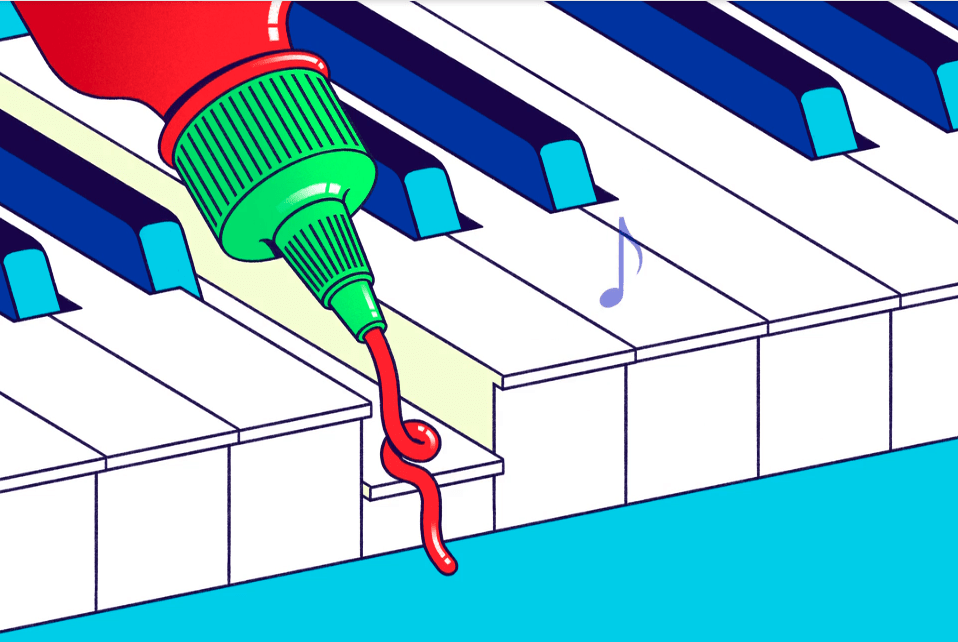


Leave a Reply