(Khi nào thì bệnh tật trở thành danh tính của một con người?)
| Can an illness become more than a medical condition—and even shape who we are? | Liệu một căn bệnh có thể trở thành nhiều hơn chỉ là một tình trạng y khoa, thậm chí còn định hình nên con người chúng ta? |
| In this article, the author explores how conditions once viewed solely as illnesses can evolve into identities, drawing on powerful stories of individuals and families affected by deafness, dwarfism, Down syndrome, autism, and homosexuality. | Trong bài viết này, tác giả khám phá cách những điều từng chỉ được xem là bệnh tật dần trở thành một phần bản sắc của mỗi người, thông qua những câu chuyện đầy xúc động về các cá nhân và gia đình có người khiếm thính, mắc chứng lùn, hội chứng Down, tự kỷ và đồng tính. |
| He examines the complex relationship between illness, identity, acceptance, and medical progress, ultimately arguing that it is our differences—and the compassion they inspire—that unite us as human beings. | Ông phân tích mối quan hệ phức tạp giữa bệnh tật, bản sắc, sự chấp nhận và những tiến bộ của y học, để rồi đi đến một kết luận rằng: chính những khác biệt của mỗi người – và lòng trắc ẩn mà những khác biệt ấy khơi gợi – mới là điều gắn kết tất cả chúng ta với nhau trong tư cách con người. |
| Original transcript of the talk in English | Bản dịch của bài nói sang tiếng Việt |
| “Even in purely non religious terms, homosexuality represents a misuse of the sexual faculty. | “Ngay cả khi không xét dưới góc độ tôn giáo, đồng tính luyến ái vẫn là một sự sử dụng sai lệch chức năng của tình dục. |
| It is a pathetic little second rate substitute for reality, a pitiable flight from life. | Nó chỉ là một sự thay thế rẻ tiền và đáng thương cho cuộc sống thực, một cách trốn chạy khỏi cuộc đời. |
| As such, it deserves no compassion. | Vì thế, nó không đáng nhận được bất kỳ sự cảm thông nào. |
| It deserves no treatment as minority martyrdom, and it deserves not to be deemed anything but a pernicious sickness.“ | Nó không nên được đối xử như một nhóm thiểu số bị áp bức, và cũng không nên được xem là bất cứ điều gì khác ngoài một căn bệnh tai hại.” |
| That’s from Time magazine in nineteen sixty six, when I was three years old. | Đó là những dòng được đăng trên Time vào năm 1966, khi tôi mới ba tuổi. |
| And last year, the President of the United States came out in favor of gay marriage. | Còn năm ngoái, Tổng thống Hoa Kỳ đã công khai ủng hộ hôn nhân đồng giới. |
| And my question is, how did we get from there to here? | Và câu hỏi tôi muốn đặt ra là: điều gì đã đưa chúng ta đi từ điểm đó đến ngày hôm nay? |
| How did an illness become an identity? | Làm thế nào mà một căn bệnh lại trở thành một phần bản sắc của con người? |
| When I was perhaps six years old, I went to a shoe store with my mother and my brother, and at the end of buying our shoes, the salesman said to us that we could each have a balloon to take home. | Khi khoảng sáu tuổi, tôi cùng mẹ và anh trai đến một cửa hàng giày. Sau khi mua giày xong, người bán hàng nói rằng mỗi đứa chúng tôi có thể chọn một quả bóng bay mang về. |
| My brother wanted a red balloon, and I wanted a pink balloon. | Anh tôi chọn một quả bóng màu đỏ, còn tôi thì muốn một quả màu hồng. |
| My mother said that she thought I’d really rather have a blue balloon, but I said that I definitely wanted the pink one, and she reminded me that my favorite color was blue. | Mẹ nói bà nghĩ chắc tôi sẽ thích quả bóng màu xanh hơn. Nhưng tôi khăng khăng rằng mình muốn quả bóng màu hồng, còn mẹ thì nhắc rằng màu yêu thích của tôi vốn là màu xanh. |
| The fact that my favorite color now is blue, but I’m still gay, is evidence of both my mother’s influence and its limits. | Việc màu yêu thích của tôi bây giờ đúng là màu xanh thật, nhưng tôi vẫn là người đồng tính, vừa cho thấy ảnh hưởng của mẹ đối với tôi lớn đến thế nào, vừa cho thấy giới hạn của ảnh hưởng ấy. |
| When I was little, my mother used to say, the love you have for your children is like no other feeling in the world, and until you have children, you don’t know what it’s like. And when I was little, I took it as the greatest compliment in the world that she would say that about parenting my brother and me. And when I was an adolescent, I thought, but I’m gay, and so I probably can’t have a family. And when she said it, it made me anxious. | Khi còn nhỏ, mẹ thường nói với tôi rằng tình yêu dành cho con cái là một cảm xúc không gì có thể sánh bằng, và chỉ khi có con, bạn mới thực sự hiểu được cảm giác đó. Hồi ấy, tôi xem đó là lời khen tuyệt vời nhất mà mẹ có thể dành cho việc nuôi anh em tôi. Nhưng đến tuổi thiếu niên, tôi bắt đầu nghĩ: mình là người đồng tính, có lẽ mình sẽ chẳng bao giờ có một gia đình. Mỗi lần mẹ nói câu ấy, tôi lại thấy bất an. |
| And after I came out of the closet, when she continued to say it, it made me furious. I said, “I’m gay. That’s not the direction that I’m headed in, and I want you to stop saying that.” | Rồi sau khi tôi công khai xu hướng tính dục của mình, mẹ vẫn tiếp tục nói như vậy, và điều đó khiến tôi nổi giận. Tôi bảo mẹ: “Con là người đồng tính. Đó không phải là con đường con sẽ đi. Con muốn mẹ đừng nói như thế nữa.” |
| About twenty years ago, I was asked by my editors at the New York Times Magazine to write a piece about deaf culture, and I was rather taken aback. I had thought of deafness entirely as an illness. Those poor people, they couldn’t hear, they lacked hearing, and what could we do for them? | Khoảng hai mươi năm trước, các biên tập viên của The New York Times Magazine nhờ tôi viết một bài về văn hóa của cộng đồng người khiếm thính. Thành thật mà nói, lúc đó tôi khá bất ngờ. Trước đó, trong suy nghĩ của tôi, khiếm thính đơn thuần chỉ là một căn bệnh. Tôi từng nghĩ: “Tội nghiệp họ quá. Họ không nghe được. Họ bị thiếu đi khả năng nghe. Vậy chúng ta có thể làm gì để giúp họ?” |
| And then I went out into the deaf world. I went to deaf clubs. I saw performances of deaf theater and of deaf poetry. I even went to the “Miss Deaf America contest” in Nashville, Tennessee, where people complained about “that slurry southern signing”. | Rồi tôi bước vào thế giới của những người khiếm thính. Tôi đến các câu lạc bộ dành cho người khiếm thính. Tôi xem những buổi biểu diễn kịch và thơ bằng ngôn ngữ ký hiệu. Tôi thậm chí còn đến cuộc thi “Hoa hậu Khiếm thính Mỹ” ở Nashville, bang Tennessee, nơi mọi người còn đùa vui về “chất giọng ký hiệu miền Nam” quá nặng của các thí sinh. |
| And as I plunged deeper and deeper into the deaf world, I became convinced that deafness was a culture, and that the people in the deaf world who said we don’t lack hearing, we have membership in a culture, were saying something that was viable. It wasn’t my culture, and I didn’t particularly want to rush off and join it, but I appreciated that it was a culture and that for the people who were members of it, it felt as valuable as Latino culture or gay culture or Jewish culture. | Càng tìm hiểu sâu về cộng đồng này, tôi càng tin rằng khiếm thính không chỉ là một tình trạng y khoa, mà còn là một nền văn hóa. Những người khiếm thính vẫn nói: “Chúng tôi không thiếu khả năng nghe. Chúng tôi là thành viên của một nền văn hóa”. Và tôi nhận ra điều đó hoàn toàn có lý. Đó không phải là nền văn hóa của tôi, và tôi cũng chẳng có ý định trở thành một phần của nó. Nhưng tôi hiểu rằng đó thực sự là một nền văn hóa. Với những người thuộc về cộng đồng ấy, nó có giá trị chẳng khác gì văn hóa Latino, văn hóa của người đồng tính hay văn hóa Do Thái. |
| It felt as valid, perhaps even, as American culture. | Thậm chí, xét ở một khía cạnh nào đó, nó cũng chính đáng không kém gì cái gọi là “văn hóa Mỹ”. |
| Then a friend of a friend of mine had a daughter who was a dwarf. And when her daughter was born, she suddenly found herself confronting questions that now began to seem quite resonant to me. She was facing the question of what to do with this child. | Sau đó, một người bạn của bạn tôi sinh một cô con gái thấp lùn. Ngay từ khi con bé chào đời, chị ấy đã phải đối mặt với những câu hỏi mà giờ cũng đã trở nên vô cùng quen thuộc với tôi: Chị phải nuôi dạy đứa trẻ này như thế nào? |
| Should she say, you’re just like everyone else, but a little bit shorter? Or should she try to construct some kind of dwarf identity, get involved in the little people of America, become aware of what was happening for dwarves? | Liệu chị nên nói với con: “Con cũng giống như mọi người thôi, chỉ là thấp hơn một chút”? Hay chị nên giúp con xây dựng một bản sắc của người mắc chứng thấp lùn, kết nối với cộng đồng “những người thấp lùn Hoa Kỳ”, và tìm hiểu về cuộc sống của những người giống mình? |
| And I suddenly thought, most deaf children are born to hearing parents. Those hearing parents tend to try to cure them. Those deaf people discover community somehow in adolescence. | Và rồi tôi chợt nhận ra một điều. Hầu hết trẻ em khiếm thính đều được sinh ra trong những gia đình có cha mẹ nghe bình thường. Những bậc cha mẹ ấy thường tìm mọi cách để chữa cho con. Nhưng rồi, đến tuổi thiếu niên, những đứa trẻ ấy lại tự tìm thấy cộng đồng của mình. |
| Most gay people are born to straight parents. Those straight parents often want them to function in what they think of as the mainstream world. And those gay people have to discover identity later on. | Người đồng tính cũng vậy. Phần lớn họ được sinh ra trong những gia đình dị tính. Cha mẹ họ thường mong con hòa nhập vào cái mà họ xem là xã hội “bình thường”. Và rồi, sau này, chính những người con ấy lại phải tự mình đi tìm bản sắc của mình. |
| And here was this friend of mine looking at these questions of identity with her dwarf daughter. And I thought, there it is again, a family that perceives itself to be normal with a child who seems to be extraordinary. | Lúc đó, người bạn của tôi cũng đang đứng trước những câu hỏi tương tự với cô con gái thấp lùn của mình. Và tôi nghĩ: lại là câu chuyện ấy. Một gia đình luôn tin rằng mình hoàn toàn bình thường, bỗng có một đứa con mà họ cảm thấy “khác thường”. |
| And I hatched the idea that there are really two kinds of identity. | Chính từ đó, tôi bắt đầu hình thành một ý tưởng: có lẽ, trên đời này thực sự tồn tại hai kiểu danh tính hoàn toàn khác nhau. |
| There are vertical identities, which are passed down generationally from parent to child. Those are things like ethnicity, frequently nationality, language, often religion. Those are things you have in common with your parents and with your children. | Kiểu thứ nhất là bản sắc theo chiều dọc – những điều được truyền từ thế hệ này sang thế hệ khác, từ cha mẹ sang con cái. Đó có thể là sắc tộc, quốc tịch, ngôn ngữ hay tôn giáo. Nói cách khác, đó là những điều bạn có chung với cha mẹ mình, và rồi sau này với chính con cái của mình. |
| And while some of them can be difficult, there’s no attempt to cure them. You could argue that it’s harder in the United States, our current presidency notwithstanding, to be a person of color. And yet, we have nobody who is trying to ensure that the next generation of children born to African Americans and Asians come out with creamy skin and yellow hair. | Đúng là một số bản sắc như vậy đôi khi cũng mang đến nhiều khó khăn. Chẳng hạn, ở nước Mỹ, dù tình hình hiện nay đã có nhiều thay đổi, người da màu vẫn phải đối mặt với không ít bất lợi. Nhưng chẳng ai lại nghĩ đến chuyện phải “chữa trị” màu da của họ. Không ai cố gắng đảm bảo rằng thế hệ con cháu của người Mỹ gốc Phi hay người Mỹ gốc Á sẽ sinh ra với làn da trắng và mái tóc vàng. |
| There are these other identities which you have to learn from a peer group, and I call them horizontal identities, because the peer group is the horizontal experience. These are identities that are alien to your parents and that you have to discover when you get to see them in peers. | Nhưng còn một kiểu bản sắc khác. Đó là những bản sắc mà bạn không thừa hưởng từ cha mẹ, mà phải học được từ những người cùng hoàn cảnh với mình. Tôi gọi đó là bản sắc theo chiều ngang, bởi chính cộng đồng đồng trang lứa là nơi bạn tìm thấy chúng. Đó là những bản sắc xa lạ với cha mẹ bạn. Bạn chỉ có thể khám phá ra chúng khi gặp những người giống mình. |
| And those identities, those horizontal identities, people have almost always tried to cure. And I wanted to look at what the process is through which people who have those identities come to a good relationship with them. | Và trớ trêu thay, chính những bản sắc theo chiều ngang ấy lại gần như luôn bị xã hội tìm cách “chữa trị”. Điều tôi muốn tìm hiểu là: làm thế nào để những người mang những bản sắc ấy có thể học cách sống hòa hợp với chính mình? |
| And it seemed to me that there were three levels of acceptance that needed to take place. There’s self acceptance, there’s family acceptance, and there’s social acceptance. And they don’t always coincide. | Dần dần, tôi nhận ra rằng có ba cấp độ chấp nhận cần phải diễn ra. Đó là sự chấp nhận từ chính bản thân, sự chấp nhận từ gia đình và sự chấp nhận từ xã hội. Và ba quá trình ấy không phải lúc nào cũng diễn ra cùng lúc. |
| And a lot of the time, people who have these conditions are very angry, because they feel as though their parents don’t love them, when what actually has happened is that their parents don’t accept them. Love is something that ideally is there unconditionally throughout the relationship between a parent and a child. But acceptance is something that takes time. It always takes time. | Rất nhiều người mang những danh tính này cảm thấy vô cùng giận dữ, bởi họ tin rằng cha mẹ không yêu thương mình. Nhưng trên thực tế, điều thường xảy ra không phải là cha mẹ không yêu con. Mà là cha mẹ chưa thể chấp nhận con. Tình yêu thương, trong một mối quan hệ giữa cha mẹ và con cái, lý tưởng nhất là điều tồn tại vô điều kiện. Còn sự chấp nhận thì khác. Nó cần thời gian. Nó luôn luôn cần thời gian. |
| One of the dwarfs I got to know was a guy named Clinton Brown. | Một trong những người thấp lùn mà tôi có dịp quen biết là một người đàn ông tên Clinton Brown. |
| When he was born, he was diagnosed with diastrophic dwarfism, a very disabling condition. And his parents were told that he would never walk, he would never talk, he would have no intellectual capacity, and he would probably not even recognize them. | Ngay từ khi mới chào đời, Clinton đã được chẩn đoán mắc chứng lùn diastrophic – một dạng khuyết tật rất nghiêm trọng. Các bác sĩ nói với cha mẹ cậu rằng cậu sẽ không bao giờ biết đi, không bao giờ biết nói, không có khả năng phát triển trí tuệ, và rất có thể thậm chí sẽ không nhận ra chính cha mẹ mình. |
| And it was suggested to them that they leave him at the hospital so that he could die there quietly. And his mother said she wasn’t going to do it, and she took her son home. | Họ còn khuyên hai ông bà hãy để cậu lại bệnh viện để cậu ra đi một cách lặng lẽ. Nhưng mẹ của Clinton từ chối. Bà đưa con trai mình về nhà. |
| And even though she didn’t have a lot of educational or financial advantages, she found the best doctor in the country for dealing with diastrophic dwarfism. And she got Clinton enrolled with him. And in the course of his childhood, he had thirty major surgical procedures. And he spent all this time stuck in the hospital while he was having those procedures, as a result of which he now can walk. | Dù điều kiện học vấn và tài chính đều không mấy thuận lợi, bà vẫn tìm được bác sĩ giỏi nhất cả nước chuyên điều trị chứng lùn diastrophic và đưa Clinton đến điều trị với ông. Suốt những năm thơ ấu, Clinton phải trải qua ba mươi ca phẫu thuật lớn. Phần lớn tuổi thơ của cậu gắn liền với bệnh viện. Nhưng cũng chính nhờ những ca phẫu thuật ấy mà ngày nay cậu có thể đi lại. |
| And while he was there, they sent tutors around to help him with his, his schoolwork, and he worked very hard because there was nothing else to do. And he ended up achieving at a level that had never before been contemplated by any member of his family. He was the first one in his family, in fact, to go to college, where he lived on campus and drove a specially fitted car that accommodated his unusual body. | Trong thời gian nằm viện, các gia sư được cử đến để giúp Clinton học văn hóa. Vì chẳng có việc gì khác để làm, cậu học rất chăm chỉ. Cuối cùng, Clinton đạt được thành tích học tập mà trước đó chưa một ai trong gia đình cậu từng dám nghĩ tới. Thực tế, cậu là người đầu tiên trong gia đình được vào đại học. Ở đó, cậu sống trong ký túc xá và lái một chiếc ô tô được cải tạo riêng để phù hợp với cơ thể đặc biệt của mình. |
| And his mother told me the story of coming home one day, and he went to college nearby, She said, and I saw that car, which you can always recognize, in the parking lot of a bar, she said. | Mẹ Clinton kể với tôi rằng có lần bà đi ngang qua một quán bar gần trường đại học của con. “Tôi nhìn thấy chiếc xe của nó đỗ ngoài bãi,” bà nói. “Chiếc xe ấy thì lúc nào cũng dễ nhận ra.” |
| And I thought to myself, they’re six feet tall, he’s three feet tall, two beers for them is four beers for him. She said, I knew I couldn’t go in there and interrupt him, but I went home, and I left him eight messages on his cell phone. | “Tôi liền nghĩ: mấy cậu kia cao mét tám, còn con trai tôi chỉ cao chưa tới một mét. Hai cốc bia với họ thì cũng phải tương đương bốn cốc đối với nó. Tôi biết mình không thể bước vào trong rồi kéo nó về được. Thế là tôi đành quay về nhà… và để lại cho nó tám tin nhắn thoại trong điện thoại.” |
| She said: | Và bài nói tiếp: |
| “And then I thought: If someone had said to me when he was born that my future worry would be that he’d go drinking and driving with his college buddies… | “Ngày hôm đó, trên đường về, tôi chợt nghĩ: Nếu như ngày Clinton mới sinh, có ai nói với mình rằng sau này điều mình lo nhất sẽ là chuyện nó đi uống bia rồi lái xe với mấy đứa bạn đại học, thì…” |
| And I said to her: | Tôi hỏi bà: |
| “What do you think you did that helped him to emerge as this charming, accomplished, wonderful person? | “Bà nghĩ điều gì mình đã làm để Clinton lớn lên và trở thành một người đáng mến, tài giỏi và tuyệt vời như vậy?” |
| And she said: | Bà nhìn tôi rồi hỏi lại: |
| “What did I do? I loved him. That’s all. Clinton just always had that light in him, and his father and I were lucky enough to be the first to see it there.” | “Tôi đã làm gì ư? Tôi yêu thương thằng bé. Chỉ vậy thôi. Clinton vốn luôn mang trong mình một ánh sáng như thế. Cha nó và tôi chỉ đơn giản là những người may mắn đầu tiên được nhìn thấy ánh sáng ấy.” |
| I’m going to quote from another magazine of the sixties. This one is from nineteen sixty eight, the Atlantic Monthly, Voice of Liberal America, written by an important bioethicist. He said: | Bây giờ, tôi muốn trích dẫn một bài báo khác cũng từ thập niên 1960. Bài này đăng trên The Atlantic Monthly năm 1968, do một nhà đạo đức sinh học rất có tiếng thời đó viết. |
| “There is no reason to feel guilty about putting a Down syndrome child away, whether it is put away in the sense of hidden in a sanitarium, or in a more responsible, lethal sense. | “Không có lý do gì để cảm thấy tội lỗi khi đưa một đứa trẻ mắc hội chứng Down đi khỏi gia đình, dù là đưa vào một viện điều dưỡng để sống khuất khỏi xã hội, hay theo một cách “có trách nhiệm” hơn – tức là tước đi mạng sống của đứa trẻ.” |
| “It is sad, yes, dreadful, but it carries no guilt. True guilt arises only from an offense against a person, and a Downs is not a person.” | “Đó là một điều đáng buồn, đúng vậy, thậm chí rất đau lòng. Nhưng không hề có tội lỗi nào ở đây. Chỉ khi làm điều sai trái với một con người thì mới có tội. Mà một đứa trẻ mắc hội chứng Down thì không phải là một con người.” |
| There’s been a lot of ink given to the enormous progress that we’ve made in the treatment of gay people. The fact that our attitude has changed is in the headlines every day, but we forget how we used to see people who had other differences, how we used to see people who were disabled, how inhuman we held people to be. And the change that’s been accomplished there, which is almost equally radical, is one that we pay not very much attention to. | Đã có rất nhiều bài báo viết về những bước tiến lớn lao trong cách xã hội đối xử với người đồng tính. Ngày nào chúng ta cũng thấy những dòng tít nói về sự thay đổi trong nhận thức ấy. Nhưng điều mà chúng ta thường quên mất là trước đây, xã hội cũng từng nhìn nhận những con người khác biệt khác theo một cách vô cùng tàn nhẫn. Chúng ta từng nhìn người khuyết tật như thể họ kém giá trị hơn con người bình thường. Và sự thay đổi trong cách nhìn nhận đó thực ra cũng sâu sắc, cũng mang tính cách mạng không kém. Chỉ là chúng ta hiếm khi nhắc đến nó. |
| One of the families I interviewed, Tom and Karen Robards, were taken aback when, as young and successful New Yorkers, their first child was diagnosed with Down syndrome. | Một trong những gia đình tôi phỏng vấn là Tom và Karen Robards. Họ là một cặp vợ chồng trẻ thành đạt ở New York. Họ hoàn toàn sững sờ khi đứa con đầu lòng được chẩn đoán mắc hội chứng Down. |
| They thought the educational opportunities for him were not what they should be. And so they decided they would build a little center, two classrooms that they started, with a few other parents to educate kids with DS. | Họ cảm thấy những cơ hội giáo dục dành cho con mình quá hạn chế. Vì vậy, cùng với một vài gia đình khác, họ quyết định mở một trung tâm nhỏ gồm hai phòng học để dạy trẻ mắc hội chứng Down. |
| And over the years, that center grew into something called the Cook Center, where there are now thousands upon thousands of children with intellectual disabilities who are being taught. | Năm tháng trôi qua, trung tâm nhỏ ấy phát triển thành Cook Center, nơi hiện nay hàng nghìn trẻ em có khuyết tật trí tuệ đang được học tập và phát triển. |
| In the time since that Atlantic Monthly story ran, the life expectancy for people with Down syndrome has tripled. | Kể từ khi bài báo trên The Atlantic Monthly được đăng, tuổi thọ trung bình của người mắc hội chứng Down đã tăng lên gấp ba lần. |
| The experience of Down syndrome people includes those who are actors, those who are writers, some who are able to live fully independently in adulthood. The Robards had a lot to do with that. | Ngày nay, trong cộng đồng người mắc hội chứng Down có những diễn viên, những nhà văn, và cả những người có thể sống hoàn toàn tự lập khi trưởng thành. Và gia đình Robards đã góp phần không nhỏ tạo nên sự thay đổi ấy. |
| And I said, do you regret it? Do you wish your child didn’t have Down syndrome? Do you wish you’d never heard of it? | Tôi hỏi họ: “Có bao giờ anh chị hối hận không? Có bao giờ anh chị ước con mình không mắc hội chứng Down? Có bao giờ anh chị ước rằng mình chưa từng phải biết đến hội chứng này?” |
| And interestingly, his father said: | Điều thú vị là Tom, người cha, trả lời: |
| “Well, for David, our son, I regret it, because for David, it’s a difficult way to be in the world, and I’d like to give David an easier life. But I think if we lost everyone with Down syndrome, it would be a catastrophic loss.” | “Với David, con trai tôi, thì có. Tôi rất tiếc vì điều đó. Bởi với David, đây là một cách rất khó khăn để tồn tại trong thế giới này. Và nếu có thể, tôi chỉ mong con có một cuộc sống dễ dàng hơn. Nhưng nếu tất cả những người mắc hội chứng Down đều biến mất, thì theo tôi, đó sẽ là một mất mát vô cùng to lớn.” |
| And Karen Robard said to me: | Karen Robards tiếp lời: |
| “I’m with Tom. For David, I would cure it in an instant to give him an easier life. But speaking for myself, while I would never have believed twenty three years ago when he was born that I could come to such a point, speaking for myself, it’s made me so much better and so much kinder and so much more purposeful in my whole life that speaking for myself, I wouldn’t give it up for anything in the world.” | “Tôi cũng nghĩ giống Tom. Nếu là vì David, con trai tôi, thì tôi sẽ chữa khỏi hội chứng Down cho con ngay lập tức, chỉ để con có một cuộc sống dễ dàng hơn. Nhưng nếu nói về bản thân mình… Hai mươi ba năm trước, khi David mới chào đời, tôi chưa bao giờ nghĩ rằng sẽ có ngày mình lại nói điều này. Nhưng chính hành trình ấy đã khiến tôi trở thành một con người tốt hơn, nhân hậu hơn và sống có ý nghĩa hơn rất nhiều. Vì thế, nếu chỉ xét từ góc nhìn của chính mình, thì tôi sẽ không đánh đổi trải nghiệm đó lấy bất cứ điều gì trên đời.” |
| We live at a point when social acceptance for these and many other conditions is on the up and up. | Ngày nay, chúng ta đang sống trong một thời đại mà sự chấp nhận của xã hội dành cho những con người khác biệt ngày càng lớn hơn. |
| And, yeah, we also live at the moment when our ability to eliminate those conditions has reached a height we never imagined before. | Đồng thời, chúng ta cũng đang sống trong thời điểm mà khả năng của y học trong việc loại bỏ những khác biệt ấy đã tiến xa đến mức chưa từng có. |
| Most deaf infants born in the United States now will receive cochlear implants, which are, put into the brain and connected to a receiver and which allow them to acquire a facsimile of hearing and to use oral speech. | Hiện nay, phần lớn trẻ em khiếm thính sinh ra ở Hoa Kỳ đều được cấy ốc tai điện tử – một thiết bị được cấy vào cơ thể và kết nối với bộ xử lý âm thanh, giúp các em có được khả năng nghe ở một mức độ nhất định, và có thể học nói bằng lời. |
| A compound that has been tested in mice, BMN one eleven, is useful in preventing the action of the achondroplasia gene. Achondroplasia is the most common form of dwarfism, and mice who have been given that substance and who have the achondroplasia gene grow to full size. Testing in humans is around the corner. | Một hợp chất mang tên BMN-111, đã được thử nghiệm trên chuột, có khả năng ngăn chặn hoạt động của gen gây ra chứng lùn achondroplasia — dạng lùn phổ biến nhất. Những con chuột mang gen này sau khi được điều trị đều phát triển đến kích thước bình thường. Các thử nghiệm trên người cũng sắp được tiến hành. |
| There are blood tests which are making progress that would pick up Down syndrome more clearly and earlier in pregnancies than ever before, making it easier and easier for people to eliminate, those pregnancies or to terminate them. | Trong khi đó, các xét nghiệm máu ngày càng có khả năng phát hiện hội chứng Down sớm và chính xác hơn ngay từ giai đoạn đầu của thai kỳ, khiến việc chấm dứt thai kỳ có nguy cơ mắc hội chứng này trở nên dễ dàng hơn bao giờ hết. |
| And so we have both social progress and medical progress. | Nói cách khác, chúng ta đang chứng kiến cả hai dạng tiến bộ cùng diễn ra. Tiến bộ của xã hội. Và tiến bộ của y học. |
| And I believe in both of them. I believe the social progress is fantastic and meaningful and wonderful, and I think the same thing about the medical progress. | Tôi tin vào cả hai. Tôi tin rằng những bước tiến trong nhận thức xã hội là điều tuyệt vời, có ý nghĩa và đáng để trân trọng. Và tôi cũng nghĩ như vậy về những tiến bộ của y học. |
| But I think it’s a tragedy when one of them doesn’t see the others. | Nhưng theo tôi, bi kịch xảy ra khi một bên không nhìn thấy bên còn lại. |
| And when I see the way they’re intersecting in conditions like the three I’ve just described, I sometimes think it’s like those moments in grand opera when the hero realizes he loves the heroine at the exact moment that she lies expiring on a divan. | Khi chứng kiến hai dòng tiến bộ ấy giao cắt với nhau trong những trường hợp như khiếm thính, chứng thấp lùn, hay hội chứng Down, tôi thường liên tưởng đến những cảnh trong các vở đại nhạc kịch: đúng vào khoảnh khắc người anh hùng nhận ra mình yêu người phụ nữ ấy, thì cũng là lúc nàng đang hấp hối trên chiếc ghế dài. |
| We have to think about how we feel about cures altogether. | Có lẽ đã đến lúc chúng ta cần suy nghĩ nghiêm túc hơn về việc mình thực sự cảm thấy thế nào đối với khái niệm “chữa khỏi”. |
| And a lot of the time, the question of parenthood is: | Rất nhiều khi, làm cha mẹ cũng chính là phải trả lời một câu hỏi: |
| “What do we validate in our children and what do we cure in them?” | “Điều gì ở con mình chúng ta nên trân trọng và chấp nhận? Và điều gì chúng ta nên tìm cách thay đổi?” |
| Jim Sinclair, a prominent autism activist, said: | Jim Sinclair, một nhà hoạt động nổi tiếng trong cộng đồng người tự kỷ, từng nói: |
| “When parents say, I wish my child did not have autism, what they’re really saying is, I wish the child I have did not exist, and I had a different, non autistic child instead.” | “Khi cha mẹ nói: “Ước gì con tôi không mắc chứng tự kỷ”, thì điều họ thực sự đang nói là: “Ước gì đứa con hiện tại của tôi không tồn tại. Và thay vào đó, tôi có một đứa con khác – không mắc chứng tự kỷ.”” |
| Read that again. | Hãy đọc lại điều đó một lần nữa. |
| This is what we hear when you mourn over our existence. | Đó là những gì chúng tôi nghe thấy mỗi khi các bạn than khóc cho sự tồn tại của chúng tôi. |
| This is what we hear when you pray for a cure, that your fondest wish for us is that someday we will cease to be, and strangers you can love will move in behind our faces. | Đó là những gì chúng tôi nghe thấy mỗi khi các bạn cầu mong có một phương pháp chữa khỏi. Điều ước lớn nhất của các bạn dành cho chúng tôi thực chất là: một ngày nào đó, chúng tôi sẽ không còn tồn tại nữa, và sẽ có một người xa lạ – một người mà các bạn có thể yêu thương – bước vào thay thế chúng tôi trong chính cơ thể này. |
| It’s a very extreme point of view, but it points to the reality that people engage with the life they have, and they don’t want to be cured or changed or eliminated. They want to be whoever it is that they’ve come to be. | Đó là một quan điểm rất cực đoan. Nhưng nó cũng chỉ ra một sự thật: Con người sống với chính cuộc đời mà mình đang có. Họ không muốn bị chữa khỏi. Không muốn bị thay đổi. Cũng không muốn bị xóa bỏ. Họ chỉ muốn được là chính con người mà mình đã trở thành. |
| One of the families I interviewed for this project was the family of Dylan Klebold, who was one of the perpetrators of the Columbine massacre. | Một trong những gia đình tôi phỏng vấn trong dự án này là gia đình của Dylan Klebold – một trong hai thủ phạm gây ra vụ thảm sát Columbine. |
| It took a long time to persuade them to talk to me. And once they agreed, they were so full of their story that they couldn’t stop telling it. And the first weekend I spent with them, the first of many, I recorded more than twenty hours of conversation. And on Sunday night, we were all exhausted. | Tôi mất rất nhiều thời gian mới thuyết phục được họ đồng ý trò chuyện. Nhưng một khi đã mở lòng, họ dường như không thể ngừng kể câu chuyện của mình. Chỉ riêng cuối tuần đầu tiên tôi ở cùng họ — cũng là cuối tuần đầu tiên trong rất nhiều lần sau đó — tôi đã ghi âm được hơn hai mươi giờ trò chuyện. Đến tối Chủ nhật, tất cả chúng tôi đều kiệt sức. |
| We were sitting in the kitchen. Sue Klebold was fixing dinner. And I said: | Chúng tôi ngồi trong bếp. Sue Klebold đang chuẩn bị bữa tối. Tôi hỏi: |
| “If Dylan were here now, do you have a sense of what you’d want to ask him?” | “Nếu Dylan đang ở đây ngay lúc này, hai bác có muốn hỏi con điều gì không?” |
| And his father said: | Cha của Dylan trả lời ngay: |
| “I sure do. I’d want to ask him what the hell he thought he was doing.” | “Có chứ. Tôi sẽ hỏi nó: rốt cuộc lúc đó nó nghĩ cái quái gì vậy?” |
| And Sue looked at the floor and she thought for a minute. And then she looked back up and said: | Sue cúi xuống nhìn sàn nhà. Bà im lặng suy nghĩ một lúc. Rồi ngẩng đầu lên và nói: |
| “I would ask him to forgive me for being his mother and never knowing what was going on inside his head.” | “Tôi sẽ xin con tha thứ. Tha thứ vì tôi là mẹ của con… mà lại chưa bao giờ biết trong đầu con thực sự đang diễn ra điều gì.” |
| When I had dinner with her a couple of years later, one of many dinners that we had together, she said: | Vài năm sau, trong một bữa tối khác giữa chúng tôi – cũng chỉ là một trong rất nhiều bữa tối như thế – Sue tâm sự: |
| “You know, when it first happened, I used to wish that I had never married, that I had never had children. If I hadn’t gone to Ohio State and crossed paths with Tom, this child wouldn’t have existed and this terrible thing wouldn’t have happened. But I’ve come to feel that I love the children I had so much that I don’t want to imagine a life without them.” | “Hồi mọi chuyện mới xảy ra, tôi từng ước rằng mình chưa bao giờ kết hôn. Từng ước rằng mình chưa bao giờ sinh con. Nếu ngày đó tôi không học ở Đại học Bang Ohio, không gặp Tom, thì Dylan đã không tồn tại, và thảm kịch ấy đã không xảy ra. Nhưng rồi tôi nhận ra rằng mình yêu những đứa con của mình đến mức không thể tưởng tượng nổi một cuộc đời mà không có chúng.” |
| “I recognize the pain they cause to others for which there can be no forgiveness, but the pain they cause to me, there is, she said. So while I recognize that it would have been better for the world if Dylan had never been born, I’ve decided that it would not have been better for me.” | “Tôi biết những đau khổ chúng gây ra cho người khác là điều không thể được tha thứ. Nhưng còn nỗi đau chúng gây ra cho chính tôi… thì tôi có thể tha thứ. Vì thế, dù tôi hiểu rằng thế giới này có lẽ sẽ tốt đẹp hơn nếu Dylan chưa từng được sinh ra… tôi cũng hiểu rằng điều đó sẽ không khiến cuộc đời của riêng tôi tốt đẹp hơn.” |
| I thought it was surprising how all of these families had all of these children with all of these problems, problems that they mostly would have done anything to avoid, and that they had all found so much meaning in that experience of parenting. | Điều khiến tôi ngạc nhiên là tất cả những gia đình ấy đều có những đứa con mang trong mình những khác biệt hay khó khăn mà, nếu có thể lựa chọn từ đầu, hầu hết họ đều sẽ làm mọi cách để tránh. Vậy mà cuối cùng, chính hành trình làm cha mẹ ấy lại mang đến cho họ rất nhiều ý nghĩa trong cuộc sống. |
| And then I thought, all of us who have children love the children we have with their flaws. If some glorious angel suddenly descended through my living room ceiling and offered to take away the children I have and give me other, better children, more polite, funnier, nicer, smarter, I would cling to the children I have and pray away that atrocious spectacle. | Rồi tôi chợt nghĩ: Bất kỳ ai đã có con đều yêu chính những đứa con mình đang có, với tất cả những khiếm khuyết của chúng. Nếu một thiên thần nào đó bỗng từ trần nhà phòng khách của tôi hạ xuống, và nói rằng sẽ đưa những đứa con hiện tại của tôi đi, rồi đổi cho tôi những đứa trẻ khác ngoan hơn, hài hước hơn, tử tế hơn, thông minh hơn… Thì tôi sẽ ôm chặt lấy những đứa con của mình và chỉ mong cảnh tượng khủng khiếp ấy biến mất. |
| And ultimately, I feel that in the same way that we test flame retardant pyjamas in an inferno to ensure they won’t catch fire when our child reaches across the stove, So these stories of families negotiating these extreme differences reflect on the universal experience of parenting, which is always, but sometimes, you look at your child and you think, where did you come from? | Cuối cùng, tôi nhận ra rằng cũng giống như việc người ta thử những bộ đồ ngủ chống cháy trong ngọn lửa thật để chắc chắn rằng chúng sẽ bảo vệ con mình khi chẳng may đứa trẻ với tay qua bếp lửa, thì những câu chuyện về các gia đình học cách sống cùng những khác biệt tưởng chừng vô cùng cực đoan ấy cũng giúp soi chiếu một trải nghiệm mang tính phổ quát của việc làm cha mẹ. Đó là khoảnh khắc mà hầu như ai cũng từng trải qua. Đôi khi, bạn nhìn đứa con của mình và tự hỏi: “Con từ đâu mà đến vậy?” |
| It turns out that while each of these individual differences is siloed, there are only so many families dealing with schizophrenia, there are only so many families of children who are transgender, there are only so many families of prodigies who also face similar challenges in many ways, There are only so many families in each of those categories. | Thoạt nhìn, mỗi kiểu khác biệt ấy dường như tồn tại trong một thế giới riêng. Chỉ có một số gia đình phải sống cùng người mắc tâm thần phân liệt. Chỉ có một số gia đình có con là người chuyển giới. Chỉ có một số gia đình nuôi dạy những đứa trẻ thần đồng, với những khó khăn rất riêng. Mỗi nhóm đều có câu chuyện của mình. |
| But if you start to think that the experience of negotiating difference within your family is what people are addressing, then you discover that it’s a nearly universal phenomenon. | Nhưng nếu bạn nhìn rộng hơn, bạn sẽ nhận ra rằng điều mà tất cả họ cùng trải qua thực chất là việc học cách chấp nhận và dung hòa những khác biệt ngay trong chính gia đình mình. Và đó lại là một trải nghiệm gần như mang tính phổ quát. |
| Ironically, it turns out that it’s our differences – and our negotiation of difference – that unite us. | Thật trớ trêu, cuối cùng tôi nhận ra rằng chính những khác biệt của mỗi người – và cách chúng ta học cách sống cùng những khác biệt ấy – mới là điều gắn kết tất cả chúng ta. |
| I decided to have children while I was working on this project. | Tôi quyết định có con ngay trong thời gian thực hiện dự án nghiên cứu này. |
| And many people were astonished and said: | Nhiều người rất ngạc nhiên. Họ hỏi tôi: |
| “But how can you decide to have children in the midst of studying everything that can go wrong?” | “Làm sao anh lại có thể quyết định có con trong khi suốt ngày nghiên cứu đủ mọi điều xấu có thể xảy ra với một đứa trẻ?” |
| And I said: | Tôi trả lời: |
| “I’m not studying everything that can go wrong. What I’m studying is how much love there can be, even when everything appears to be going wrong.” | “Tôi đâu có nghiên cứu về tất cả những điều có thể xảy ra. Điều tôi đang nghiên cứu là con người có thể yêu thương đến nhường nào, ngay cả khi mọi thứ dường như đều đang đi sai hướng.” |
| I thought a lot about the mother of one disabled child I had seen, severely disabled child who died through caregiver neglect. | Tôi thường nghĩ về một người mẹ mà tôi từng gặp. Con trai bà bị khuyết tật rất nặng và qua đời vì sự tắc trách của người chăm sóc. |
| And when his ashes were interred, his mother said: | Trong lễ an táng tro cốt của con, bà nói: |
| “I pray here to, for forgiveness for having been twice robbed. Once of the child I wanted, and once of the son I loved.” | “Tôi cầu nguyện ở đây để xin được tha thứ, vì mình đã bị cướp đi hai lần. Một lần là mất đi đứa con mà tôi hằng mong đợi. Và một lần nữa là mất đi người con trai mà tôi yêu thương.” |
| And I figured it was possible then for anyone to love any child if they had the effective will to do so. | Lúc ấy, tôi nhận ra rằng nếu một con người thật sự có ý chí để yêu thương, thì họ có thể yêu bất kỳ đứa trẻ nào. |
| So my husband is the biological father of two children with with some lesbian friends in Minneapolis. | Chồng tôi là cha ruột của hai đứa trẻ với một cặp bạn đồng tính nữ ở Minneapolis. |
| I had a close friend from college who’d gone through a divorce and wanted to have children, and so she and I have a daughter and mother and daughter live in Texas. | Còn tôi có một người bạn thân từ thời đại học. Sau khi ly hôn, cô ấy rất muốn có con. Vì vậy, cô ấy và tôi có với nhau một cô con gái. Hai mẹ con hiện sống ở Texas. |
| And my husband and I have a son who lives with us all the time, of whom I am the biological father, and our surrogate for the pregnancy was Laura, the lesbian mother of Oliver and Lucy in Minneapolis. So the shorthand is five parents of four children in three states. | Ngoài ra, chồng tôi và tôi còn có một cậu con trai sống cùng chúng tôi. Tôi là cha ruột của bé, còn người mang thai hộ là Laura – cũng chính là người mẹ đồng tính nữ của Oliver và Lucy ở Minneapolis. Nói ngắn gọn thì gia đình chúng tôi có năm người lớn, cùng nuôi bốn đứa trẻ, sống ở ba bang khác nhau. |
| And there are people who think that the existence of my family somehow undermines or weakens or damages their family. And there are people who think that families like mine shouldn’t be allowed to exist. | Có những người cho rằng sự tồn tại của gia đình tôi, bằng cách nào đó, làm suy yếu, đe dọa hay phá hoại gia đình của họ. Cũng có người cho rằng những gia đình như gia đình tôi không nên được phép tồn tại. |
| And I don’t accept subtractive models of love, only additive ones. | Nhưng tôi không tin vào một kiểu tình yêu mà người này có thêm thì người khác sẽ mất bớt. Tôi chỉ tin vào một tình yêu càng cho đi thì càng lớn lên. |
| And I believe that in the same way that we need species diversity to ensure that the planet can go on, so we need this diversity of affection and diversity of family in order to strengthen the ecosphere of kindness. | Và tôi tin rằng cũng giống như Trái Đất cần sự đa dạng sinh học để có thể tiếp tục tồn tại, thì xã hội cũng cần sự đa dạng trong tình yêu thương và trong các mô hình gia đình để nuôi dưỡng một hệ sinh thái của lòng nhân ái. |
| The day after our son was born, the pediatrician came into the hospital room and said she was concerned. | Ngày hôm sau khi con trai chúng tôi chào đời, bác sĩ nhi khoa bước vào phòng bệnh và nói rằng bà đang rất lo lắng. |
| He wasn’t extending his legs appropriately. | Con tôi không duỗi chân đúng cách. |
| She said that might mean that he had brain damage. | Bà nói điều đó có thể là dấu hiệu của tổn thương não. |
| Insofar as he was extending them, he was doing so asymmetrically, which she thought could mean that there was a tumor of some kind in action. | Hai chân của bé cử động không cân xứng, điều đó có thể cho thấy có khối u trong não. |
| And he had a very large head, which she thought might indicate hydrocephalus. | Đầu của bé cũng khá lớn, có khả năng là dấu hiệu của bệnh não úng thủy. |
| And as she told me all of these things, I felt the very center of my being pouring out onto the floor. | Khi nghe từng lời ấy, tôi có cảm giác như toàn bộ thế giới của mình đang sụp đổ. |
| And I thought: | Tôi nghĩ: |
| “Here, I had been working for years on a book about how much meaning people had found in the experience of parenting children who were disabled, and I didn’t want to join their number. | “Mình đã dành nhiều năm viết một cuốn sách về việc con người tìm thấy ý nghĩa như thế nào khi nuôi dạy những đứa trẻ khuyết tật. Vậy mà lúc này, mình lại không hề muốn trở thành một trong số họ.” |
| Because what I was encountering was an idea of illness, and, like all parents since the dawn of time, I wanted to protect my child from illness, and I wanted also to protect myself from illness. | Bởi điều tôi đang đối diện lúc ấy là ý nghĩ về một căn bệnh. Và cũng như mọi bậc cha mẹ từ thuở con người xuất hiện đến nay, tôi chỉ muốn bảo vệ con mình khỏi bệnh tật. Đồng thời, tôi cũng muốn bảo vệ chính bản thân mình khỏi nỗi đau ấy. |
| And yet, I knew from the work I had done that if he had any of the things we were about to start testing for, that those would ultimately be his identity, and if they were his identity, they would become my identity, that that illness was going to take a very different shape as it unfolded. | Nhưng rồi tôi cũng biết, từ tất cả những gì mình đã nghiên cứu, rằng nếu con thực sự mắc một trong những tình trạng mà các bác sĩ sắp kiểm tra, thì điều đó rồi sẽ trở thành một phần danh tính của con tôi. Và nếu đó là bản sắc của con… thì nó cũng sẽ trở thành một phần bản sắc của chính tôi. Khi ấy, cái gọi là “căn bệnh” sẽ mang một ý nghĩa hoàn toàn khác. |
| We took him to the MRI machine. We took him to the CAT scanner. We took this day old child and gave him over for an arterial blood draw. We felt helpless. | Họ đưa con tôi đi chụp MRI. Rồi chụp CT. Một em bé mới một ngày tuổi phải trải qua cả việc lấy máu động mạch. Chúng tôi thấy hoàn toàn bất lực. |
| And at the end of five hours, they said that his brain was completely clear and that he was, by then, extending his legs correctly. | Năm tiếng đồng hồ sau, các bác sĩ quay lại và nói rằng não của con hoàn toàn bình thường. Lúc ấy, bé cũng đã duỗi chân một cách bình thường. |
| And when I asked the pediatrician what had been going on, she said she thought, in the morning, he had probably had a cramp. | Tôi hỏi bác sĩ rốt cuộc chuyện gì đã xảy ra. Bà chỉ cười và nói: “Có lẽ sáng nay cháu chỉ bị chuột rút thôi.” |
| But I thought I thought how my mother was right. I thought the love you have for your children is unlike any other feeling in the world. | Và ngay lúc ấy, tôi chợt nghĩ: Mẹ tôi đã đúng. Tình yêu dành cho con cái thực sự là một cảm xúc không gì có thể sánh bằng. |
| And until you have children, you don’t know what it feels like. | Và chỉ khi có con, bạn mới hiểu được điều đó. |
| I think children had ensnared me the moment I connected fatherhood with loss, but I’m not sure I would have noticed that if I hadn’t been so in the thick of this research project of mine. | Tôi nghĩ, khoảnh khắc tôi bắt đầu gắn việc làm cha với khả năng mất mát, cũng chính là lúc tôi thật sự bước vào thế giới của những người làm cha mẹ. Nhưng, nếu không chìm sâu trong dự án nghiên cứu này, tôi có thể cũng đã không nhận ra điều ấy. |
| I had encountered so much strange love, and I fell very naturally into its bewitching patterns. And I saw I saw how splendor can illuminate even the most abject vulnerabilities. | Tôi đã chứng kiến quá nhiều kiểu tình yêu tưởng như rất kỳ lạ. Rồi dần dần, chính tôi cũng bị cuốn vào vẻ đẹp mê hoặc của chúng. Tôi hiểu rằng ngay cả trong những tổn thương sâu sắc nhất, con người vẫn có thể tìm thấy một vẻ đẹp rực rỡ. |
| During these ten years, I had witnessed and learned the terrifying joy of unbearable responsibility, and I had come to see how it conquers everything else. | Suốt mười năm ấy, tôi đã chứng kiến và học được niềm hạnh phúc vừa đáng sợ vừa kỳ diệu đến từ một trách nhiệm tưởng chừng không thể gánh nổi. Và tôi hiểu rằng thứ trách nhiệm ấy có thể vượt lên trên tất cả. |
| And while I had sometimes thought the parents I was interviewing were fools, enslaving themselves to a lifetime’s journey with their thankless children and trying to breed identity out of misery, I realized that day that my research had built me a plank, and that I was ready to join them on their ship. | Và dù đã có những lúc tôi từng nghĩ những bậc cha mẹ mình phỏng vấn thật ngốc nghếch. Họ chấp nhận dành cả cuộc đời để đồng hành cùng những đứa con không hề dễ nuôi, cố gắng tìm kiếm ý nghĩa từ chính những đau khổ ấy. |
| Nhưng đến ngày hôm đó, tôi nhận ra rằng chính công trình nghiên cứu của mình đã đóng cho tôi một tấm ván để bước lên con thuyền của họ. | |
| Và tôi đã sẵn sàng cùng họ lên đường. | |
| Thank you. ■ | Xin cảm ơn. ■ |
By Andrew Solomon Andrew Solomon is a professor, and a writer on politics, culture and psychology. | Tác giả: Andrew Solomon Andrew Solomon là giáo sư, đồng thời là một cây bút chuyên viết về chính trị, văn hóa và tâm lý học. |
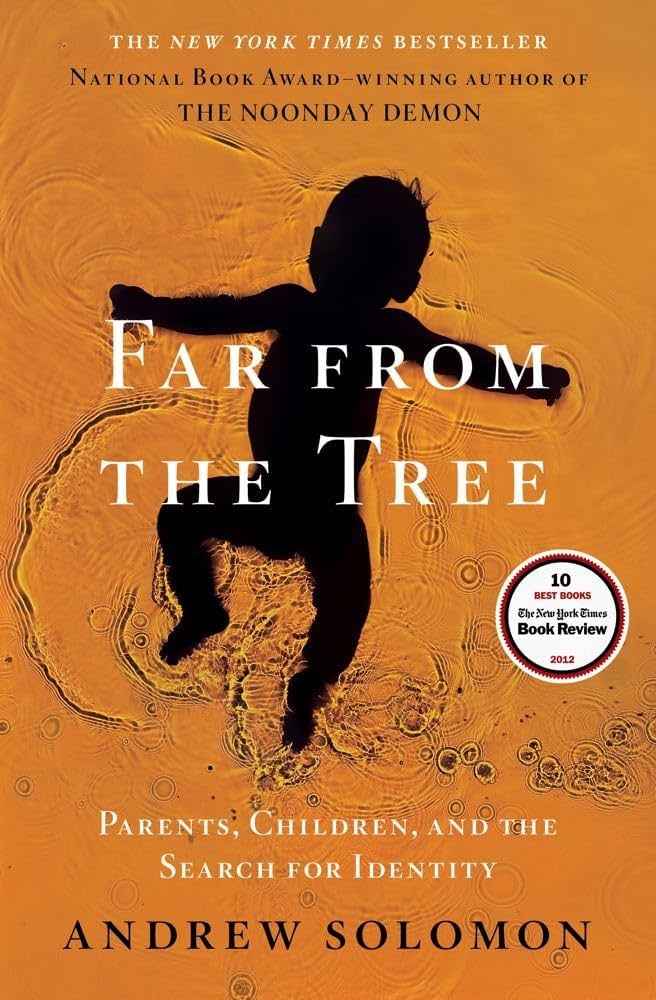
| Solomon’s book, Far From the Tree: Parents, Children, and the Search for Identity, tells the stories of parents who not only learn to deal with their exceptional children, but also find profound meaning in doing so. | Cuốn sách của ông, “Far From the Tree: Parents, Children, and the Search for Identity” (Xa gốc: Cha mẹ, con cái và hành trình đi tìm bản sắc), kể những câu chuyện về các bậc cha mẹ không chỉ học cách đồng hành cùng những đứa con đặc biệt của mình, mà còn tìm thấy ý nghĩa sâu sắc trong chính hành trình ấy. |
| Solomon’s startling proposition is that diversity is what unites us. He writes about families coping with deafness, dwarfism, Down syndrome, autism, schizophrenia, multiple severe disabilities, with children who are prodigies, who are conceived in rape, who become criminals, who are transgender. | Luận điểm gây nhiều bất ngờ của Solomon là: chính sự đa dạng mới là điều gắn kết tất cả chúng ta. Ông viết về những gia đình có người khiếm thính, mắc chứng lùn, hội chứng Down, tự kỷ, tâm thần phân liệt hoặc nhiều dạng khuyết tật nghiêm trọng khác; về những đứa trẻ là thần đồng, được sinh ra từ các vụ hiếp dâm, trở thành tội phạm hoặc là người chuyển giới. |
| While each of these characteristics is potentially isolating, the experience of difference within families is universal, as are the struggles toward compassion and the triumphs of love Solomon documents in every chapter. | Dù mỗi đặc điểm ấy đều có thể khiến một con người trở nên khác biệt và cô lập, trải nghiệm về sự khác biệt trong gia đình lại là điều gần như ai cũng từng đối mặt. Cũng như vậy, hành trình học cách thấu cảm và sức mạnh chiến thắng của tình yêu là những chủ đề xuyên suốt trong từng chương sách của Solomon. |
| Woven into these courageous and affirming stories is Solomon’s journey to accepting his own identity, which culminated in his midlife decision, influenced by this research, to become a parent. | Đan xen trong những câu chuyện đầy can đảm và giàu tính khích lệ ấy cũng là hành trình Solomon học cách chấp nhận chính bản sắc của mình. Và chính hành trình nghiên cứu đó đã đưa ông đến một quyết định quan trọng ở tuổi trung niên: trở thành một người cha. |
| The book was a bestseller and was named one of the ten best books of 2012 by The New York Times. | “Far From the Tree” đã trở thành sách bán chạy và được The New York Times bình chọn là một trong mười cuốn sách hay nhất năm 2012. |
| Tập Đọc(literally means “Reading Together”) is a bilingual English-Vietnamese magazine featuring new word annotations, translations, spoken word versions (audio articles), and a free vocabulary list for the community. The project has been maintained since 2020 and has published over 100 issues to date. | Tập Đọclà một tạp chí song ngữ Tiếng Anh – Tiếng Việt, với chú thích từ mới, cung cấp bản dịch, phiên bản bài đọc nói (báo tiếng), và danh sách từ mới miễn phí cho cộng đồng. Dự án được duy trì từ năm 2020 đến nay, hiện đã ra trên 100 số. |
| Readers should be advised that the articles published inTập Đọcdo not necessarily reflect the views, attitudes, and perspectives of the editors. Readers are encouraged to form their own opinions and evaluations through a dialogue between themselves and the authors during their reading process. Only reading writers with whom one agrees is akin to only engaging in conversations with those who compliment you: it’s comfortable, but dangerous. | Các bài viết được đăng trênTập Đọckhông nhất thiết phản ánh quan điểm, thái độ và góc nhìn của người biên tập. Người đọc nên hình thành quan điểm và đánh giá của riêng mình trong cuộc đối thoại giữa bản thân người đọc và tác giả, trong quá trình đọc bài của riêng mình. Việc chỉ đọc những người viết mà ta đồng ý cũng giống như chỉ chịu nói chuyện với những ai khen mình vậy: dễ chịu, nhưng nguy hiểm. |
| If you wish to support any of my projects, I would be profoundly grateful. Any support, no matter how small, will be significantly meaningful in helping me stay motivated or continue these non-profit efforts. | Nếu bạn muốn ủng hộ bất cứ dự án nào của mình, mình xin rất biết ơn. Mọi sự ủng hộ, dù nhỏ, đều sẽ rất có ý nghĩa trong việc giúp mình có động lực, hoặc có khả năng tiếp tục các công việc phi lợi nhuận này. |
| Please send your support to account number: 0491 0000 768 69. Account holder: Nguyễn Tiến Đạt, Vietcombank, Thăng Long branch. | Mọi ủng hộ xin gửi về số tài khoản: 0491 0000 768 69. Chủ tài khoản: Nguyễn Tiến Đạt, ngân hàngVietcombank, chi nhánh Thăng Long. |

| Da Nang, July 27, 2026 Dat Nguyen | Đà Nẵng, ngày 27.7.2026 Nguyễn Tiến Đạt (sutucon) |

Bạn có thể tải miễn phí bộ học liệu được xây dựng từ bài đọc này tại đây:
https://drive.google.com/drive/folders/10Mww8Xr619-w_D-IkJGVz_Dn32DJ7Ej3?usp=sharing
BẢNG CHÚ THÍCH TỪ MỚI
| STT | Từ | Nghĩa tiếng Anh | Nghĩa tiếng Việt | Câu ví dụ |
|---|---|---|---|---|
| 1 | solely | only; not involving anything else | chỉ, duy nhất | The decision was not based solely on financial reasons. |
| 2 | evolve into | to gradually develop into something different | phát triển thành, tiến hóa thành | The small company evolved into a global brand. |
| 3 | draw on | to use something such as experience or knowledge | dựa vào, tận dụng | She drew on her teaching experience to solve the problem. |
| 4 | affect | to influence or change someone or something | ảnh hưởng đến | Climate change affects millions of people worldwide. |
| 5 | examine | to consider or study something carefully | xem xét, phân tích | The report examines the causes of poverty. |
| 6 | ultimately | in the end; after everything has been considered | cuối cùng | Ultimately, the team decided to change its strategy. |
| 7 | inspire | to encourage or motivate someone | truyền cảm hứng | Her story inspired many young people. |
| 8 | represent | to be a symbol or example of something | đại diện cho; thể hiện | These figures represent a significant increase. |
| 9 | misuse | the wrong or improper use of something | sự lạm dụng, sử dụng sai | The misuse of antibiotics can lead to resistance. |
| 10 | faculty | a natural physical or mental ability | năng lực; chức năng (cơ thể, tinh thần) | Age can affect the faculty of memory. |
| 11 | substitute for | something used instead of something else | vật/thứ thay thế cho | Online meetings are not always a substitute for face-to-face communication. |
| 12 | pitiable | deserving sympathy because of being weak or unfortunate | đáng thương | The abandoned animal was in a pitiable condition. |
| 13 | deem | to consider or judge something in a particular way | coi là, xem là | The proposal was deemed too expensive. |
| 14 | pernicious | having a very harmful effect | cực kỳ có hại, tai hại | Misinformation can have pernicious effects on society. |
| 15 | evidence | facts that show something is true | bằng chứng | There is strong evidence to support the claim. |
| 16 | influence | the power to affect people or events | ảnh hưởng | Parents often have a strong influence on their children. |
| 17 | adolescent | a young person who is developing into an adult | thanh thiếu niên | Many adolescents experience social pressure. |
| 18 | anxious | worried or nervous about something | lo lắng | She felt anxious before the interview. |
| 19 | furious | extremely angry | vô cùng tức giận | He was furious when he discovered the mistake. |
| 20 | head in (a direction) | to move or be likely to move toward a particular situation | hướng tới | The company is heading in the right direction. |
| 21 | take aback | to surprise or shock someone | làm ai đó sửng sốt | I was taken aback by her response. |
| 22 | lack | to not have something necessary or enough of it | thiếu | Many schools lack modern equipment. |
| 23 | plunge into | to become deeply involved in something | lao vào, dấn thân vào | He plunged into his research with enthusiasm. |
| 24 | convince | to make someone believe something | thuyết phục | The data convinced us that the policy was effective. |
| 25 | viable | capable of working successfully | khả thi | They proposed a viable solution to the problem. |
| 26 | appreciate | to recognize the value of something | trân trọng; đánh giá cao | I appreciate your honesty. |
| 27 | valid | reasonable, logical, or legally acceptable | hợp lý; có giá trị | That’s a valid argument. |
| 28 | confront | to face a difficult situation or problem | đối mặt với | We must confront the challenges ahead. |
| 29 | resonant | meaningful or emotionally powerful | gây đồng cảm; có ý nghĩa sâu sắc | Her words were deeply resonant with the audience. |
| 30 | construct | to create or develop something | xây dựng, hình thành | People construct their identities over time. |
| 31 | get involved in | to become an active participant in something | tham gia vào | She got involved in community projects. |
| 32 | aware of | having knowledge or understanding of something | nhận thức được | Students should be aware of online risks. |
| 33 | tend to | to usually do or be something | có xu hướng | Older people tend to wake up earlier. |
| 34 | function | to operate or work in a particular way | hoạt động; thích nghi | Some children struggle to function in large classes. |
| 35 | mainstream | considered normal or accepted by most people | chính thống, phổ biến | Streaming has become a mainstream form of entertainment. |
| 36 | perceive | to see, understand, or interpret something | nhận thức, nhìn nhận | People perceive success in different ways. |
| 37 | extraordinary | very unusual or remarkable | phi thường, khác thường | She showed extraordinary determination. |
| 38 | hatch an idea | to think of or develop a plan or idea | nảy ra ý tưởng | They hatched an idea for a new business. |
| 39 | generationally | in a way that relates to successive generations | qua nhiều thế hệ | Cultural traditions are often passed down generationally. |
| 40 | ethnicity | the fact of belonging to a particular ethnic group | sắc tộc | The survey collected information about ethnicity and language. |
| 41 | nationality | the legal status of belonging to a particular country | quốc tịch | Nationality should not determine a person’s opportunities. |
| 42 | notwithstanding | despite; in spite of | mặc dù, bất chấp | Notwithstanding the challenges, the project was completed on time. |
| 43 | ensure | to make certain that something happens | đảm bảo | New policies were introduced to ensure equal access to education. |
| 44 | peer group | a group of people of a similar age or social status | nhóm bạn đồng trang lứa | Teenagers are often influenced by their peer group. |
| 45 | alien to | very different from; unfamiliar to | xa lạ với | Such behaviour is completely alien to our culture. |
| 46 | peer | a person of the same age, status, or ability | người đồng trang lứa, đồng cấp | Children learn a great deal from their peers. |
| 47 | coincide | to happen at the same time or correspond | trùng hợp; đồng thời xảy ra | Success and happiness do not always coincide. |
| 48 | ideally | in the best possible situation | lý tưởng là | Ideally, children should grow up in a supportive environment. |
| 49 | unconditionally | without any conditions or limits | vô điều kiện | Good parents love their children unconditionally. |
| 50 | diagnose | to identify a disease or condition | chẩn đoán | Doctors diagnosed her with a rare disorder. |
| 51 | diastrophic dwarfism | a rare genetic form of dwarfism affecting bones and joints | chứng lùn loạn dưỡng | The child was born with diastrophic dwarfism. |
| 52 | disabling | causing serious physical or mental limitations | gây suy giảm khả năng; gây tàn tật | She lives with a disabling neurological condition. |
| 53 | intellectual capacity | the ability to think, understand, and learn | năng lực trí tuệ | The injury did not affect his intellectual capacity. |
| 54 | educational advantage | a benefit related to education | lợi thế về giáo dục | Children from wealthy families often have educational advantages. |
| 55 | enroll (with/in) | to officially register someone in a course or programme | ghi danh, đăng ký học | She enrolled in a medical training programme. |
| 56 | surgical procedure | a medical operation | ca phẫu thuật; thủ thuật phẫu thuật | He underwent several surgical procedures as a child. |
| 57 | as a result of which | introducing the consequence of a previous statement | kết quả là; vì vậy | She trained every day, as a result of which she improved rapidly. |
| 58 | tutor | a private teacher or academic instructor | gia sư; người kèm học | A tutor visited him while he was recovering. |
| 59 | contemplate | to consider or imagine something | hình dung; cân nhắc | Nobody had contemplated such an outcome before. |
| 60 | campus | the grounds and buildings of a university | khuôn viên trường đại học | She lived on campus throughout her first year. |
| 61 | specially fitted | specially adapted for a particular purpose | được điều chỉnh phù hợp | He uses a specially fitted wheelchair. |
| 62 | accommodate | to adapt or provide space for someone’s needs | đáp ứng; phù hợp với | The building was redesigned to accommodate wheelchair users. |
| 63 | emerge as | to become known or develop into | trở thành; nổi lên như | She emerged as one of the country’s leading scientists. |
| 64 | accomplished | highly skilled or successful | tài giỏi; thành đạt | He is an accomplished musician. |
| 65 | quote | to repeat or cite someone else’s words | trích dẫn | The speaker quoted a famous philosopher. |
| 66 | bioethicist | an expert in the ethical issues of biology and medicine | chuyên gia đạo đức sinh học | The bioethicist discussed the moral implications of gene editing. |
| 67 | guilty | feeling responsible for doing something wrong | cảm thấy có tội; tội lỗi | She felt guilty about her decision. |
| 68 | sanitarium | a hospital or institution for long-term medical care | viện điều dưỡng | The patient spent several months in a sanitarium. |
| 69 | lethal | causing or able to cause death | gây chết người | The poison can be lethal in large amounts. |
| 70 | arise | to happen or begin to exist | nảy sinh; phát sinh | Problems often arise when communication breaks down. |
| 71 | offense against | an action that harms or violates someone or something | sự xúc phạm; hành vi xâm phạm | Violence is an offense against human dignity. |
| 72 | enormous | extremely large or great | to lớn; khổng lồ | The discovery had an enormous impact on medicine. |
| 73 | attitude | the way someone thinks or feels about something | thái độ, quan điểm | Public attitudes have changed dramatically over time. |
| 74 | inhuman | lacking compassion or kindness; cruel | vô nhân đạo | The prisoners were treated in an inhuman way. |
| 75 | accomplish | to achieve or complete successfully | đạt được; hoàn thành | The campaign accomplished its main objective. |
| 76 | radical | very new and different from what is traditional | triệt để; mang tính căn bản | The country introduced radical educational reforms. |
| 77 | pay attention to | to notice or think carefully about something | chú ý đến | We should pay more attention to mental health. |
| 78 | take aback | to surprise or shock someone | làm ai đó sửng sốt | I was taken aback by the unexpected news. |
| 79 | diagnose | to identify a disease or condition | chẩn đoán | Doctors diagnosed him with a rare disorder. |
| 80 | intellectual disability | a condition involving significant limitations in intellectual functioning | khuyết tật trí tuệ | Children with intellectual disabilities deserve equal educational opportunities. |
| 81 | life expectancy | the average length of time people are expected to live | tuổi thọ trung bình | Life expectancy has increased dramatically over the past century. |
| 82 | independently | without relying on other people | một cách độc lập | Many elderly people prefer to live independently. |
| 83 | adulthood | the state of being an adult | tuổi trưởng thành | Friendships often change during adulthood. |
| 84 | catastrophic | causing great damage or suffering | thảm khốc | Losing biodiversity would have catastrophic consequences. |
| 85 | purposeful | having a clear aim or purpose | có mục đích; sống có ý nghĩa | She leads a purposeful life by helping others. |
| 86 | on the up and up | steadily improving | đang ngày càng cải thiện | Public awareness of mental health is on the up and up. |
| 87 | eliminate | to remove or get rid of something completely | loại bỏ | Scientists hope to eliminate the disease one day. |
| 88 | infant | a very young child or baby | trẻ sơ sinh | The vaccine is recommended for all infants. |
| 89 | cochlear implant | an electronic device that helps people hear | thiết bị cấy ốc tai điện tử | A cochlear implant enabled the child to detect sounds. |
| 90 | acquire | to gain or obtain something | đạt được; tiếp thu | Children acquire language naturally. |
| 91 | facsimile | a close copy or imitation | bản sao; sự mô phỏng | The device provides a facsimile of natural hearing. |
| 92 | compound | a chemical substance made from two or more elements | hợp chất | Researchers have discovered a promising new compound. |
| 93 | prevent | to stop something from happening | ngăn chặn | Early treatment can prevent serious complications. |
| 94 | achondroplasia | the most common genetic form of dwarfism | chứng lùn achondroplasia | Achondroplasia affects bone growth. |
| 95 | around the corner | likely to happen very soon | sắp diễn ra | A major breakthrough may be just around the corner. |
| 96 | terminate (a pregnancy) | to end a pregnancy deliberately | chấm dứt thai kỳ | The law regulates when a pregnancy may be terminated. |
| 97 | intersect | to meet or cross each other | giao nhau; giao thoa | Technology and education increasingly intersect. |
| 98 | grand opera | a large-scale, highly dramatic opera | đại nhạc kịch opera | The scene resembles the ending of a grand opera. |
| 99 | heroine | the main female character in a story | nữ nhân vật chính | The heroine sacrifices everything for her family. |
| 100 | expire | to die | qua đời (văn chương) | The wounded soldier expired shortly afterwards. |
| 101 | divan | a long low sofa or couch | ghế trường kỷ | She rested on a divan by the window. |
| 102 | validate | to recognize or confirm as valuable or acceptable | công nhận; xác nhận | Good teachers validate students’ emotions. |
| 103 | prominent | well known and important | nổi tiếng; có ảnh hưởng | She is a prominent human rights lawyer. |
| 104 | activist | a person who campaigns for social or political change | nhà hoạt động | The activist spoke passionately about equality. |
| 105 | mourn | to feel or express deep sadness | thương tiếc | Families gathered to mourn the victims. |
| 106 | cease to be | to stop existing | không còn tồn tại | Many traditions have ceased to be relevant. |
| 107 | engage with | to become actively involved with something | gắn bó; tương tác với | Students should engage with different perspectives. |
| 108 | perpetrator | a person who commits a harmful or criminal act | thủ phạm | The perpetrators were eventually arrested. |
| 109 | massacre | the killing of many people | vụ thảm sát | The documentary examined the causes of the massacre. |
| 110 | persuade | to convince someone to do something | thuyết phục | She persuaded her parents to support her decision. |
| 111 | exhausted | extremely tired | kiệt sức | We were exhausted after the long journey. |
| 112 | forgiveness | the act of no longer feeling angry at someone | sự tha thứ | Forgiveness can be difficult after a tragedy. |
| 113 | flaw | a fault or weakness | khuyết điểm | Everyone has flaws and strengths. |
| 114 | descend | to move downward | hạ xuống; giáng xuống | A bird descended onto the roof. |
| 115 | cling to | to hold tightly to something | bám chặt vào | The child clung to his mother’s hand. |
| 116 | atrocious | extremely bad or shocking | khủng khiếp | They were treated under atrocious conditions. |
| 117 | flame-retardant | resistant to catching fire | chống cháy | The factory produces flame-retardant fabrics. |
| 118 | inferno | a very large and dangerous fire | biển lửa; đám cháy dữ dội | The building was destroyed in an inferno. |
| 119 | negotiate | to deal successfully with a difficult situation | xoay xở; xử lý | Families must negotiate many unexpected challenges. |
| 120 | reflect on | to make you think deeply about something | phản ánh; gợi suy ngẫm về | The novel reflects on the meaning of family. |
| 121 | siloed | isolated from other groups or information | bị tách biệt | Research is often siloed across different disciplines. |
| 122 | schizophrenia | a serious mental disorder affecting thoughts and behaviour | bệnh tâm thần phân liệt | Schizophrenia requires long-term medical care. |
| 123 | transgender | having a gender identity different from the sex assigned at birth | chuyển giới | The school introduced policies to support transgender students. |
| 124 | prodigy | a young person with exceptional talent | thần đồng | The pianist was regarded as a musical prodigy. |
| 125 | phenomenon | a remarkable fact or event | hiện tượng | Social media has become a global phenomenon. |
| 126 | ironically | in a way that is unexpected or opposite to what is expected | trớ trêu thay | Ironically, failure taught him the most valuable lesson. |
| 127 | astonished | extremely surprised | vô cùng ngạc nhiên | I was astonished by the speed of the recovery. |
| 128 | in the midst of | in the middle of | giữa lúc; giữa | She stayed calm in the midst of the crisis. |
| 129 | caregiver neglect | failure by a caregiver to provide proper care | sự bỏ bê của người chăm sóc | The investigation revealed caregiver neglect. |
| 130 | ashes | the remains of a body after cremation | tro cốt | His ashes were scattered at sea. |
| 131 | inter | to bury or place remains in a grave or tomb | an táng; chôn cất | The ashes were interred beside her parents. |
| 132 | biological | relating to biology or blood relationship | thuộc sinh học; huyết thống | She is the child’s biological mother. |
| 133 | surrogate | a woman who carries a baby for someone else | người mang thai hộ | They had a child through a surrogate. |
| 134 | shorthand | a brief way of expressing something | cách nói tóm tắt | “AI” is shorthand for artificial intelligence. |
| 135 | undermine | to weaken gradually | làm suy yếu | False information can undermine public trust. |
| 136 | weaken | to make less strong | làm yếu đi | The scandal weakened the organisation’s reputation. |
| 137 | effective will | a determined willingness to act successfully | ý chí thực sự, ý chí hiệu quả | Positive relationships often require effective will as well as good intentions. |
| 138 | subtractive | involving taking away rather than adding | mang tính loại bỏ, trừ bớt | The policy follows a subtractive approach instead of an inclusive one. |
| 139 | additive | involving adding or increasing rather than removing | mang tính bổ sung, cộng thêm | The company adopted an additive strategy for innovation. |
| 140 | species diversity | the variety of different species in an ecosystem | sự đa dạng loài | Species diversity is essential for a healthy ecosystem. |
| 141 | affection | a feeling of love or liking | tình cảm, sự yêu thương | Children need affection as well as discipline. |
| 142 | strengthen | to make something stronger | củng cố, tăng cường | Trust helps strengthen relationships. |
| 143 | ecosphere | the global ecological system that supports life | hệ sinh thái toàn cầu | Human activity has affected the Earth’s ecosphere. |
| 144 | pediatrician | a doctor who specializes in children’s health | bác sĩ nhi khoa | The pediatrician examined the newborn carefully. |
| 145 | appropriately | in a suitable or correct way | một cách phù hợp | The child responded appropriately to the instructions. |
| 146 | insofar as | to the extent that | trong chừng mực mà | Insofar as we can tell, the plan is working well. |
| 147 | asymmetrically | in a way that is not symmetrical | một cách không đối xứng | The patient’s muscles developed asymmetrically. |
| 148 | tumor | an abnormal mass of tissue | khối u | Doctors discovered a benign tumor during the scan. |
| 149 | indicate | to show or suggest something | chỉ ra; cho thấy | The results indicate a significant improvement. |
| 150 | hydrocephalus | a condition involving excess fluid in the brain | chứng não úng thủy | Hydrocephalus often requires surgical treatment. |
| 151 | encounter | to experience or come across something | gặp phải; trải qua | Researchers encountered several unexpected problems. |
| 152 | since the dawn of time | since the very beginning of human history | từ thuở hồng hoang; từ thuở khai thiên lập địa | Parents have worried about their children since the dawn of time. |
| 153 | unfold | to develop gradually over time | dần diễn ra; mở ra | Events unfolded more quickly than expected. |
| 154 | MRI machine | a machine that produces detailed images of the body using magnetic resonance imaging | máy chụp cộng hưởng từ (MRI) | The patient was examined using an MRI machine. |
| 155 | CAT scanner | a machine that produces cross-sectional X-ray images of the body | máy chụp CT | The CAT scanner revealed no internal injuries. |
| 156 | arterial blood draw | the procedure of taking blood from an artery for testing | lấy máu động mạch | An arterial blood draw was performed to assess oxygen levels. |
| 157 | helpless | unable to do anything to improve a situation | bất lực | The parents felt helpless while waiting for the results. |
| 158 | ensnare | to trap or capture, especially emotionally or mentally | cuốn vào; mắc bẫy | Fear can ensnare even the strongest people. |
| 159 | fatherhood | the state or experience of being a father | thiên chức làm cha; vai trò người cha | Fatherhood changed his priorities completely. |
| 160 | in the thick of | deeply involved in the busiest or most difficult part of something | đang ở giữa; đang chìm trong | She was in the thick of preparing for her exams. |
| 161 | bewitching | enchanting or captivating | mê hoặc; cuốn hút | The novel has a bewitching atmosphere. |
| 162 | splendor | magnificent beauty or greatness | vẻ huy hoàng; sự tráng lệ | We admired the splendor of the ancient palace. |
| 163 | illuminate | to light up or make something clearer | soi sáng; làm sáng tỏ | Her kindness illuminated a difficult period in his life. |
| 164 | abject | extremely bad, hopeless, or severe | cùng cực; thảm hại | The refugees lived in abject poverty. |
| 165 | vulnerability | the quality of being easily hurt or harmed | sự dễ bị tổn thương | Admitting vulnerability takes courage. |
| 166 | witness | to see or experience something | chứng kiến | We witnessed a remarkable recovery. |
| 167 | unbearable | too painful or difficult to tolerate | không thể chịu đựng nổi | The uncertainty became unbearable. |
| 168 | conquer | to overcome or defeat something | vượt qua; chế ngự | She eventually conquered her fear of public speaking. |
| 169 | enslave | to force someone into a state of control or dependence | trói buộc; nô dịch | He felt enslaved by unrealistic expectations. |
| 170 | breed | to produce or create something | tạo ra; gây nên | Poverty often breeds social inequality. |
| 171 | misery | great suffering or unhappiness | sự khốn khổ; đau khổ | War brings misery to countless families. |
| 172 | plank | a long flat piece of wood; metaphorically, a means of support | tấm ván; điểm tựa | Education became the plank that helped him rebuild his life. |
| 173 | fool | a person who acts unwisely | kẻ ngốc | Only a fool ignores clear evidence. |
| 174 | thankless | not appreciated despite requiring effort | không được ghi nhận; bạc bẽo | Caring for others can sometimes feel like a thankless task. |
| 175 | join someone’s ranks | to become one of a particular group | gia nhập hàng ngũ của ai đó | She joined the ranks of successful entrepreneurs. |








Leave a Reply