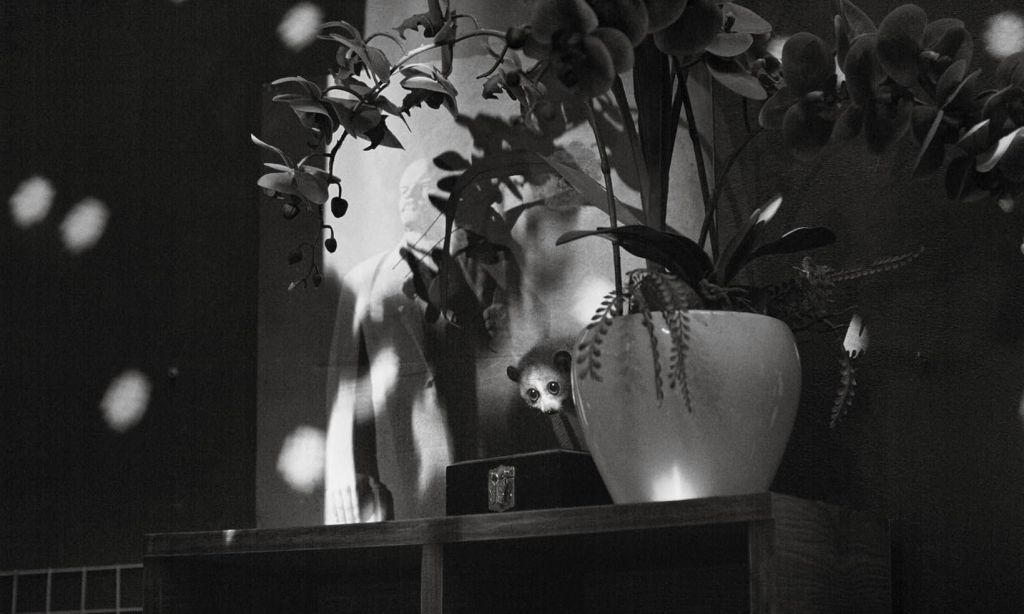
| “Tôi cần ai đó đi cùng!” | “I need someone to go with me!” |
| Phải sau bốn lần xem Cu Li Không Bao Giờ Khóc mình mới nhớ được chính xác câu nói bà Nguyện đã thốt ra khi bị bỏ lại một mình giữa cánh rừng hoang vu. Lần xem thứ nhất thì bị choáng ngợp bởi quá nhiều chi tiết khác nên không để ý, lần thứ hai cảm thấy thu hút nhất ở đoạn này nhưng không hiểu sao lại cứ đinh ninh câu thoại đã nghe được là “Nhưng tôi không tự đi một mình được!” dù gõ xuống là ngay lập tức trong lòng cảm thấy sai sai. Lần thứ ba tập trung chú ý vào đoạn có câu thoại này một cách chủ đích, nhưng ra khỏi phòng chiếu thì lại nhớ mang máng thành “Nhưng tôi cần một ai đó đi cùng!”, vẫn cảm thấy chưa đủ chắc chắn để dẫn vào bài viết nên mình đã đi xem phim thêm một lần nữa để ghi lại được đúng nguyên văn. | It took me four viewings of Cu Li Never Cries before I could remember the exact line uttered by Mrs. Nguyện as she stood alone in the desolate forest. The first time, I was too overwhelmed by the sheer number of details to notice it. On my second viewing, I was captivated by the scene but somehow convinced myself the line was, “But I can’t go alone!” — only to sense something felt off the moment I wrote it down. On my third attempt, I paid close attention to this part of the film, but once I left the theater, my memory had morphed it into, “But I need someone to go with me!” It still didn’t feel right, so I watched the movie a fourth time just to get the exact line. |
| Nếu cơ chế tức thời tự động hư cấu lại ký ức theo thế giới chủ quan của mỗi người có đóng một vai trò gì đó ở đây thì có lẽ trong thế giới chủ quan của mình, những người lớn tuổi là những người đã hoặc đang tiến tới trạng thái khó có thể làm được một số công việc gì đó một mình. Giống như bà Nguyện nhất định phải lôi kéo cậu nhân viên phục vụ cao ráo nhuộm tóc bạch kim trông rất Tây ở phòng trà mới gặp và nói chuyện vài lần cùng mình đi một chuyến dài về thăm lại nơi công tác cũ và các đồng nghiệp thời trẻ sau hàng chục năm xa cách, ban đầu có thể chỉ vì mục đích lập lờ đánh lận con đen, muốn có người đóng giả làm đứa con lai để làm minh chứng cho cuộc hôn nhân hạnh phúc và cuộc sống cũng có thể gọi là viên mãn trong mắt những người bạn cũ. Nhưng khi bà khẩn khoản mời cậu tiếp tục cùng đi dự đám cưới cô cháu ruột với vai trò là người bạn duy nhất, có lẽ trong thâm tâm bà cũng thấy mình thực sự cần phải có một người bạn đồng hành trẻ tuổi khỏe mạnh, nhanh nhẹn, đáng tin cậy khi chuẩn bị bước vào một không gian xa lạ, gặp gỡ những người xa lạ, làm một công việc lạ lẫm cả đời chưa từng làm. | If our memories are indeed shaped by our subjective worldviews, then maybe, in my world, older people are seen as those who have either reached or are approaching a point where certain tasks are difficult — or even impossible — to do alone. Like Mrs. Nguyện, who insists on persuading a tall, platinum-blond, Western-looking café attendant she’s only chatted with a few times to accompany her on a long journey. Her plan? Return to the place where she once worked and reconnect with former colleagues after decades of separation. At first, it seems her goal is to use him as a stand-in for a mixed-race son — a prop to bolster her image of a happy marriage and a “fulfilled life” in front of her old friends. But when she later begs him to accompany her to her niece’s wedding as her sole companion, it’s clear that, deep down, she genuinely needs a young, able, and dependable travel partner to face an unfamiliar space, meet strangers, and engage in tasks she’s never done before. |
| Khi xem đến đoạn này trong lần vào rạp thứ hai để đưa mẹ đi xem phim ở Hải Phòng, mẹ mình quay sang thủ thỉ: “Đấy, người già đi đâu phải có người trẻ đi cùng nó mới an tâm“. | During my second viewing, I took my mom to see the film in Hải Phòng. At that moment when Mrs. Nguyện made her plea, my mom leaned over and whispered, “See? Old people always feel safer when there’s someone younger with them.” |
| Lúc xem xong mẹ lại nhờ đưa qua ngân hàng để lấy thẻ ATM của tài khoản lương hưu đã được mở từ mấy tháng trước mà vẫn chưa thấy phường hay ngân hàng phát thẻ. Chi nhánh ngân hàng gần nhà bảo họ không phụ trách phát thẻ cho những người nhận lương hưu có hộ khẩu từ phường nhà mình và chỉ qua một chi nhánh khác cách đó 7km. Khi đến chi nhánh mới thì nhân viên không tìm thấy thẻ ứng với thông tin của mẹ mình, tra cứu một hồi họ mới phát hiện ra do mẹ đã từng mở tài khoản ở chi nhánh ngân hàng gần nhà từ trước khi có chính sách hỗ trợ phát hành thẻ nhận lương hưu miễn phí, hình như để chuyển tiền cho người nhà trong một dịp nào đó, nên không được hưởng ưu đãi nữa, và phỏng đoán có thể lúc nhân viên tư vấn hỏi có muốn mở thẻ mất phí không thì mẹ đã từ chối vì sợ các loại rủi ro mất tiền mà không nghĩ đến việc bất tiện sau này luôn phải đích thân mang giấy tờ ra ngân hàng để lấy lương hưu. | After the movie, my mom asked me to take her to the bank to check on her pension account. The account had been set up months prior, but she hadn’t yet received her ATM card. The neighborhood bank informed us they weren’t responsible for issuing pension cards to people registered at our local ward, so we were redirected to another branch 7 kilometers away. At this second branch, the staff couldn’t locate a card under her name. After investigating, they found that my mom had already opened a different account at the nearby branch — likely years ago for a family-related transaction. Because of this, she was ineligible for the “free pension card” program. It’s likely that when the bank staff originally asked if she wanted to open a paid account, she declined, wary of financial risks. Back then, she probably didn’t think about the inconvenience this choice would cause later — how she’d have to visit the bank every month, in person, with official documents just to withdraw her pension. |
| Chi nhánh mới bảo họ không thể phát hành thẻ khi mẹ mình đã có tài khoản mở ở chi nhánh khác nên khuyên mình đưa mẹ về chi nhánh cũ để làm thủ tục mở thẻ hoặc cài ứng dụng ngân hàng trên điện thoại nếu cần. Hai mẹ con lại quay về chi nhánh ngân hàng gần nhà, xếp hàng cùng rất nhiều người lớn tuổi đã về hưu khác đang bối rối chờ đến lượt được hướng dẫn các thao tác rút tiền lương của mình từ chính tài khoản của mình trước quầy dịch vụ đầy những giao dịch viên dù rất chuyên nghiệp nhưng đã không còn giấu nổi sự mất kiên nhẫn và chán nản của họ khi cứ phải liên tục trả lời và giải thích những thắc mắc và lo âu sợ hãi giống hệt nhau đến từ muôn phận người già khác nhau. | The staff at the second branch suggested we return to the original branch to either open a new card or download the bank’s mobile app. So, back we went, joining the queue alongside other elderly retirees. They sat, anxiously clutching their documents, waiting for their turn to be guided through the process of accessing money from their own accounts. The bank tellers, though professional, could not fully hide their weariness from handling the same repetitive questions, the same mix of confusion and fear from a revolving cast of elderly customers. |
| Thời gian phục vụ mỗi một khách hàng lớn tuổi về hưu như vậy thường dài gấp đôi gấp ba các khách thông thường, mà không phải ai trong số họ cũng có tiềm năng tài chính để bán chéo các sản phẩm tiết kiệm hay bảo hiểm, chưa nói đến việc đa phần người về hưu ở Việt Nam hiện tại có mức lương khá thấp và điều kiện kinh tế eo hẹp khiến họ luôn mong ngóng đi rút tiền lương ngay khi đến ngày được phát và thường khiến các quầy giao dịch quá tải trong những ngày này vì không phải ai cũng có khả năng học cách sử dụng cây ATM thành thạo (nhất là khi chỉ dùng đến 1 lần mỗi tháng) hay có con cháu, người thân hỗ trợ. | Each of these transactions took twice — or even three times — as long as they would for a regular customer. Most of the retirees didn’t have the financial means to be upsold on savings or insurance plans. Many were just there to withdraw their monthly pension, which they depended on to cover their basic living expenses. And since most Vietnamese retirees have modest pensions, they tend to withdraw their money as soon as it’s available, causing bottlenecks at the counters during payout periods. For many of them, using an ATM once a month is daunting, and some don’t have children or family to guide them. |
| Ngay như mẹ mình dù đã được chi nhánh ngân hàng ở xa giải thích cho khá kỹ từ trước, khi quay lại chi nhánh gần nhà vẫn phải hỏi lại một lượt để xác nhận hết các thông tin mới thấy an tâm. Kết quả là những băng ghế chờ trước quầy giao dịch cứ đầy ắp những mái đầu tóc bạc, không ít người trong số họ cả đời trước đó chưa từng bước chân vào một chi nhánh ngân hàng. | Even after the staff at the second branch explained everything in detail, my mom still needed to ask the same questions at the first branch just to feel reassured. The waiting area at the counter was filled with white-haired heads, many of whom had never set foot in a bank until they retired. |
| Có lẽ họ cũng cần ai đó đi cùng. | Perhaps they, too, just needed someone to go with them. |
| Nhưng trong dòng chảy cuộc sống hiện đại tất bật không ngừng cuốn những người trẻ hơn vào cuộc mưu sinh và đi tìm bản ngã không hồi kết thì mấy ai sẽ chịu dứt ra hay có thể dứt ra để trở thành bạn đồng hành của những người đang dần chậm bước và sẽ khó lòng tránh khỏi tương lai bị bỏ lại phía sau? | But in the relentless currents of modern life, where younger generations are caught up in the daily grind of survival and endless self-discovery, who has the time or ability to become a companion to those whose steps have slowed? Who will be there for the ones at risk of being left behind? |
| Và không chỉ có những người lớn tuổi như bà Nguyện mà còn cả Vân, cả Quang, cả lũ trẻ nheo nhóc xóm nghèo, những người trẻ tuổi đến từ những khu vực ít nhận được sự quan tâm chăm sóc của xã hội hay những người yếu thế, người khuyết tật, bệnh tật,… họ bước vào đời với nhiều bối rối, ngơ ngác và những câu hỏi thường trực chẳng biết mình có muốn không, có làm được không mà chẳng hề có một hệ thống hỗ trợ hiệu quả. Lúc Quang lúng túng đứng một mình trên sân khấu đám cưới thốt lên câu hỏi “Người bạn đời của tôi đâu rồi?” hay khi Vân cảm thấy ngại ngùng khó xử trước rạp cưới toàn những gương mặt nhà trai xa lạ và một tương lai có quá nhiều điều mới mẻ chưa biết, có lẽ họ cũng cần có ai đó đi cùng. | It’s not just the elderly like Mrs. Nguyện. It’s also Vân, Quang, the children of impoverished neighborhoods, the disadvantaged youth, and the disabled. These are people who step into life with confusion and uncertainty, their hearts filled with questions like “Do I really want this?” or “Can I even do this?” — and all without an effective support system to guide them. When Quang awkwardly stood on stage at the wedding and asked, “Where is my life partner?” or when Vân felt nervous and out of place surrounded by unfamiliar faces from her groom’s family and a future brimming with unknowns, they too seemed to need someone to walk alongside them. |
| Không biết đã bao lâu rồi điện ảnh Việt Nam mới có một bộ phim lấy điểm nhìn của người lớn tuổi làm trung tâm và thật sự tập trung khắc họa tâm tư tình cảm của họ cũng như dành ánh nhìn thật ấm áp cho tất cả những phận người yếu thế đang bị bỏ lại phía sau như Cu Li Không Bao Giờ Khóc. | It’s been a long time since a Vietnamese film has centered on the perspective of the elderly, genuinely delving into their inner worlds and emotions. Cu Li Never Cries does just that. It offers a gentle, compassionate gaze not only toward older people but toward all vulnerable, marginalized individuals who risk being left behind. |
| Với mình phim có cái kết thật đẹp khi có lẽ không có ai thực sự phải đi một mình. Bà Nguyện và cô cháu gái vẫn gần gũi nương tựa lẫn nhau. Cặp vợ chồng trẻ có nhau và có gia đình, họ hàng, xóm giềng và bạn bè chia sẻ hỗ trợ. Những đứa trẻ vẫn nhận được sự quan tâm trìu mến từ những người lớn quanh xóm làng. Người đàn ông bệnh tật và từng mắc nhiều lầm lỡ thời trai trẻ vẫn được gia đình chăm sóc. Những người khuyết tật xuất hiện trong từng cảnh sinh hoạt đời sống của phim với sự hỗ trợ thật tự nhiên của tất cả cộng đồng… | To me, the film’s ending is a beautiful one — because in the end, it seems like no one is truly left to walk alone. Mrs. Nguyện and her niece remain close, leaning on each other. The young couple has each other as well as the support of family, neighbors, and friends. The neighborhood children still receive the affection and care of adults around them. The sickly man, once marked by his youthful mistakes, is still looked after by his family. Disabled people appear in everyday scenes, shown as naturally supported by the community around them. |
| Thứ duy nhất bị bỏ lại có lẽ chỉ là con cu li câm lặng với đôi mắt tròn xoe long lanh ngấn nước và quá khứ mờ khuất hay mộng tưởng về miền đất hứa xa ngái đến một lúc nào đó buộc phải chấp nhận buông bỏ. Nhưng cu li không bao giờ khóc, và quá khứ lẫn mộng tưởng có bao giờ thật sự bỏ lại được đâu? | The only one truly left behind is perhaps the silent, wide-eyed Cu Li — the little creature with those round, glistening eyes filled with tears that never fall. Like a hazy past or a distant dream of a promised land, there comes a moment when Cu Li — and perhaps Mrs. Nguyện, along with all the other characters in the film — must face the inevitability of letting go. Letting go of the past. Letting go of the dreams they once clung to. But the thing is, Cu Li never cries. And if we’re honest, how many of us can really leave our pasts and our dreams behind? |
| — Phim Cu Li Không Bao Giờ Khóc thì dường như hơi bị thị trường bỏ lại với lượng người ra rạp để xem khiêm tốn đến phát khóc, nhưng may mắn là đến tuần này vẫn còn có một số suất chiếu lẻ ở các rạp nhỏ ở hai đầu Hà Nội và thành phố Hồ Chí Minh. Các bạn chưa xem hãy cố gắng tranh thủ nhé! | — It seems that Cu Li Never Cries is itself in danger of being left behind by the market, with only a small trickle of viewers heading to the theater. Luckily, there are still a few scattered showings in smaller cinemas in Hanoi and Ho Chi Minh City this week. If you haven’t seen it yet, try to catch it while you still can! |
| — Viết bởi Vũ Thanh Bình Người viết, Người sáng lập/Quản lý Không gian Văn hóa Sáng tạo Cửa Biển – Hải Phòng, và Nhà sáng lập Tổ Chim Xanh – Bluebirds’ Nest Ngày 9.12.2024 | — By Vu Thanh Binh Writer, Founder/Manager at Không gian Văn hóa Sáng tạo Cửa Biển – Hải Phòng, and Founder at Tổ Chim Xanh – Bluebirds’ Nest Dec 09, 2014 |

| Tập Đọc (literally means “Reading Together”) is a bilingual English-Vietnamese journal featuring new word annotations, translations, spoken word versions (audio articles), and a free vocabulary list for the community. The project has been maintained since 2020 and has published over 90 issues to date. | Tập Đọc là một báo song ngữ Tiếng Anh – Tiếng Việt, với chú thích từ mới, cung cấp bản dịch, phiên bản bài đọc nói (báo tiếng), và danh sách từ mới miễn phí cho cộng đồng. Dự án được duy trì từ năm 2020 đến nay, hiện đã ra trên 90 số. |
| Readers should be advised that the articles published in Tập Đọc do not necessarily reflect the views, attitudes, and perspectives of the editors. Readers are encouraged to form their own opinions and evaluations through a dialogue between themselves and the authors during their reading process. Only reading writers with whom one agrees is akin to only engaging in conversations with those who compliment you: it’s comfortable, but dangerous. | Các bài viết được đăng trên Tập Đọc không nhất thiết phản ánh quan điểm, thái độ và góc nhìn của người biên tập. Người đọc nên hình thành quan điểm và đánh giá của riêng mình trong cuộc đối thoại giữa bản thân người đọc và tác giả, trong quá trình đọc bài của riêng mình. Việc chỉ đọc những người viết mà ta đồng ý cũng giống như chỉ chịu nói chuyện với những ai khen mình vậy: dễ chịu, nhưng nguy hiểm. |
| If you wish to support any of my projects, I would be profoundly grateful. Any support, no matter how small, will be significantly meaningful in helping me stay motivated or continue these non-profit efforts. | Nếu bạn muốn ủng hộ bất cứ dự án nào của mình, mình xin rất biết ơn. Mọi sự ủng hộ, dù nhỏ, đều sẽ rất có ý nghĩa trong việc giúp mình có động lực, hoặc có khả năng tiếp tục các công việc phi lợi nhuận này. |
Please send your support to account number: 0491 0000 768 69. Account holder: Nguyễn Tiến Đạt, Vietcombank, Thăng Long branch. | Mọi ủng hộ xin gửi về số tài khoản: 0491 0000 768 69. Chủ tài khoản: Nguyễn Tiến Đạt, ngân hàng Vietcombank, chi nhánh Thăng Long. |
| Đà Nẵng, Sunday, December 9th, 2024 Nguyễn Tiến Đạt (sutucon) | Đà Nẵng, ngày 9.12.2024 Nguyễn Tiến Đạt (sutucon) |
 |  |
BẢNG CHÚ THÍCH TỪ MỚI
| Số thứ tự | Từ | Phiên âm | Nghĩa tiếng Anh | Nghĩa tiếng Việt |
|---|---|---|---|---|
| 1 | viewings | /ˈvjuːɪŋz/ | the number of times something is watched, usually referring to a film, play, or performance | lần xem, buổi chiếu |
| 2 | line | /laɪn/ | a specific sentence or phrase spoken by a character in a movie, play, or script | câu thoại, lời thoại |
| 3 | uttered | /ˈʌtəd/ | spoken or said out loud | thốt ra, phát ra, nói ra |
| 4 | desolate | /ˈdɛsᵊlət/ | empty, bleak, and uninhabited; often evokes a feeling of loneliness or sadness | hoang vắng, cô quạnh, hiu quạnh |
| 5 | overwhelmed | /ˌəʊvəˈwɛlmd/ | feeling emotionally or mentally overloaded by too much information, emotion, or activity | choáng ngợp, bị áp đảo, bị choáng váng |
| 6 | the sheer number of | /ðə/ /ʃɪə/ /ˈnʌmbər/ /ɒv/ | the large or impressive amount of something | số lượng lớn, số lượng khổng lồ |
| 7 | captivated | /ˈkæptɪveɪtɪd/ | fully attracted or deeply interested in something | bị cuốn hút, bị mê hoặc, bị hấp dẫn |
| 8 | somehow | /ˈsʌmhaʊ/ | in a way that is not clear or fully understood | bằng cách nào đó, không hiểu sao |
| 9 | convinced myself | /kənˈvɪnst/ /maɪˈsɛlf/ | persuaded oneself to believe something, even if it might not be true | tự thuyết phục mình, tự khiến mình tin rằng |
| 10 | sense something felt off | /sɛns/ /ˈsʌmθɪŋ/ /fɛlt/ /ɒf/ | to have a feeling that something is wrong or inaccurate | cảm thấy có gì đó sai sai, cảm giác không đúng lắm |
| 11 | my memory had morphed it into | /maɪ/ /ˈmɛmᵊri/ /hæd/ /mɔːft/ /ɪt/ /ˈɪntuː/ | my memory changed or altered it into something different | trí nhớ của tôi đã biến nó thành, tôi đã nhớ nhầm thành |
| 12 | subjective worldviews | /səbˈʤɛktɪv/ /ˈwɜːldˌvjuːz/ | personal perspectives or beliefs influenced by an individual’s experiences, thoughts, and feelings | thế giới quan chủ quan, quan điểm chủ quan |
| 13 | insists | /ɪnˈsɪsts/ | strongly demands or firmly states something | khăng khăng, nhất quyết, nài nỉ |
| 14 | platinum-blond | /ˈplætɪnəm/-/blɒnd/ | describes hair that is very light, almost white or silver in color | tóc vàng bạch kim |
| 15 | accompany | /əˈkʌmpəni/ | to go with someone as a companion or partner | đồng hành, đi cùng, tháp tùng |
| 16 | separation | /ˌsɛpᵊrˈeɪʃᵊn/ | a state of being apart or away from someone or something | sự chia cắt, sự xa cách, sự ly tán |
| 17 | stand-in | /ˈstændɪn/ | a person or thing that serves as a substitute for someone or something else | người đóng thế, người thay thế, người đại diện |
| 18 | mixed-race | /mɪkst/-/reɪs/ | describes someone with parents or ancestors from different racial or ethnic backgrounds | con lai, lai chủng tộc |
| 19 | a prop to bolster | /ə/ /prɒp/ /tuː/ /ˈbəʊlstə/ | an object or thing used to support or strengthen an image, belief, or impression | đạo cụ để củng cố, phương tiện để tăng cường |
| 20 | “fulfilled life” | “/fʊlˈfɪld/ /laɪf/” | a life that is seen as complete, meaningful, or satisfying | cuộc sống viên mãn, cuộc sống trọn vẹn |
| 21 | sole | /səʊl/ | the only one; single or exclusive | duy nhất, độc nhất, đơn độc |
| 22 | companion | /kəmˈpænjən/ | a person who accompanies someone or shares an experience with them | bạn đồng hành, người đồng hành |
| 23 | genuinely | /ˈʤɛnjuɪnli/ | truly, sincerely, or honestly | chân thành, thực sự, một cách thành thật |
| 24 | able | /ˈeɪbᵊl/ | having the skills, power, or ability to do something | có khả năng, có năng lực |
| 25 | dependable | /dɪˈpɛndəbᵊl/ | reliable or trustworthy; able to be counted on | đáng tin cậy, có thể dựa dẫm |
| 26 | engage in tasks | /ɪnˈɡeɪʤ/ /ɪn/ /tɑːsks/ | to participate in or carry out certain activities, duties, or jobs | tham gia vào công việc, thực hiện nhiệm vụ |
| 27 | whispered | /ˈwɪspəd/ | spoke very softly or quietly | thì thầm, nói khẽ |
| 28 | feel safer | /fiːl/ /ˈseɪfə/ | to have a sense of being protected or secure | cảm thấy an toàn hơn, cảm thấy yên tâm hơn |
| 29 | pension | /ˈpɛnʃᵊn/ | a regular payment made to retired people, usually provided by the government or an employer | lương hưu, tiền hưu trí |
| 30 | prior | /ˈpraɪə/ | earlier; before a specific time or event | trước đó, trước khi |
| 31 | responsible for | /rɪˈspɒnsəbᵊl/ /fɔː/ | in charge of or having the duty to take care of something | chịu trách nhiệm về, có trách nhiệm về |
| 32 | issuing | /ˈɪʃuːɪŋ/ | officially giving out something, such as a document, card, or official statement | phát hành, cấp (giấy tờ, thẻ) |
| 33 | our local ward | /ˈaʊə/ /ˈləʊkᵊl/ /wɔːd/ | the local administrative division or district where someone resides | phường địa phương của chúng tôi, khu phố của chúng tôi |
| 34 | branch | /brɑːnʧ/ | a local office or division of a larger organization, such as a bank | chi nhánh (ngân hàng, công ty) |
| 35 | under her name | /ˈʌndə/ /hɜː/ /neɪm/ | registered with or associated with a specific person’s name | đứng tên bà ấy, mang tên bà ấy |
| 36 | investigating | /ɪnˈvɛstɪɡeɪtɪŋ/ | looking into or examining something to discover the truth or learn more information | điều tra, kiểm tra, xác minh |
| 37 | transaction | /trænˈzækʃᵊn/ | a financial activity or exchange, such as depositing or withdrawing money | giao dịch, sự giao dịch (thương mại, ngân hàng) |
| 38 | was ineligible for | /wɒz/ /ɪnˈɛlɪʤəbᵊl/ /fɔː/ | did not meet the requirements or qualifications for something | không đủ điều kiện, không được hưởng |
| 39 | wary | /ˈweəri/ | cautious or suspicious, often due to concerns about risk or danger | cảnh giác, thận trọng, dè chừng |
| 40 | financial risks | /faɪˈnænʃᵊl/ /rɪsks/ | potential dangers or losses related to money or investments | rủi ro tài chính, nguy cơ tài chính |
| 41 | inconvenience | /ˌɪnkənˈviːniəns/ | a difficulty or trouble that causes extra effort or discomfort | sự bất tiện, sự phiền toái |
| 42 | in person | /ɪn/ /ˈpɜːsᵊn/ | physically present at a specific location, as opposed to being online or remote | trực tiếp, trực diện |
| 43 | official documents | /əˈfɪʃᵊl/ /ˈdɒkjəmənts/ | legal or government-issued papers, such as identification cards, certificates, or bank forms | giấy tờ chính thức, giấy tờ hợp pháp |
| 44 | withdraw her pension | /wɪðˈdrɔː/ /hɜː/ /ˈpɛnʃᵊn/ | to take out or collect her pension money from the bank | rút lương hưu, rút tiền hưu trí |
| 45 | joining the queue | /ˈʤɔɪnɪŋ/ /ðə/ /kjuː/ | lining up or waiting in line to be served | xếp hàng, tham gia xếp hàng |
| 46 | elderly retirees | /ˈɛldəli/ /rɪˌtaɪəˈriːz/ | older people who have stopped working, often receiving a pension | người già đã nghỉ hưu, người hưu trí cao tuổi |
| 47 | anxiously | /ˈæŋkʃəsli/ | nervously or with worry | lo lắng, bồn chồn, hồi hộp |
| 48 | bank tellers | /bæŋk/ /ˈtɛləz/ | staff members at a bank who help customers with transactions like deposits, withdrawals, and payments | giao dịch viên ngân hàng, nhân viên quầy ngân hàng |
| 49 | weariness | /ˈwɪərɪnəs/ | feeling tired, exhausted, or drained, often due to repetitive work | sự mệt mỏi, sự kiệt sức |
| 50 | a revolving cast of | /ə/ /rɪˈvɒlvɪŋ/ /kɑːst/ /ɒv/ | a group of people who come and go, often repeating in cycles | một nhóm luân phiên, một nhóm thay đổi thường xuyên |
| 51 | upsold | /’ʌpsəʊld/ | persuaded to buy a more expensive version of something or additional products | bán thêm, bán thêm sản phẩm cao cấp hơn |
| 52 | savings or insurance plans | /ˈseɪvɪŋz/ /ɔːr/ /ɪnˈʃʊərᵊns/ /plænz/ | financial products offered by banks or insurance companies to help people save money or protect against future risks | kế hoạch tiết kiệm hoặc bảo hiểm |
| 53 | causing bottlenecks at the counters | /ˈkɔːzɪŋ/ /ˈbɒtᵊlnɛks/ /æt/ /ðə/ /ˈkaʊntəz/ | creating delays, slowdowns, or congestion at service points | gây tắc nghẽn tại quầy, gây tắc nghẽn giao dịch |
| 54 | feel reassured | /fiːl/ /ˌriːəˈʃɔːd/ | to feel comforted, supported, or more confident about something | cảm thấy yên tâm, cảm thấy an lòng |
| 55 | white-haired heads | /waɪt/-/heəd/ /hɛdz/ | a poetic or descriptive way of referring to elderly people | những mái đầu bạc, những người già |
| 56 | many of whom | /ˈmɛni/ /ɒv/ /huːm/ | refers to a large number of people from a previously mentioned group | nhiều người trong số đó, trong đó có nhiều người |
| 57 | set foot in | /sɛt/ /fʊt/ /ɪn/ | to enter or go inside a place for the first time or after a long time | đặt chân vào, đến thăm (một nơi nào đó) |
| 58 | perhaps | /pəˈhæps/ | possibly; used to suggest a possibility or uncertainty | có lẽ, có thể |
| 59 | relentless | /rɪˈlɛntləs/ | unstoppable, constant, and unyielding | không ngừng nghỉ, không ngừng |
| 60 | currents | /ˈkʌrᵊnts/ | movement or flow, often referring to water, air, or trends | dòng chảy, dòng (nước, không khí, xu hướng) |
| 61 | the daily grind of survival | /ðə/ /ˈdeɪli/ /ɡraɪnd/ /ɒv/ /səˈvaɪvᵊl/ | the hard, repetitive effort required to meet daily needs, such as working to earn a living | guồng quay mưu sinh, vòng quay sinh tồn hàng ngày |
| 62 | endless | /ˈɛndləs/ | without end; continuing forever or for a very long time | bất tận, vô tận, không hồi kết |
| 63 | self-discovery | /sɛlf/-/dɪˈskʌvᵊri/ | the process of learning more about oneself, often involving personal growth or reflection | sự khám phá bản thân, quá trình tự nhận thức |
| 64 | those whose steps have slowed | /ðəʊz/ /huːz/ /stɛps/ /hæv/ /sləʊd/ | a poetic way to refer to elderly or physically slower people | những người có bước chân chậm lại (ẩn dụ chỉ người già hoặc người suy yếu) |
| 65 | at risk of | /æt/ /rɪsk/ /ɒv/ | in danger of experiencing harm, loss, or difficulty | có nguy cơ, có rủi ro |
| 66 | being left behind | /ˈbiːɪŋ/ /lɛft/ /bɪˈhaɪnd/ | being forgotten, excluded, or not kept up with progress | bị bỏ lại phía sau, bị tụt hậu |
| 67 | impoverished neighborhoods | /ɪmˈpɒvərɪʃt/ /ˈneɪbəhʊdz/ | areas where many people have low income and poor living conditions | khu dân cư nghèo, khu phố nghèo |
| 68 | the disadvantaged youth | /ðə/ /ˌdɪsədˈvɑːntɪʤd/ /juːθ/ | young people who face hardships due to poverty, social inequality, or other difficulties | thanh niên có hoàn cảnh khó khăn, thanh niên yếu thế |
| 69 | the disabled | /ðə/ /dɪˈseɪbᵊld/ | people who have physical, mental, or emotional impairments | người khuyết tật, người tàn tật |
| 70 | brimming with | /ˈbrɪmɪŋ/ /wɪð/ | filled with or full of something, often emotions, thoughts, or possibilities | tràn đầy, đầy ắp |
| 71 | delving into | /ˈdɛlvɪŋ/ /ˈɪntuː/ | exploring deeply or investigating thoroughly | đi sâu vào, tìm hiểu sâu về |
| 72 | offers a gentle, compassionate gaze | /ˈɒfəz/ /ə/ /ˈʤɛntᵊl/, /kəmˈpæʃᵊnət/ /ɡeɪz/ | presents a kind, caring, and understanding view of something or someone | mang lại cái nhìn nhẹ nhàng, đầy trắc ẩn |
| 73 | vulnerable, marginalized individuals | /ˈvʌlnᵊrəbᵊl/, /ˈmɑːʤɪnᵊlaɪzd/ /ˌɪndɪˈvɪʤuəlz/ | people who are at risk of harm or exclusion due to social, financial, or physical disadvantages | những cá nhân dễ bị tổn thương và bị gạt ra ngoài lề xã hội |
| 74 | sickly | /ˈsɪkli/ | often ill or weak | ốm yếu, hay đau ốm |
| 75 | youthful mistakes | /ˈjuːθfᵊl/ /mɪˈsteɪks/ | errors or poor decisions made by someone when they were young | lỗi lầm thời trẻ, sai lầm của tuổi trẻ |
| 76 | hazy | /ˈheɪzi/ | blurry, unclear, or difficult to see or understand | mờ ảo, không rõ ràng, mơ hồ |
| 77 | a promised land | /ə/ /ˈprɒmɪst/ /lænd/ | a place or situation that is seen as ideal or perfect, often symbolizing hope or fulfillment | miền đất hứa, vùng đất hứa |
| 78 | face the inevitability of | /feɪs/ /ði/ /ɪˌnɛvɪtəˈbɪləti/ /ɒv/ | to confront or accept something that is certain to happen | đối mặt với điều không thể tránh khỏi |
| 79 | letting go | /ˈlɛtɪŋ/ /ɡəʊ/ | releasing something emotionally, mentally, or physically, often related to past experiences or attachments | buông bỏ, từ bỏ, buông tay |
| 80 | showings | /ˈʃəʊɪŋz/ | screenings or presentations of a film or event at a specific time and place | buổi chiếu, suất chiếu |





 Tập Đọc
Leave a comment