The collective erosion of X, Instagram, and Facebook marks a turning point for millennials, who are outgrowing a constant need to be plugged in. Jason Parham explores how first-generation social media users are limiting their screen time, and more ‘analogue’ marketing styles are making a comeback in a big way.

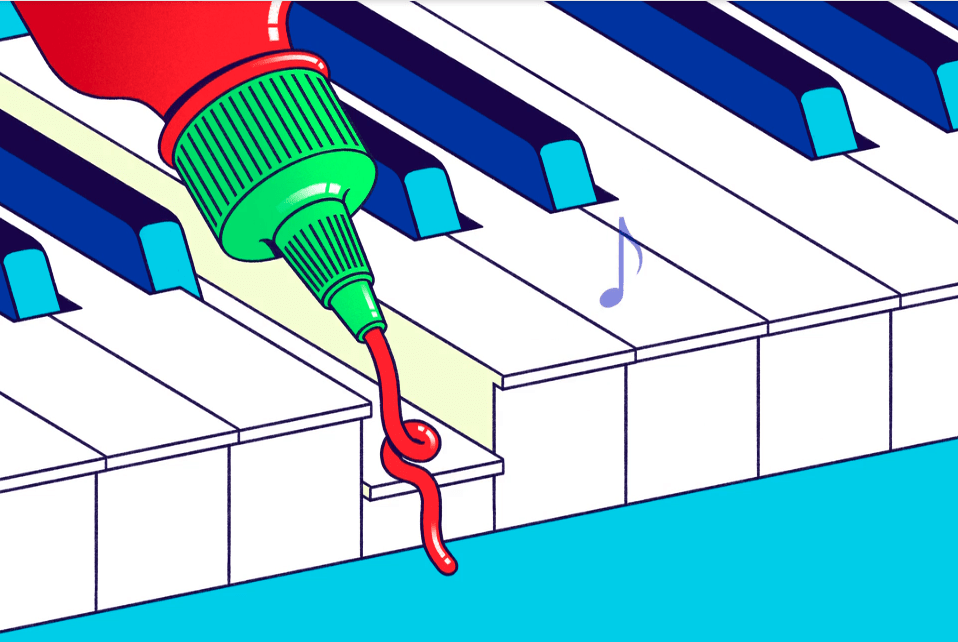
Illustration: Jacoui Vanlien: Getty Images
A golden age of connectivity is ending. “I deleted my Facebook years ago, spend at least three to six months off Twitter every year, and Bluesky invites are just sitting in my inbox,” a friend tells me when I ask how her relationship to social media has changed in recent times. “I basically only use Instagram Stories and almost never post on the grid. I do it once a week so I can get away with saying ‘Free Palestine’ without the algorithm punishing me. I refuse to get any more accounts. I’m over it.”
This is how it goes now, in what is being christened the twilight of an era of social media that redefined community building and digital correspondence. For many first-gen social media users – millennials between the ages of 27 and 42 – there is a developing sentiment that the party is over.
Twitter is bad (sorry, I will never refer to it as X). Instagram is overrun with ads and influencers hawking face creams and fitness tips. TikTok, what originally felt like a glossier alternative to YouTube, increasingly resembles an outlet mall full of “dupes,” prizing hype over lasting influence.
Influence is one attribute Twitter never lacked, as evidenced by the mad dash in Silicon Valley to fill the gulf its collapse is leaving. I’ve spent an unhealthy amount of time on the platform over the last decade. It was the avenue of the Black Lives Matter movement, a megaphone for everyday users, and, through a wave of history – setting and history – unsettling US elections, transformed culture into a 24/7 participatory event. There is no #MeToo without Twitter, nor the beginnings of a racial reckoning in Hollywood. Twitter refashioned the look of communication through a vernacular of memes and GIFs, where resident collectives like Black Twitter and NBA Twitter excelled as virtuosos of the form.
It has now been a year since Elon Musk assumed control of Twitter, and in what felt like record time, he has taken a sledgehammer to everything that gave the platform its unique draw (issues of safety and inclusion were a problem under former CEO Jack Dorsey but have significantly worsened). There is a void in the social media universe that, until now, Twitter singularly occupied.
In its heyday, from 2008 to 2015, before digital currencies like retweets and views reoriented how users interacted with one another, no other platform offered what Twitter did, the way it did: up-to-the-second real-time conversation and analysis. It was a blank slate, and because it was a blank slate, it was a canvas to document what was happening to us and around us. It was revolutionary, and soon what we remember of it will be gone.
“If the early promise of social media was to bring society closer to a virtual ideal, the most recent shift in how platforms are used has lost the plot.”
If the early promise of social media was to bring society closer to a virtual ideal, the most recent shift in how platforms are used has lost the plot. Along with Twitter, the erosion of the user experience on Facebook and Instagram – with tiered subscriptions, a proliferation of hate speech and misinformation, privacy being sold as a luxury, and the threat of generative AI – marks a sharp turning point in the value of the social web. It’s “too much echo chamber,” my friend says of what the social internet has evolved into. “It’s too much viewing people you know in real life as marketing categories.” Everything about the current online user experience, she says, is “too mind-melting.”
Social media today is less driven by actual social connection. It is powered by the “appearance of social connection,” says Marlon Twyman II, a quantitative social scientist at USC Annenberg who specializes in social network analysis. “Human relationships have suffered and their complexity has diminished. Because many of our interactions are now occurring in platforms designed to promote transactional interactions that provide feedback in the form of attention metrics, many people do not have much experience or practice interacting with people in settings where there are collective or communal goals for a larger group.” This has also led to people being more image-conscious and identity-focused in real-world interactions, too, Twyman adds.
I recently polled a group of friends – all first-gen social media adopters like myself – and the collective sentiment was one of burnout and disinterest. The mode in which people use platforms has changed, to Twyman’s point, but we’ve also been on the internet for what feels like a very long time. All admitted to a decrease in overall consumption; according to UK marketing research firm GWI, social media usage is on the decline. “I stopped sending tweets in May,” another friend shared over email. “I fundamentally believe that we’ve outgrown the need to all be talking in one place,” he said. “There might be enough evidence that it’s a net negative. So I think my usage has reflected that.”
We were among Twitter’s earliest cohorts. I joined the service in 2008 and officially signed up in 2009 after a brief absence, just as Young Jeezy’s lyric “My president is Black” captured the promise of what a better tomorrow could bring, even as we struggled to get there. For my generation, social media was more than access – it was opportunity. It was a chance at a future that felt out of reach. We graduated into a recession, sold on the guarantee of a middle-class life only to be saddled with a lifetime’s worth of student loan debt. Opportunity was scarce. Instability was a given. We didn’t have jobs but we did have Wi-Fi. Our sole allegiance was to connection, to each other. So we logged on.
“Millennials are the last of the analog world, both of yesterday and tomorrow. Maybe this is where my hesitation takes root, and why it feels like there are no good apps left for socializing the way we used to.”
Millennials are the last of the analog world, both of yesterday and tomorrow, the bridge between what was and what will be. Maybe this is where my hesitation takes root, and why it feels like there are no good apps left for socializing the way we used to. We were raised on a diet of chatrooms and Myspace. Our expression was devoutly digital. We signed up en masse because what we sought in the next frontier of adulthood, we slowly realized, was being actualized online. Friendster, Blogger, Tumblr, Twitter, and Facebook were where we found community, honed our creative urges, and secured careers. In time, we used social media to remake civic life.
It’s not that I consider myself too old for social media, or the pace and attention it requires. I’m just less interested in being everywhere these days. I also have no problem paying for apps; I fully believe people should support the communities they contribute to. What I won’t pay for is an app that has no common sense, one that doesn’t work toward a collective end. Perhaps the matter at hand is an accessibility issue. The internet promised us access, but I didn’t realize the totality of what that meant. It meant always being plugged in, available, in the know and up to date on what’s trending. That is a requirement of time that I no longer wish to give over.
It could also be that the rules have changed, and keep changing. “People are savvier regarding impression management with audiences,” Twyman adds, signaling what TikTok captures and what the next phase of social media will be centered around: a future focused on visual immersion, fueled by AI, location-based software, and augmented reality.
Competitors have jockeyed to usurp Twitter’s fading influence since Musk’s takeover. Similar to what the siloed enclaves of the early internet attempted to accomplish, Mastodon, Spill, Bluesky, and Threads offer unique alternatives. But the reason none of them have seized mass culture the way Facebook and Twitter did for my friends and I in the mid 2000s is because we socialize completely differently now. The old way is gone. Nothing can take its place. And nothing should.
By Jason Parham
Jason Parham is a senior writer at WIRED covering pop culture with a focus on race, social media, and visual politics. Before joining the publication in 2017, he was an editor at The Fader and Gawker.
Nov 6, 2023 1:45 PM
First-Gen Social Media Users Have Nowhere to Go
https://www.wired.com/story/first-gen-social-media-users-have-nowhere-to-go
Bạn có thể tải miễn phí bộ học liệu được xây dựng từ bài đọc này tại đây:
https://drive.google.com/drive/folders/1DbP5ER2fHabDx9hvUuhtCOU-hZJR1Zu1?usp=sharing
BẢNG CHÚ THÍCH TỪ MỚI
| STT | Từ mới | Phiên âm | Nghĩa tiếng Anh | Nghĩa tiếng Việt |
|---|---|---|---|---|
| 1 | first-gen | /fɜːst/-/ʤɛn/ | refers to the first generation, often used to describe people who are the first in their family to do something significant, such as attend college. in this context, it likely refers to the first generation of social media users. | thế hệ đầu tiên |
| 2 | collective | /kəˈlɛktɪv/ | done by people acting as a group. | tập thể |
| 3 | erosion | /ɪˈrəʊʒᵊn/ | the process of eroding or being eroded by wind, water, or other natural agents. in a figurative sense, it refers to the gradual decline or degradation of something. | sự xói mòn |
| 4 | marks a turning point | /mɑːks/ /ə/ /ˈtɜːnɪŋ/ /pɔɪnt/ | signifies a moment of significant change or pivot in direction. | đánh dấu một bước ngoặt |
| 5 | Millennials | /mɪˈlɛniəlz/ | a demographic cohort following Generation X and preceding Generation Z, typically defined as people born from the early 1980s to the mid-1990s to early 2000s. | thế hệ Millennials |
| 6 | outgrow | /aʊtˈɡrəʊ/ | to grow too large for something; to move beyond something as one matures. | vượt qua, lớn lên không còn phù hợp |
| 7 | be plugged in | /biː/ /plʌɡd/ /ɪn/ | to be closely connected or involved with a community, activity, or technology. | kết nối, tham gia |
| 8 | analogue | /ˈænəlɒɡ/ | pertaining to or using signals or information represented by a continuously variable physical quantity such as spatial position or voltage. in this context, it contrasts with digital technologies and suggests more traditional, non-digital marketing styles. | tương tự, analog |
| 9 | a golden age | /ə/ /ˈɡəʊldᵊn/ /eɪʤ/ | a period of great happiness, prosperity, and achievement. | một kỷ nguyên vàng |
| 10 | /ˈɪnstəˌɡræm/ | a social networking app made for sharing photos and videos from a smartphone. | instagram (tên ứng dụng không đổi khi dịch) | |
| 11 | algorithm | /ˈælɡərɪðᵊm/ | a process or set of rules followed by a computer in problem-solving operations or in the generation of content, often used in the context of social media to determine which content is displayed to users. | thuật toán |
| 12 | being christened | /ˈbiːɪŋ/ /ˈkrɪsᵊnd/ | being named or labeled in a ceremony or as part of an official or formal declaration. | được đặt tên, được rửa tội (tùy theo ngữ cảnh) |
| 13 | the twilight of an era | /ðə/ /ˈtwaɪlaɪt/ /ɒv/ /ən/ /ˈɪərə/ | the final period or phase of a particular time, suggesting that the end is approaching. | hoàng hôn của một kỷ nguyên |
| 14 | redefine | /ˌriːdɪˈfaɪn/ | to define again or differently, indicating a significant change in meaning, perspective, or functionality. | tái định nghĩa |
| 15 | community building | /kəˈmjuːnəti/ /ˈbɪldɪŋ/ | the process of developing and nurturing a community among a group of people, often in the context of social networks or online platforms. | xây dựng cộng đồng |
| 16 | digital correspondence | /ˈdɪʤɪtᵊl/ /ˌkɒrɪˈspɒndəns/ | communication between people over digital platforms like email, social media, or messaging apps. | giao tiếp số |
| 17 | sentiment | /ˈsɛntɪmənt/ | a view or attitude toward a situation or event; an opinion. | cảm xúc, quan điểm |
| 18 | is overrun with | /ɪz/ /ˌəʊvəˈrʌn/ /wɪð/ | to be overwhelmed or flooded by something, often implying an excess of something undesirable. | bị tràn ngập bởi |
| 19 | influencers | /ˈɪnfluənsəz/ | individuals who have the power to affect the purchasing decisions of others because of their authority, knowledge, position, or relationship with their audience, especially in social media contexts. | người ảnh hưởng |
| 20 | hawk | /hɔːk/ | to sell goods, typically in an aggressive or persistent manner. | chào bán, bán rong |
| 21 | alternative | /ɒlˈtɜːnətɪv/ | available as another possibility or choice. | lựa chọn khác, phương án thay thế |
| 22 | resemble | /rɪˈzɛmbᵊl/ | to have qualities or features, especially those of appearance, in common with someone or something; to look or seem like. | giống với |
| 23 | an outlet mall | /ən/ /ˈaʊtlɛt/ /mɔːl/ | a shopping center where manufacturers sell their stock directly to the public through their own stores. | trung tâm mua sắm giảm giá |
| 24 | dupes | /djuːps/ | products that are made to look like another product, often of lower quality and price. | hàng giả, hàng nhái |
| 25 | hype | /haɪp/ | excessive publicity or promotional activity. | sự cường điệu, quảng cáo rầm rộ |
| 26 | attribute | /ˈætrɪbjuːt/ | a quality or feature regarded as a characteristic or inherent part of someone or something. | đặc tính, thuộc tính |
| 27 | the mad dash | /ðə/ /mæd/ /dæʃ/ | a frantic or desperate effort to achieve something, often in a short period of time. | cuộc đua điên cuồng |
| 28 | fill the gulf | /fɪl/ /ðə/ /ɡʌlf/ | to bridge a significant gap or divide between two things. | lấp đầy khoảng cách |
| 29 | an unhealthy amount of time | /ən/ /ʌnˈhɛlθi/ /əˈmaʊnt/ /ɒv/ /taɪm/ | an excessive period of time that might be harmful or detrimental. | một lượng thời gian không lành mạnh |
| 30 | avenue | /ˈævənjuː/ | a way of approaching a problem or making progress toward something. | con đường, phương tiện |
| 31 | participatory event | /pɑːˌtɪsɪˈpeɪtᵊri/ /ɪˈvɛnt/ | an event in which individuals actively take part or engage, rather than just observing. | sự kiện có sự tham gia |
| 32 | reckoning | /ˈrɛkənɪŋ/ | the action or process of calculating or estimating something. in a broader sense, it can refer to a moment of realization or accounting for past actions. | sự tính toán, đánh giá |
| 33 | refashion | /ˌriːˈfæʃᵊn/ | to fashion or shape again or differently. | tạo mới, cải tạo |
| 34 | vernacular | /vəˈnækjələ/ | the language or dialect spoken by the ordinary people in a particular country or region. | ngôn ngữ địa phương, tiếng lóng |
| 35 | virtuoso | /ˌvɜːʧuˈəʊsəʊ/ | a person highly skilled in music or another artistic pursuit. figuratively, it can refer to someone with great skill in a particular area. | nghệ sĩ tài ba |
| 36 | taken a sledgehammer to | /ˈteɪkᵊn/ /ə/ /ˈslɛʤˌhæmə/ /tuː/ | to destroy or severely damage something in a very forceful and destructive way. | phá hủy mạnh mẽ |
| 37 | inclusion | /ɪnˈkluːʒᵊn/ | the practice or policy of including people who might otherwise be excluded or marginalized. | sự bao gồm, tích hợp |
| 38 | up-to-the-second | /ʌp/-/tuː/-/ðə/-/ˈsɛkənd/ | extremely current; updated very frequently to reflect the latest information. | cập nhật từng giây |
| 39 | revolutionary | /ˌrɛvəˈluːʃᵊnᵊri/ | involving or causing a complete or dramatic change. | mang tính cách mạng |
| 40 | has lost the plot | /hæz/ /lɒst/ /ðə/ /plɒt/ | deviated from the original plan or lost sight of the main purpose. | đã lạc lõng từ mục tiêu ban đầu |
| 41 | user experience | /ˈjuːzər/ /ɪkˈspɪəriəns/ | the overall experience of a person using a product, especially in terms of how easy or pleasing it is to use. | trải nghiệm người dùng |
| 42 | tier | /tɪə/ | a level or grade within the hierarchy of an organization or system. | cấp bậc |
| 43 | proliferation | /prəʊˌlɪfəˈreɪʃᵊn/ | rapid increase in the number or amount of something. | sự phát triển nhanh chóng |
| 44 | hate speech | /heɪt/ /spiːʧ/ | public speech that expresses hate or encourages violence towards a person or group based on something such as race, religion, sex, or sexual orientation. | lời lẽ thù hận |
| 45 | misinformation | /ˌmɪsˌɪnfəˈmeɪʃᵊn/ | false or inaccurate information, especially that which is deliberately intended to deceive. | thông tin sai lệch |
| 46 | privacy | /ˈprɪvəsi/ | the state or condition of being free from being observed or disturbed by other people. | sự riêng tư |
| 47 | luxury | /ˈlʌkʃᵊri/ | the state of great comfort and extravagant living. | xa xỉ |
| 48 | generative AI | /ˈʤɛnərətɪv/ /ˌeɪ ˈaɪ/ | artificial intelligence that can generate new content or data that is similar but not identical to the data it was trained on. | trí tuệ nhân tạo sinh sản |
| 49 | echo chamber | /ˈɛkəʊ/ /ˈʧeɪmbə/ | an environment where a person only encounters information or opinions that reflect and reinforce their own. | phòng vang |
| 50 | mind-melting | /maɪnd/-/ˈmɛltɪŋ/ | overwhelming or confusing, often to the point of being difficult to process or handle. | làm choáng váng, khó hiểu |
| 51 | promote | /prəˈməʊt/ | support or actively encourage. | thúc đẩy |
| 52 | transactional | /trænˈzækʃᵊnᵊl/ | relating to the conducting of business, especially buying or selling. | giao dịch |
| 53 | metrics | /ˈmɛtrɪks/ | standards of measurement. | các chỉ số đo lường |
| 54 | communal | /ˈkɒmjənᵊl/ | shared by all members of a community; for common use. | cộng đồng |
| 55 | image-conscious | /ˈɪmɪʤ/-/ˈkɒnʃəs/ | very aware of or concerned about one’s own image or appearance. | ý thức về hình ảnh bản thân |
| 56 | identity-focused | /aɪˈdɛntəti/-/ˈfəʊkəst/ | concentrating on the aspects of what defines someone’s unique personality or character. | tập trung vào bản sắc |
| 57 | poll | /pəʊl/ | conduct a survey or gather opinions. | thăm dò ý kiến |
| 58 | adopter | /əˈdɒptə/ | a person who starts using a particular technology or product. | người áp dụng |
| 59 | burnout | /ˈbɜːnˈaʊt/ | a state of emotional, physical, and mental exhaustion caused by excessive and prolonged stress. | kiệt sức |
| 60 | disinterest | /ˌdɪsɪnˈtɜːrɪst/ | lack of interest in something. | không quan tâm |
| 61 | consumption | /kənˈsʌmpʃᵊn/ | the using up of a resource. | tiêu thụ |
| 62 | on the decline | /ɒn/ /ðə/ /dɪˈklaɪn/ | decreasing, especially in number or amount. | đang suy giảm |
| 63 | tweet | /twiːt/ | a post made on the social media platform twitter. | tweet (do twitter không có từ tương đương tiếng việt, từ này thường được giữ nguyên) |
| 64 | a net negative | /ə/ /nɛt/ /ˈnɛɡətɪv/ | resulting in more disadvantages or negative outcomes than positive ones. | kết quả tiêu cực ròng |
| 65 | cohorts | /ˈkəʊhɔːts/ | a group of people banded together or treated as a group. | nhóm người |
| 66 | absence | /ˈæbsᵊns/ | the state of being away from a place or person. | sự vắng mặt |
| 67 | out of reach | /aʊt/ /ɒv/ /riːʧ/ | not possible to achieve or obtain. | ngoài tầm với |
| 68 | recession | /rɪˈsɛʃᵊn/ | a period of temporary economic decline during which trade and industrial activity are reduced, generally identified by a fall in gdp in two successive quarters. | suy thoái kinh tế |
| 69 | sold on | /səʊld/ /ɒn/ | convinced of the merits of something. | được thuyết phục về |
| 70 | a middle-class life | /ə/ /ˈmɪdᵊl/-/klɑːs/ /laɪf/ | a lifestyle typically associated with the middle class, characterized by a moderate level of economic security, education, and cultural activity. | cuộc sống tầng lớp trung lưu |
| 71 | be saddled with | /biː/ /ˈsædᵊld/ /wɪð/ | to be burdened with something difficult or unpleasant. | bị gánh nặng |
| 72 | a lifetime’s worth of | /ə/ /ˈlaɪftaɪmz/ /wɜːθ/ /ɒv/ | an amount or quantity that would last for someone’s entire life. | đủ cho cả đời |
| 73 | scarce | /skeəs/ | insufficient for the demand. | khiếm khuyết, thiếu thốn |
| 74 | a given | /ə/ /ˈɡɪvᵊn/ | something that is assumed or accepted as true without question. | điều hiển nhiên |
| 75 | allegiance | /əˈliːʤᵊns/ | loyalty or commitment to a group or cause. | sự trung thành |
| 76 | takes root | /teɪks/ /ruːt/ | to begin to grow or become established. | bắt nguồn |
| 77 | socializing | /ˈsəʊʃᵊlaɪzɪŋ/ | the process of interacting with others to build relationships or social networks. | giao tiếp xã hội |
| 78 | chatrooms | /ˈtʃæt ruːms/ | online spaces where people can communicate with each other in real-time. | phòng chat |
| 79 | expression | /ɪkˈsprɛʃᵊn/ | the process of making one’s thoughts, feelings, or ideas known. | biểu hiện |
| 80 | devoutly | /dɪˈvaʊtli/ | with deep commitment or dedication. | một cách mộ đạo |
| 81 | en masse | /ɛn/ /mæs/ | in a group; all together. | cùng một lúc, tập thể |
| 82 | frontier | /ˈfrʌntɪə/ | the extreme limit of understanding or achievement in a particular area. | biên giới, lĩnh vực mới |
| 83 | actualized | /ˈækʧuəlaɪzd/ | made real or fully realized. | hiện thực hóa |
| 84 | hone | /həʊn/ | to refine or perfect over time. | mài giũa, rèn luyện |
| 85 | creative urges | /kriˈeɪtɪv/ /ˈɜːʤɪz/ | the desire or drive to create something. | nhu cầu sáng tạo |
| 86 | secured | /sɪˈkjʊəd/ | obtained or achieved something after effort. | bảo đảm, đạt được |
| 87 | civic life | /ˈsɪvɪk/ /laɪf/ | the public life of citizens, involving political and community activities. | đời sống công dân |
| 88 | pace | /peɪs/ | the speed at which something happens. | tốc độ |
| 89 | common sense | /ˈkɒmən/ /sɛns/ | good sense and sound judgment in practical matters. | lẽ thường |
| 90 | the matter at hand | /ðə/ /ˈmætər/ /æt/ /hænd/ | the issue or subject currently being considered or discussed. | vấn đề đang được xem xét |
| 91 | accessibility | /əkˌsɛsəˈbɪləti/ | the quality of being easy to obtain, use, or understand. | tính dễ tiếp cận |
| 92 | totality | /təʊˈtæləti/ | the whole amount or number; completeness. | tổng thể |
| 93 | in the know | /ɪn/ /ðə/ /nəʊ/ | being informed or aware about something. | am hiểu |
| 94 | up to date | /ʌp/ /tuː/ /deɪt/ | current; containing the latest information. | cập nhật |
| 95 | savvier | /ˈsæviə/ | having practical knowledge or understanding; shrewd. | sành sỏi, thông thái |
| 96 | signaling | /ˈsɪɡnᵊlɪŋ/ | communicating or indicating something. | báo hiệu |
| 97 | phase | /feɪz/ | a distinct period or stage in a process of change or forming part of something’s development. | giai đoạn |
| 98 | visual immersion | /ˈvɪʒuəl/ /ɪˈmɜːʃᵊn/ | a deep or complete engagement with visual content. | sự đắm chìm trong hình ảnh |
| 99 | fuel | /ˈfjuːəl/ | to support or stimulate the growth or development of something. | thúc đẩy |
| 100 | location-based software | /ləʊˈkeɪʃᵊn/-/beɪst/ /ˈsɒftweə/ | applications that use geographical data to provide services relevant to a specific location. | phần mềm dựa trên địa điểm |
| 101 | augmented reality | /ɔːɡˈmɛntɪd/ /riˈæləti/ | a technology that superimposes a computer-generated image on a user’s view of the real world, thus providing a composite view. | thực tế ảo tăng cường |
| 102 | jockeyed | /ˈʤɒkiɪd/ | competed or maneuvered for an advantageous position. | cạnh tranh, đấu tranh |
| 103 | usurp | /juːˈzɜːp/ | take a position of power or importance illegally or by force. | chiếm đoạt |
| 104 | siloed | /ˈsaɪləʊd/ | isolated in a way that prevents communication and cooperation. | phân tách, cô lập |
| 105 | enclave | /ˈɛnkleɪv/ | a portion of territory within or surrounded by a larger territory whose inhabitants are culturally or ethnically distinct. | khu vực được bao quanh |
| 106 | seized | /siːzd/ | to take hold of suddenly and forcibly. | nắm bắt |
| 107 | mass culture | /mæs/ /ˈkʌlʧə/ | the set of ideas and values that develop from common exposure of a population to the same media, news sources, music, and art. | văn hóa đại chúng |
| 108 | socialize | /ˈsəʊʃᵊlaɪz/ | to participate in social activities; interact with others in a social context. | giao lưu xã hội |
BÀI TẬP ĐIỀN TỪ
| STT | Câu điền từ | Bản dịch tiếng Việt |
|---|---|---|
| 1 | After moving to a new city, she felt like a ………………………………………………………… in the world of professional networking, being the first in her family to enter the corporate sector. | Sau khi chuyển đến một thành phố mới, cô cảm thấy mình giống như một Thế hệ đầu tiên trong thế giới mạng lưới chuyên nghiệp, là người đầu tiên trong gia đình cô tham gia vào khu vực doanh nghiệp. |
| 2 | The festival promoted ………………………………………………………… values, encouraging participants to share resources and work together. | Lễ hội đề cao các giá trị cộng đồng, khuyến khích người tham gia chia sẻ nguồn lực và làm việc cùng nhau. |
| 3 | The global ………………………………………………………… has led to increased unemployment rates worldwide. | Suy thoái kinh tế toàn cầu đã dẫn đến tỷ lệ thất nghiệp gia tăng trên toàn thế giới. |
| 4 | By ………………………………………………………… his skills, he became one of the best guitarists in his city. | Bằng cách mài giũa kỹ năng của mình, anh ấy đã trở thành một trong những nghệ sĩ guitar giỏi nhất trong thành phố của mình. |
| 5 | The launch created a lot of …………………………………………………………, but it remains to be seen if the product will live up to expectations. | Việc ra mắt đã tạo ra rất nhiều sự cường điệu, nhưng vẫn còn phải xem liệu sản phẩm có đáp ứng được mong đợi hay không. |
| 6 | Being ………………………………………………………… can sometimes lead to making choices that are more about appearances than substance. | ý thức về hình ảnh đôi khi có thể dẫn đến việc đưa ra những lựa chọn thiên về hình thức bên ngoài hơn là thực chất. |
| 7 | Advertisers use various ………………………………………………………… to measure the effectiveness of their campaigns. | Các nhà quảng cáo sử dụng nhiều số liệu khác nhau để đo lường tính hiệu quả của chiến dịch của họ. |
| 8 | The app’s success is largely due to its focus on ………………………………………………………… relationships, rather than meaningful connections. | Thành công của ứng dụng phần lớn là do nó tập trung vào các mối quan hệ giao dịch chứ không phải là những kết nối có ý nghĩa. |
| 9 | The politician’s speech was ………………………………………………………… a shift towards more environmentally friendly policies. | Bài phát biểu của chính trị gia này báo hiệu sự thay đổi hướng tới các chính sách thân thiện với môi trường hơn. |
| 10 | The pursuit of ………………………………………………………… has become increasingly difficult in today’s economy. | Việc theo đuổi cuộc sống trung lưu ngày càng trở nên khó khăn trong nền kinh tế ngày nay. |
| 11 | The protesters gathered ………………………………………………………… to make their voices heard. | Những người biểu tình đã tụ tập tập hợp để lên tiếng. |
| 12 | The festival was a perfect venue for artists to express their …………………………………………………………. | Lễ hội là một địa điểm hoàn hảo để các nghệ sĩ thể hiện sự thôi thúc sáng tạo của họ. |
| 13 | His promotion ………………………………………………………… for him personally and professionally, indicating new responsibilities and opportunities. | Sự thăng tiến của anh ấy đánh dấu một bước ngoặt đối với anh ấy về mặt cá nhân và nghề nghiệp, cho thấy những trách nhiệm và cơ hội mới. |
| 14 | The ………………………………………………………… of cheap smartphones has made technology accessible to a wider audience. | Sự phổ biến rộng rãi của điện thoại thông minh giá rẻ đã làm cho công nghệ có thể tiếp cận được với nhiều đối tượng hơn. |
| 15 | His main ………………………………………………………… as a leader is his ability to inspire and motivate his team. | Thuộc tính chính của anh ấy với tư cách là một nhà lãnh đạo là khả năng truyền cảm hứng và động viên nhóm của mình. |
| 16 | The next ………………………………………………………… in smartphone technology seems to be foldable screens. | Giai đoạn tiếp theo trong công nghệ điện thoại thông minh dường như là màn hình có thể gập lại. |
| 17 | The platform ………………………………………………………… its user interface, making it more accessible and engaging. | Nền tảng đã đổi mới giao diện người dùng, khiến nó trở nên dễ tiếp cận và hấp dẫn hơn. |
| 18 | With the advent of the internet, digital space became the new ………………………………………………………… for exploration. | Với sự ra đời của Internet, không gian kỹ thuật số đã trở thành biên giới mới để khám phá. |
| 19 | As an early ………………………………………………………… of digital technology, she has witnessed its evolution firsthand. | Là người đầu tiên tiếp nhận công nghệ kỹ thuật số, cô đã tận mắt chứng kiến sự phát triển của nó. |
| 20 | Despite the initial excitement, many of the products turned out to be cheap ………………………………………………………… of popular brands. | Bất chấp sự phấn khích ban đầu, nhiều sản phẩm hóa ra lại là sản phẩm giá rẻ của các thương hiệu bình dân. |
| 21 | The team ………………………………………………………… the opportunity and won the championship. | Đội nắm bắt cơ hội và giành chức vô địch. |
| 22 | We were part of the first ………………………………………………………… of users to try the service when it launched. | Chúng tôi là một phần của nhóm người dùng đầu tiên dùng thử dịch vụ khi dịch vụ ra mắt. |
| 23 | Several startups have ………………………………………………………… for the top position in the innovative tech market. | Một số công ty khởi nghiệp đã chạy đua để giành vị trí hàng đầu trong thị trường công nghệ đổi mới. |
| 24 | The blog became an important ………………………………………………………… for sharing detailed analyses on current social issues. | Blog đã trở thành một đại lộ quan trọng để chia sẻ những phân tích chi tiết về các vấn đề xã hội hiện tại. |
| 25 | The invention was truly …………………………………………………………, changing the way people lived and worked. | Phát minh này thực sự mang tính cách mạng, thay đổi cách mọi người sống và làm việc. |
| 26 | There’s a lot of ………………………………………………………… surrounding the upcoming election, making it hard to find reliable information. | Có rất nhiều thông tin sai lệch xung quanh cuộc bầu cử sắp tới, khiến việc tìm kiếm thông tin đáng tin cậy trở nên khó khăn. |
| 27 | Renewable energy sources ………………………………………………………… the fight against climate change. | Các nguồn năng lượng tái tạo nhiên liệu cuộc chiến chống biến đổi khí hậu. |
| 28 | It’s important to spend time ………………………………………………………… with your peers to build strong relationships. | Điều quan trọng là dành thời gian giao lưu với bạn bè để xây dựng mối quan hệ bền chặt. |
| 29 | Efforts to improve ………………………………………………………… in the workplace have led to more diverse hiring practices. | Những nỗ lực nhằm cải thiện hòa nhập tại nơi làm việc đã dẫn tới các phương pháp tuyển dụng đa dạng hơn. |
| 30 | Influencers play a significant role in shaping ………………………………………………………… through their widespread reach. | Những người có ảnh hưởng đóng một vai trò quan trọng trong việc định hình văn hóa đại chúng thông qua phạm vi tiếp cận rộng rãi của họ. |
| 31 | Being ………………………………………………………… about world events helps you participate in informed discussions. | Biết biết về các sự kiện thế giới sẽ giúp bạn tham gia vào các cuộc thảo luận có hiểu biết. |
| 32 | News spreads …………………………………………………………, with social media allowing instant updates worldwide. | Tin tức lan truyền tới từng giây, với phương tiện truyền thông xã hội cho phép cập nhật tức thì trên toàn thế giới. |
| 33 | Many people are experiencing ………………………………………………………… due to the constant demands of staying connected online. | Nhiều người đang trải qua tình trạng kiệt sức do nhu cầu liên tục kết nối trực tuyến. |
| 34 | In today’s market, features that were once standard are now considered a …………………………………………………………. | Trên thị trường ngày nay, những tính năng từng là tiêu chuẩn giờ được coi là xa xỉ. |
| 35 | Designers constantly work on improving the ………………………………………………………… to make websites more intuitive and user-friendly. | Các nhà thiết kế liên tục làm việc để cải thiện trải nghiệm người dùng để làm cho trang web trở nên trực quan và thân thiện hơn với người dùng. |
| 36 | Many users are concerned about their ………………………………………………………… online and are taking steps to protect it. | Nhiều người dùng lo ngại về quyền riêng tư trực tuyến của họ và đang thực hiện các bước để bảo vệ nó. |
| 37 | The ………………………………………………………… of change in technology is incredibly fast. | Tốc độ thay đổi công nghệ cực kỳ nhanh. |
| 38 | Looking for a bargain, shoppers often turn to …………………………………………………………, where brands sell overstocked items at reduced prices. | Để tìm kiếm món hời, người mua hàng thường tìm đến trung tâm mua sắm, nơi các thương hiệu bán những mặt hàng tồn kho với mức giá giảm. |
| 39 | Experts are warning that social media usage is …………………………………………………………, which could have long-term implications. | Các chuyên gia đang cảnh báo rằng việc sử dụng mạng xã hội đang suy giảm, điều này có thể gây ra những tác động lâu dài. |
| 40 | Graduates today are often ………………………………………………………… enormous amounts of debt. | Sinh viên tốt nghiệp ngày nay thường phải gánh những khoản nợ khổng lồ. |
| 41 | This cultural ………………………………………………………… was known for its unique traditions and customs. | Vùng đất văn hóa này được biết đến với những truyền thống và phong tục độc đáo. |
| 42 | The national ………………………………………………………… on racial justice has led to significant discussions across the country. | Tính toán cấp quốc gia về công bằng chủng tộc đã dẫn đến những cuộc thảo luận quan trọng trên khắp đất nước. |
| 43 | The ………………………………………………………… of traditional media has been accelerated by the rise of digital platforms. | Sự xói mòn của các phương tiện truyền thông truyền thống đã được đẩy nhanh bởi sự phát triển của các nền tảng kỹ thuật số. |
| 44 | Applying ………………………………………………………… is necessary when deciding how to solve complex problems. | Việc áp dụng lẽ thường là cần thiết khi quyết định cách giải quyết các vấn đề phức tạp. |
| 45 | The shopping app is ………………………………………………………… ads, making it difficult to find genuine recommendations. | Ứng dụng mua sắm tràn ngập quảng cáo, gây khó khăn cho việc tìm kiếm các đề xuất thực sự. |
| 46 | She uses ………………………………………………………… to share her daily life with friends and family, but worries about privacy. | Cô sử dụng Instagram để chia sẻ cuộc sống hàng ngày của mình với bạn bè và gia đình nhưng lo lắng về quyền riêng tư. |
| 47 | There’s a growing trend towards ………………………………………………………… experiences, as people seek a break from the digital world. | Xu hướng hướng tới trải nghiệm analog ngày càng tăng khi mọi người tìm cách thoát khỏi thế giới kỹ thuật số. |
| 48 | Our project’s approach is …………………………………………………………, aiming to explore the nuances of cultural identity. | Cách tiếp cận dự án của chúng tôi là tập trung vào bản sắc, nhằm khám phá các sắc thái của bản sắc văn hóa. |
| 49 | He approached his studies …………………………………………………………, dedicating several hours each day to reading and note-taking. | Anh ấy tiếp cận việc học của mình một cách tận tâm, dành vài giờ mỗi ngày để đọc và ghi chú. |
| 50 | The use of local ………………………………………………………… makes the dialogue in the novel feel authentic and relatable. | Việc sử dụng tiếng địa phương làm cho cuộc đối thoại trong tiểu thuyết trở nên chân thực và dễ hiểu. |
| 51 | The documentary captured the ………………………………………………………… of the movement, leaving no detail unexplored. | Bộ phim tài liệu đã ghi lại toàn bộ phong trào, không để lại chi tiết nào chưa được khám phá. |
| 52 | He decided to stop ………………………………………………………… because he felt it was contributing to a negative online environment. | Anh ấy quyết định ngừng tweet vì anh ấy cảm thấy điều đó đang góp phần tạo ra môi trường trực tuyến tiêu cực. |
| 53 | The event is ………………………………………………………… as the most significant tech conference of the decade. | Sự kiện này được đặt tên là hội nghị công nghệ quan trọng nhất trong thập kỷ. |
| 54 | Known as a ………………………………………………………… of jazz, he amazed audiences with his innovative performances. | Được biết đến như một nghệ sĩ nhạc jazz điêu luyện, anh ấy đã khiến khán giả ngạc nhiên với những màn trình diễn đầy sáng tạo của mình. |
| 55 | The government is taking measures to curb ………………………………………………………… on social media platforms. | Chính phủ đang thực hiện các biện pháp để hạn chế lời nói căm thù trên các nền tảng truyền thông xã hội. |
| 56 | The exhibition offered a complete …………………………………………………………, allowing visitors to feel as if they were part of the artwork. | Triển lãm mang lại sự đắm chìm trực quan hoàn chỉnh, cho phép du khách cảm thấy như thể họ là một phần của tác phẩm nghệ thuật. |
| 57 | It’s fascinating to observe how people ………………………………………………………… differently on various social media platforms. | Thật thú vị khi quan sát cách mọi người xã hội khác nhau trên các nền tảng truyền thông xã hội khác nhau. |
| 58 | After browsing the web for hours, the amount of information can feel …………………………………………………………. | Sau khi duyệt web hàng giờ, lượng thông tin có thể khiến bạn cảm thấy tan chảy tâm trí. |
| 59 | After a year of …………………………………………………………, she returned to the project with fresh ideas. | Sau một năm vắng mặt, cô quay trở lại dự án với những ý tưởng mới mẻ. |
| 60 | We are witnessing …………………………………………………………, signaling major changes in how we communicate online. | Chúng ta đang chứng kiến thời kỳ hoàng hôn, báo hiệu những thay đổi lớn trong cách chúng ta giao tiếp trực tuyến. |
| 61 | Engaging in ………………………………………………………… is essential for a functioning democracy. | Tham gia vào đời sống công dân là điều cần thiết cho một nền dân chủ hoạt động. |
| 62 | She realized she spent ………………………………………………………… scrolling through social media, deciding to cut back significantly. | Cô nhận ra rằng mình đã dành một khoảng thời gian không lành mạnh để lướt mạng xã hội và quyết định cắt giảm đáng kể. |
| 63 | After years of networking, she ………………………………………………………… a position at a prestigious firm. | Sau nhiều năm kết nối, cô ấy đã có được một vị trí tại một công ty danh tiếng. |
| 64 | Dreams of homeownership are often ………………………………………………………… for many in the current economic climate. | Ước mơ sở hữu nhà thường ngoài tầm với của nhiều người trong bối cảnh kinh tế hiện nay. |
| 65 | Today’s consumers are much ………………………………………………………… about their online privacy than before. | Người tiêu dùng ngày nay hiểu biết hơn về quyền riêng tư trực tuyến của họ nhiều hơn trước. |
| 66 | Many believe we are leaving behind a ………………………………………………………… of online social interaction. | Nhiều người tin rằng chúng ta đang bỏ lại thời hoàng kim của tương tác xã hội trực tuyến. |
| 67 | Some argue that the effect of social media on society is …………………………………………………………. | Một số người cho rằng tác động của mạng xã hội đối với xã hội là tiêu cực thực sự. |
| 68 | In today’s digital age, it’s almost impossible not to ………………………………………………………… to some form of social media. | Trong thời đại kỹ thuật số ngày nay, gần như không thể không kết nối với một số hình thức truyền thông xã hội. |
| 69 | The ………………………………………………………… efforts of the community helped clean up the beach in just a few hours. | Những nỗ lực chung của cộng đồng đã giúp làm sạch bãi biển chỉ trong vài giờ. |
| 70 | Many teenagers today have never experienced ………………………………………………………… where anonymous users could chat in real-time. | Nhiều thanh thiếu niên ngày nay chưa bao giờ trải nghiệm phòng trò chuyện nơi người dùng ẩn danh có thể trò chuyện trong thời gian thực. |
| 71 | ………………………………………………………… offers new ways to enhance our perception of the world. | Thực tế tăng cường đưa ra những cách mới để nâng cao nhận thức của chúng ta về thế giới. |
| 72 | There has been a noticeable decrease in ………………………………………………………… of digital content among young adults. | Đã có sự sụt giảm đáng kể về mức tiêu thụ nội dung số trong giới trẻ. |
| 73 | The idea finally ………………………………………………………… in her mind after she saw the evidence. | Ý tưởng này cuối cùng đã bén rễ trong đầu cô sau khi cô nhìn thấy bằng chứng. |
| 74 | The new social platform aims to ………………………………………………………… the quirky charm of early internet forums. | Nền tảng xã hội mới nhằm mục đích giống sự quyến rũ kỳ lạ của các diễn đàn Internet thời kỳ đầu. |
| 75 | Access to clean water is ………………………………………………………… in many parts of the world. | Việc tiếp cận với nước sạch là khan hiếm ở nhiều nơi trên thế giới. |
| 76 | ………………………………………………………… have a significant impact on consumer behavior, often endorsing products on social media. | Người có ảnh hưởng có tác động đáng kể đến hành vi của người tiêu dùng, thường ủng hộ sản phẩm trên mạng xã hội. |
| 77 | The development of ………………………………………………………… could revolutionize content creation, but it also raises ethical concerns. | Sự phát triển của generative AI có thể cách mạng hóa việc tạo nội dung, nhưng nó cũng đặt ra những lo ngại về đạo đức. |
| 78 | Early internet communities were often …………………………………………………………, with each serving a specific interest group. | Các cộng đồng internet ban đầu thường bị cô lập, mỗi cộng đồng phục vụ một nhóm lợi ích cụ thể. |
| 79 | Through hard work and perseverance, her dream of becoming a singer was finally …………………………………………………………. | Nhờ làm việc chăm chỉ và kiên trì, ước mơ trở thành ca sĩ của cô cuối cùng đã thành hiện thực. |
| 80 | ………………………………………………………… often struggle with the transition from digital natives to digital skeptics as they age. | Millennials thường gặp khó khăn với quá trình chuyển đổi từ người bản địa kỹ thuật số sang người hoài nghi kỹ thuật số khi họ già đi. |
| 81 | Entrepreneurs made a ………………………………………………………… to secure funding before the market shifted. | Các doanh nhân đã thực hiện một cuộc chạy đua điên cuồng để đảm bảo nguồn vốn trước khi thị trường thay đổi. |
| 82 | Through online forums, individuals have found effective means of ………………………………………………………… without meeting in person. | Thông qua các diễn đàn trực tuyến, các cá nhân đã tìm ra phương tiện xây dựng cộng đồng hiệu quả mà không cần gặp mặt trực tiếp. |
| 83 | The festival turned into a …………………………………………………………, with participants from all over the world contributing their art and ideas. | Lễ hội đã trở thành một sự kiện có sự tham gia, với những người tham gia từ khắp nơi trên thế giới đóng góp nghệ thuật và ý tưởng của họ. |
| 84 | As children …………………………………………………………_, they lose interest in toys and prefer more mature activities. | Khi trẻ em lớn lên, chúng mất hứng thú với đồ chơi và thích những hoạt động trưởng thành hơn. |
| 85 | ………………………………………………………… can personalize your shopping experience by suggesting items based on your location. | Phần mềm dựa trên vị trí có thể cá nhân hóa trải nghiệm mua sắm của bạn bằng cách đề xuất các mặt hàng dựa trên vị trí của bạn. |
| 86 | The early excitement about this technology ………………………………………………………… from its intended purpose of improving lives. | Sự phấn khích ban đầu về công nghệ này đã làm mất đi cốt truyện khỏi mục đích dự kiến là cải thiện cuộc sống. |
| 87 | The new app aims to ………………………………………………………… the concept of social networking, focusing more on real-life interactions. | Ứng dụng mới nhằm mục đích xác định lại khái niệm mạng xã hội, tập trung nhiều hơn vào các tương tác trong đời thực. |
| 88 | She decided to ………………………………………………………… handmade crafts at the local market every weekend. | Cô quyết định bán hàng thủ công ở chợ địa phương vào mỗi cuối tuần. |
| 89 | Staying ………………………………………………………… with the latest trends ensures that your knowledge remains relevant. | Luôn cập nhật các xu hướng mới nhất đảm bảo rằng kiến thức của bạn vẫn phù hợp. |
| 90 | The company introduced several ………………………………………………………… of service plans, each offering different benefits. | Công ty đã giới thiệu một số cấp gói dịch vụ, mỗi gói cung cấp những lợi ích khác nhau. |
| 91 | Her ………………………………………………………… to her family’s traditions has always been strong. | Lòng trung thành của cô ấy với truyền thống của gia đình cô ấy luôn rất mạnh mẽ. |
| 92 | The campaign aims to ………………………………………………………… healthier eating habits among children. | Chiến dịch này nhằm mục đích thúc đẩy thói quen ăn uống lành mạnh hơn ở trẻ em. |
| 93 | Understanding ………………………………………………………… involves recognizing the immediate issues that need addressing. | Hiểu vấn đề hiện tại liên quan đến việc nhận ra các vấn đề trước mắt cần giải quyết. |
| 94 | Despite the new features, there’s a growing sense of ………………………………………………………… towards the platform. | Bất chấp các tính năng mới, cảm giác không quan tâm đối với nền tảng này ngày càng tăng. |
| 95 | In this equation, the value of x is …………………………………………………………. | Trong phương trình này, giá trị của x là a đã cho. |
| 96 | He shared his ………………………………………………………… about the future of online privacy, expressing both hope and concern. | Anh ấy đã chia sẻ tình cảm của mình về tương lai của quyền riêng tư trực tuyến, bày tỏ cả hy vọng và lo lắng. |
| 97 | Social networks often turn into …………………………………………………………, where users are exposed only to opinions that match their own. | Mạng xã hội thường biến thành buồng phản hồi, nơi người dùng chỉ tiếp xúc với những ý kiến phù hợp với ý kiến của họ. |
| 98 | The advertisement was clearly ………………………………………………………… the idea of luxury to consumers. | Quảng cáo rõ ràng được bán trên ý tưởng về sự sang trọng cho người tiêu dùng. |
| 99 | The ………………………………………………………… seems to favor posts with high engagement, pushing others to the bottom of the feed. | Thuật toán dường như ưu tiên các bài đăng có mức độ tương tác cao, đẩy người khác xuống cuối nguồn cấp dữ liệu. |
| 100 | Art is a form of ………………………………………………………… that transcends language barriers. | Nghệ thuật là một hình thức biểu hiện vượt qua rào cản ngôn ngữ. |
| 101 | Making websites ………………………………………………………… to people with disabilities should be a priority. | Làm cho các trang web có thể truy cập được cho người khuyết tật phải được ưu tiên. |
| 102 | The company’s decision to ………………………………………………………… existing policies has sparked widespread debate among employees. | Quyết định của công ty dùng búa tạ đối với các chính sách hiện hành đã làm dấy lên cuộc tranh luận rộng rãi trong nhân viên. |
| 103 | New platforms attempt to ………………………………………………………… the dominance of traditional social media giants. | Các nền tảng mới cố gắng soán đoạt sự thống trị của những gã khổng lồ truyền thông xã hội truyền thống. |
| 104 | Finding a job in this field can feel like searching for …………………………………………………………. | Tìm một công việc trong lĩnh vực này có thể giống như tìm kiếm giá trị của cả cuộc đời. |
| 105 | Seeking an ………………………………………………………… to crowded gyms, many have turned to outdoor workouts. | Đang tìm kiếm một giải pháp thay thế cho các phòng tập thể dục đông đúc, nhiều người đã chuyển sang tập luyện ngoài trời. |
| 106 | The team ………………………………………………………… over 200 people to gather opinions on the new policy. | Nhóm thăm dò ý kiến hơn 200 người để thu thập ý kiến về chính sách mới. |
ĐÁP ÁN
- After moving to a new city, she felt like a First-Gen in the world of professional networking, being the first in her family to enter the corporate sector.
- The festival promoted communal values, encouraging participants to share resources and work together.
- The global recession has led to increased unemployment rates worldwide.
- By honing his skills, he became one of the best guitarists in his city.
- The launch created a lot of hype, but it remains to be seen if the product will live up to expectations.
- Being image-conscious can sometimes lead to making choices that are more about appearances than substance.
- Advertisers use various metrics to measure the effectiveness of their campaigns.
- The app’s success is largely due to its focus on transactional relationships, rather than meaningful connections.
- The politician’s speech was signaling a shift towards more environmentally friendly policies.
- The pursuit of a middle-class life has become increasingly difficult in today’s economy.
- The protesters gathered en masse to make their voices heard.
- The festival was a perfect venue for artists to express their creative urges.
- His promotion marks a turning point for him personally and professionally, indicating new responsibilities and opportunities.
- The proliferation of cheap smartphones has made technology accessible to a wider audience.
- His main attribute as a leader is his ability to inspire and motivate his team.
- The next phase in smartphone technology seems to be foldable screens.
- The platform refashioned its user interface, making it more accessible and engaging.
- With the advent of the internet, digital space became the new frontier for exploration.
- As an early adopter of digital technology, she has witnessed its evolution firsthand.
- Despite the initial excitement, many of the products turned out to be cheap dupes of popular brands.
- The team seized the opportunity and won the championship.
- We were part of the first cohorts of users to try the service when it launched.
- Several startups have jockeyed for the top position in the innovative tech market.
- The blog became an important avenue for sharing detailed analyses on current social issues.
- The invention was truly revolutionary, changing the way people lived and worked.
- There’s a lot of misinformation surrounding the upcoming election, making it hard to find reliable information.
- Renewable energy sources fuel the fight against climate change.
- It’s important to spend time socializing with your peers to build strong relationships.
- Efforts to improve inclusion in the workplace have led to more diverse hiring practices.
- Influencers play a significant role in shaping mass culture through their widespread reach.
- Being in the know about world events helps you participate in informed discussions.
- News spreads up-to-the-second, with social media allowing instant updates worldwide.
- Many people are experiencing burnout due to the constant demands of staying connected online.
- In today’s market, features that were once standard are now considered a luxury.
- Designers constantly work on improving the user experience to make websites more intuitive and user-friendly.
- Many users are concerned about their privacy online and are taking steps to protect it.
- The pace of change in technology is incredibly fast.
- Looking for a bargain, shoppers often turn to an outlet mall, where brands sell overstocked items at reduced prices.
- Experts are warning that social media usage is on the decline, which could have long-term implications.
- Graduates today are often saddled with enormous amounts of debt.
- This cultural enclave was known for its unique traditions and customs.
- The national reckoning on racial justice has led to significant discussions across the country.
- The erosion of traditional media has been accelerated by the rise of digital platforms.
- Applying common sense is necessary when deciding how to solve complex problems.
- The shopping app is overrun with ads, making it difficult to find genuine recommendations.
- She uses Instagram to share her daily life with friends and family, but worries about privacy.
- There’s a growing trend towards analogue experiences, as people seek a break from the digital world.
- Our project’s approach is identity-focused, aiming to explore the nuances of cultural identity.
- He approached his studies devoutly, dedicating several hours each day to reading and note-taking.
- The use of local vernacular makes the dialogue in the novel feel authentic and relatable.
- The documentary captured the totality of the movement, leaving no detail unexplored.
- He decided to stop tweeting because he felt it was contributing to a negative online environment.
- The event is being christened as the most significant tech conference of the decade.
- Known as a virtuoso of jazz, he amazed audiences with his innovative performances.
- The government is taking measures to curb hate speech on social media platforms.
- The exhibition offered a complete visual immersion, allowing visitors to feel as if they were part of the artwork.
- It’s fascinating to observe how people socialize differently on various social media platforms.
- After browsing the web for hours, the amount of information can feel mind-melting.
- After a year of absence, she returned to the project with fresh ideas.
- We are witnessing the twilight of an era, signaling major changes in how we communicate online.
- Engaging in civic life is essential for a functioning democracy.
- She realized she spent an unhealthy amount of time scrolling through social media, deciding to cut back significantly.
- After years of networking, she secured a position at a prestigious firm.
- Dreams of homeownership are often out of reach for many in the current economic climate.
- Today’s consumers are much savvier about their online privacy than before.
- Many believe we are leaving behind a golden age of online social interaction.
- Some argue that the effect of social media on society is a net negative.
- In today’s digital age, it’s almost impossible not to be plugged in to some form of social media.
- The collective efforts of the community helped clean up the beach in just a few hours.
- Many teenagers today have never experienced chatrooms where anonymous users could chat in real-time.
- Augmented reality offers new ways to enhance our perception of the world.
- There has been a noticeable decrease in consumption of digital content among young adults.
- The idea finally takes root in her mind after she saw the evidence.
- The new social platform aims to resemble the quirky charm of early internet forums.
- Access to clean water is scarce in many parts of the world.
- Influencers have a significant impact on consumer behavior, often endorsing products on social media.
- The development of generative AI could revolutionize content creation, but it also raises ethical concerns.
- Early internet communities were often siloed, with each serving a specific interest group.
- Through hard work and perseverance, her dream of becoming a singer was finally actualized.
- Millennials often struggle with the transition from digital natives to digital skeptics as they age.
- Entrepreneurs made a mad dash to secure funding before the market shifted.
- Through online forums, individuals have found effective means of community building without meeting in person.
- The festival turned into a participatory event, with participants from all over the world contributing their art and ideas.
- As children outgrow, they lose interest in toys and prefer more mature activities.
- Location-based software can personalize your shopping experience by suggesting items based on your location.
- The early excitement about this technology has lost the plot from its intended purpose of improving lives.
- The new app aims to redefine the concept of social networking, focusing more on real-life interactions.
- She decided to hawk handmade crafts at the local market every weekend.
- Staying up to date with the latest trends ensures that your knowledge remains relevant.
- The company introduced several tiers of service plans, each offering different benefits.
- Her allegiance to her family’s traditions has always been strong.
- The campaign aims to promote healthier eating habits among children.
- Understanding the matter at hand involves recognizing the immediate issues that need addressing.
- Despite the new features, there’s a growing sense of disinterest towards the platform.
- In this equation, the value of x is a given.
- He shared his sentiment about the future of online privacy, expressing both hope and concern.
- Social networks often turn into echo chambers, where users are exposed only to opinions that match their own.
- The advertisement was clearly sold on the idea of luxury to consumers.
- The algorithm seems to favor posts with high engagement, pushing others to the bottom of the feed.
- Art is a form of expression that transcends language barriers.
- Making websites accessible to people with disabilities should be a priority.
- The company’s decision to take a sledgehammer to existing policies has sparked widespread debate among employees.
- New platforms attempt to usurp the dominance of traditional social media giants.
- Finding a job in this field can feel like searching for a lifetime’s worth of.
- Seeking an alternative to crowded gyms, many have turned to outdoor workouts.
- The team polled over 200 people to gather opinions on the new policy.
Người dùng mạng xã hội thế hệ đầu giờ đang không có nơi nào để đi
Sự xuống cấp về chất lượng đồng loạt của X, Instagram và Facebook đánh dấu một bước ngoặt đối với thế hệ Millennial, những người đã qua cái tuổi còn có nhu cầu được kết nối liên tục. Trong bài viết này, tác giả Jason Parham phân tích cách những người dùng mạng xã hội thế hệ thứ nhất đang giới hạn dần thời gian sử dụng thiết bị của họ, và nhiều hoạt động tiếp thị theo phong cách “analog” hơn đang dần trở lại một cách mạnh mẽ.

Minh họa: Jacoui Vanlien: Getty Images
Một thời đại hoàng kim của sự kết nối đang dần kết thúc. “Tôi đã xóa Facebook của mình từ nhiều năm trước, dành ít nhất ba đến sáu tháng mỗi năm không hề sử dụng Twitter, và những lời mời của Bluesky vẫn còn nằm nguyên chưa được động đến trong hộp thư đến của tôi,” một người bạn nói với tôi, khi tôi hỏi mối quan hệ của cô ấy với mạng xã hội đã thay đổi như thế nào trong thời gian gần đây. “Về cơ bản, tôi chỉ sử dụng Stories trên Instagram, và hầu như không bao giờ đăng gì lên mạng. Tôi làm điều đó mỗi tuần một lần để có thể nói “Hãy giải phóng Palestine” mà không bị thuật toán trừng phạt. Tôi từ chối mở thêm bất kỳ tài khoản nào. Tôi đã qua cái tuổi quan tâm đến nó rồi.”
Hiện tại mọi chuyện đang diễn ra như vậy, trong một thời điểm được mệnh danh là “ngày tàn của kỷ nguyên truyền thông xã hội”, thứ đã một thời định nghĩa lại khái niệm thế nào là xây dựng cộng đồng và liên lạc giữa người với người một cách trực tuyến. Đối với nhiều người dùng mạng xã hội thế hệ đầu tiên – thế hệ Millennial, hiện đang trong độ tuổi từ 27 đến 42 – có một tâm lý ngày càng tăng, rằng bữa tiệc đã kết thúc rồi.
Twitter giờ quá tệ (xin lỗi, tôi từ chối gọi nó là X). Instagram thì tràn ngập đủ các thể loại quảng cáo và những influencer rao bán các loại kem dưỡng da cũng như các mẹo tập gym giữ dáng. TikTok, ban đầu được coi là một giải pháp thay thế tốt hơn, lộng lẫy hơn so với YouTube, giờ đang càng ngày càng giống một trung tâm mua sắm đầy rẫy những “sự lừa đảo”, ưu tiên việc chạy theo xu hướng hơn là để lại những ảnh hưởng lâu dài.
Tầm ảnh hưởng là một thuộc tính mà Twitter không bao giờ thiếu, bằng chứng là cuộc chạy đua điên cuồng đang diễn ra ở Thung lũng Silicon để lấp đầy chỗ trống mà sự sụp đổ của nó để lại. Bản thân tôi cũng đã dành quá nhiều thời gian trên nền tảng này trong mười năm vừa qua. Nó đã đóng vai trò là kênh phát ngôn chính của phong trào Black Lives Matter, một chiếc loa phóng thanh dành cho mỗi người dùng bình thường như tôi và bạn, và, thông qua một làn sóng các cuộc bầu cử Hoa Kỳ vừa mang tính làm nên lịch sử và vừa gây bất ổn trong lịch sử, đã biến văn hóa thành một sự kiện có sự tham gia 24/7 từ quần chúng. Sẽ không có #MeToo nếu không có Twitter, và cũng sẽ không có sự khởi đầu của việc thay đổi nhận thức về phân biệt chủng tộc ở Hollywood nếu không có Twitter. Twitter đã định hình lại việc giao tiếp thông qua thứ ngôn ngữ đời thường của meme và GIF, nơi các kênh tập thể như Black Twitter và NBA Twitter đã xuất sắc trở thành những nghệ sĩ điêu luyện về hình thức này.
Đã một năm kể từ ngày Elon Musk nắm quyền kiểm soát Twitter, và trong khoảng thời gian có vẻ ngắn đến kỷ lục đó, ông đã đập tan tành mọi thứ vốn mang lại sức hút độc đáo cho nền tảng này (các vấn đề về an toàn và sự hòa nhập đúng là đã manh nha có từ thời cựu CEO Jack Dorsey, nhưng đã xấu đi đáng kể dưới thời Musk). Có một khoảng trống trong vũ trụ mạng xã hội mà cho đến tận vừa mới đây, Twitter vẫn còn đang độc tôn chiếm giữ.
Vào thời kỳ hoàng kim của nó, tức là từ năm 2008 đến năm 2015, trước khi các loại “tiền tệ online” như số lượt retweet và lượt view định nghĩa lại cách người dùng tương tác với nhau, không có nền tảng nào khác cung cấp được những gì Twitter đã làm, theo cách mà Twitter đã làm: mang đến những cuộc trò chuyện và phân tích theo thời gian thực, cập nhật đến từng giây. Đó là một tấm bảng trống, và chính bởi vì nó là một tấm bảng trống nên nó có thể được dùng để ghi lại bất cứ những gì đang xảy ra với chúng ta và xung quanh chúng ta. Đó là một cuộc cách mạng, và chẳng bao lâu nữa những gì chúng ta nhớ về nó sẽ biến mất.
Nếu lời hứa hẹn ban đầu của mạng xã hội là đưa xã hội đến gần hơn với một thế giới ảo lý tưởng, thì sự thay đổi gần đây nhất về cách sử dụng các nền tảng đã đi chệch quá xa khỏi lời hứa ấy.
Nếu lời hứa ban đầu của mạng xã hội là đưa xã hội đến gần hơn với một thế giới ảo lý tưởng, thì sự thay đổi gần đây nhất về cách các nền tảng được sử dụng đã đi chệch quá xa khỏi lời hứa ấy. Cùng với Twitter, sự xuống cấp đồng loạt về trải nghiệm người dùng trên Facebook và Instagram – với chính sách đăng ký theo cấp bậc (tiered subscription), sự gia tăng của ngôn từ kích động thù địch và thông tin sai lệch, quyền riêng tư bị bán như một món hàng đắt giá, và mối đe dọa của trí tuệ nhân tạo có thể tạo ra nhiều loại dữ liệu (generative AI) – đánh dấu một bước ngoặt rõ rệt về giá trị của mạng xã hội. Đó là “một buồng vang thông tin (echo chamber) quá lớn”, bạn tôi nói khi được hỏi về việc mạng xã hội đã phát triển thành thứ như thế nào. “Nó chỉ muốn chúng ta nhìn những người chúng ta biết ngoài đời thực như những đối tượng để tiếp thị.” Cô ấy nói, mọi thứ về trải nghiệm người dùng trực tuyến hiện tại đều “quá mệt mỏi”.
Marlon Twyman II, một nhà khoa học xã hội tại USC Annenberg, người chuyên phân tích mạng xã hội, nói: “Mạng xã hội ngày nay đã dần không còn được thúc đẩy bởi những kết nối xã hội thật trong thực tế. Nó được thúc đẩy bởi “sự giả vờ là vẫn còn các kết nối xã hội”. Các mối quan hệ giữa con người với nhau tệ dần, và sự phức tạp của chúng cũng đã giảm đi. Bởi vì quá nhiều sự giao tiếp và tương tác của chúng ta hiện đang diễn ra trên các nền tảng vốn được thiết kế để chỉ thúc đẩy các tương tác có tính chất giao dịch – tức là cung cấp phản hồi dưới dạng mức độ thu hút sự chú ý, càng thu hút nhiều sự chú ý thì càng được phản hồi tốt bởi nền tảng – nên nhiều người dùng trở nên thiếu kinh nghiệm, hoặc thậm chí chưa từng được trải nghiệm việc tương tác với mọi người trong những môi trường tập thể, nơi mọi người đều có chung một mục tiêu chung, trong một nhóm lớn.” Twyman cho biết thêm, điều này cũng khiến mọi người quan tâm nhiều hơn đến hình ảnh của bản thân, cũng như danh tính riêng của bản thân, kể cả trong các tương tác trong thế giới thực.
Gần đây tôi đã thăm dò ý kiến của một nhóm bạn – tất cả đều là những người sử dụng mạng xã hội thế hệ đầu tiên như tôi – và tâm lý chung là “kiệt sức và không quan tâm”. Như Twyman đã
nói, cách mà mọi người sử dụng các nền tảng mạng xã hội đã thay đổi, nhưng chúng tôi cũng đã sử dụng Internet được một thời gian rất dài. Tất cả đều thừa nhận rằng mức độ sử dụng mạng xã hội của mình nói chung của mình đã giảm thấy rõ. Theo công ty nghiên cứu tiếp thị GWI của Anh, việc sử dụng mạng xã hội đang có xu hướng giảm. “Tôi đã ngừng đăng tweet từ hồi tháng 5,” một người bạn khác chia sẻ qua email. Anh nói: “Về cơ bản, tôi tin rằng chúng ta đã lớn quá cái tuổi còn thấy cần thiết phải nói chuyện hết ở cùng một nơi nữa”. Tôi nghĩ có thể có đủ bằng chứng cho thấy rằng việc tiếp tục sử dụng mạng xã hội sẽ có hại nhiều hơn là có lợi. Và tôi nghĩ cách sử dụng của tôi đã phản ánh điều đó.”
Chúng tôi nằm trong số những thế hệ người dùng đầu tiên của Twitter. Tôi tham gia dịch vụ này vào năm 2008 và đăng ký chính thức vào năm 2009 sau một thời gian ngắn vắng bóng. Cảm giác khi đó giống như lời bài hát “Tổng thống của tôi là người da đen” (“My president is Black”) của Young Jeezy về việc Barack Obama được bầu làm Tổng thống Hoa Kỳ, tượng trưng cho một thành tựu lịch sử của cộng đồng người Mỹ gốc Phi và thể hiện tiến bộ xã hội rộng lớn hơn hướng tới bình đẳng và công lý. Nó thể hiện lời hứa về những gì mà một ngày mai tốt đẹp hơn có thể mang lại, ngay cả trong khi chúng ta vẫn phải tranh đấu vất vả để đạt được điều đó. Đối với thế hệ của tôi, mạng xã hội không chỉ là khả năng tiếp cận, mà còn là cơ hội. Đó là một cơ hội cho một tương lai mà tôi cảm thấy nằm ngoài tầm với của mình. Chúng tôi đã bước ra khỏi cánh cổng trường vào một thế giới đang rơi đúng vào thời kỳ suy thoái kinh tế, bị phỉnh phờ với một lời hứa về sự đảm bảo của một cuộc sống của tầng lớp trung lưu, chỉ để rồi phải gánh lấy khoản nợ học phí đại học khổng lồ có trả suốt đời cũng không xuể. Cơ hội là thứ rất khan hiếm. Sự bất ổn là điều hiển nhiên. Chúng tôi khi đó không có việc làm, nhưng chúng tôi có sóng Wi-Fi. Lòng trung thành duy nhất của chúng tôi là trung thành với sự kết nối, trung thành với nhau. Vì vậy, chúng tôi đã đăng nhập.
Millennial là thế hệ cuối cùng của thế giới analog, cả trong quá khứ lẫn trong tương lai, là cầu nối giữa những gì đã xảy ra và những gì sẽ xảy ra. Có lẽ đây là nơi mà sự do dự của tôi bén rễ, và cũng là lý do tại sao tôi có cảm giác như không còn ứng dụng tốt nào để giao tiếp xã hội như cách chúng tôi đã từng làm.
Millennial là thế hệ cuối cùng của thế giới analog, cả trong quá khứ lẫn trong tương lai, là cầu nối giữa những gì đã xảy ra và những gì sẽ xảy ra. Có lẽ đây là nơi mà sự do dự của tôi bén rễ, và cũng là lý do tại sao tôi có cảm giác như không còn ứng dụng tốt nào để giao tiếp xã hội như cách chúng tôi đã từng làm. Chúng tôi lớn lên trong với các chatroom và Myspace. Những cách chúng tôi thể hiện bản thân ra với thế giới đều hoàn toàn là online. Chúng tôi ồ ạt đăng ký tài khoản trên thế giới mạng, vì những gì chúng tôi tìm kiếm ở biên giới tiếp theo của tuổi trưởng thành, chúng tôi dần dần nhận ra, đang được hiện thực hóa ở thế giới trực tuyến. Friendster, Blogger, Tumblr, Twitter và Facebook là nơi chúng tôi tìm thấy cộng đồng của mình, mài giũa những ấp ủ sáng tạo của bản thân, và xây dựng sự nghiệp. Dần dần, chúng tôi còn đã sử dụng mạng xã hội để xây dựng lại xã hội dân sự nữa.
Không phải là tôi cho rằng mình đã quá già để tiếp tục sử dụng mạng xã hội, hay để có thể theo kịp tốc độ và mức độ chú ý mà nó yêu cầu. Tôi chỉ ít quan tâm đến việc có mặt ở khắp mọi nơi những ngày này. Tôi cũng không có vấn đề gì với việc phải trả phí cho các ứng dụng. Tôi hoàn toàn tin rằng mọi người nên hỗ trợ cộng đồng mà họ đóng góp. Thứ mà tôi từ chối trả tiền để mua là một ứng dụng vô nghĩa, một ứng dụng không hoạt động vì mục đích chung. Có lẽ vấn đề hiện tại là vấn đề về khả năng tiếp cận. Internet hứa hẹn cho chúng tôi quyền truy cập, nhưng tôi đã không nhận thức rõ được toàn bộ ý nghĩa của lời hứa hẹn đó. Điều đó có nghĩa là luôn cắm mặt vào thiết bị, luôn sẵn sàng nhận liên lạc mọi lúc mọi nơi, và luôn biết và cập nhật những gì đang là xu hướng. Đó là một sự đòi hỏi về thời gian mà tôi không muốn phải tiếp tục hy sinh cho mạng xã hội nữa.
Cũng có thể là các quy tắc đã thay đổi và tiếp tục thay đổi. “Mọi người đã trở nên thành thạo hơn trong việc quản lý ấn tượng với khán giả,” Twyman cho biết thêm, báo hiệu những gì TikTok nắm bắt và giai đoạn tiếp theo của mạng xã hội sẽ tập trung vào: một tương lai tập trung vào sự đắm chìm trong hình ảnh, được thúc đẩy bởi AI, phần mềm dựa trên vị trí (location-based software), và thực tế tăng cường (augmented reality).
Các đối thủ cạnh tranh đã chạy đua để chiếm đoạt ảnh hưởng đang mờ dần của Twitter kể từ khi Musk tiếp quản. Tương tự như những gì mà các khu vực biệt lập của Internet thời kỳ đầu đã cố gắng thực hiện, Mastodon, Spill, Bluesky và Threads đưa ra những lựa chọn thay thế độc đáo. Nhưng lý do không ai trong số họ nắm bắt được văn hóa đại chúng như cách Facebook và Twitter đã làm với tôi và bạn bè của tôi vào giữa những năm 2000, đó là vì giờ đây chúng tôi giao tiếp xã hội hoàn toàn khác. Con đường cũ đã không còn. Không có gì có thể thay thế được nó. Và cũng không có gì nên thay thế nó.
Viết bởi Jason Parham
Jason Parham là cây bút lão làng tại WIRED, chuyên viết về văn hóa đại chúng, tập trung vào chủng tộc, mạng xã hội và chính trị trực quan. Trước khi tham gia xuất bản vào năm 2017, anh là biên tập viên của The Fader and Gawker.
13:45 ngày 6 tháng 11 năm 2023
Tập Đọc là một báo song ngữ Tiếng Anh – Tiếng Việt, với chú thích từ mới, cung cấp bản dịch, phiên bản bài đọc nói (báo tiếng), và danh sách từ mới miễn phí cho cộng đồng. Dự án được duy trì từ năm 2020 đến nay, hiện đã ra trên 80 số.
Các bài viết được đăng trên Tập Đọc không nhất thiết phản ánh quan điểm, thái độ và góc nhìn của người biên tập. Người đọc nên hình thành quan điểm và đánh giá của riêng mình trong cuộc đối thoại giữa bản thân người đọc và tác giả, trong quá trình đọc bài của riêng mình. Việc chỉ đọc những người viết mà ta đồng ý cũng giống như chỉ chịu nói chuyện với những ai khen mình vậy: dễ chịu, nhưng nguy hiểm.
Hope this helps.
Nếu bạn muốn ủng hộ bất cứ dự án nào của mình, mình xin rất biết ơn. Mọi sự ủng hộ, dù nhỏ, đều sẽ rất có ý nghĩa trong việc giúp mình có động lực, hoặc có khả năng tiếp tục các công việc phi lợi nhuận này.
Mọi ủng hộ xin gửi về số tài khoản: 0491 0000 768 69. Chủ tài khoản: Nguyễn Tiến Đạt, ngân hàng Vietcombank, chi nhánh Thăng Long.

Đà Nẵng, ngày 14.2.2023
Nguyễn Tiến Đạt (sutucon)






 Tập Đọc
Leave a reply to Nguyễn Tấn Duy Cancel reply