| Was your focus really lost, or was it quietly taken from you? | Sự chú ý của bạn thật sự “tự dưng biến mất”, hay là đã âm thầm bị tước đoạt? |
| In this article, the author traces the historical roots of the modern attention economy, from the birth of advertising-funded newspapers to today’s algorithm-driven platforms, to argue that our inability to concentrate is not a personal failure, but the result of a long-standing system designed to capture, commodify, and ultimately erode our capacity for genuine attention and care. | Trong bài viết này, tác giả lần theo dấu vết lịch sử của cái gọi là “nền kinh tế sự chú ý” trong thế giới hiện đại — từ những tờ báo sống nhờ quảng cáo thuở ban đầu, cho đến các nền tảng vận hành bằng thuật toán ngày nay — để khẳng định rằng: việc chúng ta ngày càng khó tập trung không phải là lỗi của mỗi cá nhân. Đó là hệ quả của một hệ thống đã tồn tại từ lâu, được thiết kế có chủ đích, nhằm thu hút, biến sự chú ý thành hàng hóa, và cuối cùng bào mòn khả năng quan tâm và tập trung một cách chân thật của con người. |

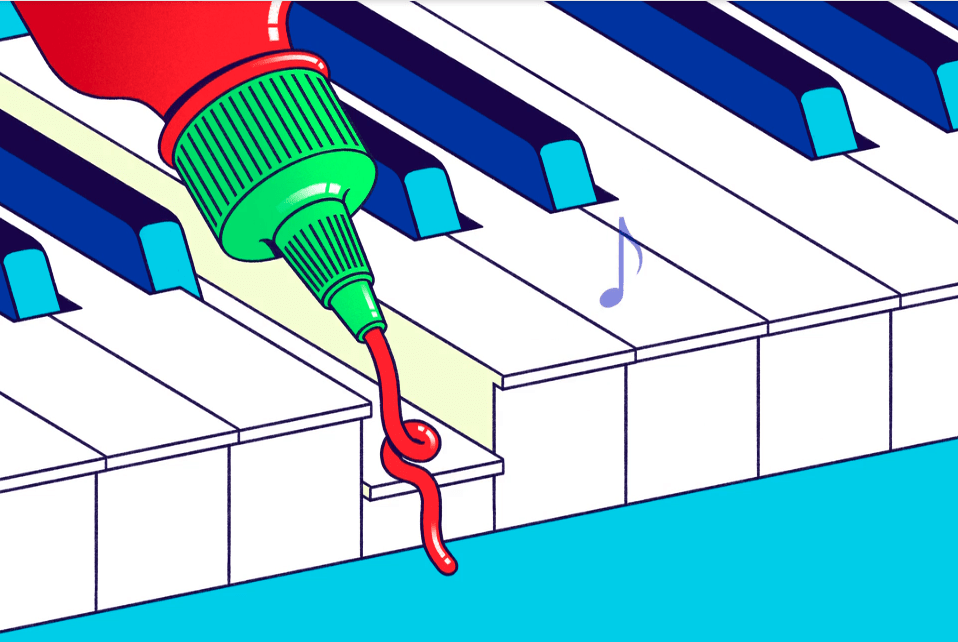
Illustration by IKOT.PH
Minh họa bởi IKOT.PH
| Original essay (written in English) | Bản dịch của bài viết (sang tiếng Việt) |
| Every day when you log on, you are flooded with information. Breaking news, drama, scandals, there’s so much for us to pay attention to. And in a world like this, we struggle to even sit for a few seconds in silence. We all worry that we’ve lost our attention spans, that we’ve lost our ability to focus. | Mỗi ngày, chỉ cần bạn mở mạng là đã bị nhấn chìm trong một biển thông tin. Tin nóng liên tục, chuyện thị phi, bê bối đủ kiểu — quá nhiều thứ tranh nhau sự chú ý của chúng ta. Trong một thế giới như vậy, ngay cả việc ngồi yên vài giây trong im lặng cũng trở nên khó khăn. Ai trong chúng ta cũng lo rằng mình đã “mất tập trung”, rằng khả năng chú ý đã không còn như trước. |
| But I’ve come to believe that that’s not quite right. We didn’t lose our attention spans. They were stolen. And it wasn’t the people who made the iPhones or invented modern algorithms who did this to us. The story is much older than that. And to begin to tell this story, we need to go all the way back to the 19th century—to New York, and the invention of the modern newspaper. | Nhưng tôi dần nhận ra rằng cách nghĩ đó chưa hẳn đúng. Chúng ta không hề đánh mất khả năng tập trung. Nó đã bị lấy đi. Và người gây ra chuyện này không phải là những người làm ra iPhone hay phát minh thuật toán hiện đại. Câu chuyện ấy đã bắt đầu từ rất lâu trước đó. Muốn kể lại câu chuyện này, ta phải quay ngược thời gian về thế kỷ 19 — về New York, nơi tờ báo hiện đại đầu tiên ra đời. |
| In his book, “The Attention Merchants”, Timothy Woo documents how advertising came to take over the world. There are a lot of villains in this story, but the first one might be a man named Benjamin Day, who was the founder of a New York newspaper called “The New York Sun”. Before Day started his paper, newspapers were treated as something for elite readers. They often cost about 6 cents per issue, which put them out of reach of most of the average New Yorkers. So, they would cater to an elite customer base—like people who needed to have the latest in business news—because they were working jobs that would make them enough money to make the investment worthwhile. They weren’t interested in reaching everybody. And that’s where Day saw an opportunity. | Trong cuốn sách “Những kẻ buôn bán sự chú ý”, Timothy Woo ghi lại cách mà quảng cáo từng bước chiếm lĩnh thế giới. Câu chuyện này có không ít “vai phản diện”, nhưng người đầu tiên có lẽ là một người đàn ông tên Benjamin Day — người sáng lập tờ báo “The New York Sun”. Trước khi Day xuất hiện, báo chí được xem là thứ dành cho tầng lớp tinh hoa. Mỗi số báo thường có giá khoảng 6 xu, một mức giá vượt quá khả năng chi trả của phần lớn người dân New York lúc bấy giờ. Vì thế, báo chí chỉ phục vụ một nhóm độc giả hạn hẹp — chẳng hạn như những người cần cập nhật tin tức kinh doanh để phục vụ công việc sinh lợi của họ. Họ không có ý định tiếp cận số đông. Và chính ở điểm đó, Day nhìn thấy cơ hội. |
| Day was a printer by trade, and he started his newspaper in order to drum up business for his printing business. He had an idea at the time, which seems radical, but in hindsight was obvious. He would sell the newspapers for a penny, which was what most New Yorkers could afford—Woo points out that this was about the cost of a lot of household items, like a bar of soap. And by selling his newspapers for a penny, he would be able to reach an entirely new and much larger customer base. | Day vốn là thợ in, và ông lập tờ báo này ban đầu chỉ để kiếm thêm khách cho xưởng in của mình. Khi ấy, ông nảy ra một ý tưởng nghe có vẻ táo bạo, nhưng nhìn lại thì hoàn toàn hợp lý: bán báo với giá chỉ một xu — mức giá mà hầu hết người dân New York đều có thể trả được. Woo chỉ ra rằng một xu khi đó tương đương giá của nhiều vật dụng sinh hoạt hằng ngày, như một bánh xà phòng. Nhờ bán báo với giá một xu, Day có thể tiếp cận một lượng độc giả hoàn toàn mới, đông đảo hơn rất nhiều |
| There was only one problem, which is that newspapers cost more than a penny to produce. He was going to lose money on every issue that he sold. | Chỉ có một vấn đề: chi phí in báo cao hơn một xu. Nghĩa là với mỗi tờ báo bán ra, Day đều bị lỗ. |
| To make up for this, Day decided that he was going to sell ads. Advertising wasn’t entirely new, but he was the first one to make it a core part of his business model. So, the penny that customers paid for their newspapers would offset the cost of production, but if he was going to make money, he would need to find advertisers, and he would need to sell a lot of copies. His real business was selling his readers’ attention to advertisers. | Để bù lại khoản đó, Day quyết định bán quảng cáo. Quảng cáo vốn không phải điều gì mới mẻ, nhưng ông là người đầu tiên biến nó thành trụ cột trong mô hình kinh doanh của mình. Một xu độc giả trả chỉ đủ bù chi phí in ấn; muốn có lãi, ông phải tìm đến các nhà quảng cáo và bán được thật nhiều báo. Công việc thực sự của Day, suy cho cùng, chính là bán sự chú ý của độc giả cho các nhà quảng cáo. |
| There’s a cliche that you used to hear on the Internet a lot, which is that: “If you’re not the customer, you’re the product”. The idea is that, if you’re not actually paying for something, then what’s probably happening is that someone is trying to take all of your attention, and your data—and whatever private information they can—wrap it up and package it, and then sell it to advertisers or corporations. | Có một câu nói sáo quen thuộc như thế này đã và đang được lan truyền rất nhiều trên Internet: “Nếu bạn không phải là khách hàng, thì bạn chính là sản phẩm.” Ý của câu này là: nếu bạn không thực sự trả tiền cho một thứ gì đó, thì rất có thể ai đó đang tìm cách thu gom sự chú ý của bạn, dữ liệu của bạn — cùng bất cứ thông tin riêng tư nào họ có thể lấy được — rồi gói ghém lại và bán cho các nhà quảng cáo hay các tập đoàn lớn. |
| But Day’s customers were both. They paid for the newspaper. They actually purchased the product, but then their attention was sold to the highest bidder. | Nhưng trong trường hợp của Day, độc giả lại vừa là khách hàng, vừa là sản phẩm. Họ bỏ tiền mua báo, nghĩa là họ thực sự mua sản phẩm. Thế nhưng cùng lúc đó, sự chú ý của họ lại được đem bán cho người trả giá cao nhất. |
| We talk so much about fake and sensationalist news, or “clickbait”, all these things that we like to complain about on the Internet. But Day’s story actually proves that none of this is new. As soon as we moved over to the ad model, we saw those problems. | Chúng ta ngày nay nói rất nhiều về tin giả, tin giật gân, hay “câu view” — những thứ mà ai lên mạng cũng hay phàn nàn. Nhưng câu chuyện của Day cho thấy một điều rất rõ: chẳng có gì trong số đó là mới mẻ cả. Ngay từ khoảnh khắc báo chí chuyển sang sống nhờ quảng cáo, những vấn đề này đã xuất hiện rồi. |
| To make his business work, Day was going to need a massive readership. And how do you get more readers? Well, you print sensationalist news that will interest a large swath of people. The very first headline that Day printed was “Melancholy Suicide”. That story was about a young man named Fred Ah Hall whose father had decided to ship him off to India in order to end a romantic relationship. In response, Hall took his own life. That story has everything. It has romance, it has family drama, and it has death. And it was a hit. The New York Sun kept doing the same thing over and over, and it was a huge success. Within a year, the newspaper was profitable, and it eventually became the largest newspaper in New York City. And soon, competition emerged. | Muốn mô hình kinh doanh của mình hoạt động, Day cần một lượng độc giả khổng lồ. Và làm sao để kéo được thật nhiều người đọc? Câu trả lời rất đơn giản: đăng những tin giật gân, đánh trúng tò mò của số đông. Dòng tít đầu tiên mà Day in lên báo là “Vụ tự sát đầy u uất”. Bài báo kể về một chàng trai trẻ tên Fred Ah Hall, bị cha gửi sang Ấn Độ để chấm dứt một mối tình. Để phản ứng lại, Hall đã tự kết liễu đời mình. Câu chuyện ấy có đủ mọi yếu tố: tình yêu, bi kịch gia đình, và cái chết. Và nó gây sốt. The New York Sun cứ lặp đi lặp lại công thức đó, và thành công vang dội. Chỉ trong vòng một năm, tờ báo đã có lãi, rồi dần trở thành tờ báo lớn nhất New York. Và chẳng bao lâu sau, các đối thủ cũng bắt đầu xuất hiện. |
| So, we had a proof of concept. The advertising model worked, or at least it worked if we mean it could make you a lot of money. Other people saw that the model was working, and they started copying what Day was doing. Newspapers were doing whatever they could to grab their readers’ attention. They would tell more and more sensationalist stories. They actually invented “court reporting”—sending a reporter to a courtroom—and they did that so that they could just find dramatic stories and salacious tales to print in the next day’s newspaper. Sometimes they would even start fights—editors or writers in one newspaper would start criticizing editors and writers at another newspaper. And this drama seemed to be good for everybody. No matter what, everyone just kept selling more copies. If you spend enough time online and see creators’ drama or whatever, you can see that we still live through this today. | Vậy là đã có một “bằng chứng thực tế”. Mô hình quảng cáo này hoàn toàn hoạt động ổn — ít nhất là nếu hiểu “hoạt động” theo nghĩa: kiếm được rất nhiều tiền. Thấy mô hình này thành công, những người khác bắt đầu sao chép cách làm của Day. Các tờ báo làm mọi cách để giành giật lấy sự chú ý của độc giả. Họ đăng ngày càng nhiều tin giật gân hơn. Họ thậm chí còn “phát minh” ra công việc tường thuật phiên tòa — cử phóng viên đến phòng xử án — chỉ để săn tìm những câu chuyện kịch tính, những chi tiết gây sốc, rồi in lên báo ngày hôm sau. Đôi khi, họ còn chủ động châm ngòi cho xung đột: biên tập viên hay phóng viên của báo này công kích báo khác. Và những màn đấu đá ấy lại mang về lợi ích cho tất cả. Bất chấp mọi thứ, số lượng báo bán ra vẫn cứ tăng. Nếu bạn dành đủ thời gian trên mạng và chứng kiến những drama của các nhà sáng tạo nội dung ngày nay, bạn sẽ thấy: chúng ta vẫn đang sống trong đúng vòng lặp đó. |
| And eventually, The Sun just started printing fake news, like real fake news. They just made up stories. But the most striking example that Woo gives in his book is a five-part series about an astronomer who claimed to have found life on the moon. This included descriptions of the life that he had observed through his telescope, and that included things like unicorns and like half-man-half-bat hybrids. This was printed like a real scientific discovery and it was a huge hit. The Sun sold every copy that they printed. Of course, there is no life on the moon. Day would have known that, too. But he was willing to print fake news, because it was good for his business. | Cuối cùng, The Sun thậm chí còn bắt đầu đăng tin giả — tin giả đúng nghĩa, hoàn toàn bịa đặt. Ví dụ gây ấn tượng mạnh nhất mà Woo nêu trong sách là một loạt bài năm kỳ về một nhà thiên văn học tuyên bố đã phát hiện sự sống trên Mặt Trăng. Các bài báo mô tả chi tiết những sinh vật mà ông ta “quan sát” được qua kính thiên văn, nào là kỳ lân, nào là những sinh vật nửa người nửa dơi. Tất cả được trình bày như một phát hiện khoa học nghiêm túc — và nó tạo nên cơn sốt. The Sun bán sạch mọi số báo in ra. Dĩ nhiên, trên Mặt Trăng không hề có sự sống. Day cũng thừa biết điều đó. Nhưng ông vẫn sẵn sàng đăng tin giả, vì nó có lợi cho việc làm ăn. |
| So, we had another proof of concept. Fake news sells. Who cares if it’s true? It all seems really familiar, right? | Và thế là ta có thêm một “bằng chứng” nữa: tin giả bán rất chạy. Đúng hay sai có quan trọng gì đâu? Nghe quen lắm, phải không? |
| That’s the very first story that Woo talks about in his book. What he’s given us really is a history of advertising, and a history of “the attention economy”. | Đó là câu chuyện đầu tiên mà Woo kể trong cuốn sách của mình. Thực chất, điều ông mang đến cho chúng ta là cả một lịch sử của ngành quảng cáo, và rộng hơn nữa là lịch sử của “nền kinh tế của sự chú ý”. |
| In English, we love to use money as a metaphor. We say that if you did me a favor, I would say that “I owe you one”. Literally, I’m saying “I am now in your debt”. We “spend” time. We “invest” in ourselves. If we want to say that someone is an honorable man, we say that “He’s a man who pays his debts”. We use money to make sense of the world. And this extends to how we think about attention, too. We say that we “pay” attention. Attention becomes a currency that we can spend. And we want to make sure that we’re getting our money’s worth. | Trong tiếng Anh, chúng ta rất hay dùng tiền bạc như một phép ẩn dụ. Khi ai đó giúp tôi một việc, tôi sẽ nói: “Tôi nợ bạn một lần” — theo nghĩa đen là “giờ tôi đang mắc nợ bạn”. Chúng ta “tiêu” thời gian. Chúng ta “đầu tư” vào bản thân. Khi muốn nói một người là người đáng kính, ta nói rằng: “Anh ấy là người biết trả nợ”. Chúng ta dùng tiền để lý giải thế giới xung quanh mình. Và cách nghĩ đó cũng mở rộng sang cả sự chú ý. Chúng ta nói rằng mình “trả” sự chú ý. Sự chú ý trở thành một loại tiền tệ mà ta có thể đem ra sử dụng. Và dĩ nhiên, ta luôn muốn chắc chắn rằng mình nhận lại được giá trị xứng đáng với “đồng tiền” đã bỏ ra. |
| This is sort of an economic model of attention. We think of our attention as a finite resource, and corporations, and media conglomerates, and writers, and even content creators—or maybe especially content creators—do whatever they can to extract that resource, and use it for their own ends. Attention becomes a commodity. But as with everything that turns into a commodity, we eventually lose respect for it. | Có thể xem đây như một mô hình kinh tế của sự chú ý. Chúng ta coi sự chú ý của mình là một nguồn lực hữu hạn, và các tập đoàn, đế chế truyền thông, nhà văn, thậm chí cả những người làm nội dung — và nhất là những người làm nội dung — tìm mọi cách để khai thác nguồn lực ấy, rồi sử dụng nó cho mục đích riêng. Sự chú ý dần trở thành một loại hàng hóa. Mà đã là hàng hóa thì sớm muộn gì chúng ta cũng thôi trân trọng nó. |
| This is why I think when people talk about attention online, it’s always linked to “productivity” or “deep work”. They want to pay attention so that they can do more, so that they can make more money. And I think that misses the point. But we’ll talk about that a little bit later. | Có lẽ vì vậy mà mỗi khi người ta nói về sự chú ý trên mạng, nó thường được gắn liền với “năng suất” hay “làm việc sâu”. Người ta muốn tập trung để làm được nhiều việc hơn, để kiếm được nhiều tiền hơn. Theo tôi, cách nghĩ đó đã lạc hướng. Nhưng chuyện này ta sẽ quay lại sau. |
| And now we talk about “the attention economy”. And people like Benjamin Day get very rich by stealing our attention. And we experience this on a whole new scale. | Giờ đây, chúng ta nói về “nền kinh tế sự chú ý”. Và những người như Benjamin Day đã trở nên cực kỳ giàu có bằng cách đánh cắp sự chú ý của chúng ta. Ngày nay, hiện tượng này diễn ra ở một quy mô hoàn toàn mới. |
| The economic commentator Kyla Scanlon points out that the entire modern economy essentially runs on attention. And people are aware of this fact, and they do whatever they can to hijack our attention for economic gain. Part of the problem is massive corporate consolidation. More and more local news stations are owned by fewer and fewer companies. Nexstar Media Group owns 197 local news stations, and the second largest conglomerate is Sinclair Broadcasting—they own 193 stations. And because they own those stations, they can decide what people pay attention to. | Nhà bình luận kinh tế Kyla Scanlon chỉ ra rằng, gần như toàn bộ nền kinh tế hiện đại vận hành dựa trên sự chú ý. Mọi người đều ý thức được điều đó, và họ làm đủ mọi cách để chiếm đoạt sự chú ý của chúng ta nhằm thu lợi kinh tế. Một phần lớn của vấn đề nằm ở sự tập trung quyền lực khổng lồ của các tập đoàn. Ngày càng nhiều đài tin tức địa phương rơi vào tay ngày càng ít công ty. Tập đoàn Nexstar Media Group sở hữu 197 đài tin tức địa phương, còn tập đoàn lớn thứ hai là Sinclair Broadcasting nắm 193 đài. Và khi đã sở hữu các đài này, họ có quyền quyết định người dân sẽ chú ý đến điều gì |
| There’s an idea in media theory that’s called “agenda setting”. It’s a little bit related to something called “The Overton Window”, but it’s different. The idea is that media institutions are not very good at telling us what to think. The idea that the media are able to just brainwash the population doesn’t seem to really work. But they are really good at telling people what to think about. In other words, they get to set the agenda. If you’ve been to a meeting that has a formal agenda, you know just how powerful this is. Someone who runs a meeting and who gets to set the agenda doesn’t always get to control the outcomes of that meeting. They don’t get to decide what everyone else in that room decides on, but they do get to control the options. They get to control what’s on the table and off the table. If something’s not on the agenda, it’s not even up for debate. And if a few corporations control what is being broadcast into everybody’s homes, then they get to set the agenda, too. | Trong lý thuyết truyền thông có một khái niệm gọi là “thiết lập chương trình nghị sự”. Nó có liên quan đôi chút đến “Cửa sổ Overton”, nhưng không hoàn toàn giống nhau. Ý tưởng cốt lõi là: các tổ chức truyền thông không giỏi trong việc bảo người ta phải nghĩ gì. Quan niệm rằng truyền thông có thể dễ dàng “tẩy não” cả xã hội dường như không thực sự đúng. Nhưng họ lại cực kỳ giỏi trong việc quyết định người ta sẽ nghĩ về điều gì. Nói cách khác, họ là người đặt ra chương trình nghị sự. Nếu bạn từng tham dự một cuộc họp có chương trình làm việc rõ ràng, bạn sẽ hiểu sức mạnh của việc này lớn đến mức nào. Người chủ trì cuộc họp, người được quyền đặt ra chương trình, không nhất thiết kiểm soát được kết quả cuối cùng. Họ không quyết định được mọi người trong phòng sẽ chọn phương án nào, nhưng họ kiểm soát được các lựa chọn. Họ quyết định cái gì được đưa lên bàn, cái gì bị gạt ra ngoài. Thứ gì không có trong chương trình thì thậm chí còn không được đem ra bàn luận. Và nếu chỉ một vài tập đoàn kiểm soát những gì được phát sóng vào từng ngôi nhà, thì họ cũng chính là người đặt ra chương trình nghị sự cho xã hội. |
| But that doesn’t really quite work online. We think of the Internet as a much more democratized space where anybody could log on—and they could make a YouTube account, or a Twitter account, or a Blue Sky account—and they could just start talking. They could start trying to set the agenda themselves. | Tuy nhiên, điều đó lại không hoàn toàn đúng với môi trường mạng. Chúng ta thường nghĩ Internet là một không gian dân chủ hơn nhiều, nơi bất kỳ ai cũng có thể đăng nhập — mở một tài khoản YouTube, Twitter hay BlueSky — rồi bắt đầu lên tiếng. Họ có thể tự mình cố gắng đặt ra chương trình nghị sự theo cách của riêng họ. |
| But the Internet economy runs on the same incentives that led Benjamin Day to start printing fake news or drama content. I mean, if you’re online enough, you will inevitably see creators start picking fights with each other. And the dirty little secret about those fights is that nobody loses. Everybody, almost every single time, everybody gets richer. That’s because drama turns into views, views turns into ads, and ads turn into revenue. | Nhưng nền kinh tế Internet ngày nay vẫn vận hành dựa trên đúng những động lực đã từng khiến Benjamin Day in tin giả và nội dung gây kịch tính. Chỉ cần bạn online đủ nhiều, sớm muộn gì bạn cũng sẽ thấy các nhà sáng tạo nội dung công kích, gây hấn với nhau. Và bí mật nho nhỏ nhưng khá “bẩn” đằng sau những màn đấu đá ấy là: không ai thua cả. Gần như lần nào cũng vậy, ai cũng giàu lên. Bởi vì drama sinh ra lượt xem, lượt xem kéo theo quảng cáo, và quảng cáo thì chuyển hóa thành tiền. |
| But on top of that, we’re seeing corporate consolidation come to places like YouTube as well. Private equity firms have started to buy YouTube channels, and that means they could, in theory, control what is being broadcast on some of the biggest YouTube channels on this platform. | Không chỉ vậy, chúng ta còn đang chứng kiến sự tập trung quyền lực của các tập đoàn lan sang cả những nền tảng như YouTube. Các quỹ đầu tư tư nhân đã bắt đầu mua lại các kênh YouTube, và điều đó đồng nghĩa với việc — ít nhất là trên lý thuyết — họ có thể kiểm soát nội dung được phát đi trên một số kênh lớn nhất của nền tảng này. |
| Another factor that Scanland points out is bots. Bots are flooding every part of the Internet, and has only gotten worse because of the rise of generative AI. According to one recent article in Axios, over half of the new articles on the Internet are at least partially AI-generated. And if you spend enough time on any social media platform, or just check the YouTube comments, you have almost certainly read stuff, or maybe even interacted with stuff that was written by some AI bot. | Một yếu tố khác mà Scanlon nhấn mạnh là bot. Bot đang tràn ngập mọi ngóc ngách của Internet, và tình hình chỉ tệ hơn kể từ khi trí tuệ nhân tạo tạo sinh bùng nổ. Theo một bài viết gần đây của Axios, hơn một nửa số bài viết mới trên Internet hiện nay có ít nhất một phần do AI tạo ra. Và nếu bạn dành đủ thời gian trên bất kỳ mạng xã hội nào, hoặc chỉ cần đọc phần bình luận trên YouTube, gần như chắc chắn bạn đã từng đọc — thậm chí tương tác — với những nội dung do bot AI viết ra. |
| Sometimes sophisticated bot networks will start spamming channels—usually they’re promoting people like finance gurus. I’ve gotten a few that were for self-published authors. I’ve get a hundred comments in a row all telling me I needed to read a certain book. And sometimes, of course, it’s just crypto scams. I spend a lot of time banning bots on this channel, and I know I haven’t caught them all. | Đôi khi, các mạng bot tinh vi sẽ tràn vào bình luận của các kênh — thường là để quảng bá những “chuyên gia tài chính”. Tôi cũng từng gặp không ít trường hợp quảng cáo cho các tác giả tự xuất bản. Có lúc, tôi nhận hàng trăm bình luận liên tiếp, tất cả đều bảo tôi phải đọc một cuốn sách nào đó. Và tất nhiên, không ít lần đó chỉ là lừa đảo tiền mã hóa. Tôi dành rất nhiều thời gian để chặn bot trên kênh này, và tôi biết chắc mình vẫn chưa bắt được hết. |
| Sometimes people or corporations or governments try to use bots to set the agenda. They try to get a talking point sort of into the discourse, but I don’t think that works very often. People seem to be a little bit suspicious of bots, and I think that makes them less effective for agenda setting. | Đôi khi, cá nhân, tập đoàn hay thậm chí chính phủ cũng cố gắng dùng bot để “đặt chương trình nghị sự” — họ muốn đẩy một luận điểm nào đó vào dòng thảo luận chung. Nhưng tôi không nghĩ cách này hiệu quả mấy. Mọi người dường như ngày càng cảnh giác với bot, và điều đó khiến chúng kém tác dụng hơn trong việc dẫn dắt câu chuyện. |
| But what bots are really good at doing is just flooding everything. They can fill up any feed on any social media platform with tons of junk. And so while they’re not deciding what exactly you’re going to pay attention to, they can try to distract you from something they don’t want you to pay attention to. And if there are enough bots, and the algorithms are just right, they can get us to not pay attention to anything at all. In this case, it’s someone trying to gain some kind of advantage, because they want to keep you distracted. | Thứ mà bot làm giỏi nhất, thực ra, là làm ngập mọi thứ. Chúng có thể lấp đầy bảng tin của bất kỳ nền tảng mạng xã hội nào bằng một đống rác thông tin. Vì vậy, dù chúng không trực tiếp quyết định bạn sẽ chú ý đến điều gì, chúng lại có thể khiến bạn xao nhãng khỏi những thứ mà ai đó không muốn bạn chú ý tới. Và khi bot đủ nhiều, thuật toán đủ “đúng bài”, chúng có thể khiến chúng ta chẳng còn chú ý đến bất cứ điều gì. Trong trường hợp này, có ai đó đang tìm cách giành lợi thế, bằng cách giữ bạn trong trạng thái bị phân tâm liên tục. |
| See, this is what I mean when I say that we didn’t just lose our attention spans. They were stolen from us. | Đó chính là điều tôi muốn nói khi khẳng định rằng: chúng ta không chỉ đơn giản là đánh mất khả năng tập trung. Nó đã bị đánh cắp khỏi tay chúng ta. |
| George Orwell actually writes about this in 1984. There’s a department in the “Ministry of Truth” that generates essentially mass-produced crap that the proles (short for “proletariat”) are going to read, or consume, or watch. And it doesn’t really matter what the content is. They don’t care about that. What they’re just trying to do is keep the proles distracted enough—and maybe just happy enough—that they never have to worry about an uprising, or a revolution. | George Orwell thực ra đã viết về điều này trong 1984. Trong “Bộ Sự Thật” có một phòng ban chuyên sản xuất hàng loạt những thứ rác rưởi để tầng lớp prole (viết tắt của vô sản) đọc, xem hoặc tiêu thụ. Nội dung là gì cũng chẳng quan trọng. Họ không hề bận tâm. Điều duy nhất họ muốn là giữ cho tầng lớp này đủ bận rộn — và có lẽ đủ vui vẻ — để họ chẳng bao giờ phải nghĩ đến chuyện nổi dậy hay cách mạng. |
| Governments try to do this. Traditional corporations know how to do this. But you know who’s really good at hijacking our attention? It’s Silicon Valley. | Các chính phủ cố gắng làm điều đó. Các tập đoàn truyền thống biết cách làm điều đó. Nhưng bạn biết ai mới là kẻ giỏi nhất trong việc chiếm đoạt sự chú ý của chúng ta không? Chính là Thung lũng Silicon. |
| There’s this new AI startup called Cluely. Their motto is that they will “help you cheat on everything”. This is also part of their origin story. The founder of Cluely got kicked out of Colombia because he was cheating in interviews and he admitted it to it. It’s part of his brand at this point. This is a bad product. I would encourage you not to use it. Even if it worked, I would just say you should not want to cheat on everything. You should have more respect for yourself than these corporations have for you. | Gần đây có một công ty khởi nghiệp về AI tên là Cluely. Khẩu hiệu của họ là “giúp bạn gian lận trong mọi thứ”. Điều này cũng gắn liền với câu chuyện khởi nguồn của họ: người sáng lập Cluely bị đuổi khỏi Đại học Columbia vì gian lận trong các buổi phỏng vấn, và anh ta còn công khai thừa nhận điều đó. Giờ thì nó gần như trở thành thương hiệu cá nhân của anh ta luôn rồi. Đây là một sản phẩm tệ. Tôi thực sự khuyên bạn đừng dùng. Ngay cả nếu nó có hiệu quả, thì tôi vẫn nghĩ bạn không nên muốn gian lận trong mọi thứ. Bạn nên tôn trọng bản thân mình hơn là cách các tập đoàn này tôn trọng bạn. |
| But Cluely is remarkable for one reason, and that is they are very very good at going viral. In fact, if you look at how they behave on Twitter, or Tik Tok, or wherever, you’ll see that it looks like all of their energy is devoted to going viral. From what I’ve heard from people who have tried to use Cluely, it actually really is bad. And maybe they should focus more on building something that works. | Nhưng Cluely có một điểm rất đáng chú ý: họ cực kỳ giỏi trong việc làm cho mình trở nên lan truyền. Chỉ cần nhìn cách họ hoạt động trên Twitter, TikTok hay bất kỳ nền tảng nào khác, bạn sẽ thấy gần như toàn bộ năng lượng của họ đều dồn vào việc “lên xu hướng”. Theo những gì tôi nghe từ những người đã thử dùng Cluely, sản phẩm này thực sự rất dở. Có lẽ họ nên tập trung nhiều hơn vào việc làm ra thứ gì đó dùng được. |
| But whatever they’re doing when it comes to getting attention is working. They have a mascot that looks suspiciously like a furry. I’m pretty sure that was intentional. They threw a $ 1.5 million rave as a promo. And their employees buy expensive cars, like really expensive cars, just to show them off on Twitter to get people angry because again, if you’re angry, you’re paying attention. And they hire influencers on places like TikTok to create user generated content that’s supposed to sound really natural, but really it’s a hidden advertisement for Cluely. The founders of Cluely understand that attention is power—and they aren’t the only ones. | Dù vậy, cách họ thu hút sự chú ý thì rõ ràng là đang phát huy tác dụng. Họ có một linh vật trông rất giống furry — tôi khá chắc đó là cố ý. Họ tổ chức một bữa tiệc rave trị giá 1,5 triệu đô để quảng bá. Nhân viên của họ mua những chiếc xe cực kỳ đắt tiền, chỉ để khoe trên Twitter nhằm chọc cho người khác tức giận — mà đã tức giận thì tức là đang chú ý. Họ còn thuê các influencer trên TikTok tạo nội dung “do người dùng làm ra”, nghe thì rất tự nhiên nhưng thực chất là quảng cáo trá hình cho Cluely. Những người sáng lập Cluely hiểu rất rõ rằng sự chú ý chính là quyền lực — và họ không phải là những người duy nhất hiểu điều đó. |
| Do you know who the CEO of General Electric is or Ford? Do you even know who the CEO of Nvidia is? I mean, some of you might, but I think most of you probably don’t. But you do know that Elon Musk is the owner of Twitter and Tesla and SpaceX. You know who Sam Alman is because he’s the CEO of Open AI. These guys aren’t just CEOs, they’re personalities, and they play out their drama for us on all of our screens. And I think they do this intentionally. They do this so that they can attract attention. If they can become characters that are in a drama that lives in our mind, then we might actually check out their products, check out their businesses, and you know, use their AI crap. Every time they get you to pay attention, there is a small chance that you will convert to a paying customer so that they will make more money. | Bạn có biết CEO của General Electric hay Ford là ai không? Bạn có biết CEO của Nvidia là ai không? Có thể một vài người trong số các bạn biết, nhưng tôi nghĩ phần lớn là không. Nhưng bạn thì biết Elon Musk là ông chủ của Twitter, Tesla và SpaceX. Bạn biết Sam Altman vì ông ấy là CEO của OpenAI. Những người này không chỉ là CEO — họ là những “nhân vật”. Và họ phơi bày drama của mình trước mắt chúng ta, trên mọi màn hình. Tôi nghĩ họ làm vậy một cách có chủ đích. Họ làm thế để thu hút sự chú ý. Nếu họ trở thành những nhân vật trong một vở kịch sống trong đầu chúng ta, thì rất có thể chúng ta sẽ tò mò tìm hiểu sản phẩm của họ, công ty của họ, và rồi sử dụng mấy thứ AI linh tinh của họ. Mỗi lần họ khiến bạn chú ý, là mỗi lần có một khả năng nhỏ rằng bạn sẽ trở thành khách hàng trả tiền — và họ lại kiếm thêm được tiền. |
| What we are involved in is an attention arms race. Attention is a finite resource. Everybody wants to get it and they want to sell it to make a profit. In 2025, we are projected to spend $455 billion on advertising in the United States alone. That is 20 times larger than the budget for NASA. The amount of money that we spend to send rockets into space and to explore the universe is dwarfed by the amount of money that corporations spend to try and get your attention. | Thứ chúng ta đang tham gia vào thực chất là một cuộc chạy đua vũ trang về sự chú ý. Sự chú ý là một nguồn lực hữu hạn. Ai cũng muốn giành lấy nó, rồi đem bán để kiếm lời. Riêng trong năm 2025, nước Mỹ được dự đoán sẽ chi tới 455 tỷ đô la cho quảng cáo. Con số này lớn gấp 20 lần ngân sách của NASA. Số tiền mà chúng ta bỏ ra để phóng tên lửa lên không gian và khám phá vũ trụ còn nhỏ bé hơn rất nhiều so với số tiền các tập đoàn chi để giành lấy sự chú ý của bạn. |
| Our city streets are filled with ads. Even the T-shirts we wear are ads. And every time we get on the Internet, we are flooded with ads. | Đường phố đầy rẫy quảng cáo. Ngay cả chiếc áo thun chúng ta mặc cũng có thể là quảng cáo. Và mỗi lần chúng ta lên Internet, chúng ta lại bị nhấn chìm trong quảng cáo. |
| But people do try to resist. Back in 2015, Doc Searls called the mass adoption of Adblock “the largest consumer boycott in history.” But it’s very hard to block ads on an app or on a mobile device. And that’s by design. The attention economy comes for us all, whether we like it or not. | Nhưng con người cũng không hoàn toàn cam chịu. Năm 2015, Doc Searls từng gọi việc người dùng ồ ạt cài trình chặn quảng cáo là “cuộc tẩy chay của người tiêu dùng lớn nhất trong lịch sử”. Tuy vậy, việc chặn quảng cáo trên ứng dụng hay thiết bị di động lại cực kỳ khó — và điều đó là có chủ ý. Nền kinh tế sự chú ý không chừa một ai, dù ta có muốn hay không. |
| Earlier, I pointed out that we think about attention a lot like we think about money. We say that we’re “paying” attention. But there’s another way that we could talk about attention. Instead of saying that we’re paying attention, we could say that we’re “attending”. That sounds a little old-fashioned, but I like that way of talking because “attending” has another meaning. A meaning that I think is related to attention. Because when you attend to something, it means that you care about it. You’re taking care of it. | Trước đó, tôi đã nói rằng chúng ta thường nghĩ về sự chú ý giống như cách ta nghĩ về tiền bạc. Ta nói rằng mình đang “trả” sự chú ý. Nhưng thật ra, ta hoàn toàn có thể nói về sự chú ý theo một cách khác. Thay vì nói “trả sự chú ý”, ta có thể nói là mình đang “chăm chú”, hay “chuyên tâm”. Nghe có vẻ hơi cổ, nhưng tôi rất thích cách diễn đạt này, vì “chăm chú” còn mang một tầng nghĩa khác — một tầng nghĩa mà tôi cho là gắn liền với bản chất của sự chú ý. Khi bạn chăm chú vào điều gì đó, nghĩa là bạn quan tâm đến nó. Bạn đang chăm sóc nó. |
| In the attention economy, everyone is trying to do their best to make you care about something. That’s the whole point of advertising. It creates a desire within you, and then it makes a promise that if you spend enough money, you will be able to fulfill that desire. But we don’t have to think this way. This is a choice. | Trong nền kinh tế sự chú ý, ai cũng cố hết sức để khiến bạn quan tâm đến một điều gì đó. Đó chính là mục tiêu của quảng cáo. Nó khơi dậy trong bạn một ham muốn, rồi hứa hẹn rằng nếu bạn bỏ ra đủ tiền, bạn sẽ thỏa mãn được ham muốn ấy. Nhưng chúng ta không buộc phải nhìn mọi thứ theo cách đó. Đây là một lựa chọn. |
| Simone Weil was a French philosopher in the 20th century. She’s a little bit hard to categorize. Sometimes people call her an existentialist. She’s something like a Christian mystic. She did a lot of stuff. In her book, “Gravity and Grace”, she devotes a few pages just to the subject of attention. And I think that the way that Weil thinks about attention is a helpful alternative to our economic model. Weil writes that: | Simone Weil là một triết gia người Pháp thế kỷ 20. Bà là một nhân vật khá khó xếp loại. Có người gọi bà là nhà hiện sinh, có người xem bà như một nhà huyền nhiệm Kitô giáo. Bà làm rất nhiều thứ. Trong cuốn “Trọng lực và Ân sủng”, bà dành hẳn vài trang chỉ để bàn về sự chú ý. Và tôi nghĩ cách Weil nhìn nhận sự chú ý mang đến một lựa chọn khác, đối lập với mô hình kinh tế mà ta vẫn quen dùng. Weil viết: |
| “Attention, taken to its highest degree, is the same thing as prayer. It presupposes faith in love.” | “Sự chú ý, khi đạt đến mức cao nhất, chính là cầu nguyện. Nó đòi hỏi niềm tin vào tình yêu.” |
| I think the most important part there is the last word-love. Real attention, Weil is saying, presupposes that we care about the thing that we’re attending to. If you don’t really care about it, you can’t really pay attention to it. | Theo tôi, từ quan trọng nhất trong câu này là từ cuối cùng — tình yêu. Sự chú ý thật sự, như Weil nói, đòi hỏi rằng ta phải quan tâm đến điều mình đang hướng tới. Nếu bạn không thực sự quan tâm, bạn không thể thực sự chăm chú. |
| See, even there I caught myself slipping. I said “pay” attention when I really want to say attending. | Thấy không, ngay cả ở đây tôi cũng tự bắt lỗi mình: tôi suýt nữa lại nói “trả” sự chú ý, trong khi điều tôi muốn nói là “chăm chú”. |
| I like that a lot because it means that when we get distracted by things throughout our day, when ads pop up on our phones or we get those notifications that we know we should ignore, we can say that we’re not really paying attention. They’re trying to offer us some fake alternative to attention instead. We’ve replaced real attention with something that is fake and easily monetized. | Tôi rất thích cách hiểu đó, vì nó cho thấy rằng khi chúng ta bị xao nhãng suốt ngày, khi quảng cáo bật lên trên điện thoại hay những thông báo mà ta biết là nên bỏ qua cứ liên tục xuất hiện, thì có thể nói rằng: chúng ta không hề chăm chú. Thứ mà chúng đang đưa ra chỉ là một sự thay thế giả tạo cho sự chú ý. Chúng ta đã thay thế sự chú ý chân thật bằng một thứ giả mạo, dễ bị khai thác và dễ bị đem ra kiếm tiền. |
| If we think about attention in terms of economics, then attention is just another thing that we buy, sell, and trade. If we think about attention in terms of love, though, it becomes something very different. We can think about whether or not we should love this thing, or if we really love this thing. We can ask ourselves if by loving this thing, we’re actually showing respect for ourselves. We can ask if this thing we’re paying attention to is good for us. | Nếu ta nhìn sự chú ý dưới góc độ kinh tế, thì nó chỉ là thêm một thứ để mua bán, trao đổi. Nhưng nếu ta nhìn sự chú ý bằng lăng kính của tình yêu, thì nó trở thành một điều hoàn toàn khác. Ta có thể tự hỏi: liệu mình có nên dành tình cảm cho thứ này không? Liệu mình có thật sự yêu nó không? Khi ta yêu và dồn sự chú ý vào điều này, ta có đang tôn trọng chính bản thân mình hay không? Thứ mà ta đang chăm chú tới có thực sự tốt cho mình không? |
| It’s like being in a relationship. And right now, we are in a relationship with advertisers and corporations, but I don’t think it’s a healthy one. We should want something better for ourselves and for each other. | Nó giống như một mối quan hệ. Và hiện tại, chúng ta đang ở trong một mối quan hệ với các nhà quảng cáo và các tập đoàn lớn — nhưng tôi không nghĩ đó là một mối quan hệ lành mạnh. Chúng ta xứng đáng với điều gì đó tốt hơn, cho bản thân mình và cho cả nhau nữa. |
| Does that solve all of our problems? No. But a video like this can’t solve all of your problems. But I think thinking about it this way might be a start. ■ | Cách nghĩ này có giải quyết được mọi vấn đề không? Không. Một video như thế này cũng không thể giải quyết hết mọi vấn đề của bạn. Nhưng tôi tin rằng, suy nghĩ theo hướng đó có thể là một điểm khởi đầu. ■ |
| by Jared Henderson (@_jared) | tác giả: Jared Henderson (@_jared) |
| Philosophy for the modern world. | Triết học cho thế giới hiện đại. |
| November 18, 2025 | ngày 18.11.2025 |
| Tập Đọc (literally means “Reading Together”) is a bilingual English-Vietnamese magazine featuring new word annotations, translations, spoken word versions (audio articles), and a free vocabulary list for the community. The project has been maintained since 2020 and has published over 100 issues to date. | Tập Đọc là một tạp chí song ngữ Tiếng Anh – Tiếng Việt, với chú thích từ mới, cung cấp bản dịch, phiên bản bài đọc nói (báo tiếng), và danh sách từ mới miễn phí cho cộng đồng. Dự án được duy trì từ năm 2020 đến nay, hiện đã ra trên 100 số. |
| Readers should be advised that the articles published in Tập Đọc do not necessarily reflect the views, attitudes, and perspectives of the editors. Readers are encouraged to form their own opinions and evaluations through a dialogue between themselves and the authors during their reading process. Only reading writers with whom one agrees is akin to only engaging in conversations with those who compliment you: it’s comfortable, but dangerous. | Các bài viết được đăng trên Tập Đọc không nhất thiết phản ánh quan điểm, thái độ và góc nhìn của người biên tập. Người đọc nên hình thành quan điểm và đánh giá của riêng mình trong cuộc đối thoại giữa bản thân người đọc và tác giả, trong quá trình đọc bài của riêng mình. Việc chỉ đọc những người viết mà ta đồng ý cũng giống như chỉ chịu nói chuyện với những ai khen mình vậy: dễ chịu, nhưng nguy hiểm. |
| If you wish to support any of my projects, I would be profoundly grateful. Any support, no matter how small, will be significantly meaningful in helping me stay motivated or continue these non-profit efforts. | Nếu bạn muốn ủng hộ bất cứ dự án nào của mình, mình xin rất biết ơn. Mọi sự ủng hộ, dù nhỏ, đều sẽ rất có ý nghĩa trong việc giúp mình có động lực, hoặc có khả năng tiếp tục các công việc phi lợi nhuận này. |
| Please send your support to account number: 0491 0000 768 69. Account holder: Nguyễn Tiến Đạt, Vietcombank, Thăng Long branch. | Mọi ủng hộ xin gửi về số tài khoản: 0491 0000 768 69. Chủ tài khoản: Nguyễn Tiến Đạt, ngân hàng Vietcombank, chi nhánh Thăng Long. |

| Da Nang, Friday, December 19, 2025 Dat Nguyen | Đà Nẵng, thứ Sáu, ngày 19.12.2025 Nguyễn Tiến Đạt (sutucon) |

Bạn có thể tải miễn phí bộ học liệu được xây dựng từ bài đọc này tại đây:
https://drive.google.com/drive/folders/1VtcyBDbPEQHBNEOJ97lpfNmy6hCbZezA?usp=sharing
BẢNG CHÚ THÍCH TỪ MỚI
| STT | Từ | Nghĩa tiếng Anh | Nghĩa tiếng Việt | Câu ví dụ |
|---|---|---|---|---|
| 1 | (be) flooded with something | to receive too much of something at the same time | bị tràn ngập bởi thứ gì đó | When we log on, we are flooded with information from news, drama, and scandals. |
| 2 | breaking news | very recent and urgent news | tin nóng, tin vừa xảy ra | Social media constantly pushes breaking news to grab our attention. |
| 3 | attention span | the length of time someone can concentrate | khả năng tập trung (trong bao lâu) | Many people worry that their attention span has become shorter. |
| 4 | algorithm | a set of rules used by computers to decide what content to show | thuật toán | Online platforms use algorithms to decide what we see. |
| 5 | founder | a person who starts an organisation or company | người sáng lập | Benjamin Day was the founder of The New York Sun. |
| 6 | elite | a small, powerful, or wealthy group | tầng lớp tinh hoa | Newspapers used to be written only for elite readers. |
| 7 | issue (newspaper/magazine) | one copy of a newspaper or magazine | một số báo / tạp chí | Each issue of the newspaper originally cost six cents. |
| 8 | New Yorker | a person who lives in New York City | người New York | Six cents was too expensive for most New Yorkers at the time. |
| 9 | customer base | the group of people who buy a product | tệp khách hàng | Day wanted to reach a much larger customer base. |
| 10 | by trade | as one’s main job or profession | theo nghề nghiệp | Benjamin Day was a printer by trade. |
| 11 | drum up business | to attract customers or increase sales | thu hút khách hàng | He started the paper to drum up business for his printing shop. |
| 12 | radical | very new and different from what is normal | táo bạo, cấp tiến | Selling newspapers for one penny was a radical idea. |
| 13 | in hindsight | looking back after something has happened | nhìn lại sau này | In hindsight, the idea seems obvious. |
| 14 | afford | to have enough money to buy something | có đủ tiền để mua | Most people could afford a penny newspaper. |
| 15 | household item | an object used in the home | đồ dùng gia đình | A penny cost about the same as a household item like soap. |
| 16 | make up for something | to compensate for a loss or problem | bù đắp cho | Advertising helped make up for the money he lost. |
| 17 | offset | to balance the effect of something | bù lại, cân bằng | The penny price helped offset production costs. |
| 18 | cliché | a phrase or idea used too often | sáo ngữ | “If you’re not the customer, you’re the product” is a common cliché. |
| 19 | fake news | false information presented as news | tin giả | Newspapers learned early that fake news could sell well. |
| 20 | sensationalist news | news designed to shock or excite people | tin giật gân | Sensationalist news was used to attract readers. |
| 21 | clickbait | online content that uses shocking titles to get clicks | tiêu đề câu view | Clickbait is not a modern invention. |
| 22 | the ad model | a business model based on advertising | mô hình kinh doanh dựa vào quảng cáo | The problems began when media adopted the ad model. |
| 23 | readership | the people who read a newspaper or website | lượng độc giả | The paper needed a massive readership to survive. |
| 24 | a large swath of people | a very large group of people | một bộ phận rất lớn người | Sensational stories appealed to a large swath of people. |
| 25 | headline | the title of a news story | tiêu đề báo | The first headline was “Melancholy Suicide.” |
| 26 | melancholy | deep sadness | nỗi buồn sâu sắc | The story had a melancholy tone that drew attention. |
| 27 | profitable | making more money than it costs | có lãi | Within a year, the newspaper became profitable. |
| 28 | emerge | to appear or become known | xuất hiện | Soon, competitors began to emerge. |
| 29 | proof of concept | evidence that an idea works | bằng chứng cho thấy ý tưởng khả thi | The success became a proof of concept for others. |
| 30 | court reporting | news reporting focused on court cases | tường thuật phiên tòa | Newspapers invented court reporting to find drama. |
| 31 | courtroom | a room where legal cases are judged | phòng xử án | Reporters were sent into the courtroom to find dramatic stories. |
| 32 | dramatic stories | stories full of strong emotions and conflict | những câu chuyện kịch tính | Newspapers focused on dramatic stories to attract readers. |
| 33 | salacious tales | stories about shocking or immoral topics | những câu chuyện giật gân, dung tục | Readers were drawn to salacious tales about people’s private lives. |
| 34 | make up (stories) | to invent something that is not true | bịa đặt | Some newspapers began to make up stories. |
| 35 | astronomer | a scientist who studies space | nhà thiên văn học | The story described an astronomer who claimed to see life on the moon. |
| 36 | telescope | a tool used to see distant objects in space | kính thiên văn | He said he observed creatures through a telescope. |
| 37 | unicorn | a mythical animal with one horn | kỳ lân | The fake story even mentioned unicorns on the moon. |
| 38 | hybrid | a creature made from two different types | sinh vật lai | The article described half-man, half-bat hybrids. |
| 39 | a huge hit | something that is extremely successful | một thành công lớn | The fake story was a huge hit with readers. |
| 40 | sell (well) | to be bought by many people | bán chạy | The newspaper sold every copy it printed. |
| 41 | metaphor | a word or phrase used to describe something symbolically | phép ẩn dụ | Money is often used as a metaphor in English. |
| 42 | do somebody a favor | to help someone | giúp ai đó | If you do someone a favor, they may feel grateful. |
| 43 | “I owe you one.” | a way to say you will repay a favor | tôi nợ bạn một ân huệ | After helping me, I said, “I owe you one.” |
| 44 | honorable | deserving respect and trust | đáng kính, chính trực | An honorable person keeps their promises. |
| 45 | make sense of something | to understand something | hiểu được | We use money metaphors to make sense of the world. |
| 46 | extend | to spread or apply to something else | mở rộng, áp dụng sang | This idea extends to how we think about attention. |
| 47 | currency | something used as money or exchange | tiền tệ; thứ có giá trị trao đổi | Attention has become a kind of currency. |
| 48 | getting one’s money’s worth | receiving good value for what you pay | đáng đồng tiền bát gạo | We want to feel we are getting our money’s worth. |
| 49 | a finite resource | something limited that can run out | nguồn lực hữu hạn | Attention is a finite resource. |
| 50 | media conglomerates | large companies owning many media outlets | tập đoàn truyền thông | Media conglomerates control large amounts of attention. |
| 51 | content creator | someone who produces online content | người sáng tạo nội dung | Every content creator competes for attention. |
| 52 | extract | to take something, often forcefully | khai thác, lấy đi | Platforms try to extract our attention. |
| 53 | ends (aim or purpose) | goals or objectives | mục đích | Attention is used for economic ends. |
| 54 | commodity | something that can be bought and sold | hàng hóa | Attention has become a commodity. |
| 55 | productivity | the ability to produce or work efficiently | năng suất | Attention is often linked to productivity. |
| 56 | deep work | focused work without distractions | làm việc tập trung sâu | People want attention for deep work. |
| 57 | miss the point | to fail to understand the main idea | bỏ lỡ ý chính | Focusing only on productivity misses the point. |
| 58 | on a whole new scale | to a much larger degree | ở một quy mô hoàn toàn mới | Today, attention is stolen on a whole new scale. |
| 59 | commentator (expert) | a person who gives expert opinions | nhà bình luận | An economic commentator explains the system. |
| 60 | hijack | to take control of something unfairly | chiếm đoạt | Companies try to hijack our attention. |
| 61 | for economic gain | in order to make money or profit | vì lợi ích kinh tế | Attention is hijacked for economic gain. |
| 62 | massive | very large in size or amount | khổng lồ, rất lớn | Media companies operate on a massive scale. |
| 63 | corporate consolidation | when fewer companies own more businesses | sự tập trung quyền sở hữu doanh nghiệp | Corporate consolidation gives more power to fewer companies. |
| 64 | agenda | a list of topics to be discussed | chương trình nghị sự | Media companies decide what is on the agenda. |
| 65 | The Overton Window | the range of ideas considered acceptable | cửa sổ overton (giới hạn quan điểm chấp nhận được) | The Overton Window helps explain public debate. |
| 66 | media institutions | large organisations producing media | các tổ chức truyền thông | Media institutions shape public attention. |
| 67 | brainwash | to control how someone thinks | tẩy não | Media cannot easily brainwash people. |
| 68 | set the agenda | to decide what topics are discussed | định hướng chủ đề | Big companies set the agenda for society. |
| 69 | on the table | available for discussion | đang được đưa ra bàn luận | Certain ideas are on the table. |
| 70 | off the table | not available for discussion | không được xem xét | Other topics are completely off the table. |
| 71 | something’s not on the agenda | not included for discussion | không nằm trong chương trình nghị sự | If it’s not discussed, it’s not on the agenda. |
| 72 | not up for debate | not open to discussion | không thể tranh luận | Some decisions are not up for debate. |
| 73 | broadcast | to send out information to many people | phát sóng | News is broadcast into people’s homes. |
| 74 | democratized space | a space open to many voices | không gian dân chủ hóa | The internet seems like a democratized space. |
| 75 | log on | to access a computer system or website | đăng nhập | Anyone can log on and share opinions. |
| 76 | incentive | something that encourages action | động lực, sự khuyến khích | The system creates strong incentives for drama. |
| 77 | inevitably | in a way that cannot be avoided | không thể tránh khỏi | Drama will inevitably attract attention. |
| 78 | the dirty little secret | an unpleasant truth people avoid | sự thật khó nói | The dirty little secret is that drama makes money. |
| 79 | revenue | money earned from business | doanh thu | Views turn into ads and ads into revenue. |
| 80 | private equity firms | companies that invest in businesses | công ty đầu tư vốn tư nhân | Private equity firms buy popular channels. |
| 81 | bots | automated online accounts | tài khoản tự động (bot) | Bots flood online platforms with content. |
| 82 | generative AI | ai that creates text or images | ai tạo sinh | Generative AI has increased online content. |
| 83 | social media platform | a website for sharing content | nền tảng mạng xã hội | Every social media platform competes for attention. |
| 84 | interact with | to communicate or respond to | tương tác với | Users unknowingly interact with bots. |
| 85 | sophisticated | advanced and complex | tinh vi, phức tạp | Some bot networks are very sophisticated. |
| 86 | spam (verb) | to send many unwanted messages | spam, gửi tin rác | Bots often spam comment sections. |
| 87 | promote | to advertise or support | quảng bá | Many bots promote fake products. |
| 88 | finance gurus | self-claimed financial experts | “chuyên gia” tài chính | Bots often advertise finance gurus. |
| 89 | self-published authors | writers who publish their own books | tác giả tự xuất bản | Some bots promote self-published authors. |
| 90 | in a row | one after another | liên tiếp | I received hundreds of comments in a row. |
| 91 | crypto scams | online tricks that steal money using cryptocurrency | lừa đảo tiền mã hóa | Many bots are used to spread crypto scams online. |
| 92 | a talking point | an idea people keep discussing | chủ đề được nhắc đi nhắc lại | Bots try to push a talking point into discussion. |
| 93 | the discourse | public discussion on a topic | diễn ngôn, cuộc thảo luận chung | These ideas enter the discourse online. |
| 94 | (to be) suspicious of | feeling that something may be dishonest | nghi ngờ | People are often suspicious of bots. |
| 95 | junk | low-quality or useless material | rác, nội dung rác | Bots flood feeds with junk content. |
| 96 | distract (someone) | to take attention away | làm phân tâm | The goal is to distract users. |
| 97 | distract (someone) from something | to stop someone focusing on something important | làm ai đó xao nhãng khỏi | Bots distract people from real issues. |
| 98 | keep someone distracted | to continuously prevent focus | khiến ai đó luôn mất tập trung | The system aims to keep people distracted. |
| 99 | mass-produced | made in large quantities | sản xuất hàng loạt | Orwell described mass-produced entertainment. |
| 100 | the proles | working-class people (in 1984) | giai cấp vô sản | The proles were kept entertained and passive. |
| 101 | an uprising | a violent protest against authority | cuộc nổi dậy | Distraction prevents an uprising. |
| 102 | a revolution | a complete political change | cuộc cách mạng | The goal is to stop a revolution. |
| 103 | Silicon Valley | us centre of technology companies | Thung Lũng Silicon | Silicon Valley is very skilled at capturing attention. |
| 104 | startup | a new business company | công ty khởi nghiệp | The article mentions a new AI startup. |
| 105 | motto | a short phrase expressing beliefs | khẩu hiệu | The company’s motto promises easy success. |
| 106 | origin story | the story of how something began | câu chuyện khởi nguồn | Cheating became part of the startup’s origin story. |
| 107 | remarkable | unusual or worth noticing | đáng chú ý | The company is remarkable for going viral. |
| 108 | going viral | spreading quickly online | lan truyền mạnh | Their content focuses on going viral. |
| 109 | devote to | to give time and effort to | dành cho | The company devotes its energy to attention. |
| 110 | mascot | a character representing a brand | linh vật | The startup uses a strange mascot. |
| 111 | suspiciously | in a way that seems questionable | đáng ngờ | The mascot looks suspiciously intentional. |
| 112 | a furry | a character with animal features | nhân vật thú người | The mascot resembles a furry. |
| 113 | intentional | done on purpose | có chủ ý | The design was clearly intentional. |
| 114 | rave | a large, loud party | buổi tiệc âm nhạc lớn | They threw a million-dollar rave. |
| 115 | a promo | an activity to advertise something | hoạt động quảng bá | The rave was used as a promo. |
| 116 | influencers | online personalities with large audiences | người có ảnh hưởng | Influencers help spread hidden ads. |
| 117 | user generated content | content made by users, not companies | nội dung do người dùng tạo | Ads are hidden in user generated content. |
| 118 | CEO | chief executive officer | giám đốc điều hành | Some CEOs become public figures. |
| 119 | personality | a famous public figure | nhân vật có sức hút công chúng | These CEOs act like online personalities. |
| 120 | play something out | to perform or show something publicly | diễn ra công khai | CEOs play out their drama online. |
| 121 | an arms race | a situation where sides compete to gain more power | cuộc chạy đua (vũ trang / cạnh tranh khốc liệt) | We are now in an arms race for attention. |
| 122 | (to be) projected to | expected to happen in the future | dự kiến sẽ | Advertising spending is projected to reach huge numbers. |
| 123 | budget | the amount of money planned for use | ngân sách | The advertising budget is larger than NASA’s. |
| 124 | (to be) dwarfed by | to seem very small compared to something else | bị lu mờ / nhỏ hơn rất nhiều so với | NASA’s budget is dwarfed by ad spending. |
| 125 | resist | to fight against something | chống lại, kháng cự | Some users try to resist the attention economy. |
| 126 | adoption | the act of starting to use something | sự áp dụng, sử dụng rộng rãi | The adoption of Adblock was widespread. |
| 127 | Adblock | software that blocks online ads | phần mềm chặn quảng cáo | Many people installed Adblock to avoid ads. |
| 128 | consumer boycott | when customers refuse to buy something | tẩy chay của người tiêu dùng | Adblock was called the largest consumer boycott. |
| 129 | (something that) comes for us all | something no one can fully escape | thứ ảnh hưởng đến tất cả mọi người | The attention economy comes for us all. |
| 130 | attend (to something) | to focus carefully on something | chú tâm, chú ý | Instead of paying attention, we should attend. |
| 131 | old-fashioned | from the past, not modern | lỗi thời, xưa cũ | The word “attend” sounds old-fashioned. |
| 132 | attend to somebody/something | to take care of or deal with | chăm sóc, quan tâm | Real attention means attending to what matters. |
| 133 | the point of something | the main purpose or aim | mục đích, ý nghĩa | Productivity is not the point of attention. |
| 134 | a desire | a strong wish | mong muốn | Advertising creates a desire in us. |
| 135 | fulfill a desire | to satisfy a wish | thỏa mãn mong muốn | Products promise to fulfill a desire. |
| 136 | categorize | to put into groups | phân loại | Simone Weil is hard to categorize. |
| 137 | an existentialist | a philosopher focused on human meaning | nhà hiện sinh | Weil is sometimes called an existentialist. |
| 138 | a Christian mystic | a religious thinker focused on spiritual experience | nhà thần bí Kitô giáo | She is also described as a Christian mystic. |
| 139 | an alternative to | a different option | một lựa chọn thay thế | Weil offers an alternative to the economic model. |
| 140 | taken to the highest degree | at the most extreme level | ở mức cao nhất | Attention, taken to the highest degree, is prayer. |
| 141 | presuppose | to assume something exists first | giả định trước | Real attention presupposes love. |
| 142 | pop up (ad) | to appear suddenly | bật lên bất ngờ | Ads pop up while we use our phones. |
| 143 | monetize something | to make money from something | kiếm tiền từ | Platforms monetize attention. |
| 144 | trade | to buy and sell | mua bán, trao đổi | Attention is bought, sold, and traded. |
| 145 | a healthy relationship | a balanced and positive connection | một mối quan hệ lành mạnh | Our relationship with advertisers is not a healthy relationship. |





 Tập Đọc
Leave a comment