| What if the wounds we cannot name still decide whom we love and whom we push away? | Điều gì xảy ra nếu những vết thương ta không gọi tên được vẫn âm thầm quyết định ta yêu ai và ta xua đẩy ai? |
| In this article, the author explores how a painful childhood silently shapes our adult patterns of desire, rejection, and fear, tracing the two familiar paths many of us take in love after early emotional injury, and suggesting a third, braver option: understanding our scars, speaking them aloud, and allowing gentleness to teach us how to stay. | Trong bài viết này, tác giả khám phá cách một tuổi thơ đầy đau đớn có thể lặng lẽ định hình những khuôn mẫu yêu đương của ta khi trưởng thành – từ khao khát, né tránh đến nỗi sợ. Bài viết lần theo hai con đường quen thuộc mà nhiều người trong chúng ta thường bước vào sau những tổn thương cảm xúc đầu đời, và gợi ý về một lựa chọn thứ ba, can đảm hơn: hiểu những vết sẹo của mình, nói chúng thành lời, và để sự dịu dàng dạy ta cách ở lại. |
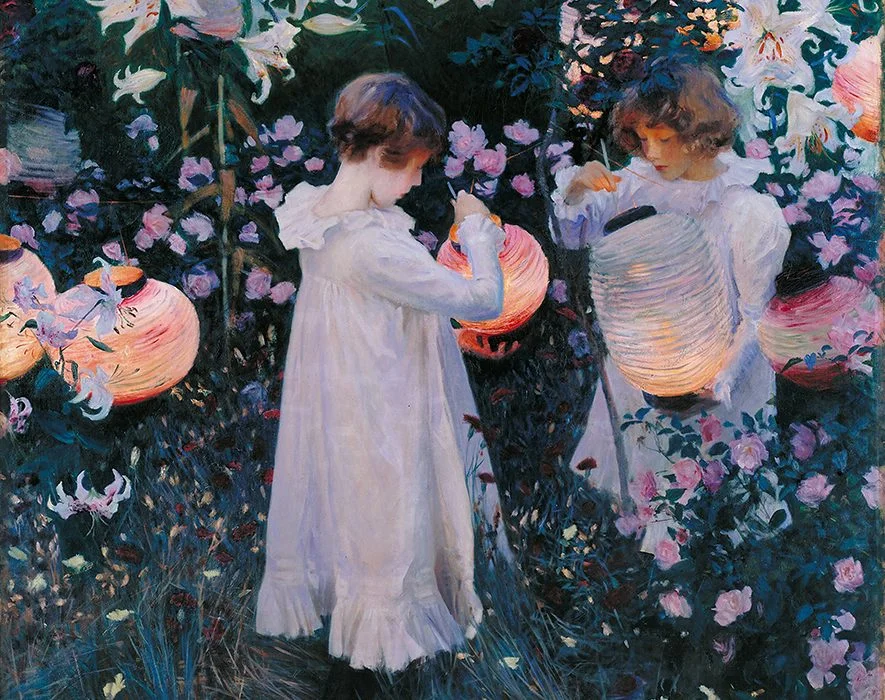
“Carnation, Lily, Lily, Rose”, an oil-on-canvas painting, made by the American painter John Singer Sargent in 1885-1886.
“Hoa cẩm chướng, hoa loa kèn, hoa loa kèn, hoa hồng”, một bức tranh sơn dầu trên vải, được họa sĩ người Mỹ John Singer Sargent thực hiện vào năm 1885-1886.
| Original essay (written in English) | Bản dịch của bài viết (sang tiếng Việt) |
| Let’s imagine you had a bad childhood. | Hãy thử hình dung bạn từng có một tuổi thơ tồi tệ. |
| You may hardly remember it, it almost doesn’t matter. The easiest way to assess what once went on is to reflect on how you feel about yourself now. | Bạn có thể gần như chẳng nhớ gì, và thật ra điều đó cũng không còn quá quan trọng. Cách đơn giản nhất để đoán chuyện xưa đã diễn ra thế nào, là nhìn lại cảm giác của bạn về chính mình ở hiện tại. |
| The clearest sign of having had a miserable start is a deep self-hatred. You think you’re ugly. You can’t bear to look in mirrors. You never want to upset anyone and suspect everyone hates you. You feel unacceptable and weird and just – in multiple non-specific ways – diseased and ‘not right.’ | Dấu hiệu rõ ràng nhất của một khởi đầu bất hạnh là một cảm giác tự ghét bỏ bản thân sâu sắc. Bạn nghĩ mình xấu xí. Bạn không chịu nổi việc soi gương. Bạn luôn cố tránh làm phiền bất cứ ai, và lúc nào cũng ngờ rằng mọi người đều ghét mình. Bạn thấy mình thật khó chấp nhận, kỳ quặc, và – theo nhiều cách mơ hồ khác nhau – như thể mình đang “mắc bệnh” và không ổn chút nào. |
| Behind such feelings, there will have been the normal villains: a critical and unloving mother or father, some violence and unpredictability, huge preference for a sibling. There are only so many ways these sorts of wounds form. | Đằng sau những cảm giác ấy thường vẫn là những “kẻ gây thương tích” quen thuộc: một người mẹ hoặc cha hay chỉ trích và thiếu yêu thương, bạo lực và sự thất thường trong gia đình, hay việc cha mẹ ưu ái anh chị em hơn bạn. Những vết thương kiểu này vốn trước nay cũng chỉ hình thành từ vài hoàn cảnh quen thuộc như thế thôi. |
| But the real legacy comes in love. Here, after the normal awful adolescence (eating disorders, cutting, alienation, drinking, etc.), you have two options. | Nhưng di chứng thật sự lại bộc lộ trong chuyện yêu đương. Sau quãng tuổi teen đầy rối ren như bao người khác cũng từng trải qua (rối loạn ăn uống, tự làm tổn thương bản thân, cảm giác lạc lõng, rượu chè… ), bạn thường đứng trước hai ngã rẽ. |
| Firstly, to fall in love with cruel, distant, possibly violent, intermittent unavailable people. You can fall in love with people who are married to someone else, or who don’t call you, who make you feel inadequate and unseen and constantly alarmed and unsure. You can love people who think you’re unloveable. | Ngã rẽ thứ nhất: bạn dễ sa vào tình yêu với những người lạnh lùng, tàn nhẫn, thậm chí có xu hướng bạo lực, và lúc có lúc không với bạn. Bạn có thể yêu một người đã có gia đình, yêu người chẳng bao giờ chủ động liên lạc, yêu người khiến bạn luôn cảm thấy mình kém cỏi, vô hình, lúc nào cũng bất an và không chắc chắn. Bạn vập vào yêu những người luôn tin rằng bạn vốn chẳng đáng được yêu. |
| Or else, you can love people who really like you, who think you’re attractive and sweet and clever. And you can feel powerfully ill around them. You can become an expert in identifying what is wrong with them: they’re not clever enough, they’re weird, they’ve got no options. You criticise their taste in shoes, the shape of their mouth, a comment they made at a party. You become as critical of them as your parents were once critical of you. How could someone who liked you be anything other than a loser? You end up pushing them away. Maybe not directly, but by going slightly cold or flirting with strangers. You know well enough how to detonate trust conclusively. | Ngả thứ hai: bạn gặp những người thật lòng thương bạn, thấy bạn dễ mến, xinh xắn, thông minh. Và rồi chính bạn lại thấy phát bệnh khi phải ở gần họ. Bạn trở nên rất giỏi soi mói những điều mình chưa vừa ý ở họ: họ không đủ thông minh, họ thật là kỳ quặc, họ cũng chẳng có nhiều lựa chọn khác nên mới phải yêu lấy bạn. Bạn chê gu giày dép của họ, hình dáng đôi môi, hay một câu nói họ lỡ buột ra trong buổi tiệc. Bạn bắt đầu chỉ trích họ, giống hệt cách bố mẹ bạn từng chỉ trích bạn ngày xưa. Làm sao một người thích bạn lại không phải là một kẻ thất bại cơ chứ? Và rồi bạn đẩy họ ra xa. Không phải lúc nào cũng công khai, mà bằng những cách len lén hơn: bạn trở nên lạnh nhạt, hay buồn miệng tán tỉnh người lạ. Bạn quá hiểu cách làm tan vỡ mọi sự tin tưởng đến cùng cực. |
| This rigmarole can go on for most of your life. Unavailable cruel people. And sickeningly available ones. And in the in-between times, devastating loneliness. It’s been going on forever, you can be sure this sort of thing went on in Renaissance Florence and Ming dynasty’s Beijing. | Cái vòng luẩn quẩn ấy có thể đeo bám bạn suốt cả đời. Khi thì là những người tàn nhẫn, xa cách dửng dưng; khi thì là những người tốt luôn ở bên bạn, đến mức khiến bạn phát ngấy. Còn ở những khoảng giữa của hai thái cực đó là cảm giác cô đơn quạnh hiu đến vô cùng. Chuyện này không phải mới mẻ gì – nó đã xảy ra từ thuở xa xưa, ở Florence thời Phục hưng hay Bắc Kinh thời nhà Minh cũng vậy thôi. |
| Is there any way out? There is – perhaps, just a third option. To understand what’s going on and to share it with someone who is kind and perceptive (and who might have problems of their own), and a good therapist. To meet someone who threatens to make us feel sick with their sweetness, then to explain to them what we understand of our problem. Rather than pretending that we are healthy and can bear their kindness without difficulty, we may be able to tell them: | Vậy có lối thoát nào không? Có – có lẽ là một lựa chọn thứ ba. Đó là hiểu rõ điều gì đang diễn ra bên trong mình, và chia sẻ nó với một người tử tế, tinh ý (và cũng có thể mang trong mình những vấn đề riêng), cùng một nhà trị liệu giỏi. Là gặp một người mà sự ấm áp của họ khiến ta muốn “phát bệnh”, rồi thay vì chạy trốn, ta thử giải thích cho họ nghe điều ta đã nhận ra về chính mình. Thay vì giả vờ rằng ta hoàn toàn mạnh mẽ và có thể đón nhận sự tử tế của họ một cách thoải mái, ta có thể nói với họ rằng: |
| “I want so much to be normal, I want so much to tolerate kindness, but I have an illness. My past means I can’t accept love, I can’t digest it, I turn against it and the person giving it to me. | “Tôi muốn lắm được sống như người bình thường. Tôi muốn lắm có thể đón nhận sự tử tế, nhưng tôi mang trong mình một căn bệnh. Quá khứ khiến tôi không thể tiếp nhận tình thương; tôi không tiêu hóa nổi nó, và rồi tôi quay lưng lại với cả tình cảm ấy lẫn người trao nó cho tôi. |
| But I don’t want to be like this any more. I’m tired of sabotaging relationships and turning away good people. | Nhưng tôi không muốn tiếp tục như vậy nữa. Tôi đã quá mệt mỏi với việc tự phá hỏng những mối quan hệ và đẩy những người tốt ra xa rồi. |
| Please help me to bear the anxiety of being cared for. | Xin hãy giúp tôi chịu đựng được nỗi lo khi có người thật lòng quan tâm. |
| Please help me to absorb the love I crave. | Xin hãy giúp tôi hấp thụ được thứ tình thương mà tôi vẫn hằng khao khát. |
| Please forgive me for being unwell.” | Xin hãy tha thứ cho tôi vì tôi vẫn còn chưa lành lặn.” |
| If the person doesn’t immediately run away, if they can see the decency behind the shame, and the tenderness behind the neurosis, if they can partly understand our problem from the inside, we will be making momentous progress. We won’t be healed yet, but at least we will know how ill we are – and will have found a way to hint at the scale of our terrors of kindness. ■ | Nếu người ấy không bỏ chạy ngay, nếu họ nhìn thấy được sự tử tế ẩn sau nỗi xấu hổ, và sự mong manh ẩn sau những rối loạn trong ta, nếu họ có thể phần nào hiểu được nỗi lòng của ta từ bên trong, thì đó đã là một bước tiến rất lớn rồi. Ta chưa thể gọi là lành lặn ngay, nhưng ít nhất ta biết mình đã và đang tổn thương đến mức nào – và ta đã tìm ra cách hé lộ cho họ thấy nỗi khiếp sợ lòng tốt của ta nó lớn đến thế nào. ■ |
| By The School of Life (@theschooloflifetv) | Tác giả: The School of Life (@theschooloflifetv) |
| The School of Life is a British multinational organization founded in 2008 by philosopher Alain de Botton, focused on emotional education through psychology, philosophy, and culture. | The School of Life là một tổ chức đa quốc gia có trụ sở tại Anh, được thành lập vào năm 2008 bởi triết gia Alain de Botton, với trọng tâm là giáo dục cảm xúc thông qua tâm lý học, triết học và văn hóa. |
| The organization started in London with academics, psychotherapists, artists, and educators, expanding into books, videos, workshops, and online psychotherapy. It addresses topics like anxiety, relationships, work, and self-understanding via multimedia content. | Tổ chức khởi đầu tại London với sự tham gia của các học giả, nhà tâm lý trị liệu, nghệ sĩ và nhà giáo dục, sau đó mở rộng sang sách, video, hội thảo và dịch vụ trị liệu tâm lý trực tuyến. Nội dung tập trung vào các chủ đề như lo âu, các mối quan hệ, công việc và sự thấu hiểu bản thân thông qua hình thức truyền thông đa phương tiện. |
| The organization’s core ideas emphasize compassion for flaws, tragedy in life, and “good enough” living over perfection or constant happiness. It promotes psychological tools for fulfillment rather than traditional schooling. | Những ý tưởng cốt lõi của tổ chức nhấn mạnh lòng trắc ẩn với những thiếu sót của con người, bi kịch trong cuộc sống, và việc sống “đủ tốt” thay vì theo đuổi sự hoàn hảo hay hạnh phúc không ngừng. Tổ chức cổ vũ việc sử dụng các công cụ tâm lý để đạt được sự viên mãn trong cuộc sống, thay vì chỉ dựa vào giáo dục truyền thống. |
| December 3, 2025 | Ngày 3 tháng 12 năm 2025 |
| Tập Đọc (literally means “Reading Together”) is a bilingual English-Vietnamese magazine featuring new word annotations, translations, spoken word versions (audio articles), and a free vocabulary list for the community. The project has been maintained since 2020 and has published over 100 issues to date. | Tập Đọc là một tạp chí song ngữ Tiếng Anh – Tiếng Việt, với chú thích từ mới, cung cấp bản dịch, phiên bản bài đọc nói (báo tiếng), và danh sách từ mới miễn phí cho cộng đồng. Dự án được duy trì từ năm 2020 đến nay, hiện đã ra trên 100 số. |
| Readers should be advised that the articles published in Tập Đọc do not necessarily reflect the views, attitudes, and perspectives of the editors. Readers are encouraged to form their own opinions and evaluations through a dialogue between themselves and the authors during their reading process. Only reading writers with whom one agrees is akin to only engaging in conversations with those who compliment you: it’s comfortable, but dangerous. | Các bài viết được đăng trên Tập Đọc không nhất thiết phản ánh quan điểm, thái độ và góc nhìn của người biên tập. Người đọc nên hình thành quan điểm và đánh giá của riêng mình trong cuộc đối thoại giữa bản thân người đọc và tác giả, trong quá trình đọc bài của riêng mình. Việc chỉ đọc những người viết mà ta đồng ý cũng giống như chỉ chịu nói chuyện với những ai khen mình vậy: dễ chịu, nhưng nguy hiểm. |
| If you wish to support any of my projects, I would be profoundly grateful. Any support, no matter how small, will be significantly meaningful in helping me stay motivated or continue these non-profit efforts. | Nếu bạn muốn ủng hộ bất cứ dự án nào của mình, mình xin rất biết ơn. Mọi sự ủng hộ, dù nhỏ, đều sẽ rất có ý nghĩa trong việc giúp mình có động lực, hoặc có khả năng tiếp tục các công việc phi lợi nhuận này. |
| Please send your support to account number: 0491 0000 768 69. Account holder: Nguyễn Tiến Đạt, Vietcombank, Thăng Long branch. | Mọi ủng hộ xin gửi về số tài khoản: 0491 0000 768 69. Chủ tài khoản: Nguyễn Tiến Đạt, ngân hàng Vietcombank, chi nhánh Thăng Long. |

| Da Nang, Tuesday, December 07, 2025 Dat Nguyen | Đà Nẵng, Chủ Nhật, ngày 7.12.2025 Nguyễn Tiến Đạt (sutucon) |

Bạn có thể tải miễn phí bộ học liệu được xây dựng từ bài đọc này tại đây:
https://drive.google.com/drive/folders/12IKrz4EJlPN0rh8r7at9NbIZ8G0Nw8q4?usp=sharing


BẢNG CHÚ THÍCH TỪ MỚI
| STT | Từ | Loại từ | Nghĩa tiếng Anh | Nghĩa tiếng Việt | Câu ví dụ |
|---|---|---|---|---|---|
| 1 | shape | verb | to influence or determine the development of something | định hình, ảnh hưởng tới sự hình thành | Early emotional injuries can shape the way we experience intimacy long after we become adults. |
| 2 | pattern | noun | a repeated or typical way of behaving | mô thức, khuôn mẫu hành vi | She slowly realised that her pattern of choosing distant partners was not accidental but rooted in childhood fear. |
| 3 | desire | noun | a strong feeling of wanting something | khát khao, mong muốn | His desire for closeness often clashed with his terror of being hurt again. |
| 4 | rejection | noun | the act of refusing to accept or approving someone | sự bị từ chối, sự chối bỏ | For people with early trauma, rejection can feel inevitable even when no one is actually pushing them away. |
| 5 | fear | noun | an unpleasant emotion caused by the threat of danger or pain | nỗi sợ | Her fear of genuine affection made her retreat whenever someone treated her kindly. |
| 6 | trace | verb | to follow something back to its origins | lần ngược, truy lại | He could trace his difficulty with trust back to the chaos of his childhood home. |
| 7 | path (figurative) | noun | a way of life or direction one follows | con đường (nghĩa bóng) | Many people repeat the same painful path in love until they understand where it truly begins. |
| 8 | early emotional injury | noun phrase | psychological harm experienced during childhood | tổn thương cảm xúc từ thời thơ ấu | Early emotional injuries often echo into adulthood, shaping who we think we deserve to love. |
| 9 | gentleness | noun | the quality of being kind, calm, or soft | sự dịu dàng, sự tử tế nhẹ nhàng | For some, gentleness feels unbearable because it exposes wounds they have never tended to. |
| 10 | assess | verb | to evaluate or judge the nature of something | đánh giá, xem xét | We often assess our past by observing how we behave in relationships now. |
| 11 | what once went on | phrase | what happened in the past | những gì từng xảy ra | To understand what once went on, she looked closely at her instinct to pull away from people who loved her. |
| 12 | reflect on | verb phrase | to think deeply or carefully about something | suy ngẫm về | When he reflected on his reactions to affection, he saw the shadow of his parents’ neglect. |
| 13 | how you feel about yourself | phrase | your self-perception and self-worth | cảm nhận của bạn về chính mình | How you feel about yourself often determines the kind of love you believe you deserve. |
| 14 | miserable | adjective | extremely unhappy or uncomfortable | khổ sở, bất hạnh | She carried a miserable sense of unworthiness that coloured every relationship she entered. |
| 15 | self-hatred | noun | an extreme dislike of oneself | sự tự căm ghét bản thân | His self-hatred made it almost impossible for him to accept affection without suspicion. |
| 16 | can’t bear to | verb phrase | to be unable to tolerate doing something | không thể chịu đựng nổi khi phải làm điều gì | She couldn’t bear to look into the eyes of someone who genuinely cared for her. |
| 17 | upset (someone) | verb | to make someone feel unhappy or worried | làm ai đó buồn, khó chịu hoặc lo lắng | He tried so hard not to upset anyone that he forgot how to express his own needs. |
| 18 | suspect | verb | to believe something may be true, especially something negative | nghi ngờ | She suspected that everyone secretly disliked her, even when they showed her affection. |
| 19 | feel unacceptable | verb phrase | to feel as though one is not worthy or good enough | cảm thấy bản thân không đáng được chấp nhận | Growing up with harsh criticism left him feeling unacceptable in every relationship he entered. |
| 20 | feel diseased | verb phrase | to feel flawed or corrupted in a deep emotional sense | cảm thấy như bản thân bị “hư hỏng”, có vấn đề | She often felt diseased inside, as though something about her was fundamentally wrong. |
| 21 | critical and unloving | adjective phrase | harsh, disapproving, and lacking affection | chỉ trích và không yêu thương | Being raised by critical and unloving parents taught him to associate love with judgment. |
| 22 | violence | noun | behavior involving physical force intended to hurt | bạo lực | The violence in her childhood home left a permanent imprint on how she reacted to conflict. |
| 23 | unpredictability | noun | the state of being unable to be expected or foreseen | sự khó lường, sự bất ổn | The unpredictability of her parents’ moods taught her to stay constantly alert in relationships. |
| 24 | preference for | noun phrase | a tendency to choose one thing over another | sự thiên vị, ưu ái đối với | Her parents’ clear preference for her sibling deepened her belief that she was unworthy of love. |
| 25 | there are only so many… | structure | used to say that the number or types of something are limited | chỉ có từng ấy… (ám chỉ giới hạn) | There are only so many ways a child can interpret neglect before concluding they are the problem. |
| 26 | wound | noun (figurative) | emotional or psychological hurt | vết thương tâm lý | The wound from his early years kept reopening whenever someone tried to get close. |
| 27 | legacy | noun | something handed down from the past, often negative | di sản, hệ quả để lại | The true legacy of her childhood was not the events themselves but the relationships she later chose. |
| 28 | adolescence | noun | the period between childhood and adulthood | tuổi vị thành niên | During adolescence she turned to self-destructive habits to cope with her confusion and pain. |
| 29 | eating disorder | noun | an illness involving unhealthy eating habits | rối loạn ăn uống | Her eating disorder became a silent expression of wounds she didn’t yet have words for. |
| 30 | cutting (self-harm) | noun | the act of deliberately injuring oneself by cutting the skin | hành vi tự hại bằng cách rạch da | Cutting was the only way he knew to momentarily quiet the emotional chaos inside him. |
| 31 | alienation | noun | the feeling of being isolated or estranged from others | sự xa lánh, cảm giác bị tách biệt | During her teenage years, alienation became her default state, making closeness in adulthood feel dangerous. |
| 32 | drinking (problematic drinking) | noun | the act of consuming alcohol excessively or harmfully | uống rượu quá mức, nghiện rượu | His drinking was less about pleasure and more about numbing the memories he could not face. |
| 33 | cruel | adjective | intentionally causing pain or suffering | tàn nhẫn | She often fell for cruel partners because their disregard felt strangely familiar. |
| 34 | distant | adjective | emotionally unavailable; not close or warm | xa cách, lạnh nhạt | He kept choosing distant lovers who mirrored the aloofness of his parents. |
| 35 | violent | adjective | involving physical or emotional harm | bạo lực, dữ dội | Growing up with a violent father made her associate intensity with love. |
| 36 | intermittently unavailable | adjective phrase | sometimes present but often emotionally absent | lúc có lúc không, không ổn định | She felt addicted to partners who were intermittently unavailable because their inconsistency felt like home. |
| 37 | feel inadequate | verb phrase | to feel not good enough | cảm thấy bản thân kém cỏi, không đủ tốt | Whenever he dated someone he admired, he felt utterly inadequate and waited for them to reject him. |
| 38 | feel unseen | verb phrase | to feel unnoticed or emotionally ignored | cảm thấy bị bỏ qua, không được nhìn thấy | In relationships she often felt unseen, even when her partner tried to show affection. |
| 39 | feel alarmed | verb phrase | to feel suddenly afraid or anxious | cảm thấy hoảng hốt, lo sợ | When someone showed her consistent care, she felt alarmed rather than reassured. |
| 40 | feel unsure | verb phrase | to feel uncertain or insecure | cảm thấy không chắc chắn, bất an | He felt unsure whenever a relationship became too stable, as if calmness itself was suspicious. |
| 41 | think you’re unloveable | verb phrase | to believe one is impossible to love | nghĩ rằng mình không đáng được yêu | Years of criticism made him think he was unloveable, so he clung to people who confirmed that belief. |
| 42 | feel ill around someone | verb phrase | to feel emotionally sick when receiving care or affection | cảm thấy khó chịu, buồn nôn khi ai đó đối xử tốt | She felt ill around kind partners because kindness triggered a terror she could not explain. |
| 43 | they’ve got no options | phrase | they lack better choices or opportunities | họ không có lựa chọn nào tốt hơn | She convinced herself that anyone who liked her simply had no options. |
| 44 | taste (in something) | noun | a person’s preference or aesthetic judgment | gu, sở thích | She criticised his taste in music as a way to distance herself from his affection. |
| 45 | be critical of someone | verb phrase | to judge or find faults in someone | chỉ trích, phê phán ai đó | He became critical of anyone who showed him love, mirroring the behaviour of his parents. |
| 46 | a loser | noun | someone considered unsuccessful or inadequate | kẻ thất bại, kẻ kém cỏi | She pushed away anyone who cared, telling herself they must be a loser if they liked someone like her. |
| 47 | going cold | verb phrase | becoming emotionally distant; withdrawing affection | trở nên lạnh nhạt, rút lui về mặt cảm xúc | Whenever a relationship felt too real, he found himself going cold without meaning to. |
| 48 | flirting with someone | verb phrase | showing romantic or playful interest in someone | tán tỉnh, ve vãn ai đó | She sabotaged her stable relationship by flirting with strangers at parties. |
| 49 | detonate trust conclusively | verb phrase | to destroy trust completely and irreversibly | phá hủy hoàn toàn sự tin tưởng | He knew exactly how to detonate trust conclusively, often by disappearing when affection grew too intense. |
| 50 | rigmarole | noun | a long, complicated, and often meaningless process | chuỗi rối rắm, lặp đi lặp lại | The emotional rigmarole of choosing cold lovers and rejecting warm ones exhausted her for years. |
| 51 | sickeningly | adverb | in a way that causes discomfort or disgust | một cách gây khó chịu, gây cảm giác buồn nôn | His kindness was sickeningly pure to her, triggering fears she never understood. |
| 52 | unavailable people | noun phrase | emotionally or physically inaccessible individuals | những người không sẵn sàng về mặt tình cảm | She kept falling for unavailable people because being ignored felt strangely familiar. |
| 53 | available people | noun phrase | individuals who offer attention, affection, and emotional presence | những người sẵn sàng yêu thương | Available people frightened him because their stability challenged his belief that he was unworthy. |
| 54 | the in-between times | noun phrase | the periods between relationships or events | những khoảng thời gian trống giữa các mối quan hệ | In the in-between times, loneliness crept in and pushed him back toward unhealthy choices. |
| 55 | devastating loneliness | noun phrase | extremely painful or overwhelming solitude | nỗi cô đơn mạnh đến mức có tác dụng tàn phá tinh thần của một người | She endured devastating loneliness whenever she stepped away from partners who treated her well. |
| 56 | Renaissance Florence | noun phrase | the city of Florence during the Renaissance, used here metaphorically | Florence thời Phục Hưng | This cycle of wounded love has existed since Renaissance Florence and long before that. |
| 57 | Ming dynasty’s Beijing | noun phrase | Beijing during China’s Ming dynasty, used metaphorically | Bắc Kinh thời nhà Minh | People struggled with the same emotional patterns in Ming dynasty’s Beijing as they do today. |
| 58 | a way out | noun phrase | a solution or escape from a difficult situation | một lối thoát | She wondered if there was a way out of the patterns that had defined her love life for decades. |
| 59 | perceptive | adjective | having sensitive insight or understanding | sâu sắc, thấu hiểu | A perceptive partner might recognise that her defensiveness came from fear, not indifference. |
| 60 | therapist | noun | a trained professional who helps with emotional and psychological difficulties | nhà trị liệu tâm lý | With the support of a patient therapist, he finally learned to name the wounds he carried. |
| 61 | can bear something | verb phrase | to be able to endure or tolerate something | chịu đựng, chịu được | He wanted to be loved, yet he couldn’t bear the steady affection of someone who truly cared. |
| 62 | tolerate something | verb | to accept or endure something difficult or uncomfortable | chấp nhận, chịu đựng | She tried to tolerate kindness, though it often made her feel exposed and unsafe. |
| 63 | can’t digest something (figurative) | verb phrase | to be unable to emotionally process or accept something | không thể tiêu hóa, không thể tiếp nhận về mặt cảm xúc | He couldn’t digest genuine praise because it contradicted everything he believed about himself. |
| 64 | turn against somebody/something | verb phrase | to reject or oppose someone or something previously accepted | quay lưng lại với, chống lại | Whenever someone showed her love, she turned against them before they had the chance to leave. |
| 65 | sabotage something | verb | to deliberately damage or undermine something | phá hoại (một cách có ý thức) | He sabotaged every healthy relationship he entered, fearing he would be exposed as unworthy. |
| 66 | turn someone away | verb phrase | to reject someone or refuse their affection | đẩy ai đó ra, từ chối ai đó | She turned away the one person who offered her steady compassion. |
| 67 | anxiety | noun | a feeling of worry, fear, or unease | lo âu | The anxiety of being loved felt heavier to him than the loneliness he had grown accustomed to. |
| 68 | absorb | verb (figurative) | to take in emotionally; to internalise | hấp thụ, tiếp nhận (về mặt cảm xúc) | She longed to absorb kindness, but her body tightened every time someone offered it. |
| 69 | crave | verb | to long for something intensely | khao khát, mong muốn mãnh liệt | He craved affection, yet feared it with equal intensity. |
| 70 | being unwell | noun phrase | the state of being emotionally or mentally unbalanced or troubled | tình trạng “không khỏe” về tâm lý | She apologised for being unwell, hoping someone would stay long enough to understand her scars. |
| 71 | decency | noun | moral goodness; kindness rooted in integrity | sự tử tế, phẩm hạnh | He hoped someone might see the decency behind his fear-driven behaviours. |
| 72 | shame | noun | a painful feeling of humiliation or distress caused by consciousness of wrongdoing or inadequacy | sự xấu hổ, tủi hổ | Her shame whispered that she was too broken to love, even when kindness was offered freely. |
| 73 | tenderness | noun | gentle affection and care | sự dịu dàng, sự ân cần | His tenderness overwhelmed her because she had never learned to feel safe in gentle hands. |
| 74 | neurosis | noun | emotional disturbance involving anxiety and inner conflict | chứng loạn thần kinh, nỗi bất ổn tâm lý | She worried her neurosis would eventually drive away anyone patient enough to care for her. |
| 75 | partly | adverb | to some extent, but not completely | phần nào, một phần | He partly understood why he pushed people away, though the full picture remained blurred. |
| 76 | momentous | adjective | very important or significant | có ý nghĩa rất lớn, mang tính bước ngoặt | Admitting her fear of intimacy to someone kind felt like a momentous step toward healing. |
| 77 | make progress | verb phrase | to advance or improve in a process | tiến bộ, bước tới | For the first time, he felt he was making progress simply by naming his wounds out loud. |
| 78 | be healed | verb phrase | to become emotionally healthy again | được chữa lành | She knew she wasn’t healed yet, but at least she finally understood why she pushed people away. |
| 79 | hint at | verb | to suggest or indicate something indirectly | gợi ý, hé lộ | Her trembling voice hinted at the terror she felt whenever someone loved her sincerely. |
| 80 | the scale of something | noun phrase | the size, range, or extent of something | mức độ, quy mô | He was only beginning to grasp the scale of the emotional damage he carried from childhood. |
| 81 | (someone’s) terrors (of something) | noun phrase | deep, overwhelming fears related to a particular experience | những nỗi sợ ghê gớm (về điều gì đó) | She tried to explain her terrors of kindness, hoping he would stay long enough to understand. |




 Tập Đọc
Leave a comment