| What if the way we argue matters more than the arguments themselves? | Điều gì sẽ xảy ra nếu cách chúng ta tranh luận còn quan trọng hơn chính những lập luận mà ta đưa ra? |
| In this article, the author explores how a simple decision-making tool—the philosophical razor—can illuminate the beliefs we hold, sharpen our critical thinking, and reshape the way we navigate disagreement, using Sean and Marie’s late-night mystery as a lens into how humans seek truth, meaning, and connection. | Trong bài viết này, tác giả giới thiệu một công cụ ra quyết định rất đơn giản – “lưỡi dao triết học” – và cách nó giúp soi sáng những niềm tin ta đang nắm giữ, mài sắc khả năng tư duy phản biện, cũng như định hình lại cách ta đối thoại khi có bất đồng. Tất cả được kể lại qua câu chuyện bí ẩn trong đêm của Sean và Marie, như một lăng kính để nhìn vào cách con người đi tìm sự thật, ý nghĩa và sự gắn kết. |
| Original essay (written in English) | Bản dịch của bài viết (sang tiếng Việt) |
| Sean’s grandfather had passed away just two days earlier. Though they weren’t especially close, it was still very affecting for Sean. | Ông nội của Sean vừa qua đời chỉ hai ngày trước. Dù hai ông cháu không quá thân thiết, sự mất mát ấy vẫn khiến Sean bị ảnh hưởng nặng nề. |
| His grandfather, who was a military veteran, was a highly regimented and disciplined individual. This was quite a contrast against Sean’s personality, as someone who prioritized fun, casualness, and going with the flow. Most of their conversations together carried some undertone of his grandfather attempting to urge him toward greater self-control and discipline. | Ông là một cựu quân nhân, nổi tiếng nghiêm khắc và khuôn phép. Điều này đối lập hoàn toàn với Sean – một người coi trọng sự vui vẻ, xuề xòa, và thích để mọi thứ thuận theo tự nhiên. Hầu hết những cuộc trò chuyện giữa họ đều thấp thoáng ý ông muốn thúc giục Sean rèn luyện sự kỷ luật và kiểm soát bản thân nhiều hơn. |
| This made it all the more unsettling when, just after mid-night, the shaker bottle Sean used for his post-workout drinks fell off the top of his fridge and crashed onto the floor, seemingly by itself and out of nowhere. He could barely sleep the rest of the night. | Chính vì thế, chuyện xảy ra lúc nửa đêm hôm đó lại càng khiến Sean rùng mình: chiếc bình lắc protein anh vẫn dùng sau khi tập gym bỗng nhiên rơi từ nóc tủ lạnh xuống, đập mạnh xuống sàn, như thể tự nó nhảy xuống mà không hề có tác động nào. Cả đêm ấy, Sean gần như không sao chợp mắt. |
| The next day, when he met up with his girlfriend, Marie, he of course told her about the incident the first chance he got. | Hôm sau, khi gặp bạn gái là Marie, điều đầu tiên Sean làm dĩ nhiên là kể lại chuyện kỳ lạ ấy. |
| “I’m telling you, that was my grandfather,” Sean said, sitting across from Marie at a small table just outside of a café. “I think it was his weird way of reminding me to focus. On my health. To go back to the gym. He would literally always say that. Isn’t that crazy?” | “Anh nói thật đấy, chắc chắn đó là ông nội anh,” Sean vừa nói vừa ngồi đối diện Marie ở chiếc bàn nhỏ trước quán cà phê. “Anh nghĩ đó là cách kỳ quặc của ông nhắc anh phải tập trung hơn. Chăm lo cho sức khỏe. Quay lại phòng gym. Ông lúc nào cũng nói thế. Nghe điên thật đúng không?” |
| Marie thought to herself for a moment. She didn’t want to dismiss Sean’s theory outright, but she was a hardened materialist, and was far from convinced. Her and Sean’s relationship was still somewhat new, and so, Marie felt like this was perhaps a good opportunity to see if, and where, she and Sean aligned in their worldviews, and to test out the malleability of their conversations. | Marie im lặng suy nghĩ một lát. Cô không muốn gạt phắt suy đoán của Sean ngay lập tức, nhưng vốn là người duy vật đến cứng rắn, cô khó mà tin vào chuyện này. Mối quan hệ giữa cô và Sean vẫn còn khá mới, và Marie cảm thấy đây có lẽ là dịp tốt để xem hai người có cùng cách nhìn nhận thế giới hay không, và mức độ linh hoạt của những cuộc trò chuyện giữa họ. |
| Marie reached across the table and held Sean’s hand. “Yeah, that’s super weird. So unsettling,” she said. | Cô đưa tay sang nắm lấy tay Sean. “Ừ, đúng là kỳ thật. Cảm giác bất an ghê,” cô nói. |
| There was a short moment of silence before she continued. | Một khoảng lặng ngắn trôi qua trước khi cô nói tiếp: |
| “But don’t you think maybe there’s a simpler explanation? Maybe the bottle was already sort of on the edge of the fridge, and as you opened and closed the door more over time, it just sort of slid to a spot where it would likely fall with just the slightest movement or draft? Just a really weird coincidence.” | “Nhưng anh có nghĩ là có một lời giải thích đơn giản hơn không? Có thể cái bình vốn đã nằm hơi chênh ở mép tủ lạnh, rồi mỗi lần anh mở đóng cửa, nó trượt dần ra một vị trí mà chỉ cần một rung nhẹ hay một luồng gió là nó rơi xuống? Chỉ là một sự trùng hợp kỳ cục thôi.” |
| This moment embodied something profound, about not only Sean and Marie’s dynamic, but also about beliefs and disagreements more broadly. | Khoảnh khắc ấy chứa đựng một điều sâu sắc – không chỉ về cách Sean và Marie tương tác với nhau, mà còn về niềm tin và những bất đồng nói chung. |
| Inside nearly every explanation and every disagreement between explanations are the mechanisms and principles through which individuals decide what they believe is true: how we navigate between and around perception, meaning, and evidence. And Sean and Marie were, for the first time, revealing their mechanisms and principles to each other. | Trong hầu hết mọi lời giải thích và mọi cuộc tranh luận giữa các lời giải thích, đều ẩn bên trong những cơ chế và nguyên tắc mà mỗi người dùng để quyết định điều gì họ cho là đúng: cách chúng ta xoay xở giữa cảm nhận, ý nghĩa và bằng chứng. Và đây là lần đầu tiên Sean và Marie để lộ cho nhau thấy những cơ chế và nguyên tắc đó. |
| Regardless of whether Marie realized it or not, here, she was using what is known as a “philosophical razor”: a rule or principle for determining the explanations for things, by cutting away all the less likely ones. | Dù Marie có nhận ra hay không, lúc này cô đang dùng thứ mà người ta gọi là “lưỡi dao triết học”: một nguyên tắc giúp ta chọn ra lời giải thích hợp lý nhất, bằng cách “cắt bỏ” đi hết những khả năng kém thuyết phục hơn. |
| Specifically, she was using what is known as “Occam’s razor”, which suggests that “the simplest explanation for something that requires the fewest assumptions is most likely to be the correct one”. This principle has long-been used in science and philosophy as a way of cutting through confusion and complexity. | Cụ thể hơn, Marie đang sử dụng “Lưỡi dao của Occam”, nguyên tắc cho rằng “lời giải thích đơn giản nhất, đòi hỏi ít giả định nhất, thường có khả năng đúng nhất.” Nguyên tắc này đã được dùng từ rất lâu trong khoa học và triết học như một cách để cắt xuyên qua sự rối rắm và phức tạp. |
| Though, of course, the simplest explanations aren’t always the true ones. They just tend to be more likely. The more assumptions or premises an argument requires, the more complex the alignment of factors must be, and the less likely it will be true compared to simpler alternatives. For Marie and Sean, the argument that the bottle falling was due to gravity and natural, explainable movement is far simpler and requires far fewer assumptions than a supernatural event. | Tất nhiên, lời giải thích đơn giản nhất không phải lúc nào cũng là sự thật. Nó chỉ thường có khả năng đúng hơn. Lập luận càng cần nhiều giả định hoặc tiền đề, thì các yếu tố phải khớp với nhau càng phức tạp, và khả năng nó đúng sẽ thấp hơn so với một lựa chọn đơn giản hơn. Trong câu chuyện của Marie và Sean, việc cái bình rơi xuống do trọng lực và những chuyển động tự nhiên hoàn toàn dễ hiểu là lời giải thích đơn giản hơn rất nhiều và đòi hỏi ít giả định hơn so với khả năng có yếu tố siêu nhiên. |
| “I’ve had that bottle up there forever,” Sean said. “It’s never fallen. Nothing’s fallen. Then, two days after my grandfather dies, that specific thing falls? Come on. That’s a little too much of a coincidence for me. I know this stuff can seem crazy to people who have never experienced it, but I’m telling you, it’s real.” | “Anh đã để cái bình trên đó bao nhiêu năm nay rồi,” Sean nói. “Nó chưa bao giờ rơi. Chưa bao giờ có thứ gì rơi từ đó xuống đất cả. Thế mà đúng hai ngày sau khi ông anh mất, đúng cái bình đó lại rơi? Em nghĩ mà xem, như vậy thì trùng hợp quá mức rồi. Anh biết chuyện này với người chưa bao giờ trải qua thì thấy điên thật, nhưng anh nói thật, nó có thật.” |
| “Hmm,” Marie uttered. “I’ve just never experienced anything like that … supernatural … in my whole life. Why would I never experience anything like that?” she asked earnestly. | “Hừm…” Marie khẽ đáp. “Em chưa từng trải qua bất kỳ điều gì… kiểu siêu nhiên… như thế từ bé đến giờ. Tại sao em lại không bao giờ gặp những chuyện như vậy?” cô hỏi với vẻ chân thành. |
| “I don’t know. Not everybody does, I guess. But I think if you accept it as a possibility, you start to notice instances of it.” | “Anh không biết. Chắc không phải ai cũng gặp. Nhưng anh nghĩ nếu em chấp nhận nó là một khả năng, em sẽ bắt đầu để ý tới những dấu hiệu của nó.” |
| “But how would someone accept it without ever having any evidence of it? Personally, I think for a claim that big, that there are supernatural entities and phenomena interacting with the physical world, there would need to be super clear evidence. All I’ve ever encountered are other people’s personal anecdotes, and maybe some ambiguous, very questionable videos online.” | “Nhưng làm sao người ta có thể chấp nhận một điều mà họ chưa từng có bằng chứng về nó? Với những chuyện lớn cỡ đó – rằng có những thực thể hay hiện tượng siêu nhiên tác động lên thế giới vật chất – thì em nghĩ cần phải có bằng chứng thật rõ ràng. Từ trước tới giờ em chỉ nghe kể lại qua lời của người khác, hoặc xem những video mơ hồ, đáng ngờ trên mạng thôi.” |
| Here, Marie pulled out another razor—this one referred to as “The Sagan Standard”, popularized by astronomer Carl Sagan. It states that “extraordinary claims require extraordinary evidence”. | Lúc này, Marie lại rút ra một “lưỡi dao” khác — nguyên tắc gọi là “Tiêu chuẩn Sagan”, được nhà thiên văn học Carl Sagan phổ biến. Nguyên tắc này nói rằng: “Một khẳng định phi thường thì cần có một lượng bằng chứng cũng phải phi thường tương xứng.” |
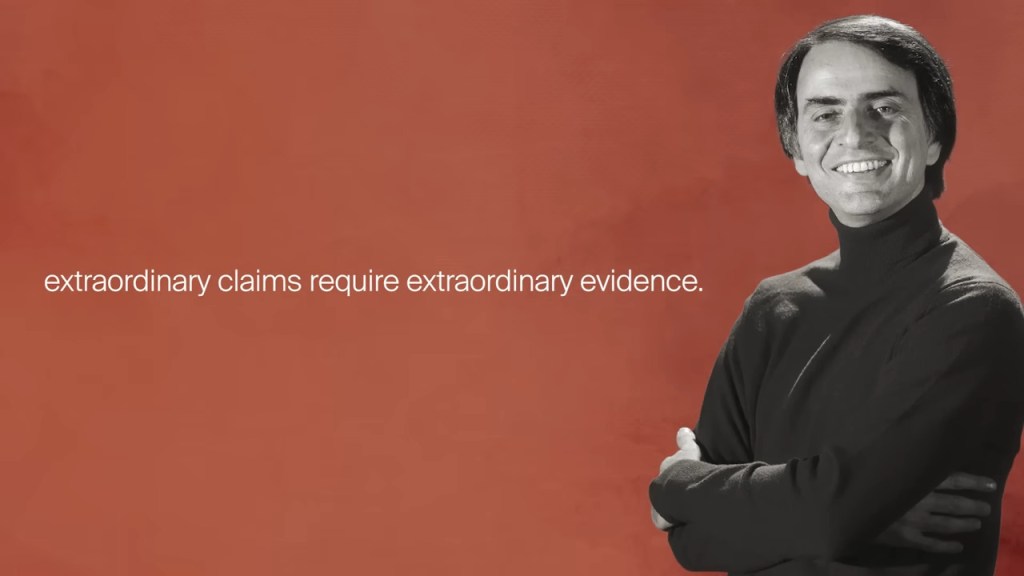
| In other words, to make large claims about what is true—particularly when the claims undermine expectations, norms, perceptions, or scientific understanding—then the evidence for the claims must be proportionally large. Like with how Marie is applying it, it’s not meant to discount extraordinary possibilities outright but, rather, help provide a standard of measurement for a claim’s burden of proof. If Sean is going to suggest something otherworldly happened, his evidence, at least for Marie, must rise to meet the implications of that claim. | Nói cách khác, nếu ai đó đưa ra một khẳng định lớn về điều gì là sự thật – đặc biệt là những khẳng định đi ngược lại kỳ vọng, chuẩn mực, nhận thức thông thường hay hiểu biết khoa học – thì bằng chứng đi kèm cũng phải lớn tương ứng. Marie áp dụng nguyên tắc này không phải để phủ nhận hoàn toàn khả năng có điều kỳ lạ xảy ra, mà để đặt ra một chuẩn mực cho mức độ bằng chứng cần thiết. Nếu Sean cho rằng đã có điều gì đó mang tính siêu nhiên xảy ra, thì bằng chứng – ít nhất đối với Marie – phải đủ mạnh để tương xứng với tầm vóc của khẳng định ấy. |
| “But how can you just dismiss people’s experiences? Isn’t that evidence in and of itself?” Sean said. “I’m telling you, this was beyond explanation. And we have no way of proving it wasn’t something supernatural, right?” he continued. | “Nhưng sao em có thể bỏ qua trải nghiệm của người ta được? Những trải nghiệm đó, chẳng phải bản thân chúng cũng có thể tính là bằng chứng rồi hay sao?” Sean nói. “Anh nói thật đấy, chuyện đó vượt ngoài mọi lời giải thích. Và mình đâu có cách nào chứng minh nó không phải là hiện tượng siêu nhiên, đúng không?” |
| “Yeah, you’re right,” Marie responded sincerely. “But doesn’t that also mean you have no way of proving it was? If you can say something is supernatural without evidence, can’t I say that it isn’t, without evidence?” | “Ừ, anh nói đúng,” Marie đáp một cách chân thành. “Nhưng chẳng phải điều đó cũng có nghĩa là anh không có cách nào chứng minh nó có là hiện tượng siêu nhiên sao? Nếu anh có thể nói điều gì đó là siêu nhiên mà không cần bằng chứng, thì chẳng phải em cũng có thể nói điều ngược lại mà cũng chẳng cần bằng chứng à?” |
| Sean thought to himself for a minute, looking away. His argument had just been sliced with another razor. This time with “Hitchen’s Razor”, named after popular British author Christopher Hitchens. It suggests that: “What can be asserted without evidence can also be dismissed without evidence”. | Sean im lặng suy nghĩ một lúc, mắt nhìn đi nơi khác. Lập luận của anh vừa bị “cắt” thêm một lần nữa — lần này là bằng “Lưỡi dao của Hitchens”, đặt theo tên của nhà văn người Anh Christopher Hitchens. Nguyên tắc này nói rằng: “Bất cứ điều gì có thể được khẳng định mà không cần bằng chứng, thì cũng có thể bị bác bỏ thẳng tay mà không cần bằng chứng.” |
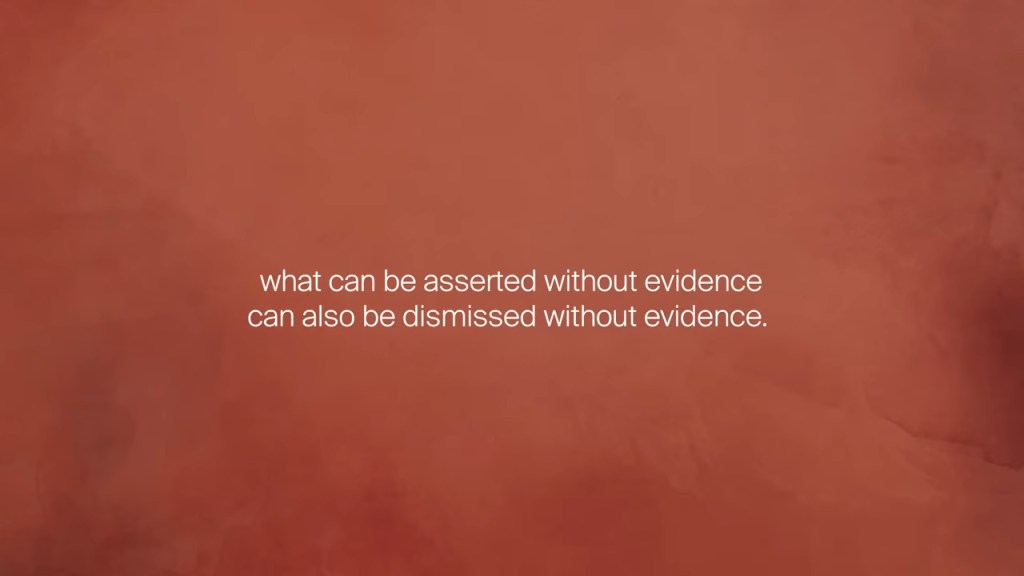
| As Marie alluded to, the burden of proof always rests on those who make the claim, and without that burden being met, a productive discussion becomes very unlikely. | Như Marie vừa ngụ ý, gánh nặng phải chứng minh một điều gì đó là đúng luôn thuộc về người đưa ra khẳng định. Và nếu không thể chứng minh được khẳng định, thì một cuộc trao đổi hiệu quả là khó có thể diễn ra. |
| “But isn’t the absurdity of the event evidence of something supernatural?” Sean finally said. | “Nhưng chẳng phải sự phi lý của sự việc chính là bằng chứng cho điều siêu nhiên sao?” Sean cuối cùng cũng lên tiếng. |
| “I think absurdity is evidence of expectations being undermined, but not necessarily what they are being undermined by. I totally get why you might add greater significance to it, though. And I’m not saying other explanations are impossible. I’m just saying less likely, I guess.” | “Em nghĩ sự phi lý chỉ cho thấy điều gì đó đã phá vỡ kỳ vọng của mình — chứ không nhất thiết nói lên điều gì đã phá vỡ nó. Em hiểu vì sao anh lại gán cho nó ý nghĩa lớn hơn. Và em cũng không nói rằng các khả năng khác là không thể. Em chỉ nghĩ chúng ít có khả năng hơn thôi.” |
| “So, if your cup just started floating right now and then flew across the street, what would you say?” Sean said matter-of-factly. | “Thế nếu ngay lúc này cái cốc của em tự bay lên rồi phóng thẳng qua bên kia đường, em sẽ nói gì?” Sean hỏi thẳng. |
| “I would say something very weird happened, but I would need to be able to know and test all the variables to say why.” | “Em sẽ nói rằng có chuyện gì đó rất kỳ lạ vừa xảy ra, nhưng em sẽ cần phải kiểm tra tất cả các yếu tố liên quan khác, thì mới có thể nói được là tại sao lại có hiện tượng đó.” |
| “And what if you couldn’t? What if nothing was testable or knowable?” | “Giả sử em không thể kiểm tra được thì sao? Giả sử không có gì ta có thể biết được, hay kiểm chứng được về hiện tượng này thì sao?” |
| “Then I guess I wouldn’t claim I knew what happened,” Marie said. | “Vậy thì em nghĩ em sẽ không dám tuyên bố rằng mình thực sự biết có chuyện gì đã xảy ra,” Marie trả lời. |
| “Hm,” Sean murmured with a little concession in his tone. “I suppose this stuff can be debated then, but just not settled,” he continued. | “Hừm,” Sean khẽ đáp, giọng đã mềm lại đôi chút. “Anh đoán mấy chuyện này có thể được đem ra tranh luận, nhưng chắc chẳng bao giờ có thể đi đến kết luận được,” anh nói tiếp. |
| “Is it really worth debating, then?” Marie responded. | “Vậy thì có đáng để tranh luận về chúng không?” Marie hỏi lại. |
| Here, Marie used one final “razor” to shave the entire discussion down to scraps: “Alder’s razor”, popularized by mathematician Mike Alder, which says that: “What cannot be settled by experiment or observation is not worth debating.” | Ngay lúc này, Marie dùng đến “lưỡi dao” cuối cùng để gọt gọn toàn bộ cuộc tranh luận: “Lưỡi dao của Alder”, được nhà toán học Mike Alder phổ biến, với nội dung: “Phàm những gì không thể được phân định bằng thí nghiệm hay quan sát, thì không đáng để đem ra tranh luận.” |
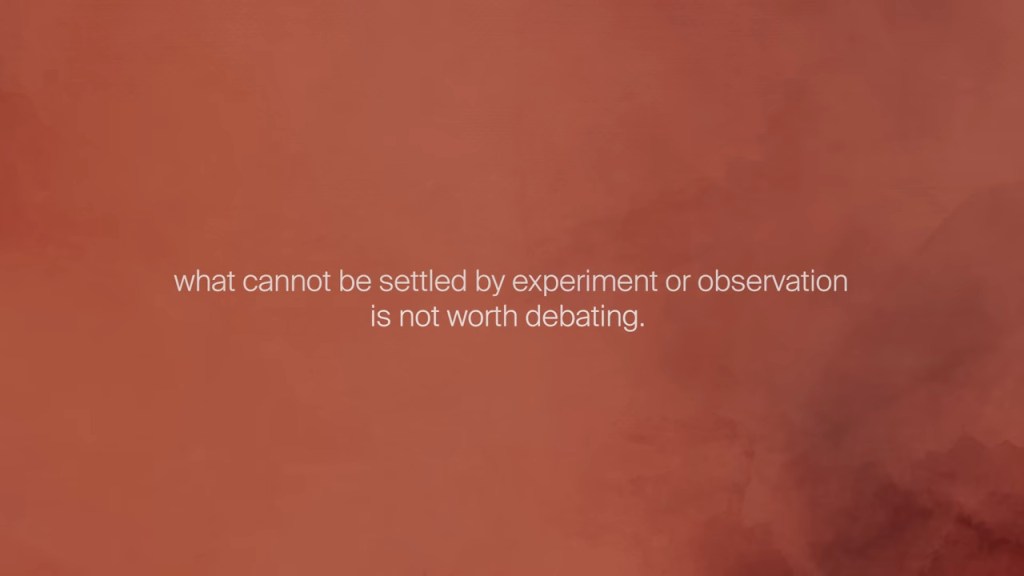
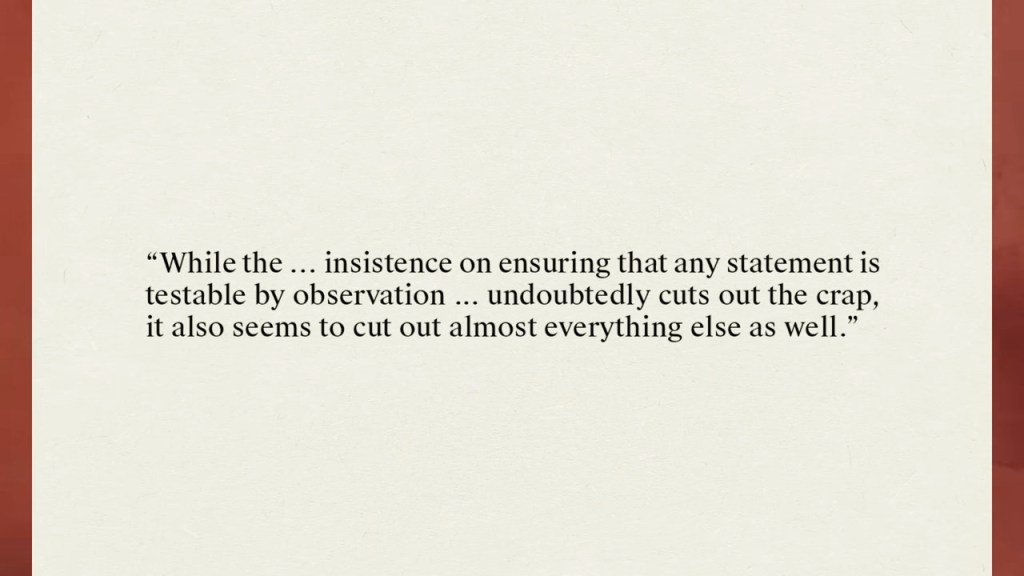
| Though this is a powerful way of narrowing in on only what can be practically engaged with, like in the case of Marie here, it can also risk taking everything down with it. Because, of course, so much of reality cannot be settled by clear experiment or observation. And in the words of Alder himself, referring to his own razor: | Tuy đây là một cách mạnh mẽ để thu hẹp cuộc trao đổi vào những gì thật sự có thể kiểm chứng và tiếp cận được – như cách Marie đang làm – nhưng nó cũng có nguy cơ cuốn trôi mọi thứ theo nó. Vì thực tế, có quá nhiều khía cạnh của đời sống không thể được giải quyết bằng thí nghiệm hoặc quan sát rõ ràng. Chính Alder cũng từng nói về “lưỡi dao” của mình rằng: |
| “While the … insistence on ensuring that any statement is testable by observation … undoubtedly cuts out the crap, it also seems to cut out almost everything else as well.” | “Dù việc kiên quyết đòi hỏi mọi phát biểu đều phải kiểm chứng được bằng quan sát chắc chắn sẽ loại bỏ được những thứ vô nghĩa, thì nó cũng gần như loại bỏ sạch sẽ mọi thứ khác theo nó luôn.” |
| “Maybe not for the purposes of truth, but … for wonder and the openness to possibility, I think it is worth debating,” Sean concluded. | “Có thể là việc tranh luận về nó không hữu ích trong việc đi tìm sự thật tuyệt đối… nhưng nếu nó có ích trong việc giúp ta giữ được sự kinh ngạc, sự mở lòng trước các khả năng, thì anh nghĩ vẫn đáng để tranh luận,” Sean kết luận. |
| Marie thought to herself for a moment. Then, she smiled. “I agree with that actually,” she said. | Marie suy nghĩ một lát. Rồi cô mỉm cười. “Thật ra em đồng ý với điều đó,” cô nói. |
| “Good,” Sean said, smiling back. | “Tốt,” Sean đáp lại, cũng mỉm cười. |
| The two lifted and clinked their coffee cups together. | Cả hai cùng nâng tách cà phê của mình, và nhẹ nhàng cụng ly. |
| Here, Marie and Sean, together, pointed at something perhaps more important than the dynamics and methods of argumentation. That is, how and why we might argue to begin with, what arguments are worth having, how we might go about them successfully, and what the ultimate goals of an argument are—or should likely be. | Ở khoảnh khắc ấy, Sean và Marie đã chạm tới một điều có lẽ còn quan trọng hơn cả cách tranh luận hay các phương pháp lập luận. Đó là: vì sao chúng ta tranh luận ngay từ đầu, cách chúng ta tranh luận, những cuộc tranh luận nào thật sự đáng có, cách để chúng diễn ra hiệu quả, và đâu mới là mục đích cuối cùng – hay nên là mục đích cuối cùng – của một cuộc tranh luận. |
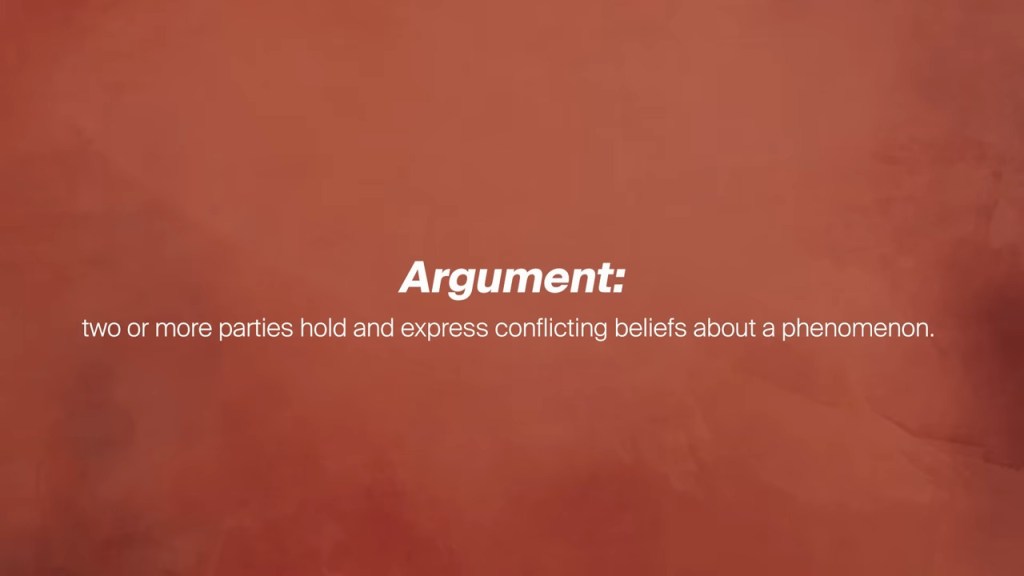
| Fundamentally, an argument arises when two or more parties hold and express conflicting beliefs about a phenomenon. Being a species that sees reality through the tiny pinhole of its consciousnesses—whose view is significantly skewed by time, place, culture, and personal psychology—it is only natural that people often see, feel, and believe different things. | Về bản chất, tranh luận nảy sinh khi hai hay nhiều người cùng giữ và bộc lộ những niềm tin trái ngược nhau về một hiện tượng nào đó. Loài người chúng ta nhìn thế giới qua một “lỗ kim” rất nhỏ của ý thức – một góc nhìn bị chi phối mạnh mẽ bởi thời gian, nơi chốn, văn hóa và tâm lý cá nhân – nên việc mỗi người thấy, cảm, và tin vào những điều khác nhau là hoàn toàn tự nhiên. |
| Moreover, our sense of identity is largely built on these experiences and beliefs, so any challenge to them can feel like a challenge against us. | Hơn nữa, cảm giác về “bản ngã” của chúng ta phần lớn được xây dựng từ những trải nghiệm và niềm tin ấy, thế nên khi ai đó chất vấn chúng, ta rất dễ cảm nhận như họ đang chất vấn chính con người mình. |
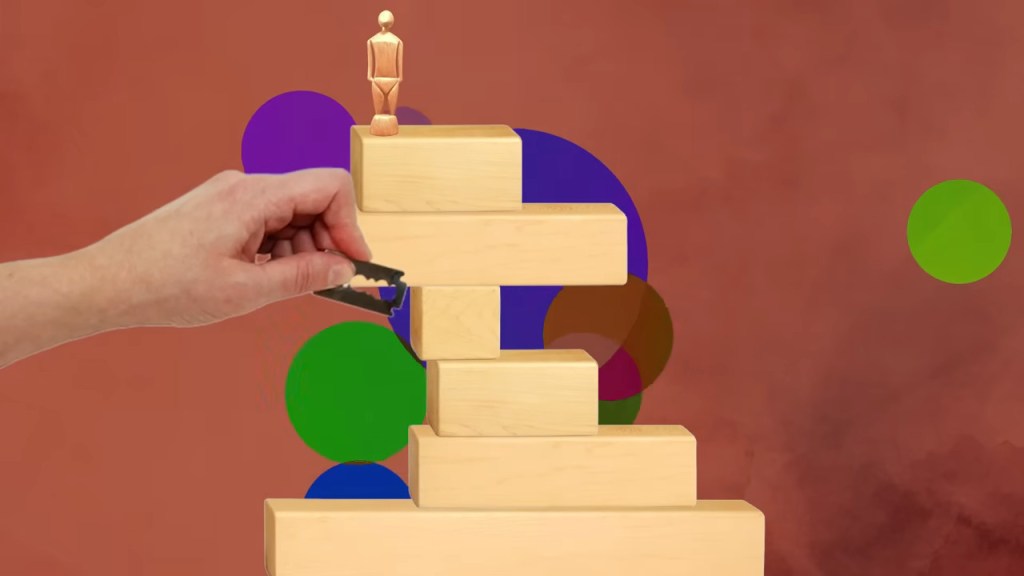
| Being wrong, or admitting to being wrong, is an existential threat. It hurts to be wrong in general, but it is unbearable when it is about something we’ve built our identity, life, or worldview around. In these moments, it is revealed to us just how fallible, ignorant, and brittle we are—that part or all of our source of meaning or truth, which we have used as an anchor against the currents of futility, is weak or touching nothing. | Sai – hay thừa nhận mình sai – có thể khiến ta có cảm giác chính sự tồn tại của mình đang bị đe dọa. Bị sai bao giờ cũng khó chịu, nhưng nó có thể trở nên không thể chịu đựng nổi khi điều sai ấy liên quan đến một phần quan trọng trong danh tính, cuộc đời, hay cách ta nhìn thế giới. Trong những khoảnh khắc như vậy, ta chợt thấy rõ mình mong manh, dễ sai, và thiếu hiểu biết đến mức nào – rằng một phần, thậm chí toàn bộ điểm tựa ý nghĩa và sự thật mà ta vẫn cố bám víu vào để không bị cuốn trôi bởi cảm giác vô nghĩa, hóa ra lại yếu ớt, hoặc chẳng nương tựa vào đâu cả. |
| As a result, for many of us, we don’t see arguments as opportunities for new understandings or more optimal outcomes. Instead, we often see them as opportunities to reaffirm ourselves and feel the pride of ownership over some material of reality—regardless of the material’s use or validity. | Vì thế, với rất nhiều người, tranh luận không được coi như một cơ hội để hiểu biết thêm, hay tìm ra hướng đi tốt hơn. Thay vào đó, ta thường xem chúng như dịp để tự khẳng định bản thân, để cảm thấy tự hào vì “sở hữu” một mảnh nào đó của sự thật – bất kể mảnh đó có đúng đắn hay hữu ích hay không. |
| But of course, the irony is, in arguing chiefly to win, and in holding so tightly onto our belief anchors, we only work to perpetuate the depth of our ignorance and our susceptibility to being wrong. We remain stuck in place as the world flows by us. | Nhưng trớ trêu thay, khi chúng ta tranh luận chỉ để thắng và bám chặt vào những niềm tin cũ ta đã có sẵn, ta càng nuôi dưỡng sự thiếu hiểu biết của chính mình, và càng dễ sai hơn. Ta đứng yên một chỗ, trong khi thế giới vẫn tiếp tục trôi đi. |
| This is why it is so crucial to learn how to argue well. Not to always win, but to always be improving how we think and see the world—to maintain greater openness to possibility and the adoption of new, better ideas. To paraphrase world champion debater Bo Seo: | Và đó chính là lý do vì sao biết cách tranh luận đúng cách lại quan trọng đến vậy. Không phải để lúc nào cũng thắng, mà để không ngừng cải thiện cách ta suy nghĩ và nhìn nhận thế giới — để giữ được sự cởi mở với những khả năng mới và sẵn sàng tiếp nhận những ý tưởng tốt hơn. Nói theo cách của nhà vô địch tranh biện thế giới Bo Seo: |
| “Intelligence is knowing how to win an argument. Wisdom is knowing whether an argument is worth engaging in–which parts, if any—and why.” | “Thông minh là biết cách thắng một cuộc tranh luận. Thông thái là biết cuộc tranh luận nào đáng để tham gia, tham gia phần nào, và vì sao.” |

| In a world that is increasingly fragmented by technology and algorithms, where information abounds, but shared truths have seemingly been eroded by the overflow, there is no shortage of things to argue over. Everything has always been up for debate, but now, there is so much more of everything. More optimally dealing with this condition of the world does not involve winning more arguments, but participating in them more selectively and thoughtfully. | Trong một thế giới ngày càng bị phân mảnh bởi công nghệ và thuật toán – nơi thông tin thì vô kể, nhưng những sự thật chung dường như bị bào mòn bởi sự tràn ngập ấy – chúng ta chưa bao giờ thiếu thứ để tranh luận. Xưa nay, mọi điều đều có thể đem ra bàn cãi, nhưng bây giờ, mọi thứ đều nhiều hơn, phức tạp hơn, và dễ gây xung đột hơn. Cách ứng xử tốt hơn trong bối cảnh này không nằm ở việc thắng nhiều cuộc tranh luận hơn, mà ở việc chọn lọc và tham gia vào các cuộc tranh luận một cách có suy nghĩ hơn. |
| Seo suggests a simple framework for this, called “the RISA framework”. Before engaging in any disagreement, we should ask the following four questions. | Seo gợi ý một khung tư duy đơn giản gọi là “khung RISA”. Trước khi bước vào bất kỳ cuộc bất đồng nào, ta nên tự hỏi bốn câu sau: |
| One, “Is it REAL?” That is, is the disagreement based on a genuine divergence, or is it a simple misunderstanding? | Một, “Nó có thật không?”Tức là, bất đồng này có thực sự đến từ sự khác biệt trong quan điểm, hay chỉ là do hiểu lầm? |
| Two, “Is it IMPORTANT?” Does the subject warrant time and effort, and could debate around it produce a meaningful, productive outcome? | Hai, “Nó có quan trọng không?”Chủ đề này có đáng để bỏ thời gian và công sức ra tranh luận không, và liệu việc tranh luận về nó có thể đem lại kết quả tích cực, có ý nghĩa không? |
| Three, “Is it SPECIFIC?” Is the disagreement over something clear and concrete? | Ba, “Nó có cụ thể không?”Bất đồng này có xoay quanh một vấn đề rõ ràng, cụ thể, hay chỉ là những khái niệm mơ hồ, dễ đẩy cuộc tranh luận đi lan man? |
| And four, “Are we ALIGNED?” That is, are all parties aligned on the goal of the argument—specifically, one that is fair and results in resolution? | Bốn, “Chúng ta có đồng thuận về mục tiêu không?”Nghĩa là, các bên có cùng hướng tới một mục tiêu tranh luận công bằng, thiện chí, và mong muốn đi đến một sự thống nhất hay không? |
| For Seo, if the answer to any of these questions is “no,” then the argument is likely best avoided—or at least paused and reframed until those conditions can be met. | Theo Seo, nếu câu trả lời cho bất kỳ câu hỏi nào trong số này mà là “không”, thì cuộc tranh luận đó tốt nhất nên tránh – hoặc tạm dừng, và điều chỉnh lại cho đến khi những điều kiện này được đáp ứng. |
| Though this is a solid framework, of course, things are rarely that simple or clear. And Seo recognizes this. He says: | Dù đây là một khung tư duy rất vững, thực tế hiếm khi đơn giản hay rõ ràng đến vậy. Và Seo cũng thừa nhận điều đó. Anh nói: |
| “One of the limitations of the RISA Framework that I worry about is that it is increasingly difficult to find the right kind of alignment in people’s interests for wanting to engage in a disagreement. So, if you have two sides that simply want to hurt one another’s feelings, that’s some kind of alignment, but not the right kind that leads to productive conversations.” | “Điều khiến tôi lo về Khung RISA là việc ngày càng khó tìm được sự đồng điệu đúng nghĩa trong mong muốn của mọi người khi bước vào một cuộc bất đồng. Nếu hai bên chỉ muốn làm tổn thương nhau, thì đúng là họ có đồng thuận – nhưng đó lại không phải kiểu đồng thuận mà có thể dẫn đến một cuộc trò chuyện lành mạnh và hiệu quả.” |
| Moreover, our goals can often be hidden—from others and even ourselves. We might think we want resolution, but what we really want deep down is to hear our own voice be the loudest. And more broadly, who defines what is important, real, or productive? Are those not also up for debate? What framework might we use for debating the meta layers of frameworks themselves? | Bên cạnh đó, mục tiêu thật sự của chúng ta đôi khi lại nằm sâu bên dưới – giấu với người khác, thậm chí giấu với chính chúng ta. Ta có thể nghĩ rằng mình muốn đi đến giải pháp, nhưng sâu thẳm lại chỉ muốn tiếng nói của mình vang to nhất. Và rộng hơn, ai mới là người quyết định điều gì là quan trọng, là thật, là mang tính xây dựng? Những điều ấy chẳng phải cũng có thể đem ra tranh luận sao? Vậy chúng ta sẽ dùng khung nào để tranh luận về… chính các khung tranh luận? |
| Needless to say, no matter what we do, we have and will continue to find ourselves in disagreements of all kinds—big and small; serious and trivial; worthy and irrelevant; between friends, family, groups, communities, cultures, and nations. | Rõ ràng, dù ta làm gì, chúng ta vẫn sẽ tiếp tục rơi vào vô số cuộc bất đồng – lớn có, nhỏ có; nghiêm túc có, vụn vặt có; đáng bàn có, vô nghĩa cũng có – giữa bạn bè, gia đình, nhóm, cộng đồng, văn hóa, và cả các quốc gia. |
| Frameworks like RISA are useful for determining what arguments are worth getting into, and philosophical razors are powerful tools to help parse which ideas and explanations are worth taking seriously within an argument. But perhaps more important than any framework or tool are the sensibilities and attitudes we carry in and out of arguments. | Những khung như RISA giúp ta nhận diện xem cuộc tranh luận nào đáng tham gia. Những “lưỡi dao triết học” giúp ta sàng lọc xem ý tưởng nào đáng được xem xét nghiêm túc trong lúc tranh luận. Nhưng có lẽ, quan trọng hơn mọi khung lý thuyết hay mọi công cụ, chính là thái độ và cảm quan mà ta mang theo khi bước vào – và khi bước ra khỏi – một cuộc tranh luận. |
| Ultimately, so much of the world, of selfhood, of existence cannot be explained, tested, or known—at least not yet, by us. And so much of what can be tested and seemingly known can and often does change or reveal itself to be wrong or incomplete—whether through the flux of reality or the improvement of our ability to interface with reality. | Suy cho cùng, rất nhiều điều trong thế giới này, trong chính bản thân ta, trong sự tồn tại… không thể được giải thích, kiểm chứng hay biết chắc – ít nhất là cho đến thời điểm hiện tại. Và những gì có thể kiểm chứng được, tưởng như chắc chắn, thì lại hoàn toàn có thể thay đổi, hoặc bị chứng minh là sai hay chưa đầy đủ — bởi sự vận hành của thực tại hoặc bởi việc ta tiến bộ hơn trong cách tiếp cận thực tại. |
| And so, we will win more arguments and debates not by having the last word or by walking away with the prize of an opponent’s concession, but by recognizing and embracing perhaps the only knowable, consistent truth: “We almost never know what we are talking about.” | Vì vậy, ta sẽ “thắng” nhiều cuộc tranh luận hơn – không phải bằng việc là người đưa ra được tiếng nói cuối cùng, hay khiến đối phương phải thừa nhận họ sai, mà bằng cách nhận ra và chấp nhận một sự thật duy nhất có thể coi là chắc chắn: “Trong phần lớn mọi trường hợp, chúng ta không thật sự biết mình đang nói về điều gì.” |
| But just as Sean and Marie ultimately realized, this matters far less than the fact that we are talking—that, together, we are continuing to wonder, and question, and explore; that we are expressing and listening; that we are knowing and not knowing; that we are trying and improving. ■ | Nhưng, giống như Sean và Marie cuối cùng cũng hiểu ra, điều đó lại không quan trọng bằng việc ta vẫn đang trò chuyện – rằng chúng ta vẫn tiếp tục ngạc nhiên, tiếp tục đặt câu hỏi, tiếp tục khám phá; rằng ta vẫn đang nói và lắng nghe; đang biết và không biết; đang cố gắng và đang trưởng thành. ■ |
| By Pursuit of Wonder (@PursuitofWonder) | Tác giả: Pursuit of Wonder (@PursuitofWonder) |
| Fostering reflection through powerful ideas and stories. | Khơi gợi suy ngẫm bằng những ý tưởng giàu sức nặng và những câu chuyện chạm tới lòng người. |
| Wonder is the feeling of curiosity and appreciation inspired by something beautiful, inexplicable, or unfamiliar. At Pursuit of Wonder, we create work with the aim of producing that feeling. | “Sự kinh ngạc” là cảm giác tò mò xen lẫn trân trọng khi ta bắt gặp điều gì đó đẹp đẽ, khó lý giải hoặc hoàn toàn xa lạ. Tại Pursuit of Wonder, chúng tôi tạo ra những tác phẩm với mong muốn đánh thức chính cảm giác ấy trong người xem. |
| Through video essays, short stories, guided experiences, books, and more, we explore a wide range of topics related to philosophy, psychology, science, literature, well-being, and more. | Thông qua các video luận bàn, truyện ngắn, hành trình trải nghiệm, sách và nhiều hình thức khác, chúng tôi mở ra những góc nhìn đa dạng về triết học, tâm lý học, khoa học, văn chương, đời sống tinh thần và vô vàn chủ đề khác. |
| We believe in facing the challenges and complexities of life head-on, and in doing so, we strive to inspire a reconnection with child-like wonder and a comfort with the uncertainty and absurdity of existence. | Chúng tôi tin vào việc đối diện trực diện với những thách thức và phức tạp của cuộc sống. Và qua đó, chúng tôi hy vọng khơi lại trong mỗi người sự ngạc nhiên hồn nhiên của thuở nhỏ, cùng một thái độ bình thản trước những điều mơ hồ và đôi khi phi lý của đời sống. |
| November 20, 2025 | Ngày 20 tháng 11 năm 2025 |
Bạn có thể tải miễn phí bộ học liệu được xây dựng từ bài đọc này tại đây:
https://drive.google.com/drive/folders/1kWCOVCR6WUfvLVMM-iYEE8VLbw1bgA15?usp=sharing


BẢNG CHÚ THÍCH TỪ MỚI
| STT | Từ | Loại từ | Nghĩa tiếng Anh | Nghĩa tiếng Việt | Câu ví dụ |
|---|---|---|---|---|---|
| 1 | critical thinking | noun | the ability to analyse and evaluate information logically | tư duy phản biện | Critical thinking helps debaters avoid emotional reasoning and focus on evidence. |
| 2 | decision-making | noun | the process of making choices based on reasoning | quá trình ra quyết định | Effective decision-making in a debate requires weighing multiple perspectives. |
| 3 | philosophical razor | noun | a rule for eliminating unlikely explanations | lưỡi dao triết học | She applied a philosophical razor to remove weak arguments from the discussion. |
| 4 | illuminate | verb | to clarify or make something easier to understand | làm sáng tỏ | His example helped illuminate the core issue in their disagreement. |
| 5 | sharpen | verb | to improve or make more precise | mài giũa, làm sắc bén | Debating regularly can sharpen your analytical skills. |
| 6 | reshape | verb | to change the form or structure of something | định hình lại, thay đổi | New evidence may reshape the entire direction of an argument. |
| 7 | the way we navigate disagreement | phrase | how we manage or move through conflict | cách ta xử lý bất đồng | Emotional awareness deeply affects the way we navigate disagreement. |
| 8 | a lens into | phrase | a perspective that helps us examine something | một lăng kính để nhìn vào | Each debate provides a lens into how people form beliefs. |
| 9 | affecting | adj | moving or emotionally impactful | gây xúc động, tác động mạnh | The story he shared was deeply affecting and changed the tone of the debate. |
| 10 | a military veteran | noun phrase | a person who served in the armed forces | cựu quân nhân | In the debate, he spoke with the discipline of a military veteran. |
| 11 | regimented | adj | strictly controlled or organised | có tính kỷ luật cao, khuôn phép | Her regimented approach to arguments made her very persuasive. |
| 12 | disciplined | adj | showing control and orderliness | có kỷ luật | A disciplined debater stays focused even when challenged. |
| 13 | prioritize | verb | to treat something as more important | ưu tiên | In a debate, we must prioritize logic over emotion. |
| 14 | casualness | noun | relaxed, informal behaviour | sự thoải mái, không quá nghiêm túc | His casualness during the debate made others underestimate his arguments. |
| 15 | going with the flow | phrase | accepting things without resisting | tùy cơ ứng biến, thuận theo tự nhiên | In discussions, going with the flow can sometimes prevent unnecessary conflict. |
| 16 | undertone | noun | a subtle or hidden meaning | ẩn ý, sắc thái ngầm | There was an undertone of sarcasm in her rebuttal. |
| 17 | unsettling | adj | disturbing or causing discomfort | gây khó chịu, bất an | His sudden change of argument was unsettling for the panel. |
| 18 | incident | noun | an event, usually unexpected | sự kiện, vụ việc | The heated incident between two speakers shifted the debate’s atmosphere. |
| 19 | dismiss a theory outright | phrase | reject completely without consideration | bác bỏ hoàn toàn một lý thuyết | She refused to dismiss the theory outright until all evidence was reviewed. |
| 20 | a hardened materialist | noun phrase | someone who strongly believes only physical reality exists | người theo chủ nghĩa duy vật cực đoan | As a hardened materialist, he rejected any argument lacking empirical data. |
| 21 | (to be) far from convinced | phrase | not believing something at all | hoàn toàn không bị thuyết phục | I’m far from convinced by an argument that relies on assumptions instead of facts. |
| 22 | somewhat | adverb | to a moderate degree | phần nào, hơi | I’m somewhat persuaded, but the evidence still feels insufficient. |
| 23 | align in their worldviews | phrase | share similar beliefs or perspectives | đồng điệu trong thế giới quan | Effective debate requires participants to align in their worldviews about what counts as evidence. |
| 24 | the malleability of their conversations | phrase | how flexible or adaptable their dialogue is | tính linh hoạt của cuộc trò chuyện | The malleability of their conversations allowed them to adjust their arguments respectfully. |
| 25 | draft | noun | a current of air | luồng gió | A draft of scepticism entered the room when he questioned her premise. |
| 26 | coincidence | noun | an unexpected event with no apparent connection | sự trùng hợp | He argued that their agreement was not a coincidence, but a logical conclusion. |
| 27 | embody | verb | to represent or express something clearly | hiện thân, biểu hiện | Her calm tone embodied the spirit of constructive argument. |
| 28 | profound | adj | deep, meaningful | sâu sắc | His profound question shifted the entire debate. |
| 29 | dynamic | noun | the pattern of interaction between people | động lực, tương tác | The dynamic between the speakers became tense as disagreements intensified. |
| 30 | broadly | adverb | generally, without detail | nói chung, về tổng thể | Broadly speaking, both sides agreed that evidence should guide the debate. |
| 31 | mechanism | noun | a system or process by which something works | cơ chế | Every debate has a mechanism for deciding which argument is stronger. |
| 32 | principle | noun | a fundamental truth or rule | nguyên tắc | A key principle of argumentation is to respond to ideas, not people. |
| 33 | navigate between and around something | phrase | to move through complex issues carefully | xoay xở, điều hướng trong sự phức tạp | Skilled debaters navigate between and around emotional triggers to stay logical. |
| 34 | perception | noun | the way something is understood or interpreted | nhận thức | Our perception of an issue often shapes the arguments we choose. |
| 35 | regardless of | preposition | despite; without being affected by | bất kể | Regardless of who is speaking, every claim must be supported by evidence. |
| 36 | assumption | noun | something accepted as true without proof | giả định | His entire argument collapsed once his central assumption was questioned. |
| 37 | confusion | noun | lack of clarity or understanding | sự nhầm lẫn | The moderator stepped in when confusion arose about the definition of “evidence.” |
| 38 | complexity | noun | difficulty due to many interconnected parts | sự phức tạp | They tried to simplify the complexity of the issue before debating it. |
| 39 | premise | noun | a statement forming the basis of an argument | tiền đề | If the premise is flawed, the entire argument becomes unreliable. |
| 40 | the alignment of factors | phrase | the way elements come together to produce a result | sự sắp xếp/ăn khớp của các yếu tố | The alignment of factors made her explanation far more plausible than her opponent’s. |
| 41 | simpler alternatives | noun phrase | explanations requiring fewer assumptions | những phương án đơn giản hơn | In debating, always consider simpler alternatives before accepting a complex claim. |
| 42 | a supernatural event | noun phrase | an occurrence beyond natural explanation | sự kiện siêu nhiên | He used it as an example of a supernatural event, though the panel demanded evidence. |
| 43 | earnestly | adverb | sincerely and seriously | một cách nghiêm túc, chân thành | She asked earnestly whether the argument was based on fact or emotion. |
| 44 | instance | noun | an example or occurrence | trường hợp | This debate provides an instance of how bias can distort reasoning. |
| 45 | supernatural entities and phenomena | noun phrase | beings or events beyond physical reality | thực thể và hiện tượng siêu nhiên | Claims about supernatural entities and phenomena require stronger justification in a debate. |
| 46 | encounter | verb | to face or come across | bắt gặp, đối mặt | He frequently encounters weak analogies in public debates. |
| 47 | personal anecdote | noun phrase | a story about one’s own experience | giai thoại cá nhân | A personal anecdote can be persuasive, but it is not strong evidence in a formal argument. |
| 48 | ambiguous | adj | unclear or open to multiple interpretations | mơ hồ | Her statement was too ambiguous to support as a factual argument. |
| 49 | questionable | adj | doubtful or unreliable | đáng ngờ | The data he cited was questionable, weakening his overall stance. |
| 50 | popularize | verb | to make something widely known | phổ biến hóa | The philosopher helped popularize this argumentative principle in academic circles. |
| 51 | astronomer | noun | a scientist who studies the universe | nhà thiên văn học | An astronomer once argued that extraordinary claims demand extraordinary proof. |
| 52 | extraordinary | adj | very unusual or exceptional | phi thường | He made an extraordinary claim but offered only ordinary evidence. |
| 53 | when the claims undermine expectations | phrase | when a statement contradicts what is normally assumed | khi các tuyên bố làm lung lay kỳ vọng | Listeners become skeptical when the claims undermine expectations without solid evidence. |
| 54 | norms | noun | accepted standards or rules | chuẩn mực | Debaters should recognise when arguments challenge social norms. |
| 55 | scientific understanding | noun phrase | knowledge based on scientific principles | hiểu biết khoa học | Her reasoning aligned with current scientific understanding, making her argument compelling. |
| 56 | be proportionally large | phrase | to be appropriately big in relation to something | tương xứng, lớn theo tỷ lệ | The evidence must be proportionally large to match the scale of an extraordinary claim. |
| 57 | discount extraordinary possibilities outright | phrase | reject unusual explanations without consideration | bác bỏ hoàn toàn khả năng phi thường | Good debaters don’t discount extraordinary possibilities outright—they ask for evidence. |
| 58 | a standard of measurement | noun phrase | a criterion for judging something | tiêu chuẩn đo lường | The panel used a standard of measurement to evaluate the strength of each claim. |
| 59 | burden of proof | noun phrase | the obligation to provide evidence | gánh nặng chứng minh | In formal debates, the burden of proof lies with the person making the assertion. |
| 60 | something otherworldly | phrase | something seemingly beyond normal reality | điều gì đó siêu nhiên, khác thường | He argued that the event felt like something otherworldly, but no one accepted it without proof. |
| 61 | his evidence must rise to meet the implications of that claim | phrase | the proof must be strong enough to match the significance of the argument | bằng chứng phải đủ mạnh để tương xứng với tầm ảnh hưởng của lập luận | In the debate, the moderator reminded him that his evidence must rise to meet the implications of that claim. |
| 62 | that is evidence in and of itself | phrase | something that alone counts as evidence | bản thân điều đó đã là bằng chứng | The consistency of her reasoning was evidence in and of itself that she had prepared thoroughly. |
| 63 | beyond explanation | phrase | impossible to explain | vượt ngoài khả năng giải thích | He insisted the event was beyond explanation, but the panel urged him to stay rational. |
| 64 | respond sincerely | phrase | to answer with honesty and seriousness | đáp lại một cách chân thành | She tried to respond sincerely even though the question challenged her viewpoint. |
| 65 | named after | phrase | given the name of someone | được đặt tên theo ai đó | The principle was named after a philosopher known for his strict logic. |
| 66 | be asserted without evidence | phrase | to be claimed without support | được khẳng định mà không có bằng chứng | Arguments asserted without evidence fail quickly in competitive debates. |
| 67 | be dismissed without evidence | phrase | to be rejected without needing proof | bị bác bỏ mà không cần bằng chứng | The judge reminded them that claims asserted without evidence may be dismissed without evidence. |
| 68 | allude to | verb | to refer indirectly | ám chỉ | The speaker seemed to allude to a flaw in her opponent’s logic without stating it outright. |
| 69 | the burden of proof always rests on those who make the claim | phrase | people making assertions must justify them | gánh nặng chứng minh luôn nằm ở người đưa ra tuyên bố | Coaches often remind students that the burden of proof always rests on those who make the claim. |
| 70 | a productive discussion | phrase | a conversation that leads to progress or clarity | cuộc thảo luận mang tính xây dựng | The debate turned into a productive discussion once both sides focused on evidence. |
| 71 | the absurdity of the event | phrase | how strange or unreasonable something seems | sự phi lý của sự kiện | He argued that the absurdity of the event proved something deeper, but others remained doubtful. |
| 72 | say something matter-of-factly | phrase | speak in a straightforward, unemotional way | nói điều gì đó một cách thẳng thắn, không cảm xúc | She said matter-of-factly that his premise was unsupported. |
| 73 | test all the variables | phrase | to examine every possible factor | kiểm tra tất cả các biến số | Before accepting a claim, good debaters try to test all the variables. |
| 74 | testable | adj | able to be examined or verified | có thể kiểm chứng | An argument must be testable before it can be taken seriously. |
| 75 | knowable | adj | able to be understood or discovered | có thể biết được | Some philosophical questions debated for hours may not be fully knowable. |
| 76 | murmur | verb | to speak softly or indistinctly | thì thầm, nói nhỏ | He murmured his disagreement, avoiding direct confrontation. |
| 77 | concession | noun | an admission that the opposing side has a point | sự nhượng bộ | Her concession changed the mood of the debate and increased mutual respect. |
| 78 | suppose | verb | to assume or consider as a possibility | giả sử, cho rằng | “Let’s suppose your argument is true—what follows from it?” the judge asked. |
| 79 | mathematician | noun | a scholar specialising in mathematics | nhà toán học | A mathematician once proposed a razor that removes untestable arguments from debate. |
| 80 | be settled by experiment or observation | phrase | can be resolved through empirical testing | được giải quyết bằng thí nghiệm hoặc quan sát | Some disputes in science can be settled by experiment or observation, unlike moral debates. |
| 81 | narrowing in | phrase | focusing more precisely on something | thu hẹp, tập trung vào | Both sides began narrowing in on the exact point of disagreement. |
| 82 | what can be practically engaged with | phrase | what can realistically be examined or discussed | điều có thể thực sự bàn luận, kiểm chứng | Debaters should focus on what can be practically engaged with, not abstract speculation. |
| 83 | refer to | verb | to mention or direct attention to something | đề cập đến | He kept referring to outdated data, weakening his argument. |
| 84 | the insistence on doing something | phrase | a firm demand or persistence | sự khăng khăng làm điều gì | Her insistence on defining every term prolonged the debate unnecessarily. |
| 85 | cut out the crap | phrase (informal) | remove irrelevant or low-quality material | loại bỏ những thứ vớ vẩn, không liên quan | The professor advised them to cut out the crap and focus on the argument’s core. |
| 86 | the dynamics of something | phrase | the patterns of interaction within a system | động lực, sự tương tác | Understanding the dynamics of a debate helps speakers anticipate counterarguments. |
| 87 | go about doing something | phrase | to approach or handle a task | bắt tay vào, tiến hành | He wasn’t sure how to go about challenging her argument without sounding aggressive. |
| 88 | the ultimate goals of doing something | phrase | the most important underlying purposes | mục tiêu cuối cùng | The ultimate goals of debating are clarity, understanding, and intellectual growth. |
| 89 | fundamentally | adverb | at the most basic level | về bản chất, cơ bản | Fundamentally, both sides wanted the same outcome, even though they argued fiercely. |
| 90 | arise | verb | to emerge or come into being | nảy sinh | Conflicts often arise when definitions are unclear in a debate. |
| 91 | parties (in a legal agreement or argument) | noun | people or groups involved in a dispute or agreement | các bên tham gia | Both parties agreed to follow the debate rules before proceeding. |
| 92 | a tiny pinhole | noun phrase | a very narrow or limited viewpoint | một lỗ nhỏ, góc nhìn hạn hẹp | We often argue from a tiny pinhole of our own experience. |
| 93 | someone’s view is skewed by something | phrase | a person’s perspective is distorted by an influence | góc nhìn bị lệch bởi điều gì đó | His view was skewed by personal bias, weakening his argument. |
| 94 | sense of identity | noun phrase | one’s understanding of who they are | cảm nhận về bản thân | When arguments threaten our sense of identity, we become defensive. |
| 95 | an existential threat | noun phrase | something that feels like a threat to one’s core existence | mối đe dọa hiện sinh | Being proven wrong felt like an existential threat to him during the debate. |
| 96 | unbearable | adj | impossible to tolerate | không thể chịu nổi | She found it unbearable to admit her opponent had a stronger point. |
| 97 | fallible | adj | capable of making mistakes | có thể sai lầm | Good debaters accept that humans are fallible and revise their arguments accordingly. |
| 98 | ignorant | adj | lacking knowledge or awareness | thiếu hiểu biết | He wasn’t ignorant—he simply hadn’t encountered that evidence before. |
| 99 | brittle | adj | easily broken; fragile | dễ vỡ, mong manh | A belief system becomes brittle if it cannot withstand scrutiny in debate. |
| 100 | an anchor | noun | something that provides stability | cái neo, điểm tựa | People often cling to their beliefs like an anchor during heated discussions. |
| 101 | futility | noun | uselessness; pointlessness | sự vô ích | Continuing the argument felt like futility, as neither side was listening. |
| 102 | more optimal outcomes | phrase | better or more effective results | kết quả tối ưu hơn | Debating calmly usually leads to more optimal outcomes. |
| 103 | reaffirm yourself | phrase | to reinforce your own identity or position | khẳng định lại bản thân | Some people argue not for truth but to reaffirm themselves. |
| 104 | ownership over something | phrase | control or possession of an idea | quyền sở hữu đối với điều gì đó | He acted as though he had ownership over the definition of truth. |
| 105 | validity | noun | soundness or truthfulness of an argument | tính hợp lý | The validity of her argument depended on accurate data. |
| 106 | the irony | noun | a surprising or contradictory situation | sự trớ trêu | The irony was that while trying to prove he was open-minded, he ignored all opposing evidence. |
| 107 | arguing chiefly to win | phrase | debating primarily with the goal of victory | tranh luận chỉ để thắng | Arguing chiefly to win often prevents genuine understanding. |
| 108 | holding so tightly onto our belief anchors | phrase | clinging strongly to established beliefs | bám chặt vào những niềm tin của mình | Holding so tightly onto our belief anchors makes real dialogue impossible. |
| 109 | perpetuate | verb | to continue or prolong something | duy trì, kéo dài | Repeating weak arguments only perpetuates misunderstanding. |
| 110 | ignorance | noun | lack of knowledge | sự thiếu hiểu biết | Debates can expose not only ideas but also our own ignorance. |
| 111 | susceptibility to being wrong | noun phrase | likelihood of making errors | khả năng dễ mắc sai lầm | Recognising our susceptibility to being wrong leads to better reasoning. |
| 112 | fragmented | adj | broken into parts; lacking cohesion | rời rạc | Public discourse has become fragmented, making consensus harder. |
| 113 | algorithms | noun | programmed procedures used by computers | thuật toán | Online algorithms often amplify extreme arguments. |
| 114 | information abounds | phrase | there is a large amount of information | thông tin tràn ngập | In an age where information abounds, distinguishing truth becomes harder. |
| 115 | eroded by the overflow | phrase | weakened due to excess | bị bào mòn bởi sự tràn ngập | Shared understanding has been eroded by the overflow of conflicting information. |
| 116 | there is no shortage of something | phrase | there is plenty of something | không thiếu thứ gì | There is no shortage of controversial topics to debate today. |
| 117 | up for debate | phrase | open to discussion; unsettled | còn tranh cãi | Whether his claim is valid is still up for debate. |
| 118 | a genuine divergence | phrase | a true difference in opinions | sự khác biệt thực sự | The debate revealed a genuine divergence in how they interpret evidence. |
| 119 | a simple misunderstanding | phrase | a basic confusion between parties | một sự hiểu lầm đơn giản | What seemed like a major conflict was actually a simple misunderstanding. |
| 120 | the subject warrants time and effort | phrase | the topic is important enough to discuss deeply | chủ đề đáng để đầu tư thời gian và công sức | The judge ruled that the subject warrants time and effort, so the debate continued. |
| 121 | produce a meaningful, productive outcome | phrase | to generate a useful and constructive result | tạo ra kết quả hữu ích, mang tính xây dựng | A debate only matters if it can produce a meaningful, productive outcome. |
| 122 | clear and concrete | phrase | specific and easy to define | rõ ràng và cụ thể | Arguments must be clear and concrete to avoid unnecessary confusion. |
| 123 | all parties are aligned on something | phrase | everyone involved agrees on a shared goal | tất cả các bên đồng thuận về điều gì đó | A debate becomes smoother when all parties are aligned on what counts as valid evidence. |
| 124 | something that results in resolution | phrase | something that leads to a clear conclusion | điều dẫn đến sự giải quyết | The moderator encouraged them to pursue something that results in resolution. |
| 125 | reframed | verb (past participle) | expressed in a different or clearer way | diễn đạt lại, đóng khung lại | The issue was reframed to remove emotional bias from the argument. |
| 126 | a solid framework | phrase | a strong and reliable structure | một khuôn khổ vững chắc | The team used a solid framework to evaluate each speaker’s logic. |
| 127 | alignment in people’s interests | phrase | shared motivations among participants | sự đồng thuận về lợi ích | Without alignment in people’s interests, debates often turn into personal attacks. |
| 128 | engage in a disagreement | phrase | to participate in a conflict or debate | tham gia vào một cuộc tranh luận | They hesitated to engage in a disagreement without clarifying the rules first. |
| 129 | resolution | noun | the act of solving a problem or disagreement | sự giải quyết | Both sides worked toward resolution rather than victory. |
| 130 | the meta layers of frameworks | phrase | higher-level structures that govern how frameworks themselves are discussed | các tầng siêu cấu trúc của khung lý thuyết | Debaters rarely address the meta layers of frameworks, though they shape every conversation. |
| 131 | needless to say | phrase | obviously; it goes without saying | khỏi cần nói | Needless to say, a claim without evidence will not survive in a formal debate. |
| 132 | trivial | adj | unimportant or insignificant | không quan trọng | They spent too long arguing over a trivial detail. |
| 133 | worthy | adj | deserving attention | đáng để quan tâm | The judge considered the proposal worthy of deeper examination. |
| 134 | irrelevant | adj | not related or useful | không liên quan | Her personal story was touching but irrelevant to the argument’s logic. |
| 135 | framework | noun | a structured system for thinking or analysing | khuôn khổ | A strong framework helps debaters organise their reasoning clearly. |
| 136 | parse something | verb | to analyse carefully | phân tích kỹ | The panel took time to parse each claim before responding. |
| 137 | worth taking seriously | phrase | deserving thoughtful consideration | đáng để xem xét nghiêm túc | Only arguments with solid reasoning are worth taking seriously. |
| 138 | sensibility | noun | the ability to understand and respond to complex ideas | sự nhạy cảm, sự tinh tế | Good debaters need sensibility to detect subtle shifts in an opponent’s reasoning. |
| 139 | attitude | noun | a settled way of thinking or feeling | thái độ | Her calm attitude helped de-escalate the heated discussion. |
| 140 | ultimately | adverb | in the end; fundamentally | cuối cùng | Ultimately, both debaters aimed for truth, not victory. |
| 141 | selfhood | noun | one’s sense of self or identity | bản ngã, cái tôi | When arguments threaten selfhood, people become defensive. |
| 142 | the flux of reality | phrase | the constant change in the real world | sự biến động của thực tại | The debate highlighted how arguments evolve with the flux of reality. |
| 143 | our ability to interface with reality | phrase | our capacity to understand and interact with the world | khả năng tương tác với thực tại | New evidence strengthens our ability to interface with reality during debates. |
| 144 | win an argument by having the last word | phrase | to “win” simply by outlasting the opponent | thắng cuộc bằng cách nói lời cuối cùng | You don’t win an argument by having the last word, but by offering better reasoning. |
| 145 | an opponent’s concession | phrase | when the other side admits a point | sự nhượng bộ của đối thủ | The debate became more balanced after an opponent’s concession. |
| 146 | embrace something | verb | to accept or welcome an idea | chấp nhận, đón nhận | Great thinkers embrace uncertainty instead of fearing it. |
| 147 | knowable | adj | able to be known or understood | có thể biết được | Not every debate point is knowable, and that’s part of the challenge. |
| 148 | consistent | adj | steady; logically coherent | nhất quán | Her consistent reasoning strengthened the credibility of her entire argument. |





 Tập Đọc
Leave a comment