Most of the time, cats come across as utterly indifferent. They don’t seem to care about other cats and aren’t too attached to their owners. But does this mean that cats are immoral, heartless creatures? Are cats, from a philosophical viewpoint, devoid of ethics and virtue?

Most of us would agree that cats and humans are vastly different. We tend to think of ourselves as more developed, as a higher species, not just because of our superior intelligence but also because we gave ourselves the gift of morality and ethics. Unlike cats, we know about what’s good and evil, right and wrong, and we aspire to transcend our animalistic tendencies to improve morally and make the world a better place. Cats, on the other hand, don’t care about morals. They don’t have ambitions to improve the world either, nor themselves.
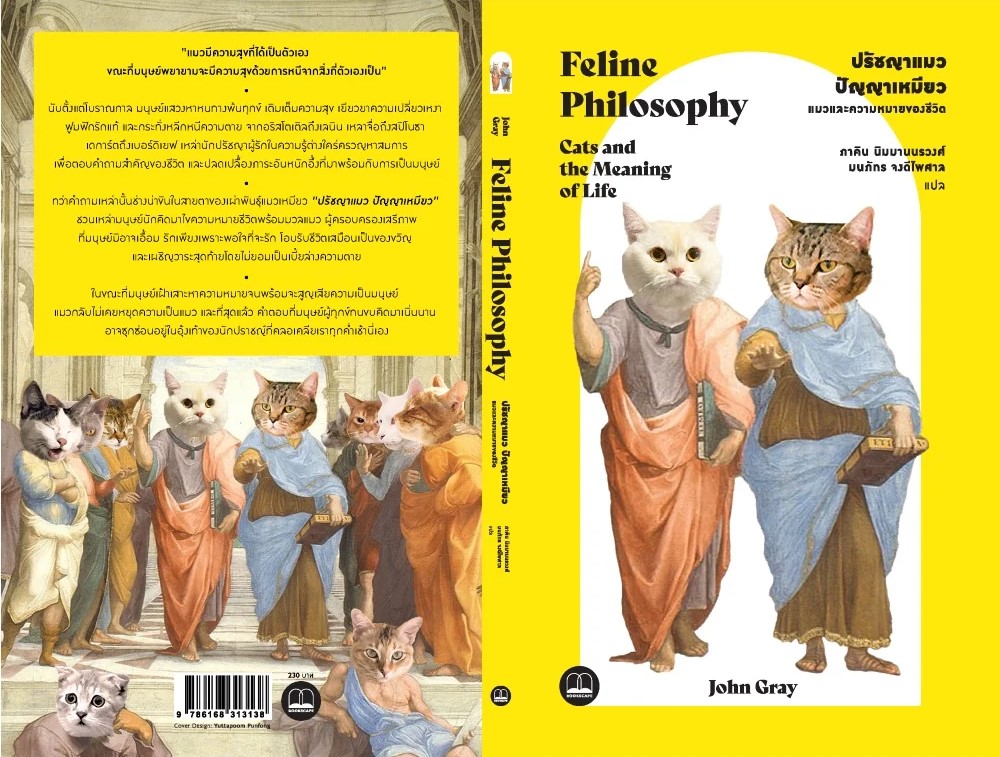
Most of the time, cats come across as utterly indifferent. They don’t seem to care about other cats and aren’t too attached to their owners. But does this mean that cats are immoral, heartless creatures? Are cats, from a philosophical viewpoint, devoid of ethics and virtue? According to philosopher John Gray, author of the book “Feline Philosophy, Cats and the Meaning of Life”, cats have ethics and are also capable of love and affection.
Even if cats indeed have an indifferent, careless demeanor; they do care deeply about some things, but mainly if it suits them. In contrast to humans, cats don’t have religions, moral philosophies, or any other external system that provides them with ethics or rules to live. And they don’t need such things to live a fully-fledged feline life. A cat’s ethics (or philosophy, if you will) come from within, as it already knows how to live. So, we could see a cat’s philosophy as an antiphilosophy, as it challenges traditional philosophy and offers a more primal (or perhaps more feline) approach to life instead.
The book “Feline Philosophy, Cats and the Meaning of Life” explains feline philosophy using John Gray’s interesting insights, supplemented with theories and views by other philosophers like Arthur Schopenhauer, Michel de Montaigne, and Plato. Based on my interpretations of Gray’s ideas, this piece explores what we can learn from cats.
The vegetarian cat
Gray’s explanation of a cat’s philosophy begins with a story about a philosopher who assured him that he had convinced his cat to become a vegetarian. Gray thought the philosopher was joking, but that wasn’t the case. The philosopher seriously believed that his cat had chosen a meatless diet. It turned out that the cat ate vegetarian at home but had been supplementing his diet by catching animals like mice and birds.
The cat wasn’t interested in his owner’s moral idea of eliminating meat from the menu for the sake of other animals. Cats are hypercarnivores by nature, meaning that their bodies need meat to thrive: a vegetarian diet may be acceptable for omnivores like humans, it’s not suitable for cats. Nevertheless, the cat wasn’t offended by his owner’s attempt to push a vegetarian diet. He just accepted the situation, went his own way, and remained faithful to his inborn nature.
The philosopher’s intention to impose human morality onto his cat was pretty questionable. Cats don’t need morals to live. They already know what they need and how to live their lives. Moreover, cats, unlike humans, are happy, relaxed, and content by default and don’t need moral advice from a species that’s perpetually restless and unhappy. And so, Gray concluded that the philosopher could learn something from the cat, and not the other way around.
Cats are fine being cats.
Humans seem generally dissatisfied with their nature, and they’re on a continual quest to be something they’re not, sometimes to absurd levels. They also suffer from continual existential angst. Hence, they cling to philosophy and religion, hoping to answer their many questions and retrieve a sense of meaning. They need morals (or rules) to determine what’s good and evil, how to improve, how not to be bad people. Gray’s stance on morality is atheist, which is that most (if not all) of these rules are essentially products of people’s imagination. So, none of our morals are inherently true, as they’re value judgments. What’s moral for one person is immoral for another. And like clothing styles, morals go in and out of fashion, so what’s moral today may be immoral a decade from now.
Gray wrote that people who claim they’re moral simply express their emotions and how they feel about things and use facts, from time to time, to support their value judgments. People are nevertheless willing to impose their often irrational morality on others, defend it with violence, prosecute those who don’t conform, and silence those who disagree.
Cats, on the other hand, seem perfectly fine with being cats. And unless their safety or comfort is threatened, they’re content with the world around them. They don’t feel the need to change what they are, nor do they need rules that tell them how to live. And even if they encounter those silly people that feel the need to change everything they can about themselves, each other, and the rest of the world, they just acceptingly ignore them and walk away. Cats simply do what’s suitable for cats, disregarding artificial moral philosophies, religious doctrines, and ideologies.
But according to Gray, cats are not immoral. Their ethics come from a natural, inborn origin, not from ideas. For example, cats can be extremely brave and excellent providers and protectors of their young. But they don’t do it for praise and approval from other cats or their owners, for that matter. Cats are brave because it’s in the best interests of their young, which they care for deeply. In other cases, they decide to run away from a situation simply because, for survival purposes, that’s the best course of action. They don’t beat themselves up for being cowardly afterward, either.
This natural, pure philosophy of cats relieves them from a great burden: which is that they don’t ruminate and worry about what’s good and evil, moral and immoral, what they should and shouldn’t have done, and what other cats might think of them. They just do as their nature inclines them to do. And thus, cats are overall much more tranquil and carefree than us humans, who are generally tormented by all kinds of discursive thoughts and ideas, sometimes to the point of complete madness.
Cats: independent, individualistic, and serene
Unlike many other animals, cats were never truly domesticated by humans. Dogs, for example, have partly become humans, according to Gray. And, like cows and horses, many dogs have learned to serve us by performing tasks. Cats are not like that. Their hunting skills can be helpful, but they don’t hunt on command.
Around 12,000 years ago, cats started living together with people in farming communities in the Near East, now situated in Turkey, Iraq, and Israel. Humans quickly saw the usefulness of cats as they hunted rodents and other animals that affected their grain storages. Therefore, humans put cats on farms and ships, so they traveled along and conquered the rest of the world.
It’s cats who benefit the most from their relationship with humans. To this day, humans have served as steady food supplies and offered them shelter. Cats can be useful to humans (to some degree), but they mainly just like their company. At the same time, cats don’t need us. They don’t perceive themselves as the property of those who care for them. They can be very fond of their human companions but don’t cling to them. If they like to be with us, they stay; otherwise, they leave. If people give them food, they’ll take it. But if people stop giving them food, they’ll start hunting again. So, as Gray concluded, cats domesticated humans by teaching them to love them.
Cats aren’t group species but highly individualistic. They cooperate when necessary but generally operate alone. As opposed to humans, they don’t care about group identity or a sense of belonging. They don’t need to feel accepted and certainly don’t care about what other cats think of them. Also, cats can be alone easily, unlike most humans who cannot bear their own company, and continually look for all kinds of diversions to cope with their innate restlessness and to walk away from the reality of life: pain, death, and loss. Cat’s don’t need to run from themselves. They’re OK with how things are.
Cats don’t rely on stories.
So, how come cats, unlike humans, are so happy and content? According to Gray, the secret of feline happiness is that they don’t tell their lives as stories. Cats are not self-conscious and don’t find meaning in constructing a story about their lives. Humans, on the other hand, seem obsessed with stories. They tend to either create or look for narratives that explain their existence and the world around them. The stories they tell themselves are often fragile, so they need continual confirmation. Therefore, they turn to religion and philosophy for less fragile, more secure stories.
There’s nothing more detrimental to our happiness than a broken, tragic story, which, unfortunately, most of us have plenty. Hence, the default human condition is one of misery. We’re constantly ruminating, worrying, dissatisfied with what is, and looking to escape it. The default condition of cats, on the other hand, is happiness. Even though cats can meet with great adversities, these impact them differently, as they don’t create stories or a “history” out of them, nor do they construct a possible future. History and the future hardly concern them, and they don’t dwell on concepts like death and disease. They eat and sleep when they feel the need and defend themselves and their young if they have to, but don’t spend their time worrying about these things. Yet, despite the inability to create stories, cats are a very successful species that has spread worldwide and thrives to this day.
Rules for Life (from cats)
What can cats teach us about happiness? First of all, we shouldn’t try to become cats, according to Gray. We are human, and we can’t change that. It’s our nature to create stories and be discontent with how things are. There will probably always be some form of religion, and we’ll always be interested in philosophy.
If cats could grasp our philosophical ideas, they probably wouldn’t take them too seriously but play with them as they would play with a ball of wool. After all, philosophy is obsolete to them, but it could be amusing. According to Gray, if cats could teach us something about happiness, they wouldn’t give us a set of commandments we must follow, like Jordan Peterson’s 12 Rules for Life for example. Instead, they’d offer us their wisdom playfully, without obligation, and wouldn’t expect us to follow it. Gray presents us with ten tips for life derived from his lifelong experiences with cats. Let’s look at three of them, the other seven you’ll find in his book. These are translated from Dutch, by the way.
Tip #1: Never try to convince people to behave rationally
Gray states that trying to convince people to behave rationally is like trying to make cats vegan: in all likelihood, it’s not going to happen. Most people are driven by emotions and use rationality mainly to support what they believe in, and not to determine if what they believe is true. If you’re bothered by human irrationality, be like a cat and just walk away.
Tip #3: Don’t seek meaning in suffering
According to Gray, there’s a risk that our misery becomes our meaning. The problem with this is that our whole lives revolve around our misery, which isn’t a nice way to live. A cat would say: don’t get attached to suffering and avoid those who are.
Tip #5: Forget pursuing happiness, and maybe you’ll find it
According to Gray, we’ll not find happiness by chasing it because we don’t know what makes us happy. The cat’s way to be happy is just doing something that we find interesting: this will make us happy without knowing anything about happiness. Cat’s don’t know about the concept of happiness or what it means to be happy. They just are.
Thank you for watching.
By Einzelganger
Einzelgänger explores a wide range of topics and ideas, with a dose of “as I see it,” out of curiosity and creative urge.
December 23, 2021
Bạn có thể tải miễn phí bộ học liệu được xây dựng từ bài đọc này tại đây:
https://drive.google.com/drive/folders/1ujU4zKKrs1NwBAoVh0Um2vRvoD138KEU?usp=sharing
Tập Đọc (literally means “Reading Together”) is a bilingual English-Vietnamese journal featuring new word annotations, translations, spoken word versions (audio articles), and a free vocabulary list for the community. The project has been maintained since 2020 and has published over 80 issues to date.
Readers should be advised that the articles published in Tập Đọc do not necessarily reflect the views, attitudes, and perspectives of the editors. Readers are encouraged to form their own opinions and evaluations through a dialogue between themselves and the authors during their reading process. Only reading writers with whom one agrees is akin to only engaging in conversations with those who compliment you: it’s comfortable, but dangerous.
Hope this helps.
If you wish to support any of my projects, I would be profoundly grateful. Any support, no matter how small, will be significantly meaningful in helping me stay motivated or continue these non-profit efforts.
Please send your support to account number: 0491 0000 768 69. Account holder: Nguyễn Tiến Đạt, Vietcombank, Thăng Long branch.

Đà Nẵng, Monday, February 20, 2024
Nguyễn Tiến Đạt (sutucon)
BẢNG CHÚ THÍCH TỪ MỚI
| STT | Từ mới | Phiên âm | Nghĩa tiếng Anh | Nghĩa tiếng Việt |
|---|---|---|---|---|
| 1 | philosophy | /fɪˈlɒsəfi/ | the study of the fundamental nature of knowledge, reality, and existence, especially when considered as an academic discipline | triết học |
| 2 | come across as | /kʌm/ /əˈkrɒs/ /æz/ | to appear or seem in a particular way to others | có vẻ như |
| 3 | utterly | /ˈʌtəli/ | completely and without qualification; absolutely | hoàn toàn |
| 4 | indifferent | /ɪnˈdɪfᵊrᵊnt/ | having no particular interest or sympathy; unconcerned | thờ ơ |
| 5 | attached to | /əˈtæʧt/ /tuː/ | emotionally connected or bonded with someone or something | gắn bó với |
| 6 | immoral | /ɪˈmɒrᵊl/ | not conforming to accepted standards of morality | vô đạo đức |
| 7 | heartless | /ˈhɑːtləs/ | displaying a complete lack of feeling or consideration | nhẫn tâm |
| 8 | from a philosophical viewpoint | /frɒm/ /ə/ /ˌfɪləˈsɒfɪkᵊl/ /ˈvjuːpɔɪnt/ | considering something with regard to the principles of philosophy, or in a manner that involves deep thinking about fundamental questions | từ quan điểm triết học |
| 9 | devoid of | /dɪˈvɔɪd/ /ɒv/ | entirely lacking or free from | thiếu vắng |
| 10 | ethics | /ˈɛθɪks/ | moral principles that govern a person’s behavior or the conducting of an activity | đạo đức |
| 11 | virtue | /ˈvɜːʧuː/ | behavior showing high moral standards | đức hạnh |
| 12 | vastly | /ˈvɑːstli/ | to a very great extent; immensely | rất nhiều |
| 13 | species | /ˈspiːʃiːz/ | a group of living organisms consisting of similar individuals capable of exchanging genes or interbreeding | loài |
| 14 | superior | /suːˈpɪəriə/ | higher in rank, status, or quality | ưu việt |
| 15 | intelligence | /ɪnˈtɛlɪʤᵊns/ | the ability to acquire and apply knowledge and skills | trí tuệ |
| 16 | morality | /məˈræləti/ | principles concerning the distinction between right and wrong or good and bad behavior | đạo đức |
| 17 | aspire to | /əsˈpaɪə/ /tuː/ | direct one’s hopes or ambitions toward achieving something | khao khát |
| 18 | transcend | /trænˈsɛnd/ | be or go beyond the range or limits of (something abstract, typically a conceptual field or division) | vượt qua |
| 19 | animalistic | /ˌanəməˈlistik/ | pertaining to the physical and instinctive needs or desires, often at the expense of moral or social standards | mang tính động vật |
| 20 | morally | /ˈmɒrəli/ | in a way that relates to the principles of right and wrong behavior | về mặt đạo đức |
| 21 | morals | /ˈmɒrᵊlz/ | a person’s standards of behavior or beliefs concerning what is and is not acceptable for them to do | đạo đức |
| 22 | ambitions | /æmˈbɪʃᵊnz/ | a strong desire to do or achieve something, typically requiring determination and hard work | tham vọng |
| 23 | feline | /ˈfiːlaɪn/ | relating to or affecting cats or other members of the cat family | thuộc về mèo |
| 24 | capable of | /ˈkeɪpəbᵊl/ /ɒv/ | having the ability, fitness, or quality necessary to do or achieve a specified thing | có khả năng |
| 25 | affection | /əˈfɛkʃᵊn/ | a gentle feeling of fondness or liking | tình cảm |
| 26 | indeed | /ɪnˈdiːd/ | without any question; truly, in fact | quả thực |
| 27 | demeanor | /dɪˈmiːnə/ | outward behavior or bearing | thái độ |
| 28 | suits | /suːts/ | be convenient for or acceptable to | phù hợp |
| 29 | religions | /rɪˈlɪʤᵊnz/ | the belief in and worship of a superhuman controlling power, especially a personal god or gods | tôn giáo |
| 30 | external system | /ɪkˈstɜːnᵊl/ /ˈsɪstəm/ | an outside or independent framework, set of rules, or structure | hệ thống bên ngoài |
| 31 | fully-fledged | /ˈfʊli/-/flɛʤd/ | completely developed or established; of full status | hoàn chỉnh |
| 32 | if you will | /ɪf/ /juː/ /wɪl/ | used to make what you are saying sound less assertive | nếu bạn muốn |
| 33 | primal | /ˈpraɪmᵊl/ | essential; fundamental | nguyên thủy |
| 34 | approach to life | /əˈprəʊʧ/ /tuː/ /laɪf/ | the manner in which a person confronts and deals with the challenges of living | cách tiếp cận cuộc sống |
| 35 | insights | /ˈɪnsaɪts/ | an accurate and deep understanding | sự hiểu biết |
| 36 | supplemented with | /ˈsʌplɪmɛntɪd/ /wɪð/ | added to something else to enhance or complete it | bổ sung với |
| 37 | philosophers | /fɪˈlɒsəfəz/ | individuals who seek wisdom or enlightenment, often focusing on questions of existence, knowledge, and ethics | nhà triết học |
| 38 | interpretations | /ɪnˌtɜːprəˈteɪʃᵊnz/ | the action of explaining the meaning of something | sự giải thích |
| 39 | vegetarian | /ˌvɛʤɪˈteəriən/ | a person (or in this context, an animal) who does not eat meat, and sometimes other animal products, especially for moral, religious, or health reasons | chay |
| 40 | assured | /əˈʃʊəd/ | made someone feel confident or certain about something | đảm bảo |
| 41 | convinced | /kənˈvɪnst/ | persuaded someone to do something or to believe that something is true | thuyết phục |
| 42 | a meatless diet | /ə/ /ˈmiːtləs/ /ˈdaɪət/ | a diet that excludes meat, including beef, poultry, fish, and other animal flesh | chế độ ăn không thịt |
| 43 | mice | /maɪs/ | small rodents that are often considered pests but can also be kept as petsin this context, they are mentioned as part of the cat’s diet | chuột |
| 44 | eliminating | /ɪˈlɪmɪneɪtɪŋ/ | completely removing or getting rid of something | loại bỏ |
| 45 | for the sake of | /fɔː/ /ðə/ /seɪk/ /ɒv/ | for the purpose or benefit of something or someone | vì lợi ích của |
| 46 | hypercarnivores | /ˌhaɪpəˈkɑːnɪvɔːz/ | animals that have a diet composed of more than % meat, with the rest being non-animal foods such as fungi, fruits, or other plant material | động vật ăn thịt chủ yếu |
| 47 | by nature | /baɪ/ /ˈneɪʧə/ | as a natural inherent quality, characteristic, or tendency | theo bản năng |
| 48 | thrive | /θraɪv/ | grow or develop well or vigorously | phát triển mạnh mẽ |
| 49 | omnivores | /ˈɒmnɪvɔːz/ | organisms that eat both plants and animal-origin food | động vật ăn tạp |
| 50 | nevertheless | /ˌnɛvəðəˈlɛs/ | in spite of what has just been said or referred to; however | tuy nhiên |
| 51 | offended | /əˈfɛndɪd/ | caused to feel upset, annoyed, or resentful | bị xúc phạm |
| 52 | inborn nature | /ˌɪnˈbɔːn/ /ˈneɪʧə/ | natural characteristics or qualities a being is born with | bản tính sinh ra |
| 53 | impose | /ɪmˈpəʊz/ | force (something unwelcome or unfamiliar) to be accepted or put in place | áp đặt |
| 54 | questionable | /ˈkwɛsʧənəbᵊl/ | doubtful as regards truth or quality | đáng ngờ |
| 55 | by default | /baɪ/ /dɪˈfɔːlt/ | automatically; without active choice because of a pre-set condition or rule | theo mặc định |
| 56 | perpetually | /pəˈpɛʧuəli/ | in a way that never ends or changes; constantly | liên tục |
| 57 | restless | /ˈrɛstləs/ | unable to rest or relax as a result of anxiety or boredom | bất an |
| 58 | dissatisfied | /ˌdɪsˈsætɪsfaɪd/ | not content or happy with something; feeling that something is not as good as it should be | không hài lòng |
| 59 | a continual quest | /ə/ /kənˈtɪnjuəl/ /kwɛst/ | an ongoing and persistent search for something | cuộc tìm kiếm không ngừng |
| 60 | absurd | /əbˈsɜːd/ | wildly unreasonable, illogical, or inappropriate | vô lý |
| 61 | existential angst | /ˌɛɡzɪˈstɛnʃᵊl/ /æŋst/ | a feeling of deep anxiety or dread, typically an unfocused one about the human condition or the state of the world in general | âu lo tồn tại |
| 62 | cling to | /klɪŋ/ /tuː/ | hold on tightly to (a belief or idea) | bám lấy |
| 63 | religion | /rɪˈlɪʤᵊn/ | the belief in and worship of a superhuman controlling power, especially a personal god or gods | tôn giáo |
| 64 | retrieve | /rɪˈtriːv/ | get or bring (something) back; regain possession of | lấy lại |
| 65 | a sense of meaning | /ə/ /sɛns/ /ɒv/ /ˈmiːnɪŋ/ | a feeling or understanding of the significance or purpose of something | cảm giác có ý nghĩa |
| 66 | determine | /dɪˈtɜːmɪn/ | cause (something) to occur in a particular way or to have a particular nature | xác định |
| 67 | stance | /stɑːns/ | the attitude of a person or organization towards something; a standpoint | quan điểm |
| 68 | atheist | /ˈeɪθiɪst/ | a person who disbelieves or lacks belief in the existence of god or gods | người vô thần |
| 69 | inherently true | /ɪnˈhɛrᵊntli/ /truː/ | being true as a fundamental and necessary characteristic | cố hữu là đúng |
| 70 | value judgments | /ˈvæljuː/ /ˈʤʌʤmənts/ | assessments or opinions based on personal views about the worth, beauty, or morality of something rather than its factual basis | phán đoán giá trị |
| 71 | moral | /ˈmɒrᵊl/ | concerned with the principles of right and wrong behavior | đạo đức |
| 72 | immoral | /ɪˈmɒrᵊl/ | not conforming to accepted standards of morality | trái đạo đức |
| 73 | irrational | /ɪˈræʃᵊnᵊl/ | not logical or reasonable | phi lý |
| 74 | content with | /ˈkɒntɛnt/ /wɪð/ | satisfied and happy with what one has or is | hài lòng với |
| 75 | disregarding | /ˌdɪsrɪˈɡɑːdɪŋ/ | paying no attention to; ignoring | phớt lờ |
| 76 | artificial | /ˌɑːtɪˈfɪʃᵊl/ | made or produced by human beings rather than occurring naturally, typically as a copy of something natural | nhân tạo |
| 77 | religious doctrines | /rɪˈlɪʤəs/ /ˈdɒktrɪnz/ | beliefs, teachings, or instructions that are officially endorsed by a religious body or church | giáo lý tôn giáo |
| 78 | ideologies | /ˌaɪdiˈɒləʤiz/ | systems of ideas and ideals, especially those that form the basis of economic or political theory and policy | ý thức hệ |
| 79 | ethics | /ˈɛθɪks/ | moral principles that govern a person’s behavior or the conducting of an activity | đạo đức |
| 80 | origin | /ˈɒrɪʤɪn/ | the point or place where something begins, arises, or is derived | nguồn gốc |
| 81 | praise | /preɪz/ | express warm approval or admiration of | khen ngợi |
| 82 | approval | /əˈpruːvᵊl/ | the action of officially agreeing to something or accepting something as satisfactory | sự chấp thuận |
| 83 | in the best interests of | /ɪn/ /ðə/ /bɛst/ /ˈɪntrɛsts/ /ɒv/ | to the advantage or benefit of someone or something | trong lợi ích tốt nhất của |
| 84 | beat themselves up | /biːt/ /ðəmˈsɛlvz/ /ʌp/ | criticize oneself severely | tự trách mình |
| 85 | cowardly | /ˈkaʊədli/ | lacking courage; timid | hèn nhát |
| 86 | relieves | /rɪˈliːvz/ | cause (pain, distress, or difficulty) to become less severe or serious | giảm bớt |
| 87 | burden | /ˈbɜːdᵊn/ | a load, especially a heavy one | gánh nặng |
| 88 | ruminate | /ˈruːmɪneɪt/ | think deeply about something | suy ngẫm |
| 89 | inclines | /ɪnˈklaɪnz/ | feels willing or favorably disposed towards an action, belief, or attitude | nghiêng về |
| 90 | tranquil | /ˈtræŋkwɪl/ | free from disturbance; calm | yên bình |
| 91 | carefree | /ˈkeəfriː/ | free from anxiety or responsibility | vô lo vô nghĩ |
| 92 | tormented by | /tɔːˈmɛntɪd/ /baɪ/ | experiencing severe physical or mental suffering | bị dày vò bởi |
| 93 | discursive | /dɪˈskɜːsɪv/ | digressing from subject to subject; relating to discourse or modes of discourse | lạc đề |
| 94 | individualistic | /ˌɪndɪˌvɪʤuəˈlɪstɪk/ | pertaining to a person or philosophy that emphasizes independence and self-reliance, often valuing personal goals and self-expression over collective ones | cá nhân chủ nghĩa |
| 95 | serene | /sɪˈriːn/ | calm, peaceful, and untroubled; tranquil | yên bình |
| 96 | domesticated | /dəʊˈmɛstɪkeɪtɪd/ | tamed and kept by humans as pets or farm animals; adapted to life with and to the benefit of humans | đã được thuần hóa |
| 97 | serve | /sɜːv/ | to work for; to perform duties or services for another person or organization | phục vụ |
| 98 | farming communities | /ˈfɑːmɪŋ/ /kəˈmjuːnətiz/ | groups of people living together in an area with a focus on agricultural activities, cultivating land and raising livestock | cộng đồng nông nghiệp |
| 99 | rodents | /ˈrəʊdᵊnts/ | a group of animals that includes mice, rats, squirrels, and similar small mammals, often characterized by strong incisors used for gnawing | động vật gặm nhấm |
| 100 | grain | /ɡreɪn/ | small, hard, dry seeds harvested for human or animal food, often grown in large quantities and a staple food in many parts of the world | ngũ cốc |
| 101 | conquered | /ˈkɒŋkəd/ | overcome and taken control of, usually by force | chinh phục |
| 102 | steady | /ˈstɛdi/ | constant, reliable, or not prone to change or fluctuation | ổn định |
| 103 | food supplies | /fuːd/ /səˈplaɪz/ | the provision and availability of food for consumption | nguồn cung cấp thực phẩm |
| 104 | shelter | /ˈʃɛltə/ | a place giving temporary protection from bad weather or danger; a place to live | nơi trú ẩn |
| 105 | fond of | /fɒnd/ /ɒv/ | having an affection or liking for | yêu mến |
| 106 | companions | /kəmˈpænjənz/ | a person or animal with whom one spends a lot of time or with whom one travels | bạn đồng hành |
| 107 | cling to | /klɪŋ/ /tuː/ | hold on tightly to; to become very attached to someone emotionally | bám lấy |
| 108 | cooperate | /kəʊˈɒpᵊreɪt/ | work together towards a common goal or benefit; to act jointly | hợp tác |
| 109 | operate alone | /ˈɒpᵊreɪt/ /əˈləʊn/ | to work or function independently, without assistance or cooperation from others | hoạt động một mình |
| 110 | as opposed to | /æz/ /əˈpəʊzd/ /tuː/ | in contrast or comparison with | trái ngược với |
| 111 | group identity | /ɡruːp/ /aɪˈdɛntəti/ | the sense of belonging to a particular group or category of people, sharing common characteristics or interests | bản sắc nhóm |
| 112 | a sense of belonging | /ə/ /sɛns/ /ɒv/ /bɪˈlɒŋɪŋ/ | feeling of being accepted and included in a group or environment | cảm giác thuộc về |
| 113 | continually | /kənˈtɪnjuəli/ | repeatedly, often without interruption | liên tục |
| 114 | diversions | /daɪˈvɜːʃᵊnz/ | activities that divert the mind from tedious or serious concerns; recreational activities or entertainment | sự giải trí |
| 115 | cope with | /kəʊp/ /wɪð/ | to deal effectively with something difficult | đối phó với |
| 116 | innate | /ɪˈneɪt/ | inborn; natural; inherent qualities or characteristics a person or animal is born with | bẩm sinh |
| 117 | restlessness | /ˈrɛstləsnəs/ | the inability to rest or relax as a result of anxiety or boredom | sự bồn chồn |
| 118 | self-conscious | /sɛlf/-/ˈkɒnʃəs/ | being overly aware of oneself, one’s appearance, or one’s actions | tự ti |
| 119 | obsessed with | /əbˈsɛst/ /wɪð/ | having an overwhelming interest or preoccupation with something | ám ảnh với |
| 120 | tend to | /tɛnd/ /tuː/ | have a habit or a tendency to act in a certain way | có xu hướng |
| 121 | narratives | /ˈnærətɪvz/ | stories or accounts of a series of events, whether true or fictitious, that are constructed to explain or entertain | câu chuyện |
| 122 | existence | /ɪɡˈzɪstᵊns/ | the state or fact of living or being alive; the condition of being in reality | sự tồn tại |
| 123 | fragile | /ˈfræʤaɪl/ | easily broken, damaged, or destroyed; lacking in resilience or strength | mong manh, dễ vỡ |
| 124 | confirmation | /ˌkɒnfəˈmeɪʃᵊn/ | evidence or statements that validate or support a belief, theory, or story | sự xác nhận |
| 125 | secure | /sɪˈkjʊə/ | free from danger or threat; feeling safe, stable, and not likely to change or fail | an toàn, bảo đảm |
| 126 | detrimental | /ˌdɛtrɪˈmɛntᵊl/ | causing harm or damage | có hại |
| 127 | tragic | /ˈtræʤɪk/ | causing or characterized by extreme distress or sorrow | bi thảm |
| 128 | plenty | /ˈplɛnti/ | a large or sufficient amount or quantity; more than enough | nhiều |
| 129 | misery | /ˈmɪzəri/ | a state of great distress or discomfort of mind or body | sự khổ sở |
| 130 | adversities | /ədˈvɜːsətiz/ | difficult or unpleasant situations | nghịch cảnh |
| 131 | dwell on | /dwɛl/ /ɒn/ | to think, speak, or write at length about a particular subject, especially one that is troubling or problematic | dành thời gian suy nghĩ về |
| 132 | concepts | /ˈkɒnsɛpts/ | abstract ideas; a general notion or idea | khái niệm |
| 133 | inability | /ˌɪnəˈbɪləti/ | the state of being unable to do something | sự bất lực |
| 134 | be discontent with | /biː/ /ˌdɪskənˈtɛnt/ /wɪð/ | not satisfied or happy with a current situation or condition | không hài lòng với |
| 135 | grasp | /ɡrɑːsp/ | understand fully | hiểu rõ |
| 136 | a ball of wool | /ə/ /bɔːl/ /ɒv/ /wʊl/ | a spherical or roughly spherical mass of wool or yarn | một cuộn len |
| 137 | obsolete | /ˈɒbsəliːt/ | no longer produced or used; out of date | lỗi thời, đã cũ |
| 138 | commandments | /kəˈmɑːndmənts/ | a formal or authoritative order; a rule to be observed strictly | các giới luật |
| 139 | wisdom | /ˈwɪzdəm/ | the quality of having experience, knowledge, and good judgment | trí tuệ |
| 140 | playfully | /ˈpleɪfᵊli/ | in a light-hearted or teasing way | một cách vui vẻ, tinh nghịch |
| 141 | obligation | /ˌɒblɪˈɡeɪʃᵊn/ | a duty or commitment | nghĩa vụ |
| 142 | derived from | /dɪˈraɪvd/ /frɒm/ | obtained from a particular source | xuất phát từ |
| 143 | lifelong experiences | /ˈlaɪflɒŋ/ /ɪkˈspɪəriənsɪz/ | knowledge or skills gained over one’s lifetime | kinh nghiệm cả đời |
| 144 | by the way | /baɪ/ /ðə/ /weɪ/ | used to introduce a statement or subject that may not be directly related to the discussion | nhân tiện |
| 145 | behave rationally | /bɪˈheɪv/ /ˈræʃᵊnᵊli/ | act in a logical, sensible, and reasonable manner | hành xử một cách lý trí |
| 146 | in all likelihood | /ɪn/ /ɔːl/ /ˈlaɪklɪhʊd/ | very likely; almost certainly | rất có thể |
| 147 | bothered | /ˈbɒðəd/ | concerned, worried, or disturbed by something | phiền muộn |
| 148 | irrationality | /ɪˌræʃᵊnˈæləti/ | the quality of being illogical or unreasonable | sự phi lý |
| 149 | seek meaning | /siːk/ /ˈmiːnɪŋ/ | look for or try to find a deeper significance or purpose | tìm kiếm ý nghĩa |
| 150 | suffering | /ˈsʌfᵊrɪŋ/ | the state of undergoing pain, distress, or hardship | sự đau khổ |
| 151 | get attached to | /ɡɛt/ /əˈtæʧt/ /tuː/ | to become emotionally involved with something | bị lưu luyến, bị gắn bó |
| 152 | pursuing happiness | /pəˈsjuːɪŋ/ /ˈhæpɪnəs/ | actively seeking to achieve a state of contentment or joy | theo đuổi hạnh phúc |
BÀI TẬP ĐIỀN TỪ
| STT | Câu điền từ | Bản dịch tiếng Việt |
|---|---|---|
| 1 | Being ………………………………………………………… by the chaos at the airport, she decided to take a deep breath and relax. | Bị làm phiền bởi sự hỗn loạn ở sân bay, cô quyết định hít một hơi thật sâu và thư giãn. |
| 2 | To ………………………………………………………… what was lost, she retraced her steps carefully. | Để lấy lại những gì đã mất, cô ấy cẩn thận lùi lại các bước của mình. |
| 3 | Farmers store ………………………………………………………… in large silos to protect it from the elements and pests. | Nông dân bảo quản ngũ cốc trong các kho chứa lớn để bảo vệ khỏi các tác nhân và sâu bệnh. |
| 4 | She was ………………………………………………………… by the complexity of the problem. | Cô ấy bị dày vò bởi sự phức tạp của vấn đề. |
| 5 | Cats, in their essence, don’t concern themselves with ………………………………………………………… improvement or worldly ambitions. | Về bản chất, mèo không quan tâm đến việc cải thiện đạo đức hay tham vọng trần tục. |
| 6 | Their political ………………………………………………………… is based on equality and freedom. | Hệ tư tưởng chính trị của họ dựa trên sự bình đẳng và tự do. |
| 7 | Wolves have been ………………………………………………………… over thousands of years to live alongside humans. | Sói đã được thuần hóa qua hàng ngàn năm để sống cùng với con người. |
| 8 | People often ………………………………………………………… to rise above their basic instincts and become better. | Mọi người thường khao khát vượt lên trên bản năng cơ bản của mình và trở nên tốt hơn. |
| 9 | Looking at cats ………………………………………………………… philosophical viewpoint, they present a fascinating study. | Nhìn vào loài mèo từ góc độ triết học, họ trình bày một nghiên cứu hấp dẫn. |
| 10 | Everyone appreciates ………………………………………………………… for their achievements. | Mọi người đều đánh giá cao lời khen ngợi vì thành tích của họ. |
| 11 | …………………………………………………………, she decided to forgive him and move on. | Tuy nhiên, cô quyết định tha thứ cho anh và bước tiếp. |
| 12 | Trying to ………………………………………………………… can often lead to disappointment because happiness is not a constant state. | Cố gắng gắn bó thường có thể dẫn đến thất vọng vì hạnh phúc không phải là một trạng thái thường hằng. |
| 13 | Team sports require players to ………………………………………………………… effectively to win games. | Các môn thể thao đồng đội yêu cầu người chơi hợp tác hiệu quả để giành chiến thắng trong trò chơi. |
| 14 | Cats lead a ………………………………………………………… life without needing external guidance on how to live. | Mèo có một cuộc sống đầy đủ mà không cần sự hướng dẫn từ bên ngoài về cách sống. |
| 15 | Some pets ………………………………………………………… ………………………………………………………… their owners, showing distress when left alone. | Một số thú cưng bám chặt chủ của chúng, tỏ ra đau khổ khi bị bỏ lại một mình. |
| 16 | It’s unfair to label cats as ………………………………………………………… simply because they show affection differently. | Thật không công bằng khi cho rằng mèo là vô đạo đức chỉ vì chúng thể hiện tình cảm khác nhau. |
| 17 | Some behaviors are ingrained in animals …………………………………………………………. | Một số hành vi đã ăn sâu vào động vật theo bản chất. |
| 18 | People often seek the company of pets for …………………………………………………………, especially when living alone. | Mọi người thường tìm kiếm bạn đồng hành của thú cưng, đặc biệt là khi sống một mình. |
| 19 | Understanding complex ………………………………………………………… like quantum physics requires a lot of study. | Để hiểu được những khái niệm phức tạp như vật lý lượng tử đòi hỏi phải nghiên cứu rất nhiều. |
| 20 | She never ………………………………………………………… over past mistakes but learns from them. | Cô ấy không bao giờ tự dằn vặt mình về những sai lầm trong quá khứ mà học hỏi từ chúng. |
| 21 | It’s unfair to ………………………………………………………… your beliefs onto others without their consent. | Thật không công bằng khi áp đặt niềm tin của bạn lên người khác mà không có sự đồng ý của họ. |
| 22 | Penguins are loyal to their …………………………………………………………, often returning to the same partner each year. | Chim cánh cụt trung thành với bản chất bẩm sinh của chúng, thường quay lại với cùng một bạn tình mỗi năm. |
| 23 | Many people choose a ………………………………………………………… lifestyle for health and ethical reasons. | Nhiều người chọn lối sống ăn chay vì lý do sức khỏe và đạo đức. |
| 24 | The constant rain and cold weather added to the ………………………………………………………… of their camping trip. | Những cơn mưa dai dẳng và thời tiết lạnh giá càng làm chuyến cắm trại của họ trở nên khốn khổ hơn. |
| 25 | To …………………………………………………………, plants need adequate sunlight and water. | Để phát triển, cây cần có đủ ánh nắng và nước. |
| 26 | Hobbies and interests serve as ………………………………………………………… from daily stress, providing a sense of relief and enjoyment. | Sở thích và sở thích đóng vai trò là sự chuyển hướng khỏi căng thẳng hàng ngày, mang lại cảm giác nhẹ nhõm và thích thú. |
| 27 | Ancient philosophers were known for their ………………………………………………………… on life and existence. | Các nhà triết học cổ đại được biết đến với sự khôn ngoan về cuộc sống và sự tồn tại. |
| 28 | He became very ………………………………………………………… when he noticed everyone was looking at him during his presentation. | Anh ấy trở nên rất tự ti khi nhận thấy mọi người đang nhìn mình trong suốt buổi thuyết trình. |
| 29 | My ………………………………………………………… of the book led me to appreciate the depth of what cats can teach us. | Những diễn giải của tôi về cuốn sách đã khiến tôi đánh giá cao những gì mèo có thể dạy chúng ta về chiều sâu. |
| 30 | Despite their aloof nature, it’s not right to say cats are ………………………………………………………… uninterested in everything. | Bất chấp bản chất xa cách của chúng, không đúng khi nói rằng mèo hoàn toàn không quan tâm đến mọi thứ. |
| 31 | Not all beliefs are ………………………………………………………… across different cultures. | Không phải tất cả niềm tin đều vốn là đúng ở các nền văn hóa khác nhau. |
| 32 | Humans consider themselves a higher ………………………………………………………… due to our cognitive abilities and moral understanding. | Con người tự coi mình là một loài cao hơn do khả năng nhận thức và hiểu biết về đạo đức của chúng ta. |
| 33 | His ………………………………………………………… for adventure led him to travel around the world. | Cuộc tìm kiếm liên tục cho cuộc phiêu lưu đã đưa anh ấy đi du lịch vòng quanh thế giới. |
| 34 | It’s important to ………………………………………………………… between right and wrong actions. | Điều quan trọng là xác định giữa hành động đúng và sai. |
| 35 | Despite facing many …………………………………………………………, she never gave up on her dreams. | Dù phải đối mặt với nhiều nghịch cảnh nhưng cô không bao giờ từ bỏ ước mơ của mình. |
| 36 | Dogs are often very ………………………………………………………… ………………………………………………………… their human families, showing loyalty and affection. | Chó thường rất thích gia đình con người của chúng, thể hiện lòng trung thành và tình cảm. |
| 37 | Service dogs are trained to ………………………………………………………… their owners by performing specific tasks. | Chó dịch vụ được huấn luyện để phục vụ chủ nhân bằng cách thực hiện các nhiệm vụ cụ thể. |
| 38 | In the countryside, it’s common to see cats hunting ………………………………………………………… in the fields. | Ở nông thôn, người ta thường thấy mèo săn chuột trên đồng. |
| 39 | Learning how to ………………………………………………………… ………………………………………………………… stress is an important skill for maintaining mental health. | Học cách đối phó với căng thẳng là một kỹ năng quan trọng để duy trì sức khỏe tinh thần. |
| 40 | His ………………………………………………………… nature sometimes prevents him from taking risks. | Bản chất hèn nhát của anh ấy đôi khi ngăn cản anh ấy chấp nhận rủi ro. |
| 41 | Lions are considered ………………………………………………………… because their diet is primarily meat. | Sư tử được coi là loài siêu ăn thịt vì chế độ ăn của chúng chủ yếu là thịt. |
| 42 | The vase was so ………………………………………………………… that it shattered into pieces at the slightest touch. | Chiếc bình dễ vỡ đến nỗi nó vỡ tan thành từng mảnh chỉ với một cú chạm nhẹ. |
| 43 | She’s completely ………………………………………………………… with her simple and peaceful life. | Cô ấy hoàn toàn bằng lòng với cuộc sống giản dị và bình yên của mình. |
| 44 | A ………………………………………………………… ………………………………………………………… ………………………………………………………… is important for mental health, making individuals feel part of a community. | Cảm giác thân thuộc rất quan trọng đối với sức khỏe tâm thần, khiến các cá nhân cảm thấy mình là một phần của cộng đồng. |
| 45 | Making ………………………………………………………… requires considering personal and societal values. | Đưa ra đánh giá giá trị đòi hỏi phải xem xét các giá trị cá nhân và xã hội. |
| 46 | Cats offer a more ………………………………………………………… approach to life, focusing on innate instincts. | Mèo đưa ra cách tiếp cận cuộc sống nguyên thủy hơn, tập trung vào bản năng bẩm sinh. |
| 47 | The idea of flying cars is still ………………………………………………………… to many people. | Ý tưởng về ô tô bay vẫn còn nghi vấn đối với nhiều người. |
| 48 | Philosophers often ………………………………………………………… on the meaning of life. | Các triết gia thường ngẫm lại về ý nghĩa của cuộc sống. |
| 49 | The movie’s ………………………………………………………… was interesting, but it was too predictable. | Lời kể của bộ phim rất thú vị nhưng lại quá dễ đoán. |
| 50 | She felt much more ………………………………………………………… after installing a new security system in her home. | Cô cảm thấy an toàn hơn nhiều sau khi lắp đặt hệ thống an ninh mới trong nhà mình. |
| 51 | Artists often seek new experiences ………………………………………………………… to inspire their creativity and avoid boredom. | Các nghệ sĩ thường tìm kiếm những trải nghiệm mới liên tục để truyền cảm hứng sáng tạo và tránh sự nhàm chán. |
| 52 | Cats, unlike humans, are ………………………………………………………… of conventional ethics and virtue. | Mèo, không giống như con người, không có đạo đức và đức hạnh thông thường. |
| 53 | His decision to donate anonymously was seen as ………………………………………………………… by some. | Quyết định quyên góp ẩn danh của anh ấy bị một số người coi là vô đạo đức. |
| 54 | People ………………………………………………………… lean towards comfort food when they feel stressed or unhappy. | Mọi người có xu hướng thích đồ ăn thoải mái khi họ cảm thấy căng thẳng hoặc không vui. |
| 55 | Doing what’s ………………………………………………………… for the family is sometimes difficult. | Làm những gì vì lợi ích tốt nhất của gia đình đôi khi rất khó khăn. |
| 56 | With technology advancing rapidly, some devices become ………………………………………………………… within a few years. | Với công nghệ tiến bộ nhanh chóng, một số thiết bị trở nên lỗi thời trong vòng vài năm. |
| 57 | …………………………………………………………, trying to convince him to change his mind is futile. | Rất có thể, cố gắng thuyết phục anh ta thay đổi ý định là vô ích. |
| 58 | Every citizen has an ………………………………………………………… to follow the laws of their country. | Mọi công dân đều có nghĩa vụ tuân theo luật pháp của đất nước mình. |
| 59 | Seeking ………………………………………………………… can be a lifelong journey for many. | Tìm kiếm tôn giáo có thể là một hành trình suốt đời đối với nhiều người. |
| 60 | Bears are …………………………………………………………, eating both plants and animals. | Gấu là động vật ăn tạp, ăn cả thực vật và động vật. |
| 61 | The plot of the movie was so ………………………………………………………… that we left the cinema. | Cốt truyện của bộ phim ngớ ngẩn đến mức chúng tôi phải rời rạp. |
| 62 | Your preferences are applied ………………………………………………………… unless you specify otherwise. | Tùy chọn của bạn được áp dụng theo mặc định trừ khi bạn chỉ định khác. |
| 63 | When cats ignore us, they often ………………………………………………………… as utterly indifferent. | Khi mèo phớt lờ chúng ta, chúng thường có vẻ hoàn toàn thờ ơ. |
| 64 | He ………………………………………………………… me that the project would be finished on time. | Anh ấy đảm bảo với tôi rằng dự án sẽ hoàn thành đúng thời hạn. |
| 65 | Gray’s book provides ………………………………………………………… into the unique world of feline philosophy. | Cuốn sách của Gray cung cấp những hiểu biết sâu sắc về thế giới độc đáo của triết học loài mèo. |
| 66 | …………………………………………………………, I forgot to mention that the meeting time has been changed to 3 PM. | Nhân tiện, tôi quên đề cập rằng thời gian họp đã được đổi thành 3 giờ chiều. |
| 67 | Cats don’t follow any ………………………………………………………… system of beliefs or morals like humans do. | Mèo không tuân theo bất kỳ hệ thống bên ngoài nào về tín ngưỡng hay đạo đức như con người. |
| 68 | Humans aim to ………………………………………………………… their base desires and improve society. | Con người hướng tới mục tiêu vượt qua những ham muốn cơ bản của mình và cải thiện xã hội. |
| 69 | She is ………………………………………………………… her current job and is looking for a new challenge. | Cô ấy không hài lòng với công việc hiện tại và đang tìm kiếm thử thách mới. |
| 70 | Smoking is known to be ………………………………………………………… to your health. | Hút thuốc được biết là có hại cho sức khỏe của bạn. |
| 71 | She shared stories of her ………………………………………………………… to inspire the younger generation. | Cô đã chia sẻ những câu chuyện về kinh nghiệm cả đời của mình để truyền cảm hứng cho thế hệ trẻ. |
| 72 | If humans could ………………………………………………………… the language of animals, we might discover fascinating insights. | Nếu con người có thể nắm bắt ngôn ngữ của động vật, chúng ta có thể khám phá ra những hiểu biết thú vị. |
| 73 | Religious ………………………………………………………… often guide the moral framework of a society. | Các điều răn tôn giáo thường hướng dẫn khuôn khổ đạo đức của một xã hội. |
| 74 | Vegetarians, ………………………………………………………… ………………………………………………………… meat-eaters, avoid consuming animal products. | Những người ăn chay, trái ngược với những người ăn thịt, tránh tiêu thụ các sản phẩm động vật. |
| 75 | His ………………………………………………………… on social issues is well respected. | Lập trường của ông về các vấn đề xã hội được tôn trọng. |
| 76 | The teacher’s ………………………………………………………… of the student’s effort encouraged him to work harder. | Sự tán thành của giáo viên đối với nỗ lực của học sinh đã khuyến khích cậu ấy học tập chăm chỉ hơn. |
| 77 | Some might argue that cats seem ………………………………………………………… since they don’t show their feelings openly. | Một số người có thể cho rằng mèo có vẻ vô tâm vì chúng không thể hiện cảm xúc của mình một cách công khai. |
| 78 | Cats aren’t ………………………………………………………… to their owners in the way dogs are. | Mèo không gắn bó với chủ như chó. |
| 79 | In ancient times, ………………………………………………………… ………………………………………………………… played a crucial role in the development of agriculture. | Vào thời cổ đại, cộng đồng nông dân đóng một vai trò quan trọng trong sự phát triển của nông nghiệp. |
| 80 | John Gray’s book, “Feline Philosophy”, suggests cats are ………………………………………………………… of love and affection. | Cuốn sách “Triết học về mèo” của John Gray cho thấy mèo có khả năng yêu thương và trìu mến. |
| 81 | As an …………………………………………………………, she doesn’t believe in a divine power. | Là một người vô thần, cô ấy không tin vào sức mạnh thần thánh. |
| 82 | She was finally ………………………………………………………… that changing her diet could improve her health. | Cuối cùng cô ấy đã bị thuyết phục rằng việc thay đổi chế độ ăn uống có thể cải thiện sức khỏe của cô ấy. |
| 83 | Young children often ………………………………………………………… the rules without questioning them. | Trẻ nhỏ thường coi thường các quy tắc mà không thắc mắc về chúng. |
| 84 | The philosopher pondered the ………………………………………………………… of life and the universe. | Nhà triết học suy ngẫm về sự tồn tại của sự sống và vũ trụ. |
| 85 | His ideas are ………………………………………………………… with thoughts from other renowned philosophers. | Ý tưởng của ông được bổ sung tư tưởng từ các triết gia nổi tiếng khác. |
| 86 | Practicing good ………………………………………………………… is essential in both personal and professional life. | Thực hành đạo đức tốt là điều cần thiết trong cả cuộc sống cá nhân và nghề nghiệp. |
| 87 | Acting ………………………………………………………… often leads to regrettable decisions. | Hành động phi lý thường dẫn đến những quyết định đáng tiếc. |
| 88 | Cats have their own unique …………………………………………………………, which might teach us a lot about happiness. | Mèo có triết lý độc đáo của riêng chúng, điều này có thể dạy chúng ta rất nhiều điều về hạnh phúc. |
| 89 | He tends to ………………………………………………………… his past mistakes, which prevents him from moving forward. | Anh ấy có xu hướng đắm chìm trong những sai lầm trong quá khứ của mình, điều này ngăn cản anh ấy tiến về phía trước. |
| 90 | A ………………………………………………………… source of water is essential for the survival of any community. | Một nguồn nước ổn định là điều cần thiết cho sự sống còn của bất kỳ cộng đồng nào. |
| 91 | Cats are known for their ………………………………………………………… nature, often preferring solitude over the company of others. | Mèo được biết đến với bản tính chủ nghĩa cá nhân, thường thích sự cô độc hơn khi ở cùng người khác. |
| 92 | In his garden, there were ………………………………………………………… of flowers blooming, providing a spectacular view. | Trong khu vườn của anh ấy, có rất nhiều loài hoa đang nở rộ, mang đến một khung cảnh ngoạn mục. |
| 93 | The play’s ………………………………………………………… ending left the audience in tears. | Cái kết bi thảm của vở kịch khiến khán giả rơi nước mắt. |
| 94 | She feels ………………………………………………………… unhappy with her current job. | Cô ấy cảm thấy thường xuyên không hài lòng với công việc hiện tại của mình. |
| 95 | Developing a strong ………………………………………………………… ………………………………………………………… can help teenagers feel more secure during challenging years. | Việc phát triển bản sắc nhóm mạnh mẽ có thể giúp thanh thiếu niên cảm thấy an toàn hơn trong những năm đầy thử thách. |
| 96 | Our ………………………………………………………… intelligence allows us to contemplate and adhere to ethical standards. | Trí thông minh vượt trội của chúng tôi cho phép chúng tôi suy ngẫm và tuân thủ các tiêu chuẩn đạo đức. |
| 97 | It is unrealistic to expect everyone to ………………………………………………………… under pressure. | Thật không thực tế khi mong đợi mọi người cư xử hợp lý dưới áp lực. |
| 98 | The ………………………………………………………… of modern art sometimes confuses traditional art lovers. | Tính nhân tạo của nghệ thuật hiện đại đôi khi khiến những người yêu nghệ thuật truyền thống bối rối. |
| 99 | Without realizing it, people often experience ………………………………………………………… about the future. | Không nhận ra điều đó, mọi người thường trải qua nỗi lo lắng hiện sinh về tương lai. |
| 100 | If something ………………………………………………………… them, cats can show interest and care. | Nếu thứ gì đó phù hợp với chúng, mèo có thể thể hiện sự quan tâm và chăm sóc. |
| 101 | Cats have a ………………………………………………………… attitude but still form deep bonds with those they care about. | Mèo có thái độ phong độ nhưng vẫn hình thành mối quan hệ sâu sắc với những người chúng quan tâm. |
| 102 | His innovative ideas were ………………………………………………………… his extensive research in environmental science. | Những ý tưởng đổi mới của ông bắt nguồn từ nghiên cứu sâu rộng về khoa học môi trường. |
| 103 | Supermarkets are important ………………………………………………………… ………………………………………………………… in modern cities, ensuring residents have access to food. | Siêu thị là nguồn cung cấp thực phẩm quan trọng ở các thành phố hiện đại, đảm bảo người dân có thể tiếp cận được thực phẩm. |
| 104 | The cat sat by the window, its demeanor utterly ………………………………………………………… as it watched the world go by. | Con mèo ngồi bên cửa sổ, thái độ của nó hoàn toàn thanh thản khi nhìn thế giới trôi qua. |
| 105 | His speech on ………………………………………………………… was inspiring and thought-provoking. | Bài phát biểu của ông về các học thuyết tôn giáo thật đầy cảm hứng và kích thích tư duy. |
| 106 | Unlike wolves, which hunt in packs, many big cats ………………………………………………………… …………………………………………………………, relying on stealth and strength. | Không giống như sói săn mồi theo bầy, nhiều loài mèo lớn hoạt động một mình, dựa vào khả năng tàng hình và sức mạnh. |
| 107 | Cats are excellent hunters, especially of …………………………………………………………, which made them valuable in ancient granaries. | Mèo là những thợ săn xuất sắc, đặc biệt là loài gặm nhấm, điều này khiến chúng có giá trị trong các kho thóc cổ xưa. |
| 108 | We tend to ………………………………………………………… to traditions that give us comfort. | Chúng ta có xu hướng bám vào những truyền thống mang lại cho chúng ta sự thoải mái. |
| 109 | His ………………………………………………………… thinking often led to innovative solutions. | Tư duy disdiscursive của ông thường dẫn đến những giải pháp sáng tạo. |
| 110 | The ………………………………………………………… of certain behaviors can be traced back to early childhood. | Nguồn gốc của một số hành vi nhất định có thể bắt nguồn từ thời thơ ấu. |
| 111 | His natural tendency ………………………………………………………… him to help others. | Khuynh hướng tự nhiên của anh ấy có khuynh hướng giúp đỡ người khác. |
| 112 | The concept of ………………………………………………………… is difficult for those who have never experienced severe hardship. | Khái niệm khổ đau là khó khăn đối với những người chưa từng trải qua khó khăn khắc nghiệt. |
| 113 | Helping others is considered ………………………………………………………… in many societies. | Giúp đỡ người khác được coi là đạo đức trong nhiều xã hội. |
| 114 | The scientist needed further ………………………………………………………… to prove his theory was correct. | Nhà khoa học cần xác nhận thêm để chứng minh lý thuyết của mình là đúng. |
| 115 | Many people ………………………………………………………… during times of personal crisis, hoping to find a reason for their pain. | Nhiều người tìm kiếm ý nghĩa trong thời kỳ khủng hoảng cá nhân, hy vọng tìm ra lý do cho nỗi đau của họ. |
| 116 | The constant ………………………………………………………… of city life can make it difficult for some people to find peace and quiet. | Sự không ngừng nghỉ liên tục của cuộc sống thành thị có thể khiến một số người khó tìm được sự bình yên và tĩnh lặng. |
| 117 | The kitten approached the new toy …………………………………………………………, as if it was both curious and cautious. | Chú mèo con tiếp cận món đồ chơi mới một cách tinh nghịch, như thể nó vừa tò mò vừa thận trọng. |
| 118 | Throughout history, cats have ………………………………………………………… new territories alongside human explorers. | Trong suốt lịch sử, mèo đã chinh phục những lãnh thổ mới cùng với những nhà thám hiểm của con người. |
| 119 | The ………………………………………………………… lake was the perfect spot for meditation. | Hồ yên tĩnh là nơi hoàn hảo để thiền định. |
| 120 | Humanity’s development of ………………………………………………………… and ethics sets us apart from animals. | Sự phát triển đạo đức và đạo đức của loài người khiến chúng ta khác biệt với động vật. |
| 121 | Their ………………………………………………………… attitude made them popular among their friends. | Thái độ vô tư của họ khiến họ được bạn bè yêu mến. |
| 122 | He felt ………………………………………………………… when his comments were misunderstood. | Anh ấy cảm thấy bị xúc phạm khi nhận xét của mình bị hiểu lầm. |
| 123 | Finding ………………………………………………………… in life can be challenging but rewarding. | Việc tìm kiếm ý nghĩa trong cuộc sống có thể là một thử thách nhưng bổ ích. |
| 124 | Musical talent is often considered an ………………………………………………………… ability, present from a very young age. | Tài năng âm nhạc thường được coi là một khả năng bẩm sinh, có từ khi còn rất nhỏ. |
| 125 | She has been ………………………………………………………… with collecting vintage stamps since she was a child. | Cô ấy bị ám ảnh bởi việc sưu tập tem cổ từ khi còn nhỏ. |
| 126 | Carrying the ………………………………………………………… of expectations can be overwhelming. | Mang gánh nặng kỳ vọng có thể khiến bạn choáng ngợp. |
| 127 | Meditation can ………………………………………………………… the mind from daily stressors. | Thiền có thể giải tỏa tâm trí khỏi những căng thẳng hàng ngày. |
| 128 | The cat played with …………………………………………………………, completely captivated by its movement. | Con mèo chơi với một quả bóng len, hoàn toàn bị thu hút bởi chuyển động của nó. |
| 129 | The debate on the ………………………………………………………… of free will in humans continues to intrigue philosophers. | Cuộc tranh luận về sự phi lý của ý chí tự do ở con người tiếp tục gây tò mò cho các nhà triết học. |
| 130 | He did it ………………………………………………………… his friend, who needed the support. | Anh ấy làm điều đó vì người bạn của mình, người đang cần sự hỗ trợ. |
| 131 | Some athletes follow ………………………………………………………… to enhance their performance. | Một số vận động viên tuân theo chế độ ăn không thịt để nâng cao thành tích của họ. |
| 132 | The government is considering ………………………………………………………… the use of plastic bags to reduce waste. | Chính phủ đang xem xét loại bỏ việc sử dụng túi nhựa để giảm chất thải. |
| 133 | The ………………………………………………………… of young children to read fluently varies greatly. | Khả năng đọc trôi chảy của trẻ nhỏ rất khác nhau. |
| 134 | Providing ………………………………………………………… for stray animals can help reduce the number of animals living on the streets. | Cung cấp nơi trú ẩn cho động vật đi lạc có thể giúp giảm số lượng động vật sống trên đường phố. |
ĐÁP ÁN
- Being bothered by the chaos at the airport, she decided to take a deep breath and relax.
- To retrieve what was lost, she retraced her steps carefully.
- Farmers store grain in large silos to protect it from the elements and pests.
- She was tormented by the complexity of the problem.
- Cats, in their essence, don’t concern themselves with moral improvement or worldly ambitions.
- Their political ideology is based on equality and freedom.
- Wolves have been domesticated over thousands of years to live alongside humans.
- People often aspire to rise above their basic instincts and become better.
- Looking at cats from a philosophical viewpoint, they present a fascinating study.
- Everyone appreciates praise for their achievements.
- Nevertheless, she decided to forgive him and move on.
- Trying to get attached to can often lead to disappointment because happiness is not a constant state.
- Team sports require players to cooperate effectively to win games.
- Cats lead a fully-fledged life without needing external guidance on how to live.
- Some pets cling to their owners, showing distress when left alone.
- It’s unfair to label cats as immoral simply because they show affection differently.
- Some behaviors are ingrained in animals by nature.
- People often seek the company of pets for companions, especially when living alone.
- Understanding complex concepts like quantum physics requires a lot of study.
- She never beats herself up over past mistakes but learns from them.
- It’s unfair to impose your beliefs onto others without their consent.
- Penguins are loyal to their inborn nature, often returning to the same partner each year.
- Many people choose a vegetarian lifestyle for health and ethical reasons.
- The constant rain and cold weather added to the misery of their camping trip.
- To thrive, plants need adequate sunlight and water.
- Hobbies and interests serve as diversions from daily stress, providing a sense of relief and enjoyment.
- Ancient philosophers were known for their wisdom on life and existence.
- He became very self-conscious when he noticed everyone was looking at him during his presentation.
- My interpretations of the book led me to appreciate the depth of what cats can teach us.
- Despite their aloof nature, it’s not right to say cats are utterly uninterested in everything.
- Not all beliefs are inherently true across different cultures.
- Humans consider themselves a higher species due to our cognitive abilities and moral understanding.
- His continual quest for adventure led him to travel around the world.
- It’s important to determine between right and wrong actions.
- Despite facing many adversities, she never gave up on her dreams.
- Dogs are often very fond of their human families, showing loyalty and affection.
- Service dogs are trained to serve their owners by performing specific tasks.
- In the countryside, it’s common to see cats hunting mice in the fields.
- Learning how to cope with stress is an important skill for maintaining mental health.
- His cowardly nature sometimes prevents him from taking risks.
- Lions are considered hypercarnivores because their diet is primarily meat.
- The vase was so fragile that it shattered into pieces at the slightest touch.
- She’s completely content with her simple and peaceful life.
- A sense of belonging is important for mental health, making individuals feel part of a community.
- Making value judgments requires considering personal and societal values.
- Cats offer a more primal approach to life, focusing on innate instincts.
- The idea of flying cars is still questionable to many people.
- Philosophers often ruminate on the meaning of life.
- The movie’s narratives was interesting, but it was too predictable.
- She felt much more secure after installing a new security system in her home.
- Artists often seek new experiences continually to inspire their creativity and avoid boredom.
- Cats, unlike humans, are devoid of conventional ethics and virtue.
- His decision to donate anonymously was seen as immoral by some.
- People tend to lean towards comfort food when they feel stressed or unhappy.
- Doing what’s in the best interests of the family is sometimes difficult.
- With technology advancing rapidly, some devices become obsolete within a few years.
- In all likelihood, trying to convince him to change his mind is futile.
- Every citizen has an obligation to follow the laws of their country.
- Seeking religion can be a lifelong journey for many.
- Bears are omnivores, eating both plants and animals.
- The plot of the movie was so absurd that we left the cinema.
- Your preferences are applied by default unless you specify otherwise.
- When cats ignore us, they often come across as utterly indifferent.
- He assured me that the project would be finished on time.
- Gray’s book provides insights into the unique world of feline philosophy.
- By the way, I forgot to mention that the meeting time has been changed to 3 PM.
- Cats don’t follow any external system of beliefs or morals like humans do.
- Humans aim to transcend their base desires and improve society.
- She is be discontent with her current job and is looking for a new challenge.
- Smoking is known to be detrimental to your health.
- She shared stories of her lifelong experiences to inspire the younger generation.
- If humans could grasp the language of animals, we might discover fascinating insights.
- Religious commandments often guide the moral framework of a society.
- Vegetarians, as opposed to meat-eaters, avoid consuming animal products.
- His stance on social issues is well respected.
- The teacher’s approval of the student’s effort encouraged him to work harder.
- Some might argue that cats seem heartless since they don’t show their feelings openly.
- Cats aren’t attached to their owners in the way dogs are.
- In ancient times, farming communities played a crucial role in the development of agriculture.
- John Gray’s book, “Feline Philosophy”, suggests cats are capable of love and affection.
- As an atheist, she doesn’t believe in a divine power.
- She was finally convinced that changing her diet could improve her health.
- Young children often disregard the rules without questioning them.
- The philosopher pondered the existence of life and the universe.
- His ideas are supplemented with thoughts from other renowned philosophers.
- Practicing good ethics is essential in both personal and professional life.
- Acting irrationally often leads to regrettable decisions.
- Cats have their own unique philosophy, which might teach us a lot about happiness.
- He tends to dwell on his past mistakes, which prevents him from moving forward.
- A steady source of water is essential for the survival of any community.
- Cats are known for their individualistic nature, often preferring solitude over the company of others.
- In his garden, there were plenty of flowers blooming, providing a spectacular view.
- The play’s tragic ending left the audience in tears.
- She feels perpetually unhappy with her current job.
- Developing a strong group identity can help teenagers feel more secure during challenging years.
- Our superior intelligence allows us to contemplate and adhere to ethical standards.
- It is unrealistic to expect everyone to behave rationally under pressure.
- The artificiality of modern art sometimes confuses traditional art lovers.
- Without realizing it, people often experience existential angst about the future.
- If something suits them, cats can show interest and care.
- Cats have a demeanor attitude but still form deep bonds with those they care about.
- His innovative ideas were derived from his extensive research in environmental science.
- Supermarkets are important food supplies in modern cities, ensuring residents have access to food.
- The cat sat by the window, its demeanor utterly serene as it watched the world go by.
- His speech on religious doctrines was inspiring and thought-provoking.
- Unlike wolves, which hunt in packs, many big cats operate alone, relying on stealth and strength.
- Cats are excellent hunters, especially of rodents, which made them valuable in ancient granaries.
- We tend to cling to traditions that give us comfort.
- His discursive thinking often led to innovative solutions.
- The origin of certain behaviors can be traced back to early childhood.
- His natural tendency inclines him to help others.
- The concept of suffering is difficult for those who have never experienced severe hardship.
- Helping others is considered moral in many societies.
- The scientist needed further confirmation to prove his theory was correct.
- Many people seek meaning during times of personal crisis, hoping to find a reason for their pain.
- The constant restlessness of city life can make it difficult for some people to find peace and quiet.
- The kitten approached the new toy playfully, as if it was both curious and cautious.
- Throughout history, cats have conquered new territories alongside human explorers.
- The tranquil lake was the perfect spot for meditation.
- Humanity’s development of morality and ethics sets us apart from animals.
- Their carefree attitude made them popular among their friends.
- He felt offended when his comments were misunderstood.
- Finding a sense of meaning in life can be challenging but rewarding.
- Musical talent is often considered an innate ability, present from a very young age.
- She has been obsessed with collecting vintage stamps since she was a child.
- Carrying the burden of expectations can be overwhelming.
- Meditation can relieve the mind from daily stressors.
- The cat played with a ball of wool, completely captivated by its movement.
- The debate on the irrationality of free will in humans continues to intrigue philosophers.
- He did it for the sake of his friend, who needed the support.
- Some athletes follow a meatless diet to enhance their performance.
- The government is considering eliminating the use of plastic bags to reduce waste.
- The inability of young children to read fluently varies greatly.
- Providing shelter for stray animals can help reduce the number of animals living on the streets.
BÀI HỌC VỀ HẠNH PHÚC TỪ NHỮNG CHÚ MÈO – TRIẾT LÝ CỦA LOÀI MÈO
Phần lớn thời gian, mèo thể hiện sự lãnh đạm, không quan tâm đến những con mèo khác và cũng không quá gắn bó với chủ nhân của chúng. Nhưng liệu điều này có đồng nghĩa với việc mèo là những sinh vật không có đạo đức, không có tình cảm? Liệu từ góc độ triết học, mèo có thực sự thiếu vắng đạo đức và đức tính không?
Hầu hết mọi người đều công nhận rằng mèo và con người có những khác biệt rõ ràng. Chúng ta thường tự xem mình là loài vượt trội, không chỉ bởi trí tuệ cao siêu mà còn nhờ vào khả năng nhận thức về luân lý và đạo đức. Khác biệt với mèo, chúng ta có khả năng phân biệt điều gì là thiện, điều gì là ác, cái gì đúng, cái gì sai và luôn nỗ lực vượt qua bản năng để hoàn thiện mình, nhằm mục đích làm cho thế giới này tốt đẹp hơn. Ngược lại, mèo dường như không mảy may quan tâm đến những vấn đề về đạo đức. Chúng không hề có ý định hoặc mục tiêu nào để cải thiện thế giới hay bản thân mình.
Phần lớn thời gian, mèo thể hiện sự lãnh đạm, không quan tâm đến những con mèo khác và cũng không quá gắn bó với chủ nhân của chúng. Nhưng liệu điều này có đồng nghĩa với việc mèo là những sinh vật không có đạo đức, không có tình cảm? Liệu từ góc độ triết học, mèo có thực sự thiếu vắng đạo đức và đức tính không? Theo triết gia John Gray, tác giả của cuốn sách “Triết lý mèo: Mèo và Ý Nghĩa của Cuộc Sống”, mèo thực sự có đạo đức và cũng có khả năng yêu thương, quan tâm.
Dù mèo có vẻ thờ ơ, không quan tâm đến nhiều thứ, chúng thực sự rất quan tâm đến những điều nhất định, nhất là khi những điều đó phù hợp với lợi ích của chúng. Trái ngược với con người, mèo không theo đuổi tôn giáo, không có những triết lý đạo đức hay bất kỳ hệ thống giá trị bên ngoài nào để hình thành nên quan điểm sống của mình. Chúng không cần phải dựa vào những thứ ấy để sống một cuộc đời mèo trọn vẹn. Đạo đức của mèo, hay nói cách khác là triết lý sống của chúng, bắt nguồn từ chính bản thân mèo, khi mà chúng bẩm sinh đã biết cách tồn tại và hưởng thụ cuộc sống. Có thể xem triết lý của mèo như một dạng “phản triết lý”, khi nó phản đối lại những quan điểm triết học truyền thống và mang đến một cách nhìn nguyên thủy hơn, có lẽ là “mèo hơn”, về cuộc sống.
Cuốn “Triết lý mèo: Mèo và Ý Nghĩa của Cuộc Sống”, đã mở ra cái nhìn về triết lý mèo qua những hiểu biết đầy thú vị của John Gray, cùng với sự bổ sung từ các lý thuyết và quan điểm của những triết gia khác như Arthur Schopenhauer, Michel de Montaigne và Plato. Dựa trên cách tôi hiểu về ý tưởng của Gray, bài viết này đề cập đến những bài học mà chúng ta có thể học hỏi từ loài mèo.
Câu chuyện về chú mèo ăn chay
Câu chuyện của Gray về quan điểm sống của mèo mở đầu với một giai thoại về một nhà triết học, người này đã tự tin khẳng định với Gray rằng mình đã thuyết phục được chú mèo của mình chuyển sang ăn chay. Ban đầu, Gray nghĩ rằng nhà triết học đang đùa giỡn, nhưng sự thật không phải vậy. Nhà triết học đó thực sự tin tưởng rằng chú mèo của ông ta đã tự nguyện từ bỏ thịt. Tuy nhiên, sự thật là tại nhà chú mèo ăn chay, nhưng lại lén lút bổ sung thực đơn của mình bằng cách săn bắt những con chuột và chim.
Chú mèo không hề quan tâm đến quan điểm đạo đức của chủ nhân về việc cắt bỏ thịt khỏi khẩu phần ăn để bảo vệ lợi ích của các loài động vật khác. Mèo là loài động vật ăn thịt chủ yếu, điều này có nghĩa là cơ thể chúng cần thịt để duy trì sự sống: dù chế độ ăn chay có thể thích hợp với loài ăn tạp như con người, nhưng đối với mèo thì không. Dẫu vậy, chú mèo không cảm thấy bị tổn thương hay xúc phạm bởi ý định đưa chú ăn chay của chủ. Chú chỉ đơn giản là chấp nhận tình hình, tiếp tục sống theo bản năng tự nhiên và giữ vững lòng trung thành với bản chất vốn có của mình.
Việc nhà triết học cố gắng áp đặt những chuẩn mực đạo đức của con người lên chú mèo của mình thực sự là một ý tưởng đầy tranh cãi. Mèo không cần đến đạo đức để sống. Chúng tự biết mình cần gì và làm thế nào để sống cuộc đời của mình. Hơn nữa, khác với con người, mèo bản năng đã sống vui vẻ, thoải mái và tự tại mà không cần những lời khuyên về đạo đức từ một loài luôn trong trạng thái bất an và không hạnh phúc. Chính vì thế, Gray đã đi đến kết luận rằng chính nhà triết học nên học hỏi từ mèo, chứ không phải ngược lại.
Mèo vẫn ổn khi là mèo.
Con người ta thường không thỏa mãn với bản thân mình, luôn trong hành trình không ngừng nghỉ để trở thành điều gì đó khác biệt, thậm chí là đến mức phi lý. Họ cũng không thoát khỏi nỗi ám ảnh về sự tồn tại của bản thân. Vì vậy, họ tìm kiếm triết lý và tôn giáo như một phao cứu sinh, mong rằng sẽ tìm ra câu trả lời cho muôn vàn câu hỏi và khám phá ra ý nghĩa cuộc sống. Đạo đức – hay còn gọi là những quy tắc sống, trở nên thiết yếu để họ xác định điều gì tốt, điều gì xấu, cách để hoàn thiện bản thân, và tránh xa những hành vi tiêu cực. Quan điểm của Gray về đạo đức mang tư tưởng vô thần, cho rằng phần lớn, nếu không muốn nói là tất cả, những quy tắc này chỉ là những sản phẩm của trí tưởng tượng con người. Do đó, không có giá trị đạo đức nào là tuyệt đối, bởi chúng chỉ là những phán đoán dựa trên quan điểm cá nhân. Điều được coi là đúng đắn với người này có thể lại là sai trái với người kia. Và giống như xu hướng thời trang, đạo đức cũng thay đổi theo thời gian, điều được xem là phù hợp hôm nay có thể trở nên lỗi thời vào mười năm sau.
Gray đã chỉ ra rằng, khi mọi người tự nhận mình là người có đạo đức, họ thực chất chỉ đang thể hiện cảm xúc và quan điểm cá nhân về các sự việc, và thỉnh thoảng họ sử dụng những sự kiện để ủng hộ những đánh giá giá trị của mình. Tuy nhiên, họ vẫn không ngần ngại áp đặt quan điểm đạo đức, đôi khi không mấy hợp lý của mình lên người khác, bảo vệ nó bằng bạo lực, trừng phạt những ai không tuân thủ, và làm câm lặng những tiếng nói phản đối.
Về phần mèo, chúng dường như rất thoải mái và tự tin với việc chỉ là mèo. Chỉ khi nào sự an toàn hay sự thoải mái của chúng bị đe dọa, chúng mới bắt đầu không hài lòng với thế giới xung quanh. Không cần phải thay đổi bản thân hay tuân theo bất kỳ quy tắc nào bảo chúng phải sống ra sao. Đối mặt với những con người luôn muốn thay đổi mọi thứ về bản thân, người khác, và cả thế giới xung quanh, mèo chỉ nhẹ nhàng phớt lờ và lẳng lặng đi mất. Chúng sống theo cách của mèo, không quan tâm đến các quan điểm đạo đức nhân tạo, giáo lý tôn giáo hay bất kỳ hệ tư tưởng nào.
Nhưng theo quan điểm của Gray, điều này không có nghĩa là mèo không có đạo đức. Đạo đức của mèo xuất phát từ bản năng tự nhiên, không phải từ những ý tưởng được học hỏi. Chẳng hạn, mèo có thể tỏ ra vô cùng dũng cảm, là những người nuôi dưỡng và bảo vệ con cái của mình một cách xuất sắc. Nhưng chúng không làm vậy để nhận được lời khen hay sự chấp thuận từ mèo khác hoặc từ chủ của chúng. Mèo tỏ ra dũng cảm vì đó là điều tốt nhất cho con của chúng, mà chúng yêu quý sâu đậm. Trong những tình huống khác, chúng quyết định bỏ chạy chỉ vì đó là cách tốt nhất để tồn tại. Và sau đó, chúng không hề tự trách mình vì đã không đủ can đảm.
Quan điểm sống tự nhiên, không tạp niệm này của mèo giúp chúng thoát khỏi một gánh nặng lớn: chúng không mải miết suy nghĩ hay lo lắng về điều gì là tốt, điều gì là xấu, điều gì là đúng đắn hay sai trái, những việc chúng nên làm hoặc không nên làm, hay quan điểm của những con mèo khác về mình ra sao. Chúng sống theo bản năng, làm những gì mà bản thể thôi thúc. Vì vậy, mèo tỏ ra thản nhiên và thảnh thơi hơn hẳn loài người, những kẻ thường xuyên bị ám ảnh bởi vô số ý tưởng và suy tư, thậm chí là đến mức mất trí.
Mèo: độc lập, cá tính và điềm tĩnh
Khác biệt với nhiều loài động vật khác, mèo thực sự chưa bao giờ bị con người thuần hóa hoàn toàn. Lấy ví dụ như chó, theo Gray, chúng đã phần nào trở thành “con người”, và giống như bò và ngựa, rất nhiều chó đã được huấn luyện để phục vụ con người qua việc thực hiện các công việc nhất định. Nhưng mèo thì lại khác. Dù kỹ năng săn mồi của chúng có ích, mèo không săn theo mệnh lệnh của ai.
Khoảng 12.000 năm trước, mèo bắt đầu sống chung với con người trong các làng mạc nông nghiệp ở Cận Đông, nơi ngày nay là Thổ Nhĩ Kỳ, Iraq và Israel. Con người mau chóng nhận ra lợi ích của việc có mèo xung quanh khi chúng giúp diệt gặm nhấm và các loại động vật khác làm hại đến kho lúa mạch. Chính vì thế, con người đã đưa mèo vào các trang trại và trên các con tàu, từ đó mèo cùng con người lan rộng khắp thế giới.
Mèo chính là những sinh vật được lợi ích nhiều nhất từ mối quan hệ với con người. Đến tận ngày nay, con người vẫn là nguồn cung cấp thức ăn ổn định và cung cấp chỗ ẩn náu cho chúng. Mèo có thể đem lại ích lợi cho con người đến một mức độ nhất định, nhưng bản chất chúng chỉ đơn giản là thích có sự đồng hành của chúng ta. Tuy nhiên, mèo không thực sự cần đến con người. Chúng không xem mình là “vật sở hữu” của những người nuôi nấng mình. Mèo có thể rất mến mộ bạn đồng hành con người của mình, nhưng không hề lệ thuộc vào họ. Nếu chúng thích ở bên ta, chúng sẽ ở; nếu không, chúng sẽ ra đi. Nếu được cho ăn, chúng sẽ nhận; nhưng nếu con người ngừng cung cấp thức ăn, chúng sẽ quay lại với bản năng săn mồi của mình. Vậy nên, như Gray đã kết luận, mèo đã “thuần hóa” con người bằng cách dạy chúng ta cách yêu thương chúng.
Mèo không phải là loài sống theo bầy đàn mà là những cá thể độc lập. Chúng chỉ hợp tác khi thực sự cần thiết, nhưng phần lớn thời gian lại hành động một mình. Trái ngược với con người, mèo không màng đến cảm giác thuộc về một nhóm hay bản sắc tập thể. Chúng không cảm thấy cần phải được chấp nhận, và chắc chắn không quan tâm đến suy nghĩ của những con mèo khác về mình. Hơn nữa, mèo có khả năng sống độc lập một cách dễ dàng, không giống như hầu hết con người, những người không thể chịu đựng sự cô đơn của bản thân và liên tục tìm kiếm sự giải trí để đối phó với sự bất an nội tâm, và tránh xa những thực tế đau thương của cuộc sống: đau khổ, cái chết, và mất mát. Mèo không cần phải trốn tránh chính mình. Chúng hoàn toàn thoải mái với mọi thứ như chúng vốn là.
Mèo không sống dựa vào những câu chuyện.
Vậy tại sao, khác biệt với con người, mèo lại luôn tỏ ra hạnh phúc và thỏa mãn đến thế? Theo Gray, bí mật của niềm hạnh phúc nằm ở chỗ mèo không kể về cuộc đời mình qua những câu chuyện. Mèo không có ý thức về bản thân và không tìm kiếm ý nghĩa trong việc tạo dựng những câu chuyện về cuộc sống của mình. Trái lại, con người lại có vẻ như bị ám ảnh bởi những câu chuyện. Họ luôn tìm cách sáng tạo hoặc tìm kiếm những câu chuyện để giải thích về sự tồn tại của bản thân và thế giới xung quanh họ. Những câu chuyện họ tự kể cho mình thường rất dễ vỡ, đòi hỏi phải liên tục được khẳng định. Do đó, họ quay sang tôn giáo và triết học để tìm kiếm những câu chuyện bền vững hơn, ít mong manh hơn.
Không có gì làm tổn hại đến hạnh phúc của chúng ta hơn là một câu chuyện bi thảm, đổ vỡ, mà thật không may, hầu hết chúng ta đều có quá nhiều. Vì vậy, trạng thái mặc định của con người chính là sự khổ đau. Chúng ta liên tục suy tư, lo lắng, không bằng lòng với những gì hiện tại và luôn tìm cách thoát khỏi nó. Ngược lại, trạng thái mặc định của mèo là sự hạnh phúc. Dù mèo có thể đối mặt với những khó khăn lớn, những điều này ảnh hưởng đến chúng theo một cách khác biệt, bởi vì chúng không tạo ra câu chuyện hay “lịch sử” từ những sự kiện đó, cũng như không hình dung về một tương lai có thể xảy ra. Lịch sử và tương lai gần như không là gì với chúng, và chúng không mải miết với những khái niệm như cái chết và bệnh tật. Chúng ăn và ngủ theo nhu cầu, và tự vệ cũng như bảo vệ con cái của mình khi cần thiết, nhưng không dành thời gian lo lắng về những vấn đề đó. Tuy không có khả năng tạo ra câu chuyện, mèo vẫn là một loài rất thành công, đã phát tán khắp thế giới và phát triển mạnh mẽ cho tới ngày nay.
Những quy tắc sống (từ mèo)
Mèo dạy ta điều gì về hạnh phúc? Đầu tiên, theo Gray, chúng ta không nên mơ ước trở thành mèo. Bản thân chúng ta là con người, và chúng ta không thể thay đổi điều này. Chúng ta có bản chất là tạo ra những câu chuyện và cảm thấy không hài lòng với hiện trạng. Có lẽ, tôn giáo sẽ luôn tồn tại và chúng ta sẽ luôn hứng thú với triết học.
Nếu mèo có thể hiểu được những tư tưởng triết học của chúng ta, có thể chúng sẽ không quá nghiêm túc với chúng mà coi chúng như trò chơi, giống như chơi với một quả bóng len vậy đó. Dù sao, triết học đối với chúng chỉ là thứ thừa thãi, vô nghĩa lý và không cần thiết, nhưng lại có thể mang lại niềm vui. Gray cho rằng, nếu mèo có thể chỉ dạy chúng ta về hạnh phúc, chúng không sẽ ra lệnh chúng ta phải làm theo một loạt các quy tắc như 12 Quy tắc sống của Jordan Peterson. Thay vào đó, chúng sẽ chia sẻ cho chúng ta sự khôn ngoan của mình một cách vui vẻ, không ràng buộc, và không kỳ vọng chúng ta tuân theo. Gray đã chia sẻ với chúng ta mười bí quyết sống mà ông đã học được từ những người bạn mèo suốt đời mình. Dưới đây là ba trong số đó, còn bảy lời khuyên khác bạn có thể tìm đọc trong sách của ông. Nhân tiện, chúng được dịch từ tiếng Hà Lan.
Lời Khuyên Số 1: Đừng cố thuyết phục mọi người hành động một cách lý trí
Gray cho rằng, cố gắng thuyết phục mọi người hành động một cách lý trí cũng như cố bắt mèo trở thành người ăn chay: khả năng cao là bạn sẽ thất bại. Đa số chúng ta đều bị cảm xúc chi phối và thường dùng lý trí để biện hộ cho những điều mình tin, chứ không phải để kiểm chứng chúng. Nếu cảm thấy bị ám ảnh bởi sự phi lý của con người, hãy làm như mèo, đơn giản là lướt qua mà thôi.
Lời Khuyên Số 3: Đừng tìm kiếm ý nghĩa trong nỗi đau
Gray nhận định, chúng ta có thể biến đau khổ thành lẽ sống của mình, điều này thật không lành mạnh vì cuộc đời chúng ta sẽ quay cuồng trong khổ đau. Một con mèo sẽ bảo, đừng để mình bị vướng bận bởi nỗi đau và né tránh những người mang đến nó.
Lời Khuyên Số 5: Hãy quên đi việc theo đuổi hạnh phúc, biết đâu bạn sẽ tìm thấy nó
Theo Gray, việc rượt đuổi hạnh phúc không khiến ta tìm thấy nó, vì chúng ta thực sự không biết điều gì làm mình hạnh phúc. Cách sống hạnh phúc của mèo là làm những điều chúng ta thấy thú vị, điều này sẽ đem lại hạnh phúc mà không cần suy nghĩ về nó. Mèo không quan tâm đến khái niệm hạnh phúc hay cách để cảm thấy hạnh phúc. Chúng chỉ đơn giản là hạnh phúc, vậy thôi.
Cám ơn bạn đã theo dõi video này của tôi nha.
Thực hiện bởi Einzelganger
Einzelgänger khám phá nhiều chủ đề và ý tưởng đa dạng, với liều lượng “như tôi thấy” vì sự tò mò và thôi thúc sáng tạo.
Ngày 23 tháng 12 năm 2021
Tập Đọc là một báo song ngữ Tiếng Anh – Tiếng Việt, với chú thích từ mới, cung cấp bản dịch, phiên bản bài đọc nói (báo tiếng), và danh sách từ mới miễn phí cho cộng đồng. Dự án được duy trì từ năm 2020 đến nay, hiện đã ra trên 80 số.
Các bài viết được đăng trên Tập Đọc không nhất thiết phản ánh quan điểm, thái độ và góc nhìn của người biên tập. Người đọc nên hình thành quan điểm và đánh giá của riêng mình trong cuộc đối thoại giữa bản thân người đọc và tác giả, trong quá trình đọc bài của riêng mình. Việc chỉ đọc những người viết mà ta đồng ý cũng giống như chỉ chịu nói chuyện với những ai khen mình vậy: dễ chịu, nhưng nguy hiểm.
Hope this helps.
Nếu bạn muốn ủng hộ bất cứ dự án nào của mình, mình xin rất biết ơn. Mọi sự ủng hộ, dù nhỏ, đều sẽ rất có ý nghĩa trong việc giúp mình có động lực, hoặc có khả năng tiếp tục các công việc phi lợi nhuận này.
Mọi ủng hộ xin gửi về số tài khoản: 0491 0000 768 69. Chủ tài khoản: Nguyễn Tiến Đạt, ngân hàng Vietcombank, chi nhánh Thăng Long.

Đà Nẵng, ngày 20.2.2024
Nguyễn Tiến Đạt (sutucon)



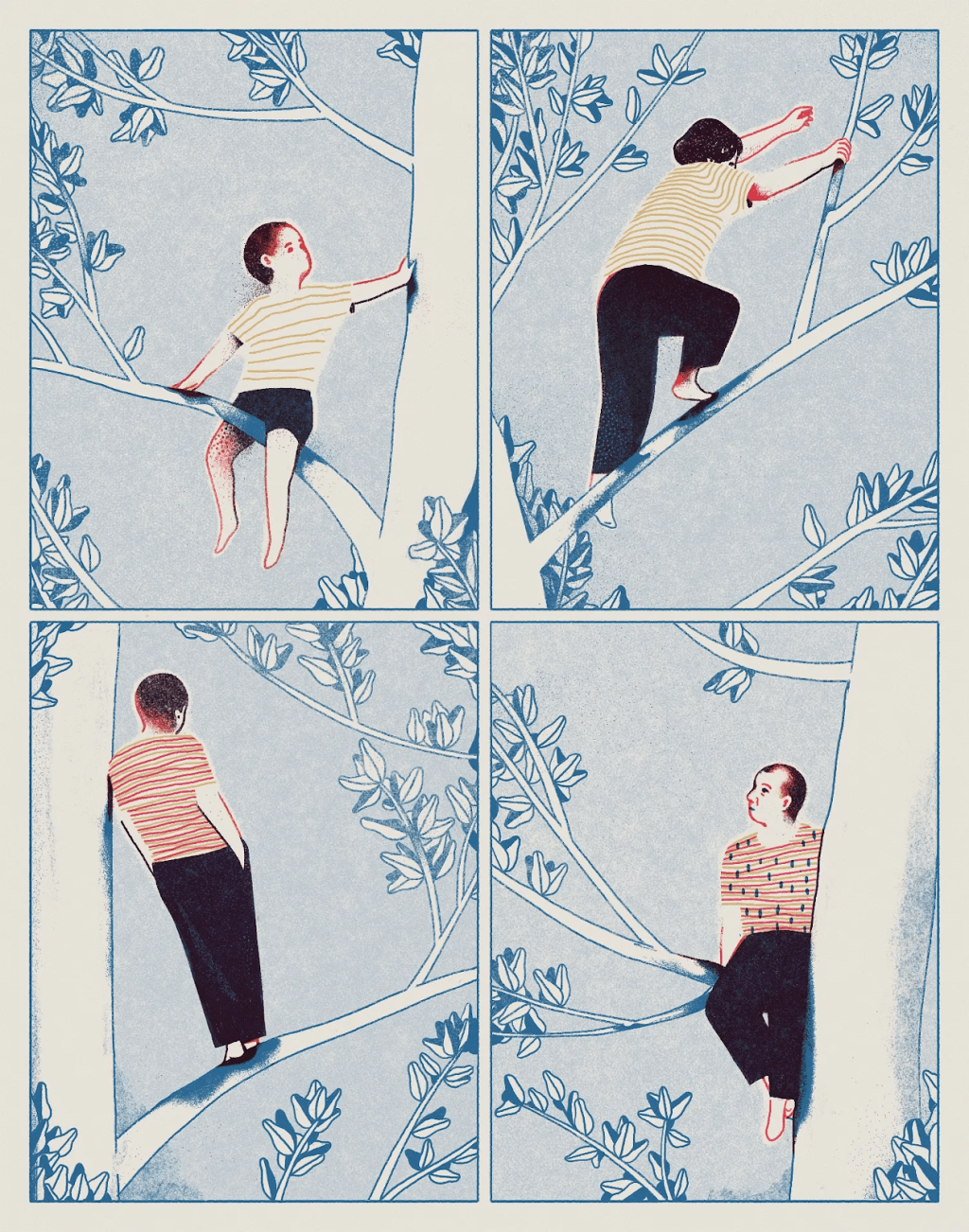
 Tập Đọc
Leave a comment