Imagine a hallway containing three different rooms. In each room, there is a person being experimented on—a captive subject to a rogue, clandestine operation headed by the world’s greatest, most intelligent neuroscientist. This neuroscientist has been contracted by an intelligence agency group to research consciousness, perception, and intelligence, all in an effort to develop new understandings and technologies related to the mind. In each room, we find brains running experiments on brains, experiments run on thought.
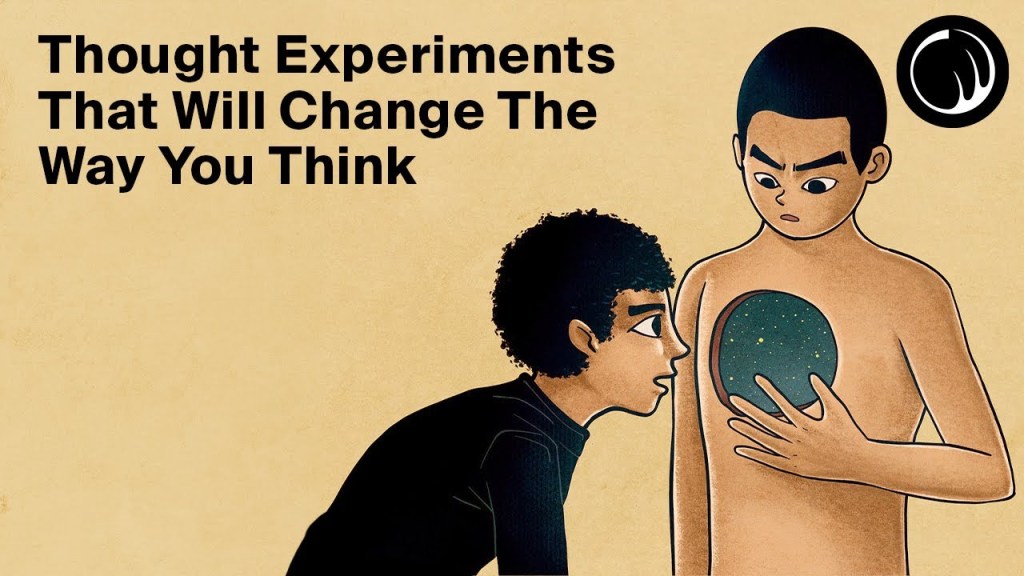
Illustration: Pursuit of Wonder
Imagine a hallway containing three different rooms. In each room, there is a person being experimented on—a captive subject to a rogue, clandestine operation headed by the world’s greatest, most intelligent neuroscientist. This neuroscientist has been contracted by an intelligence agency group to research consciousness, perception, and intelligence, all in an effort to develop new understandings and technologies related to the mind. In each room, we find brains running experiments on brains, experiments run on thought.
As we enter the hallway, we find ourselves at the first room. The door is closed and locked. Inside, there is a man named John. He is not allowed out, and no one is allowed in. He has been completely isolated for some time, provided food and water through a contactless delivery system. A woman who works at the lab has now recently been instructed to begin periodically communicating with John by slipping him notes under his door. She is not told anything else. She does not know who is in the room or why.
One morning, after she begins following this instruction, John wakes up to a note in his room. He is both immediately curious and hopeful of what it might say. However, to great disappointment, when he picks it up to read it, he finds that it is written in Chinese—a language he does not know at all. However, John quickly notices that now also placed in his room are boxes full of papers, pencils, and erasers, as well as books containing comprehensive instructions for how to appropriately respond in Chinese to statements and questions the woman might write. In the books, John can locate and match the symbols the woman writes and then write the relevant corresponding symbols that the book provides, facilitating a conversation.
At first, John is confused, but desperate for social interaction, he soon engages with the woman, writing back notes according to the books’ instructions. As time passes, the woman begins to like and then fall for John, believing she is communicating with a charismatic man who is fluent in Chinese. Of course, however, John has no idea what he is saying.

In this experiment, referred to as the Chinese Room, we find the following question being asked: what does it means to be intelligent?
With the advent and rapid development of digital computing and artificial intelligence, the question concerning when or if a machine could be considered intelligent, able to think and possess an understanding, is only becoming increasingly relevant. If John can convince the woman he is intelligent, or fluent in Chinese, based on what he outputs from the room, but can do so without ever actually understanding Chinese and what he is saying, then the output of John’s behavior is not sufficient in qualifying him as intelligent, or in this case, possessing an actual understanding of what he is saying. And so, likewise, if a computer program can follow syntactic rules well enough to provide an output that can convince a person that it is thinking and fully understanding, that does not necessarily mean that it is. This experiment challenges the philosophical positions known as functionalism and computationalism, functionalism arguing that mental states are to be identified by what they do rather than by what they are made of, and computationalism arguing that the mind is an information processing system and consciousness is merely a form of computation.
According to the Chinese Room’s proposition, however, for intelligence of mind to actually exist, there needs to be understanding, which is inevitably always missing from a digital computer. This poses the question, though, what constitutes understanding?
Obviously, John understanding Chinese or not is essentially binary, but can John still understand what he is doing in the situation without understanding Chinese? In other words, does John’s understanding of the fact that he is intaking and sending out messages in Chinese still constitute some form of understanding? On what level is a computational system required to understand what it is doing for it to be considered sufficient enough for intelligence? Is it a total, comprehensive understanding that is required, a partial understanding in a specific way? How does one determine this? How does one verify it? After all, do we, as human, really understand what we mean even when we know what we are saying?
Ultimately, if the door to John’s room was suddenly opened, and the woman saw John showing emotion and effort as he wrote his responses down from the instruction books, clearly understanding, not the language, but the significance of it, his role in the exchange, would this change things? Would the woman still find him worthy of love and possessing of a sufficient enough understanding to be intelligent? Likewise, if a machine functioned as if it understood, behaved as if it did, and made the explicit claim that it felt as though it did, all based on a programs code, do we believe it, how do we treat it, what are the ethics now needed?
As we move further down the hall, in the next room, there is a woman named Mary. Mary has been contained in this room ever since she was born, completely closed off from the rest of the world. No one has gone in, and she has never been let out. She has been communicated with exclusively through an intercom system. Inside the room, there is no color, and there never has been. It is completely black and white. Her skin and hair have all been modified and dyed black, white, and grey. Through a delivery system, she has only been given food and drink completely dyed with black & white food coloring. The only other things in the room that she has been given to pass the time are books and research papers, all also in black and white. Contained inside the books and papers is all of the known knowledge on one subject: color perception.
Without having ever seen a color in her entire life, Mary has become an expert on color. She knows everything there is to know—the physics of it, the process by which different wavelengths of light stimulate the retina in the eye, how it triggers different electrical signals that effect neural activity in the brain, and how the brain interprets these signals into conscious experiences in the forms of different color perceptions.
Soon, however, the door to Mary’s room will be opened, and she will be let out. For the first time in her life, she will see color firsthand. The question this experiment will then ask is when Mary leaves the room, will she learn anything new about color? If she already possesses and understands all of the known knowledge on color perception, is there still something unknown to her contained in experiencing it firsthand via the eye?

This experiment, referred to as Mary’s Room, attempts to demonstrate what is known as the knowledge argument, which is the claim that there are truths related to conscious experience that cannot be described or known by mere knowledge of physical facts. In other words, there is a property of knowledge and understanding that can only be found through firsthand conscious experience, which, according to the argument, extends beyond the mere physicality of the experience.
This argues against the theory known as physicalism, which is the counter view that argues that everything in the universe, including mental states, is physical with physical explanations. The belief that Mary will experience and learn something novel when seeing color for the first time might seem obvious, but if she does, what exactly is it that is new? If the experience is tied to something physical, she, at least theoretically, should have already known it. If it is not physical, what is it? Is it the mental state felt by the color? But what is being felt other than the physical state in the brain that the color produces in the form of a mental state, which again, Mary should have, or at least could have, already known? If she knows all the characteristic of a mental state through knowledge, wouldn’t she already know how it feels?
Perhaps, then, this experiment is and will remain restricted by the limits of language and knowledge itself. Perhaps rather than any ineffable quality of subjective conscious experience, Mary will demonstrate that language, as a vehicle of thought and understanding, is simply far too limited to get near the mental state equivalent to firsthand experience, but nonetheless, theoretically, with advanced enough language, it would be possible.
As we move down to the end of the hallway, in the final room is you. Your brain currently floats in a stasis tube of nutrient solution. Wires are implanted into it and plugged into a machine that actively processes and stimulates all of your brain’s nerve impulses. Everything you are experiencing right now is mapped, modeled, and created by this machine, your brain being stimulated into sequences of various mental states that reproduce your regular perceptions. You are not in the world as you think you are. You are not in your body. You are not physically encountering any environment through any senses. Your memory is actively being altered and updated to create cohesiveness in the story you imagine about yourself in order to make this illusion completely and constantly believable.

Of course, all of these are just thought experiments. But the point of this last one is to pose the question: how can you know for sure? How can you know that all of the aforementioned—the vat, the lab, the neuroscientist, and so on—isn’t actually happening right now and what you think is happening right now actually isn’t? What can you really know with certainty to be true? Can you be certain that anything exists outside your mind? Can you be certain of the nature and conditions of your mind? Can you be certain your senses are not deceiving you, that you are awake and not dreaming, that you are in the real world and not a simulation or a vat? Isn’t the only thing you can be certain of is that you are somewhere somehow in something, existing as a thinking thing? Since all your abilities to think and know occur exclusively inside your mind, there is no way for you to ever step out of it to know or prove of anything else.
All of the ideas and questions found in this hallway of thought experiments, The Chinese Room created by John Searle in 1980, Mary’s Room created by Frank Jackson in 1982, and The Brain in a Vat created by Gilbert Harman in 1973, inspired by Rene Descartes’s Evil Demon, reveal the inherent difficulty of understanding the mind from within the mind. They reveal how little we truly know about what makes us who we are. They reveal the potential limits of thought, language, and knowledge as vehicles fast and powerful enough to transcend the bounds of their origins. And perhaps most beautifully, they reveal the brain’s desire and ability to try anyway—to experiment with itself in novel ways and to use the material of its own thinking to try to manufacturer new vehicles capable of doing so, of reaching into new realms of the unknown.
By Pursuit of Wonder
Fostering reflection through powerful ideas and stories.
Wonder is the feeling of curiosity and appreciation inspired by something beautiful, inexplicable, or unfamiliar. At Pursuit of Wonder, we create work with the aim of producing that feeling.
Through video essays, short stories, guided experiences, books, and more, we explore a wide range of topics related to philosophy, psychology, science, literature, well-being, and more. We believe in facing the challenges and complexities of life head-on, and in doing so, we strive to inspire a reconnection with child-like wonder and a comfort with the uncertainty and absurdity of existence.
March 3, 2022
Bạn có thể tải miễn phí bộ học liệu được xây dựng từ bài đọc này tại đây:
https://drive.google.com/drive/folders/19wIz5PM88JcP4doKUnWgB_D_bj7xyQe-?usp=sharing
Tập Đọc (literally means “Reading Together”) is a bilingual English-Vietnamese journal featuring new word annotations, translations, spoken word versions (audio articles), and a free vocabulary list for the community. The project has been maintained since 2020 and has published over 80 issues to date.
Readers should be advised that the articles published in Tập Đọc do not necessarily reflect the views, attitudes, and perspectives of the editors. Readers are encouraged to form their own opinions and evaluations through a dialogue between themselves and the authors during their reading process. Only reading writers with whom one agrees is akin to only engaging in conversations with those who compliment you: it’s comfortable, but dangerous.
Hope this helps.
If you wish to support any of my projects, I would be profoundly grateful. Any support, no matter how small, will be significantly meaningful in helping me stay motivated or continue these non-profit efforts.
Please send your support to account number: 0491 0000 768 69. Account holder: Nguyễn Tiến Đạt, Vietcombank, Thăng Long branch.

Đà Nẵng, February 19, 2024
Nguyễn Tiến Đạt (sutucon)
BẢNG CHÚ THÍCH TỪ MỚI
| STT | Từ mới | Phiên âm | Nghĩa tiếng Anh | Nghĩa tiếng Việt |
|---|---|---|---|---|
| 1 | thought experiments | /θɔːt/ /ɪkˈspɛrɪmənts/ | hypothetical scenarios designed to explore ideas, theories, or principles through imagination rather than through physical experiments | thí nghiệm tư duy |
| 2 | captive subject | /ˈkæptɪv/ /ˈsʌbʤɪkt/ | an individual who is held and involved in an experiment without their freedom to leave | đối tượng bị giam giữ |
| 3 | rogue | /rəʊɡ/ | operating outside normal or desirable controls, often with a negative connotation of rebellion or deviation from expected standards | lệch chuẩn, nổi loạn |
| 4 | clandestine | /klænˈdɛstɪn/ | activities or operations that are kept secret or hidden, especially for purposes of deception or illicitness | bí mật, ngầm |
| 5 | operation | /ˌɒpᵊrˈeɪʃᵊn/ | a planned activity or series of activities, typically involving manipulation or treatment, especially in scientific or military contexts | hoạt động |
| 6 | neuroscientist | /ˈnjʊərəʊˌsaɪəntɪst/ | a scientist who specializes in the study of the nervous system, including the brain’s structure, function, development, genetics, and biochemistry | nhà khoa học thần kinh |
| 7 | contracted | /kənˈtræktɪd/ | engaged or hired to perform a specific task or service, typically through a formal agreement | được hợp đồng |
| 8 | an intelligence agency | /ən/ /ɪnˈtɛlɪʤᵊns/ /ˈeɪʤᵊnsi/ | an organization responsible for gathering, analyzing, and utilizing information, often secret, for national security and defense purposes | cơ quan tình báo |
| 9 | consciousness | /ˈkɒnʃəsnəs/ | the state of being aware of and able to think about one’s own existence, sensations, thoughts, surroundings, etc | ý thức |
| 10 | perception | /pəˈsɛpʃᵊn/ | the process by which sensory information is interpreted and understood by the brain | nhận thức |
| 11 | intelligence | /ɪnˈtɛlɪʤᵊns/ | the ability to acquire knowledge, think abstractly, understand complex ideas, learn from experience, and solve problems | trí tuệ |
| 12 | isolated | /ˈaɪsəleɪtɪd/ | separated from others; not in contact or communication with others | bị cô lập |
| 13 | contactless | /ˈkɒntæktləs/ | without physical contact; often referring to methods of communication or transaction that do not require physical touch | không tiếp xúc |
| 14 | periodically | /ˌpɪəriˈɒdɪkᵊli/ | at regular intervals of time; occurring repeatedly over a certain period | định kỳ |
| 15 | notes | /nəʊts/ | written messages or pieces of information | ghi chú |
| 16 | comprehensive | /ˌkɒmprɪˈhɛnsɪv/ | thorough and complete; covering all or nearly all elements or aspects of something | toàn diện |
| 17 | relevant | /ˈrɛləvᵊnt/ | closely connected or appropriate to what is being done or considered | liên quan |
| 18 | corresponding | /ˌkɒrɪˈspɒndɪŋ/ | matching or equivalent in some way; directly related or connected | tương ứng |
| 19 | facilitating | /fəˈsɪlɪteɪtɪŋ/ | making an action or process easier or more possible | tạo điều kiện |
| 20 | desperate for | /ˈdɛspᵊrət/ /fɔː/ | having a great need or desire for something to the point of feeling hopeless | khao khát |
| 21 | social interaction | /ˈsəʊʃᵊl/ /ˌɪntərˈækʃᵊn/ | the process by which individuals act and react in relation to others | tương tác xã hội |
| 22 | engages with | /ɪnˈɡeɪʤɪz/ /wɪð/ | involves oneself in or initiates interaction with something | tương tác với |
| 23 | fall for | /fɔːl/ /fɔː/ | develop romantic feelings for someone, often quickly or with strong emotion | phải lòng |
| 24 | charismatic | /ˌkærɪzˈmætɪk/ | possessing an exceptional ability to attract, influence, or inspire people | có sức hút |
| 25 | fluent in | /ˈfluːənt/ /ɪn/ | able to speak or write a language smoothly, easily, and correctly | thành thạo |
| 26 | advent | /ˈædvɛnt/ | the arrival or creation of something, often implying its significance or novelty | sự xuất hiện |
| 27 | digital computing | /ˈdɪʤɪtᵊl/ /kəmˈpjuːtɪŋ/ | the process of using digital technology, especially computers, to perform calculations and process data | tính toán số hóa |
| 28 | artificial intelligence (ai) | /ˌɑːtɪˈfɪʃᵊl/ /ɪnˈtɛlɪʤᵊns/ (ai) | the simulation of human intelligence in machines that are programmed to think and learn | trí tuệ nhân tạo |
| 29 | outputs | /ˈaʊtpʊts/ | the results or products of a process or operation | đầu ra |
| 30 | not sufficient | /nɒt/ /səˈfɪʃᵊnt/ | not enough to achieve a desired outcome or meet a requirement | không đủ |
| 31 | qualifying | /ˈkwɒlɪfaɪɪŋ/ | meeting the necessary standards or criteria for a particular status or activity | đủ điều kiện |
| 32 | possessing | /pəˈzɛsɪŋ/ | having, owning, or holding something as a part of one’s qualities or characteristics | sở hữu |
| 33 | syntactic rules | /sɪnˈtæktɪk/ /ruːlz/ | the set of rules, principles, and processes that govern the structure of sentences in a given language, especially in terms of syntax | quy tắc cú pháp |
| 34 | philosophical positions | /ˌfɪləˈsɒfɪkᵊl/ /pəˈzɪʃᵊnz/ | stances or theories developed by philosophers on various aspects of existence, knowledge, values, reason, mind, and language | lập trường triết học |
| 35 | functionalism | /ˈfʌŋkʃᵊnᵊlɪzᵊm/ | in philosophy of mind, the theory that mental states are defined by their causal relations to sensory inputs, behavioral outputs, and other mental states | chức năng luận |
| 36 | computationalism | /ˌkɒmpjuˈteɪʃənlɪzəm/ | the theory that cognitive processes can be understood as forms of computation, suggesting that the mind can be modeled as a computational system | tính toán luận |
| 37 | mental states | /ˈmɛntᵊl/ /steɪts/ | conditions of the mind or consciousness, including thoughts, beliefs, desires, and feelings | trạng thái tinh thần |
| 38 | an information processing system | /ən/ /ˌɪnfəˈmeɪʃᵊn/ /ˈprəʊsɛsɪŋ/ /ˈsɪstəm/ | a system or model that processes data or information, typically involving the collection, manipulation, storage, dissemination, and categorization of information | hệ thống xử lý thông tin |
| 39 | inevitably | /ɪˈnɛvɪtəbᵊli/ | as is certain to happen; unavoidably | tất yếu |
| 40 | poses the question | /ˈpəʊzɪz/ /ðə/ /ˈkwɛsʧən/ | raises or presents a specific query or issue for consideration | đặt ra câu hỏi |
| 41 | constitutes | /ˈkɒnstɪʧuːts/ | makes up or forms the essence of something; is considered to be | cấu thành |
| 42 | essentially | /ɪˈsɛnʃᵊli/ | at the most basic level; fundamentally | cơ bản |
| 43 | binary | /ˈbaɪnᵊri/ | composed of two parts or elements; often used to describe situations where there are only two possible states or outcomes | nhị phân |
| 44 | intaking | /ˈɪnteɪkɪŋ/ | receiving or taking in information, substances, etc | tiếp nhận |
| 45 | comprehensive | /ˌkɒmprɪˈhɛnsɪv/ | including all or nearly all elements or aspects of something | bao quát |
| 46 | partial | /ˈpɑːʃᵊl/ | incomplete or only to a certain extent; not total | một phần |
| 47 | determine | /dɪˈtɜːmɪn/ | to firmly decide or conclude something based on evidence or reasoning | xác định |
| 48 | verify | /ˈvɛrɪfaɪ/ | to make sure or demonstrate that something is true, accurate, or justified | kiểm chứng |
| 49 | ultimately | /ˈʌltɪmətli/ | in the end; finally, after a series of events or considerations | cuối cùng |
| 50 | worthy | /ˈwɜːði/ | having value, merit, or deserving of something | xứng đáng |
| 51 | function | /ˈfʌŋkʃᵊn/ | to operate or work in a particular way or under specific conditions | hoạt động |
| 52 | explicit | /ɪksˈplɪsɪt/ | stated clearly and in detail, leaving no room for confusion or doubt | rõ ràng |
| 53 | ethics | /ˈɛθɪks/ | moral principles that govern a person’s behavior or the conducting of an activity | đạo đức |
| 54 | contained | /kənˈteɪnd/ | restricted or kept in a specific place | được chứa đựng |
| 55 | closed off | /kləʊzd/ /ɒf/ | separated or isolated from others | bị cô lập |
| 56 | exclusively | /ɪksˈkluːsɪvli/ | only; solely without inclusion of others | độc quyền |
| 57 | an intercom system | /ən/ /ˈɪntəkɒm/ /ˈsɪstəm/ | a communication system for transmitting and receiving audio and/or video | hệ thống liên lạc nội bộ |
| 58 | modified | /ˈmɒdɪfaɪd/ | changed or altered from its original form | được chỉnh sửa |
| 59 | food coloring | /fuːd/ /ˈkʌlərɪŋ/ | dyes or substances added to food or drink to change its color | màu thực phẩm |
| 60 | research papers | /rɪˈsɜːʧ/ /ˈpeɪpəz/ | detailed articles written to report the results of scientific study or analysis | các bài nghiên cứu |
| 61 | perception | /pəˈsɛpʃᵊn/ | the process by which sensory information is interpreted and understood | nhận thức |
| 62 | expert | /ˈɛkspɜːt/ | someone with a deep, comprehensive knowledge of a subject | chuyên gia |
| 63 | physics | /ˈfɪzɪks/ | the science that deals with the properties and interactions of matter and energy | vật lý |
| 64 | wavelengths of light | /ˈweɪvlɛŋθs/ /ɒv/ /laɪt/ | the distances between successive peaks of light waves, determining their color | bước sóng của ánh sáng |
| 65 | stimulate | /ˈstɪmjəleɪt/ | to encourage or cause an activity or process to begin or to increase | kích thích |
| 66 | the retina in the eye | /ðə/ /ˈrɛtɪnə/ /ɪn/ /ði/ /aɪ/ | the light-sensitive layer of tissue at the back of the inner eye | võng mạc trong mắt |
| 67 | triggers | /ˈtrɪɡəz/ | causes to start or happen | kích hoạt |
| 68 | effect | /ɪˈfɛkt/ | to bring about a change | tạo ra tác động |
| 69 | neural activity | /ˈnjʊərəl/ /ækˈtɪvəti/ | the functioning of nerve cells or neurons in the brain | hoạt động thần kinh |
| 70 | interprets | /ɪnˈtɜːprɪts/ | to explain or understand the meaning of something | giải thích |
| 71 | conscious experiences | /ˈkɒnʃəs/ /ɪkˈspɪəriənsɪz/ | awareness of one’s own existence, sensations, thoughts, surroundings, etc | trải nghiệm ý thức |
| 72 | firsthand | /ˈfɜːstˈhænd/ | directly experienced or seen | trực tiếp |
| 73 | possesses | /pəˈzɛsɪz/ | owns or has | sở hữu |
| 74 | via | /ˈvaɪə/ | by way of; through | qua |
| 75 | mere | /mɪə/ | only; nothing more than | chỉ là |
| 76 | property | /ˈprɒpəti/ | a quality, attribute, or distinguishing feature of something | đặc tính |
| 77 | extends beyond | /ɪkˈstɛndz/ /bɪˈjɒnd/ | goes further than | mở rộng vượt ra ngoài |
| 78 | physicality | /ˌfɪzɪˈkæləti/ | the quality of being physical or related to the body | tính chất vật lý |
| 79 | physicalism | /ˈfɪzɪkᵊlɪzᵊm/ | the philosophical position that everything can be explained in terms of physical processes and properties | chủ nghĩa vật lý |
| 80 | belief | /bɪˈliːf/ | a conviction or acceptance that something is true or exists | niềm tin |
| 81 | novel | /ˈnɒvᵊl/ | new or unusual in an interesting way | mới lạ |
| 82 | obvious | /ˈɒbviəs/ | easily perceived or understood; clear, self-evident | rõ ràng |
| 83 | theoretically | /θɪəˈrɛtɪkᵊli/ | in theory or according to the theory rather than practice | về mặt lý thuyết |
| 84 | characteristic | /ˌkærəktəˈrɪstɪk/ | a feature or quality typical of a person, place, or thing | đặc điểm |
| 85 | restricted | /rɪˈstrɪktɪd/ | limited in extent, number, scope, or action | bị hạn chế |
| 86 | ineffable | /ɪnˈɛfəbᵊl/ | too great or extreme to be expressed or described in words | không thể diễn tả bằng lời |
| 87 | subjective | /səbˈʤɛktɪv/ | based on or influenced by personal feelings, tastes, or opinions | chủ quan |
| 88 | demonstrate | /ˈdɛmənstreɪt/ | clearly show the existence or truth of something by giving proof or evidence | chứng minh |
| 89 | vehicle | /ˈvɪəkᵊl/ | a means of conveying or transmitting | phương tiện |
| 90 | mental state | /ˈmɛntᵊl/ /steɪt/ | a psychological condition that determines how a person perceives and interacts with the world | trạng thái tinh thần |
| 91 | equivalent | /ɪˈkwɪvᵊlᵊnt/ | equal in value, measure, force, effect, or significance | tương đương |
| 92 | floats | /fləʊts/ | to stay suspended within a fluid without sinking | nổi |
| 93 | a stasis tube | /ə/ /ˈsteɪsɪs/ /ʧuːb/ | a hypothetical container designed to maintain a state of suspension or unchanging condition, often used in science fiction to preserve life or biological samples indefinitely | ống trạng thái tĩnh |
| 94 | nutrient solution | /ˈnjuːtriənt/ /səˈluːʃᵊn/ | a liquid containing all the necessary nutrients for the growth and survival of living cells or organisms, typically used in a laboratory setting or for hydroponics | dung dịch dinh dưỡng |
| 95 | implanted | /ɪmˈplɑːntɪd/ | surgically inserted or embedded into the body | cấy ghép |
| 96 | processes | /ˈprəʊsɛsɪz/ | performs a series of operations on data or information to achieve a particular result | xử lý |
| 97 | stimulates | /ˈstɪmjəleɪts/ | encourages or causes an activity or increased action or development | kích thích |
| 98 | nerve impulses | /nɜːv/ /ˈɪmpʌlsɪz/ | electrical signals that travel along nerve fibers, carrying messages between the brain and other parts of the body | xung động thần kinh |
| 99 | mapped | /mæpt/ | created a detailed representation or analysis of a particular area or concept | vạch ra |
| 100 | modeled | /ˈmɒdᵊld/ | represented or constructed a physical, mathematical, or conceptual simulation of a system or process | mô phỏng |
| 101 | sequences | /ˈsiːkwənsɪz/ | a particular order in which related events, movements, or things follow each other | chuỗi |
| 102 | reproduce | /ˌriːprəˈdjuːs/ | to generate or bring about a copy or representation of something | tái tạo |
| 103 | senses | /ˈsɛnsɪz/ | the physiological capacities of organisms that provide data for perception, such as sight, sound, smell, taste, and touch | giác quan |
| 104 | altered | /ˈɒltəd/ | changed or modified in some way | thay đổi |
| 105 | cohesiveness | /kəʊˈhiːsɪvnəs/ | the quality of forming a united whole or working together as elements that provide consistency | tính chất liên kết |
| 106 | believable | /bɪˈliːvəbᵊl/ | capable of being believed; convincing or plausible | có thể tin được |
| 107 | pose the question | /pəʊz/ /ðə/ /ˈkwɛsʧən/ | to ask or present a problem or query for consideration | đặt câu hỏi |
| 108 | aforementioned | /əˈfɔːˌmɛnʃᵊnd/ | previously mentioned or spoken of | đã nêu trên |
| 109 | vat | /væt/ | a large container or tank used for holding liquids, in this context, referring to a hypothetical scenario where a brain is kept in a vat | bể chứa |
| 110 | know with certainty | /nəʊ/ /wɪð/ /ˈsɜːtᵊnti/ | to be absolutely sure or confident about something | biết chắc chắn |
| 111 | be certain | /biː/ /ˈsɜːtᵊn/ | to have complete assurance or confidence in something | chắc chắn |
| 112 | exists | /ɪɡˈzɪsts/ | to have actual being; to be real | tồn tại |
| 113 | nature | /ˈneɪʧə/ | the inherent or essential qualities or character of something | bản chất |
| 114 | conditions | /kənˈdɪʃᵊnz/ | the state of something with regard to its appearance, quality, or working order | điều kiện |
| 115 | deceiving | /dɪˈsiːvɪŋ/ | misleading or causing someone to believe something that is not true | tâm trí |
| 116 | occur | /əˈkɜː/ | to happen or take place | lừa dối |
| 117 | exclusively | /ɪksˈkluːsɪvli/ | only; solely; without sharing with others | xảy ra |
| 118 | inspired | /ɪnˈspaɪəd/ | aroused the mind to do or feel something, especially to do something creative | độc quyền |
| 119 | reveal | /rɪˈviːl/ | to make (previously unknown or secret information) known to others | |
| 120 | inherent | /ɪnˈhɛrᵊnt/ | existing in something as a permanent, essential, or characteristic attribute | tiết lộ |
| 121 | potential | /pəˈtɛnʃᵊl/ | having or showing the capacity to become or develop into something in the future | vốn có |
| 122 | transcend | /trænˈsɛnd/ | to go beyond the range or limits of (something abstract, typically a conceptual field or division) | tiềm năng |
| 123 | the bounds of | /ðə/ /baʊndz/ /ɒv/ | the limits or borders of something | vượt qua |
| 124 | origins | /ˈɒrɪʤɪnz/ | the point or place where something begins, arises, or is derived | giới hạn của |
| 125 | desire | /dɪˈzaɪə/ | a strong feeling of wanting to have something or wishing for something to happen | nguồn gốc |
| 126 | novel | /ˈnɒvᵊl/ | new or unusual in an interesting way | mong muốn |
| 127 | manufacture | /ˌmænjəˈfækʧə/ | produce (something) on a large scale using machinery | mới lạ |
| 128 | capable of | /ˈkeɪpəbᵊl/ /ɒv/ | having the ability, fitness, or quality necessary to do or achieve a specified thing | sản xuất |
| 129 | new realms of the unknown | /njuː/ /rɛlmz/ /ɒv/ /ði/ /ʌnˈnəʊn/ | unexplored or unfamiliar areas or subjects | có khả năng |
BÀI TẬP ĐIỀN TỪ
| STT | Câu điền từ | Bản dịch tiếng Việt |
|---|---|---|
| 1 | The unique ………………………………………………………… of her singing voice made her an overnight sensation. | Đặc điểm độc đáo trong giọng hát của cô ấy đã khiến cô ấy trở thành tâm điểm chỉ sau một đêm. |
| 2 | Whether a machine’s ability to mimic human interaction is ………………………………………………………… of genuine understanding is still debated. | Liệu khả năng bắt chước tương tác của con người của máy móc có phải là bằng chứng về sự hiểu biết thực sự hay không vẫn còn được tranh luận. |
| 3 | The emergence of ………………………………………………………… has blurred the lines between biological and artificial cognition. | Sự xuất hiện của điện toán kỹ thuật số đã làm mờ đi ranh giới giữa nhận thức sinh học và nhận thức nhân tạo. |
| 4 | The ………………………………………………………… behind the phenomenon was finally understood after years of research. | Vật lý đằng sau hiện tượng này cuối cùng đã được hiểu rõ sau nhiều năm nghiên cứu. |
| 5 | Owning a vast collection of books, he ………………………………………………………… a great deal of knowledge on world history. | Sở hữu một bộ sưu tập sách đồ sộ, ông sở hữu rất nhiều kiến thức về lịch sử thế giới. |
| 6 | The philosopher argued that the essence of being cannot be understood by ………………………………………………………… observation alone. | Nhà triết học lập luận rằng bản chất của sự tồn tại không thể được hiểu chỉ bằng sự quan sát đơn thuần. |
| 7 | The subjects’ ………………………………………………………… of their environment was carefully monitored and recorded. | Nhận thức của các đối tượng về môi trường của họ được theo dõi và ghi lại cẩn thận. |
| 8 | Being ………………………………………………………… human contact, John was eager to communicate with anyone. | Vì mong muốn tiếp xúc với con người, John rất háo hức giao tiếp với bất kỳ ai. |
| 9 | John’s ability to respond accurately without understanding the language questioned if output alone is ………………………………………………………… to determine intelligence. | Khả năng trả lời chính xác của John mà không hiểu ngôn ngữ được hỏi nếu chỉ kết quả đầu ra thôi là không đủ để xác định trí thông minh. |
| 10 | The ………………………………………………………… focused on manipulating the human brain to uncover new insights. | Chiến dịch tập trung vào việc điều khiển bộ não con người để khám phá những hiểu biết mới. |
| 11 | In theory, a perfect democracy is ………………………………………………………… , but in practice, it is difficult to achieve. | Về lý thuyết, một nền dân chủ hoàn hảo là về mặt lý thuyết, nhưng trên thực tế thì rất khó đạt được. |
| 12 | The debate centers around whether ………………………………………………………… can truly replicate human mental processes. | Cuộc tranh luận xoay quanh việc liệu các quan điểm triết học có thể thực sự tái tạo các quá trình tinh thần của con người hay không. |
| 13 | His paintings explore ………………………………………………………… themes that resonate on a personal level. | Những bức tranh của anh ấy khám phá những chủ đề chủ quan gây được tiếng vang ở cấp độ cá nhân. |
| 14 | The ………………………………………………………… that life exists on other planets fascinates many. | Niềm tin rằng sự sống tồn tại trên các hành tinh khác khiến nhiều người mê mẩn. |
| 15 | Can we ever ………………………………………………………… that our memories are accurate? | Liệu chúng ta có thể chắc chắn rằng ký ức của chúng ta là chính xác không? |
| 16 | In the story, the individual who is unable to leave the room is referred to as a ………………………………………………………… | Trong câu chuyện, người không thể rời khỏi phòng được gọi là đối tượng bị giam giữ. |
| 17 | The doctor measured the patient’s ………………………………………………………… to diagnose the neurological disorder. | Bác sĩ đo xung thần kinh của bệnh nhân để chẩn đoán rối loạn thần kinh. |
| 18 | The joy of seeing a child’s smile is ………………………………………………………… | Niềm vui được nhìn thấy nụ cười của trẻ thơ thật không thể diễn tả được. |
| 19 | The experiment ………………………………………………………… whether mere output can be considered evidence of understanding. | Thí nghiệm đặt ra câu hỏi liệu kết quả đầu ra đơn thuần có thể được coi là bằng chứng của sự hiểu biết hay không. |
| 20 | Everything in the universe, according to ………………………………………………………… , can be explained through physics and chemistry. | Mọi thứ trong vũ trụ, theo chủ nghĩa vật lý, đều có thể được giải thích thông qua vật lý và hóa học. |
| 21 | Philosophers often ………………………………………………………… about the nature of reality. | Các triết gia thường đặt câu hỏi về bản chất của thực tại. |
| 22 | The experiment explores the ………………………………………………………… required for an entity to be considered intelligent. | Thí nghiệm khám phá tiêu chí cần thiết để một thực thể được coi là thông minh. |
| 23 | The project was overseen by a renowned ………………………………………………………… interested in the mechanics of the mind. | Dự án được giám sát bởi một nhà thần kinh học nổi tiếng quan tâm đến cơ chế hoạt động của tâm trí. |
| 24 | Discovering a new species in the deep sea was ………………………………………………………… to the marine biologists. | Việc phát hiện ra một loài mới ở vùng biển sâu là một điều mới lạ đối với các nhà sinh học biển. |
| 25 | The laboratory animals were ………………………………………………………… in their cages for observation. | Các động vật thí nghiệm được nhốt trong lồng để quan sát. |
| 26 | The device was ………………………………………………………… under the skin to monitor health metrics continuously. | Thiết bị được cấy dưới da để theo dõi các chỉ số sức khỏe liên tục. |
| 27 | The distinction between ………………………………………………………… and implicit knowledge is central to the debate on AI consciousness. | Sự khác biệt giữa kiến thức rõ ràng và kiến thức tiềm ẩn là trọng tâm của cuộc tranh luận về ý thức AI. |
| 28 | Experiencing art ………………………………………………………… can be much more impactful than seeing it through a screen. | Trải nghiệm nghệ thuật tận mắt có thể có tác động mạnh hơn nhiều so với việc nhìn nó qua màn hình. |
| 29 | The ………………………………………………………… of this ancient artifact suggests it was used in rituals. | Tài sản của hiện vật cổ xưa này cho thấy nó được sử dụng trong các nghi lễ. |
| 30 | Achieving a ………………………………………………………… of meditation can lead to profound insights. | Đạt được trạng thái tinh thần thiền định có thể dẫn đến những hiểu biết sâu sắc. |
| 31 | His kindness ………………………………………………………… the initial awkwardness of the meeting. | Lòng tốt của anh ấy vượt xa sự lúng túng ban đầu của cuộc gặp. |
| 32 | The exhibition was ………………………………………………………… for showcasing local artists’ works. | Cuộc triển lãm độc quyền để trưng bày tác phẩm của các nghệ sĩ địa phương. |
| 33 | The ………………………………………………………… of the mind as an information processing system is a key concept in cognitive science. | Thuyết tính toán coi trí óc như một hệ thống xử lý thông tin là một khái niệm then chốt trong khoa học nhận thức. |
| 34 | The ………………………………………………………… is responsible for converting light into signals that the brain can understand. | Võng mạc trong mắt chịu trách nhiệm chuyển đổi ánh sáng thành tín hiệu mà não có thể hiểu được. |
| 35 | Leaves gently ………………………………………………………… on the surface of the water. | Lá nhẹ nhàng nổi** trên mặt nước. |
| 36 | The exploration of ………………………………………………………… introduces us to possibilities beyond our imagination. | Việc khám phá các lĩnh vực mới của những điều chưa biết đưa chúng ta đến những khả năng ngoài sức tưởng tượng của chúng ta. |
| 37 | The notion of a computer ………………………………………………………… human-like responses has been a topic of debate in artificial intelligence. | Khái niệm máy tính sở hữu phản ứng giống con người từng là chủ đề tranh luận trong trí tuệ nhân tạo. |
| 38 | The experiment aimed to ………………………………………………………… the effects of sleep deprivation. | Thí nghiệm nhằm mục đích chứng minh tác động của việc thiếu ngủ. |
| 39 | If John’s ………………………………………………………… were observed directly, would his efforts be seen as evidence of understanding? | Nếu hành động của John được quan sát trực tiếp, liệu nỗ lực của anh ấy có được coi là bằng chứng của sự hiểu biết không? |
| 40 | The scientist ………………………………………………………… the DNA of the species to make it more resistant to diseases. | Nhà khoa học đã thay đổi DNA của loài này để làm cho nó có khả năng kháng bệnh tốt hơn. |
| 41 | The story was so ………………………………………………………… that everyone believed it was true. | Câu chuyện đáng tin cậy đến mức mọi người đều tin đó là sự thật. |
| 42 | The instruction books provided a ………………………………………………………… guide on how to communicate in a foreign language. | Sách hướng dẫn cung cấp hướng dẫn toàn diện về cách giao tiếp bằng tiếng nước ngoài. |
| 43 | Language serves as a ………………………………………………………… for expressing complex thoughts and emotions. | Ngôn ngữ đóng vai trò như một phương tiện để thể hiện những suy nghĩ và cảm xúc phức tạp. |
| 44 | His ………………………………………………………… for knowledge led him to study many different subjects. | Niềm khao khát kiến thức đã khiến anh phải nghiên cứu nhiều môn học khác nhau. |
| 45 | The ………………………………………………………… in the experiment contained a simulated environment for the organisms. | thùng trong thí nghiệm chứa môi trường mô phỏng cho sinh vật. |
| 46 | The study was led by a ………………………………………………………… acting independently of any ethical oversight. | Nghiên cứu được dẫn dắt bởi một kẻ lừa đảo hoạt động độc lập với bất kỳ sự giám sát đạo đức nào. |
| 47 | Bright lights can ………………………………………………………… the pupils to dilate. | Đèn sáng có thể kích thích đồng tử giãn ra. |
| 48 | John’s situation illustrates the ………………………………………………………… between knowing how to respond and understanding the content of the communication. | Tình huống của John minh họa sự phân đôi giữa việc biết cách trả lời và hiểu nội dung giao tiếp. |
| 49 | Access to the private beach is ………………………………………………………… to residents of the community. | Việc sử dụng bãi biển riêng bị hạn chế đối với cư dân trong cộng đồng. |
| 50 | To achieve the vibrant color, the baker used a lot of ………………………………………………………… in the icing. | Để có được màu sắc rực rỡ, người thợ làm bánh đã sử dụng rất nhiều màu thực phẩm trong kem phủ. |
| 51 | The new medication can ………………………………………………………… positive changes in brain chemistry. | Loại thuốc mới có thể tác động những thay đổi tích cực trong hóa học não. |
| 52 | Increased ………………………………………………………… is a sign of the brain’s active engagement in learning. | Hoạt động thần kinh tăng lên là dấu hiệu cho thấy não tham gia tích cực vào việc học. |
| 53 | The ethical implications of artificial ………………………………………………………… are vast and complex. | Ý nghĩa đạo đức của trí tuệ nhân tạo là rất lớn và phức tạp. |
| 54 | The facility used a ………………………………………………………… system to provide necessities to the subjects. | Cơ sở đã sử dụng hệ thống không tiếp xúc để cung cấp nhu yếu phẩm cho các đối tượng. |
| 55 | John had to find the ………………………………………………………… symbols in the book to respond accurately. | John phải tìm những ký hiệu có liên quan trong cuốn sách để trả lời chính xác. |
| 56 | Life, as we know it, ………………………………………………………… in numerous forms across the planet. | Sự sống, như chúng ta biết, tồn tại dưới nhiều hình thức trên khắp hành tinh. |
| 57 | The flowers ………………………………………………………… in the spring, bringing beauty to the landscape. | Những bông hoa xuất hiện vào mùa xuân, mang lại vẻ đẹp cho cảnh quan. |
| 58 | The ………………………………………………………… for exploration drives humans to venture into space. | Tiềm năng khám phá thúc đẩy con người dấn thân vào không gian. |
| 59 | The sudden loud noise ………………………………………………………… a panic among the crowd. | Tiếng động lớn bất ngờ gây ra sự hoảng loạn trong đám đông. |
| 60 | Philosophers often use ………………………………………………………… to explore complex ideas without needing a laboratory. | Các nhà triết học thường sử dụng thí nghiệm tư duy để khám phá những ý tưởng phức tạp mà không cần đến phòng thí nghiệm. |
| 61 | This offer is ………………………………………………………… to first-time customers only. | Ưu đãi này chỉ dành riêng cho khách hàng lần đầu. |
| 62 | The ………………………………………………………… events were summarized at the beginning of the meeting. | Các sự kiện đã nói ở trên đã được tóm tắt vào đầu cuộc họp. |
| 63 | Understanding the ………………………………………………………… of happiness can lead to a more fulfilling life. | Hiểu được bản chất của hạnh phúc có thể dẫn đến một cuộc sống trọn vẹn hơn. |
| 64 | The researcher eventually ………………………………………………………… John, mistaking his scripted responses for genuine communication. | Nhà nghiên cứu cuối cùng phải lòng John, nhầm những câu trả lời theo kịch bản của anh ấy là sự giao tiếp chân thật. |
| 65 | The communication with the outside was conducted ………………………………………………………… , with messages exchanged at regular intervals. | Việc liên lạc với bên ngoài được thực hiện định kỳ, với các tin nhắn được trao đổi đều đặn. |
| 66 | The team worked hard to ensure the ………………………………………………………… of the project’s different phases. | Nhóm đã làm việc chăm chỉ để đảm bảo sự gắn kết của các giai đoạn khác nhau của dự án. |
| 67 | Meditation helps in understanding the depths of one’s ………………………………………………………… | Thiền giúp hiểu được chiều sâu của tâm trí của một người. |
| 68 | The city’s layout was ………………………………………………………… on the map for easier navigation. | Bố cục của thành phố đã được ánh xạ trên bản đồ để điều hướng dễ dàng hơn. |
| 69 | He remembered the ………………………………………………………… of events that led to his success. | Anh ấy nhớ lại chuỗi các sự kiện dẫn đến thành công của mình. |
| 70 | Announcements were made over the ………………………………………………………… , instructing passengers to proceed to their boarding gates. | Thông báo được đưa ra qua hệ thống liên lạc nội bộ, hướng dẫn hành khách tiến tới cổng lên máy bay của họ. |
| 71 | She spent the weekend reviewing ………………………………………………………… for her thesis. | Cô ấy đã dành cả cuối tuần để xem xét các tài liệu nghiên cứu cho luận án của mình. |
| 72 | The ………………………………………………………… problem of consciousness is still debated by philosophers. | Vấn đề cố hữu về ý thức vẫn còn được các triết gia tranh luận. |
| 73 | A ………………………………………………………… operation is one that is conducted secretly, often without official authorization. | Hoạt động bí mật là hoạt động được tiến hành bí mật, thường không có sự cho phép chính thức. |
| 74 | The ………………………………………………………… of understanding in machines is a central issue in the philosophy of mind. | Thách thức về sự hiểu biết về máy móc là vấn đề trọng tâm trong triết lý tư duy. |
| 75 | The therapist helped her ………………………………………………………… her dreams as manifestations of her subconscious. | Nhà trị liệu đã giúp cô ấy giải thích những giấc mơ của mình như những biểu hiện của tiềm thức. |
| 76 | Without the ………………………………………………………… of sight, the other senses become more acute. | Nếu không có giác quan thị giác, các giác quan khác sẽ trở nên nhạy bén hơn. |
| 77 | The experiment challenged the idea that output alone is ………………………………………………………… for attributing understanding. | Thí nghiệm đã thách thức ý tưởng rằng chỉ riêng kết quả đầu ra đã đủ đủ tiêu chuẩn để quy kết sự hiểu biết. |
| 78 | The experiment ………………………………………………………… the need for ethical considerations in the development of intelligent machines. | Thí nghiệm nhấn mạnh sự cần thiết phải cân nhắc về mặt đạo đức trong việc phát triển máy móc thông minh. |
| 79 | The library was a treasure trove of books from various ………………………………………………………… | Thư viện là một kho tàng sách từ nhiều nguồn gốc khác nhau. |
| 80 | Scientists have developed a new ………………………………………………………… to preserve rare species’ cells. | Các nhà khoa học đã phát triển một ống ứ đọng mới để bảo tồn tế bào của các loài quý hiếm. |
| 81 | John ………………………………………………………… with the researcher by following the instructions in the book. | John tương tác với nhà nghiên cứu bằng cách làm theo hướng dẫn trong cuốn sách. |
| 82 | To ………………………………………………………… the limitations of human understanding, we constantly seek knowledge. | Để vượt qua những giới hạn hiểu biết của con người, chúng ta không ngừng tìm kiếm kiến thức. |
| 83 | The ………………………………………………………… of advanced technologies poses new ethical and philosophical questions. | Sự ra đời của các công nghệ tiên tiến đặt ra những câu hỏi mới về đạo đức và triết học. |
| 84 | The gene was ………………………………………………………… to produce a more desirable trait in the plant. | Gen này đã được sửa đổi để tạo ra một tính trạng mong muốn hơn ở cây trồng. |
| 85 | The experiment questions if a digital computer can ever achieve the ………………………………………………………… necessary for true intelligence. | Thí nghiệm đặt câu hỏi liệu máy tính kỹ thuật số có thể đạt được sự hiểu biết cần thiết cho trí thông minh thực sự hay không. |
| 86 | Artists often play with ………………………………………………………… to create different moods in their paintings. | Các nghệ sĩ thường chơi với bước sóng ánh sáng để tạo ra những tâm trạng khác nhau trong tranh của họ. |
| 87 | Being ………………………………………………………… of understanding complex concepts is an essential skill in science. | Có khả năng hiểu các khái niệm phức tạp là một kỹ năng thiết yếu trong khoa học. |
| 88 | The research was funded by ………………………………………………………… known for its surveillance and information gathering. | Nghiên cứu được tài trợ bởi một cơ quan tình báo nổi tiếng với vai trò giám sát và thu thập thông tin. |
| 89 | Understanding a language is not always ___; it can involve varying levels of comprehension. | Hiểu một ngôn ngữ không phải lúc nào cũng nhị phân; nó có thể liên quan đến mức độ hiểu biết khác nhau. |
| 90 | The company aims to ………………………………………………………… eco-friendly products. | Công ty đặt mục tiêu sản xuất các sản phẩm thân thiện với môi trường. |
| 91 | The ………………………………………………………… left under the door were the only form of contact John had. | Những ghi chú để lại dưới cửa là hình thức liên lạc duy nhất mà John có. |
| 92 | The process was designed to be easy, thereby ………………………………………………………… communication between John and the researcher. | Quá trình này được thiết kế để dễ dàng, qua đó tạo điều kiện thuận lợi cho việc giao tiếp giữa John và nhà nghiên cứu. |
| 93 | The ………………………………………………………… added to the lab-grown meat mimics the nutrients found in natural environments. | Dung dịch dinh dưỡng được thêm vào thịt nuôi trong phòng thí nghiệm mô phỏng các chất dinh dưỡng có trong môi trường tự nhiên. |
| 94 | The computer ………………………………………………………… the data to find patterns in the climate changes. | Máy tính xử lý dữ liệu để tìm ra các mô hình về biến đổi khí hậu. |
| 95 | John was kept ………………………………………………………… from the outside world to ensure the purity of the experiment. | John được giữ cách ly với thế giới bên ngoài để đảm bảo sự trong sạch của thí nghiệm. |
| 96 | Artists ………………………………………………………… emotions through their art to connect with the audience. | Nghệ sĩ tái tạo cảm xúc thông qua nghệ thuật của họ để kết nối với khán giả. |
| 97 | The ability to ………………………………………………………… genuine understanding from mere simulation is crucial in evaluating AI. | Khả năng phân biệt sự hiểu biết thực sự với mô phỏng đơn thuần là rất quan trọng trong việc đánh giá AI. |
| 98 | The experiment aimed to understand the nature of ………………………………………………………… , and how it influences behavior. | Thí nghiệm nhằm mục đích tìm hiểu bản chất của ý thức và cách nó ảnh hưởng đến hành vi. |
| 99 | The scientist was ………………………………………………………… by a secretive organization to carry out the research. | Nhà khoa học đã được một tổ chức bí mật ký hợp đồng để thực hiện nghiên cứu. |
| 100 | This therapy ………………………………………………………… the brain to recover from the injury faster. | Liệu pháp này kích thích não phục hồi sau chấn thương nhanh hơn. |
| 101 | The question of whether a machine is ………………………………………………………… of love or understanding is explored through the experiment. | Câu hỏi liệu một cỗ máy có khả năng yêu thương hay hiểu biết hay không được khám phá thông qua thí nghiệm. |
| 102 | His ………………………………………………………… in music theory allows him to compose complex pieces. | Chuyên môn về lý thuyết âm nhạc của anh ấy cho phép anh ấy sáng tác những tác phẩm phức tạp. |
| 103 | The engineer ………………………………………………………… a new system to improve energy efficiency. | Kỹ sư đã mô hình hóa một hệ thống mới để cải thiện hiệu quả sử dụng năng lượng. |
| 104 | John appeared to be ………………………………………………………… in Chinese, according to the researcher’s observations. | Theo quan sát của nhà nghiên cứu, John có vẻ thông thạo tiếng Trung Quốc. |
| 105 | Learning through ………………………………………………………… observation offers insights that reading cannot. | Học thông qua thông qua quan sát mang lại những hiểu biết sâu sắc mà việc đọc không thể làm được. |
| 106 | The experiment used ………………………………………………………… to simulate human conversation. | Thí nghiệm đã sử dụng quy tắc cú pháp để mô phỏng cuộc trò chuyện của con người. |
| 107 | It’s difficult to ………………………………………………………… anything beyond our own perceptions. | Thật khó để biết chắc chắn bất cứ điều gì ngoài nhận thức của chúng ta. |
| 108 | The story pushed beyond ………………………………………………………… to explore what lies beyond our world. | Câu chuyện đã vượt ra ngoài giới hạn để khám phá những gì nằm ngoài thế giới của chúng ta. |
| 109 | The need for ………………………………………………………… drove John to follow the instructions meticulously. | Nhu cầu tương tác xã hội đã thúc đẩy John làm theo hướng dẫn một cách tỉ mỉ. |
| 110 | The ultimate goal was to enhance human ………………………………………………………… through technological means. | Mục tiêu cuối cùng là nâng cao trí thông minh của con người thông qua các phương tiện công nghệ. |
| 111 | The experiment raises the question of what ………………………………………………………… true understanding or consciousness. | Thí nghiệm đặt ra câu hỏi về cái gì tạo nên sự hiểu biết hay ý thức thực sự. |
| 112 | The solution to the puzzle seemed ………………………………………………………… , yet no one could figure it out. | Lời giải của câu đố dường như rõ ràng, nhưng không ai có thể tìm ra được. |
| 113 | After the accident, she felt emotionally ………………………………………………………… from her friends and family. | Sau vụ tai nạn, cô cảm thấy bị cô lập về mặt cảm xúc với bạn bè và gia đình. |
| 114 | Optical illusions show how easily our vision can be ………………………………………………………… | Ảo ảnh quang học cho thấy tầm nhìn của chúng ta có thể đánh lừa dễ dàng như thế nào. |
| 115 | The novel’s plot ………………………………………………………… by historical events, making it more intriguing. | Cốt truyện của cuốn tiểu thuyết lấy cảm hứng từ các sự kiện lịch sử, khiến nó trở nên hấp dẫn hơn. |
| 116 | The ………………………………………………………… under which this experiment was conducted were strictly controlled. | Các điều kiện mà thí nghiệm này được tiến hành đã được kiểm soát chặt chẽ. |
| 117 | The invention was so ………………………………………………………… that it changed the way we live. | Phát minh này quá mới lạ đến nỗi nó đã thay đổi cách chúng ta sống. |
ĐÁP ÁN
- The unique characteristics of her singing voice made her an overnight sensation.
- Whether a machine’s ability to mimic human interaction is evidence of genuine understanding is still debated.
- The emergence of digital computing has blurred the lines between biological and artificial cognition.
- The physics behind the phenomenon was finally understood after years of research.
- Owning a vast collection of books, he possesses a great deal of knowledge on world history.
- The philosopher argued that the essence of being cannot be understood by mere observation alone.
- The subjects’ perception of their environment was carefully monitored and recorded.
- Being desperate for human contact, John was eager to communicate with anyone.
- John’s ability to respond accurately without understanding the language questioned if output alone is not sufficient to determine intelligence.
- The operation focused on manipulating the human brain to uncover new insights.
- In theory, a perfect democracy is theoretically, but in practice, it is difficult to achieve.
- The debate centers around whether philosophical positions can truly replicate human mental processes.
- His paintings explore subjective themes that resonate on a personal level.
- The belief that life exists on other planets fascinates many.
- Can we ever be certain that our memories are accurate?
- In the story, the individual who is unable to leave the room is referred to as a captive subject.
- The doctor measured the patient’s nerve impulses to diagnose the neurological disorder.
- The joy of seeing a child’s smile is ineffable.
- The experiment poses the question whether mere output can be considered evidence of understanding.
- Everything in the universe, according to physicalism, can be explained through physics and chemistry.
- Philosophers often pose the question about the nature of reality.
- The experiment explores the criteria required for an entity to be considered intelligent.
- The project was overseen by a renowned neuroscientist interested in the mechanics of the mind.
- Discovering a new species in the deep sea was novel to the marine biologists.
- The laboratory animals were contained in their cages for observation.
- The device was implanted under the skin to monitor health metrics continuously.
- The distinction between explicit and implicit knowledge is central to the debate on AI consciousness.
- Experiencing art firsthand can be much more impactful than seeing it through a screen.
- The property of this ancient artifact suggests it was used in rituals.
- Achieving a mental state of meditation can lead to profound insights.
- His kindness extends beyond the initial awkwardness of the meeting.
- The exhibition was exclusively for showcasing local artists’ works.
- The computationalism of the mind as an information processing system is a key concept in cognitive science.
- The retina in the eye is responsible for converting light into signals that the brain can understand.
- Leaves gently float** on the surface of the water.
- The exploration of new realms of the unknown introduces us to possibilities beyond our imagination.
- The notion of a computer possessing human-like responses has been a topic of debate in artificial intelligence.
- The experiment aimed to demonstrate the effects of sleep deprivation.
- If John’s actions were observed directly, would his efforts be seen as evidence of understanding?
- The scientist altered the DNA of the species to make it more resistant to diseases.
- The story was so believable that everyone believed it was true.
- The instruction books provided a comprehensive guide on how to communicate in a foreign language.
- Language serves as a vehicle for expressing complex thoughts and emotions.
- His desire for knowledge led him to study many different subjects.
- The vat in the experiment contained a simulated environment for the organisms.
- The study was led by a rogue acting independently of any ethical oversight.
- Bright lights can stimulate the pupils to dilate.
- John’s situation illustrates the dichotomy between knowing how to respond and understanding the content of the communication.
- Access to the private beach is restricted to residents of the community.
- To achieve the vibrant color, the baker used a lot of food coloring in the icing.
- The new medication can effect positive changes in brain chemistry.
- Increased neural activity is a sign of the brain’s active engagement in learning.
- The ethical implications of artificial intelligence are vast and complex.
- The facility used a contactless system to provide necessities to the subjects.
- John had to find the relevant symbols in the book to respond accurately.
- Life, as we know it, exists in numerous forms across the planet.
- The flowers occur in the spring, bringing beauty to the landscape.
- The potential for exploration drives humans to venture into space.
- The sudden loud noise triggered a panic among the crowd.
- Philosophers often use thought experiments to explore complex ideas without needing a laboratory.
- This offer is exclusively to first-time customers only.
- The aforementioned events were summarized at the beginning of the meeting.
- Understanding the nature of happiness can lead to a more fulfilling life.
- The researcher eventually fall for John, mistaking his scripted responses for genuine communication.
- The communication with the outside was conducted periodically, with messages exchanged at regular intervals.
- The team worked hard to ensure the cohesiveness of the project’s different phases.
- Meditation helps in understanding the depths of one’s mind.
- The city’s layout was mapped on the map for easier navigation.
- He remembered the sequences of events that led to his success.
- Announcements were made over the an intercom system, instructing passengers to proceed to their boarding gates.
- She spent the weekend reviewing research papers for her thesis.
- The inherent problem of consciousness is still debated by philosophers.
- A clandestine operation is one that is conducted secretly, often without official authorization.
- The challenge of understanding in machines is a central issue in the philosophy of mind.
- The therapist helped her interpret her dreams as manifestations of her subconscious.
- Without the senses of sight, the other senses become more acute.
- The experiment challenged the idea that output alone is qualifying for attributing understanding.
- The experiment highlights the need for ethical considerations in the development of intelligent machines.
- The library was a treasure trove of books from various origins.
- Scientists have developed a new stasis tube to preserve rare species’ cells.
- John engages with the researcher by following the instructions in the book.
- To transcend the limitations of human understanding, we constantly seek knowledge.
- The advent of advanced technologies poses new ethical and philosophical questions.
- The gene was modified to produce a more desirable trait in the plant.
- The experiment questions if a digital computer can ever achieve the comprehension necessary for true intelligence.
- Artists often play with wavelengths of light to create different moods in their paintings.
- Being capable of understanding complex concepts is an essential skill in science.
- The research was funded by an intelligence agency known for its surveillance and information gathering.
- Understanding a language is not always binary; it can involve varying levels of comprehension.
- The company aims to manufacture eco-friendly products.
- The notes left under the door were the only form of contact John had.
- The process was designed to be easy, thereby facilitating communication between John and the researcher.
- The nutrient solution added to the lab-grown meat mimics the nutrients found in natural environments.
- The computer processes the data to find patterns in the climate changes.
- John was kept isolated from the outside world to ensure the purity of the experiment.
- Artists reproduce emotions through their art to connect with the audience.
- The ability to distinguish genuine understanding from mere simulation is crucial in evaluating AI.
- The experiment aimed to understand the nature of consciousness, and how it influences behavior.
- The scientist was contracted by a secretive organization to carry out the research.
- This therapy stimulates the brain to recover from the injury faster.
- The question of whether a machine is capable of love or understanding is explored through the experiment.
- His expertise in music theory allows him to compose complex pieces.
- The engineer modeled a new system to improve energy efficiency.
- John appeared to be fluent in Chinese, according to the researcher’s observations.
- Learning through via observation offers insights that reading cannot.
- The experiment used syntactic rules to simulate human conversation.
- It’s difficult to know with certainty anything beyond our own perceptions.
- The story pushed beyond the bounds of to explore what lies beyond our world.
- The need for social interaction drove John to follow the instructions meticulously.
- The ultimate goal was to enhance human intelligence through technological means.
- The experiment raises the question of what constitutes true understanding or consciousness.
- The solution to the puzzle seemed obvious, yet no one could figure it out.
- After the accident, she felt emotionally closed off from her friends and family.
- Optical illusions show how easily our vision can be deceiving.
- The novel’s plot inspired by historical events, making it more intriguing.
- The conditions under which this experiment was conducted were strictly controlled.
- The invention was so novel that it changed the way we live.
NHỮNG THÍ NGHIỆM SUY NGHĨ CÓ THỂ LÀM THAY ĐỔI QUAN ĐIỂM CỦA BẠN
Hãy hình dung một dãy hành lang với ba căn phòng đặc biệt. Trong mỗi phòng, một con người đang trải qua những thí nghiệm—họ là những nạn nhân của một dự án bí mật, được tiến hành bởi một nhà khoa học thần kinh xuất sắc nhất thế giới, người này đang làm việc cho một tổ chức tình báo. Mục tiêu của họ là khám phá về ý thức, quan sát và trí tuệ, nhằm mục đích phát triển những hiểu biết mới và công nghệ về tâm trí. Ở mỗi phòng, chúng ta chứng kiến các bộ não đang thực hiện thí nghiệm trên chính các bộ não khác, tạo nên những thí nghiệm dựa trên suy nghĩ.

Hình minh họa: Pursuit of Wonder
Hãy hình dung một dãy hành lang với ba căn phòng đặc biệt. Trong mỗi phòng, một con người đang trải qua những thí nghiệm—họ là những nạn nhân của một dự án bí mật, được tiến hành bởi một nhà khoa học thần kinh xuất sắc nhất thế giới, người này đang làm việc cho một tổ chức tình báo. Mục tiêu của họ là khám phá về ý thức, quan sát và trí tuệ, nhằm mục đích phát triển những hiểu biết mới và công nghệ về tâm trí. Ở mỗi phòng, chúng ta chứng kiến các bộ não đang thực hiện thí nghiệm trên chính các bộ não khác, tạo nên những thí nghiệm dựa trên suy nghĩ.
Khi chúng ta bước vào hành lang, chúng ta đến trước căn phòng đầu tiên. Cửa đang đóng và đã được khóa. Bên trong, có một người đàn ông tên là John. Anh ấy không được phép rời khỏi phòng, và cũng không ai được phép bước vào. Anh ấy đã sống cô lập hoàn toàn trong một thời gian, chỉ nhận thức ăn và nước qua một hệ thống giao hàng không tiếp xúc. Gần đây, một người phụ nữ làm việc tại phòng thí nghiệm đã được yêu cầu bắt đầu gửi thông điệp cho John bằng cách đưa những mảnh giấy nhỏ qua kẽ cửa. Cô ấy không được báo trước bất cứ thông tin gì khác – không biết người đàn ông trong phòng là ai, và lý do tại sao anh ấy lại ở đó.
Một sáng nọ, sau khi cô ấy bắt đầu làm theo hướng dẫn trên, John tỉnh dậy và phát hiện một mảnh giấy nhắn trong phòng. Anh lập tức cảm thấy tò mò và hy vọng vào nội dung của nó. Nhưng, đến nỗi thất vọng lớn, khi anh cầm nó lên để đọc, anh nhận ra rằng tờ giấy được viết bằng tiếng Trung—một ngôn ngữ mà anh hoàn toàn không biết. Tuy nhiên, John sớm nhận thấy rằng, nay trong phòng mình còn có cả những hộp chứa đầy giấy, bút chì, và gôm, cùng với đó là những quyển sách chứa đầy hướng dẫn chi tiết về cách phản hồi đúng cách bằng tiếng Trung cho các câu nói và câu hỏi mà người phụ nữ có thể viết. Trong những cuốn sách, John có thể tìm và tra cứu các biểu tượng mà người phụ nữ viết, sau đó viết ra các biểu tượng tương ứng mà sách hướng dẫn, từ đó tiến hành một cuộc trò chuyện.
Ban đầu, John cảm thấy lúng túng, nhưng vì quá khát khao được giao tiếp, anh nhanh chóng bắt đầu trao đổi thư từ với người phụ nữ, dựa theo những chỉ dẫn trong sách. Dần dần, qua thời gian, người phụ nữ này bắt đầu mến mộ và rồi phải lòng John, cô tin rằng mình đang nói chuyện với một người đàn ông quyến rũ, thông thạo tiếng Trung. Nhưng thực tế, John chẳng hiểu gì về những gì mình đang viết cả.
Trong thí nghiệm này, thường được gọi là “Phòng Trung Quốc”, chúng ta nhận thấy có một câu hỏi sau đây đang được đặt ra: thế nào thì được gọi là “thông minh”?
Trong bối cảnh điện toán số và trí tuệ nhân tạo phát triển nhanh chóng, câu hỏi về việc một cỗ máy có thể được coi là có khả năng suy nghĩ, hiểu biết hay không ngày càng trở nên cấp thiết. Giả sử John có thể khiến một người phụ nữ tin rằng anh ta thông minh hoặc biết tiếng Trung, chỉ dựa trên những gì anh ta truyền đạt từ căn phòng, mặc dù thực tế anh ta không hề hiểu tiếng Trung cũng như ý nghĩa của những gì mình nói, thì hành vi của John không đủ cơ sở để khẳng định anh ta thông minh, hay nói cách khác, thực sự hiểu những gì mình đang nói. Tương tự, nếu một chương trình máy tính theo dõi đủ tốt các quy tắc cú pháp để tạo ra một phản hồi khiến ai đó tin rằng nó đang suy nghĩ và hiểu biết hoàn toàn, điều đó không tự nhiên chứng minh rằng máy móc thực sự có khả năng đó. Thí nghiệm này đặt ra thách thức đối với các lập trường triết học như thuyết chức năng và thuyết tính toán, trong đó thuyết chức năng cho rằng cần phải định nghĩa các trạng thái tâm thần dựa trên chức năng của chúng chứ không phải bản chất vật lý của chúng (chúng được làm từ gì, có bản chất sinh học hay bản chất máy móc), và thuyết tính toán coi trí óc là một hệ thống xử lý thông tin, với ý thức cũng chỉ đơn thuần là một dạng tính toán của hệ thống xử lý thông tin đó, chứ không có gì đặc biệt cả.
Nhưng, dựa trên quan điểm của Thí nghiệm Phòng Trung Quốc, để có thể nói đến trí thông minh thực sự, thì yếu tố hiểu biết là điều không thể thiếu, mà đó lại là thứ luôn vắng mặt trong máy tính số. Điều này dẫn đến một câu hỏi đáng suy ngẫm: Thế nào là sự hiểu biết?
Hiển nhiên, việc John hiểu tiếng Trung hay không là một vấn đề hoặc đen hoặc trắng, không thể có vùng xám nào ở giữa, nhưng liệu John có thể hiểu được bản thân mình đang làm gì dù không hiểu tiếng Trung không? Nói một cách khác, liệu việc John nhận thức được mình đang nhận và gửi đi các thông điệp bằng tiếng Trung có phải là một hình thức của sự hiểu biết không? Cấp độ nào của sự hiểu biết về công việc mình đang làm là cần thiết để một hệ thống tính toán được xem là đủ thông minh? Liệu đó là sự hiểu biết toàn diện, hay chỉ cần hiểu biết một phần theo một cách nào đó? Làm sao chúng ta có thể xác định điều này? Làm sao để kiểm chứng? Cuối cùng, liệu chúng ta, như những con người, có thực sự hiểu rõ ý nghĩa của những gì mình muốn nói, dù biết mình đang nói cái gì không?
Cuối cùng, giả sử cửa phòng của John bỗng dưng được mở ra, và người phụ nữ chứng kiến John biểu lộ cảm xúc và sự cố gắng trong khi anh ấy chăm chú viết những câu trả lời dựa trên sách hướng dẫn. Anh ấy hiểu không phải ngôn ngữ, mà là ý nghĩa, tầm quan trọng của nó, và vai trò của mình trong giao tiếp, liệu điều đó có làm thay đổi mọi chuyện không? Người phụ nữ có còn coi anh ta đáng để yêu và đủ sự hiểu biết để được xem là thông minh không? Cũng như vậy, nếu một cỗ máy hoạt động như thể nó hiểu mọi thứ, biểu hiện như thể nó có cảm xúc, và thậm chí tuyên bố rằng nó cảm thấy mình hiểu, tất cả dựa trên mã lập trình, thì chúng ta phải suy nghĩ như thế nào về nó, đối xử với nó ra sao, và những quy tắc đạo đức cần được áp dụng như thế nào bây giờ?
Tiến sâu vào hành lang, chúng ta bắt gặp một căn phòng chứa một người phụ nữ tên là Mary. Từ khi mới sinh ra, Mary đã sống cô lập trong căn phòng này, cách biệt hoàn toàn với thế giới bên ngoài. Không ai có thể bước vào, và cô cũng chưa từng được bước ra ngoài. Mọi giao tiếp với cô đều thông qua hệ thống liên lạc. Căn phòng mà cô ở không hề có màu sắc, chỉ tồn tại hai màu đen và trắng. Làn da và mái tóc của Mary cũng đã được biến đổi, nhuộm thành các sắc đen, trắng, và xám. Thức ăn và đồ uống được cung cấp cho cô, qua một hệ thống giao hàng, đều được nhuộm chất màu đen và trắng. Cô chỉ có sách và tài liệu nghiên cứu để giết thời gian, và tất nhiên, chúng cũng chỉ có màu đen và trắng. Những cuốn sách và tài liệu đó chứa đựng tất cả kiến thức về một lĩnh vực: cách nhận biết màu sắc.
Dù chưa bao giờ được thấy một màu sắc nào trong cuộc đời mình, Mary vẫn trở thành một chuyên gia về màu sắc. Cô hiểu biết mọi điều có thể về chủ đề này: từ những định luật vật lý đằng sau nó, cách thức mà ánh sáng với các bước sóng khác nhau kích thích võng mạc, làm sao từ đó tạo ra các tín hiệu điện khác biệt gây ảnh hưởng đến hoạt động của não, và quá trình não giải mã những tín hiệu ấy thành trải nghiệm ý thức về màu sắc.
Không bao lâu nữa, cánh cửa của căn phòng Mary đang ở sẽ được mở ra, và cô sẽ bước ra khỏi đó. Lần đầu tiên trong cuộc đời mình, cô sẽ được chứng kiến màu sắc bằng chính đôi mắt của mình. Vậy câu hỏi đặt ra cho thí nghiệm này là: Khi Mary rời căn phòng, cô có khám phá ra điều gì mới mẻ về màu sắc không? Nếu như cô đã nắm bắt và hiểu rõ tất cả những kiến thức về cách thức nhận thức màu sắc, liệu còn điều gì mà cô chưa biết có thể đến từ việc trải nghiệm được nhìn thấy màu sắc tận mắt lần đầu tiên trong đời?
Thí nghiệm này, được biết đến với tên gọi ‘Phòng của Mary’, nhằm minh họa cho điều được gọi là lập luận về kiến thức. Lập luận này cho rằng, có những hiểu biết liên quan đến trải nghiệm ý thức mà không thể hiện hoặc nắm bắt được chỉ qua kiến thức về thế giới vật lý. Nói một cách khác, tồn tại một dạng kiến thức và sự hiểu biết mà chỉ có thể tiếp cận được qua trải nghiệm ý thức trực tiếp. Theo quan điểm này, bản chất của sự hiểu biết vượt lên trên những gì mà trải nghiệm vật lý có thể mang lại.
Quan điểm này phản bác lại chủ nghĩa vật lý, lập luận rằng mọi thứ trong vũ trụ, bao gồm cả các trạng thái tinh thần, đều có bản chất vật lý và có thể giải thích bằng vật lý. Dù có vẻ rõ ràng rằng Mary chắc chắn sẽ trải nghiệm một điều gì đó mới mẻ khi cô ấy được tận mắt nhìn thấy màu sắc lần đầu tiên trong đời, nhưng câu hỏi đặt ra ở đây là: cô ấy sẽ nhận ra điều gì mới? Nếu trải nghiệm này gắn với vật chất, lý thuyết cho rằng cô đã biết trước về chúng hết rồi. Còn nếu trải nghiệm này không phải là về mặt vật chất, thì nó là gì? Là trạng thái tâm lý mà màu sắc kích thích lên trong Mary ư? Nhưng trạng thái tâm lý đó, ngoài trạng thái vật lý trong não do màu sắc tạo ra, thì còn có thể là gì nữa? Và nếu Mary đã biết mọi đặc tính của trạng thái tâm lý qua kiến thức đã được học, thì chẳng phải cô đã biết trước cảm giác đó sẽ như thế nào rồi hay sao?
Có thể, thí nghiệm này sẽ mãi bị hạn chế bởi những giới hạn của chính ngôn ngữ và kiến thức. Có thể, thay vì một đặc tính không thể nói ra của trải nghiệm ý thức chủ quan, Mary sẽ cho thấy rằng ngôn ngữ, như một công cụ để suy nghĩ và hiểu biết, đơn giản là quá hạn chế để có thể đạt đến trạng thái tinh thần tương đương với trải nghiệm trực tiếp. Tuy nhiên, theo lý thuyết, nếu ngôn ngữ đủ phát triển, việc này có thể trở nên khả thi.
Khi ta tiến về phía cuối dãy hành lang, ta đến căn phòng cuối cùng – nơi có bạn. Bộ não của bạn hiện đang lơ lửng trong một ống chứa đầy dung dịch nuôi cấy, với những sợi dây được gắn vào và nối với máy móc, liên tục xử lý và kích thích mọi xung động thần kinh. Mọi trải nghiệm mà bạn cảm nhận lúc này, từng chi tiết, mỗi cảm xúc, đều được cỗ máy này lập trình, tạo ra những chuỗi trạng thái tinh thần đa dạng, tái hiện lại những quan sát và nhận thức thường nhật của bạn. Bạn không hề tồn tại trong thế giới như bạn vẫn tưởng. Bạn không ở trong cơ thể của mình. Bạn không trực tiếp tương tác với bất kỳ môi trường nào qua các giác quan. Ký ức của bạn đang được chăm sóc, chỉnh sửa liên tục để làm cho câu chuyện bạn tự kể về mình trở nên mạch lạc, giúp ảo giác này trở nên thuyết phục và nhất quán mỗi ngày.
Tất nhiên, tất cả những điều này chỉ là những thử nghiệm tưởng tượng. Tuy nhiên, ý nghĩa sâu xa của thí nghiệm cuối cùng này là để đưa ra câu hỏi: làm thế nào bạn có thể biết một cách chắc chắn? Làm sao bạn có thể khẳng định tất cả những gì đã được nêu trên – chiếc thùng, phòng thí nghiệm, nhà khoa học thần kinh, và cả những thứ khác – không phải là điều đang diễn ra ngay lúc này, và những gì bạn tin rằng đang xảy ra thực sự lại không phải là sự thật? Liệu có gì bạn có thể biết một cách chắc chắn là thật? Bạn có thể chắc chắn rằng có điều gì đó tồn tại ngoài tâm trí của mình không? Bạn có thể chắc chắn về bản chất và điều kiện của chính tâm trí mình không? Bạn có thể chắc chắn rằng các giác quan của mình không đang lừa dối bạn, rằng bạn đang thực sự tỉnh táo chứ không phải đang mơ, rằng bạn đang sống trong thế giới thực chứ không phải trong một chương trình giả lập, hay một chiếc thùng nào đó? Có lẽ, điều duy nhất bạn có thể biết chắc là mình đang tồn tại ở một nơi nào đó, dưới một hình thái nào đó, với tư cách là một sinh thể biết suy nghĩ? Do tất cả khả năng suy nghĩ và nhận thức của bạn đều diễn ra hoàn toàn trong tâm trí, bạn sẽ không bao giờ có cách nào để bước ra khỏi nó và chứng minh hoặc biết chắc chắn về bất cứ điều gì khác.
Những ý tưởng và câu hỏi xuất hiện trong hành lang của những thí nghiệm tưởng tượng này, bao gồm Phòng Trung Quốc do John Searle tạo ra vào năm 1980, Phòng của Mary do Frank Jackson tạo ra vào năm 1982, và Bộ Não Trong Thùng do Gilbert Harman tạo ra vào năm 1973, dựa trên ý tưởng về Ác Quỷ Dối Trá của René Descartes, đã mở ra cái nhìn sâu sắc về những khó khăn khi cố gắng hiểu về tâm trí từ chính tâm trí đó. Chúng cho thấy chúng ta thực sự hiểu biết rất ít về những gì làm nên con người chúng ta. Chúng cũng chỉ ra rằng suy nghĩ, ngôn ngữ, và kiến thức, dù nhanh và mạnh mẽ đến đâu, vẫn có những giới hạn của mình trong việc vượt qua bản chất gốc rễ của chúng. Và có lẽ, điều đẹp đẽ nhất mà chúng ta có thể thấy là khao khát và khả năng của bộ não trong việc thử sức, thử nghiệm bản thân bằng những cách thức mới lạ, sử dụng chính vật liệu tư duy để tạo ra những phương tiện mới, với hy vọng vươn tới những miền mới mẻ của cái chưa biết.
Được thực hiện bởi Pursuit of Wonder, nơi khơi dậy sự suy tư qua những ý tưởng và câu chuyện đầy sức mạnh.
Sự ngạc nhiên là tình cảm tò mò và biết ơn mà chúng ta cảm nhận trước những điều đẹp đẽ, khó hiểu hoặc mới lạ. Tại Pursuit of Wonder, chúng tôi tạo ra những sản phẩm với hy vọng mang lại cảm giác ngạc nhiên ấy.
Chúng tôi khám phá một loạt các chủ đề từ triết học, tâm lý học, khoa học, văn học, đến sự an lạc, qua các video bài luận, truyện ngắn, những trải nghiệm được hướng dẫn, sách, và nhiều hơn nữa. Chúng tôi tin vào việc đối diện trực tiếp với những thách thức và phức tạp của cuộc sống, và bằng cách đó, chúng tôi nỗ lực khơi gợi lại sự ngạc nhiên như khi còn là trẻ thơ, cũng như sự thoải mái trước sự bất định và vô lý của sự tồn tại.
Ngày 3 tháng 3 năm 2022
Tập Đọc là một báo song ngữ Tiếng Anh – Tiếng Việt, với chú thích từ mới, cung cấp bản dịch, phiên bản bài đọc nói (báo tiếng), và danh sách từ mới miễn phí cho cộng đồng. Dự án được duy trì từ năm 2020 đến nay, hiện đã ra trên 80 số.
Các bài viết được đăng trên Tập Đọc không nhất thiết phản ánh quan điểm, thái độ và góc nhìn của người biên tập. Người đọc nên hình thành quan điểm và đánh giá của riêng mình trong cuộc đối thoại giữa bản thân người đọc và tác giả, trong quá trình đọc bài của riêng mình. Việc chỉ đọc những người viết mà ta đồng ý cũng giống như chỉ chịu nói chuyện với những ai khen mình vậy: dễ chịu, nhưng nguy hiểm.
Hope this helps.
Nếu bạn muốn ủng hộ bất cứ dự án nào của mình, mình xin rất biết ơn. Mọi sự ủng hộ, dù nhỏ, đều sẽ rất có ý nghĩa trong việc giúp mình có động lực, hoặc có khả năng tiếp tục các công việc phi lợi nhuận này.
Mọi ủng hộ xin gửi về số tài khoản: 0491 0000 768 69. Chủ tài khoản: Nguyễn Tiến Đạt, ngân hàng Vietcombank, chi nhánh Thăng Long.

Đà Nẵng, ngày 19.2.2024
Nguyễn Tiến Đạt (sutucon)



 Tập Đọc
Leave a comment