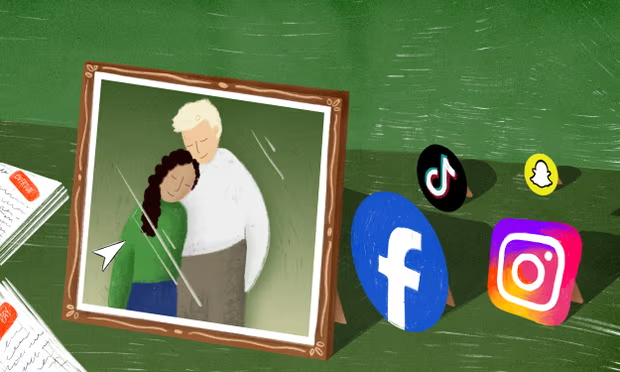
Deciding what to do with a dead friend or relative’s online presence is complicated and time-consuming but there are shortcuts

Untangling digital interactions after someone dies is becoming increasingly complicated.
Gavin Blomeley was lucky his mother was incredibly organised before she died. She left a note that included the passcode to her phone and access to all her online passwords.
“I can’t even begin to imagine how difficult this could have gotten not having these passwords or knowing this note with all of her passwords existed,” Blomeley says.
“In the note, my mum had an alphabetised, formula-based logic to all her passwords including banking, pensions, social media – everything.”
Untangling the web of someone’s online life after they die creates additional stress on top of grief and funeral planning, and it is getting increasingly complicated as more and more daily tasks are carried out online. There are bank accounts, email accounts, online bills and streaming subscriptions, as well as various social media accounts to consider.
There is no one-stop-shop or single method to memorialise or delete accounts. Some companies, including Google, are now deleting accounts after two years of inactivity but there is no consistency across platforms.
“Facebook, in some ways, is probably actually pretty progressive and a leader in this space,” says Bjorn Nansen, a digital media researcher in the “death tech” team at the University of Melbourne.
“Over time, they’ve developed their policies; you can nominate a legacy contact, so that when you pass away that person … can follow your wishes, and either close your account or memorialise it.”
Nansen says other platforms don’t have the same policy.
“You just have to follow the same old workarounds, which is, you leave your passwords to somebody and your wishes as to what you want to be done with the accounts and content. Often, you’re breaching the terms of service.”
“People can make choices about what happens to their data and assets”
Adam Stingemore, Standards Australia
He says it is getting more complicated with the advent of two-factor authentication using biometrics to ensure that only the account holder can access the account.
Nansen says online companies should make the process easier but increasingly people are including directives in their will and this is likely to increase over time as baby boomers die.
“We’re entering a period that’s been referred to as ‘peak death’. The baby boomer bubble means there’s going to be a high volume of deaths and it’s always going to be the next generation that’s going to have to deal with it … it will make awareness of the issue wider and may help bring around change.”
Standards Australia says about 60% of Australian adults have made a will but not all of those have accounted for their digital legacy.
The nongovernment standards body is part of a group of organisations from 35 countries proposing core principles and guidelines for how organisations should manage the process when a relative or executor requests access to an account of someone who has died.
Adam Stingemore, general manager of engagement and communications at Standards Australia, says that means developing a common set of definitions that companies can then build into terms of service.
“The worst time to be dealing with a challenge like this is if you know someone in your family has died, and there’s a feud between parties,” he says. “What we want to do is get ahead of that on these different types of platforms. There’s common sets of questions and people can make choices about what happens to their data and assets.”
Nansen says another factor is the privacy of the person who has died, and whether they want personal messages and content to be seen by family members or deleted.
“There’s complexity and nuance,” he says. “You might have emails, you might have messages, you might have photos, you might have videos that for a whole range of reasons you might want deleted or not want certain people to see.
“If you really want to be thorough, it’s not just providing access and instructions to a digital executor; it might be quite detailed instructions about different platforms and different content.”
Blomeley says his best advice is to ensure power of attorney is arranged beforehand, and access to accounts included as part of a regulated will.
He says the process of shutting down his mother’s accounts was time-consuming, despite having all the passwords. It took several weeks to sort out, through the grief of losing his mother.
“Thankfully, we were all in a position where we were able to take time off work … but I can imagine this being much more complicated for certain individuals, based on varying circumstances.”
Guardian News and Media. (2024b, January 20).
Digital Afterlife – how to deal with social media accounts when someone dies.
The Guardian. https://www.theguardian.com/society/2024/jan/21/digital-afterlife-how-to-deal-with-social-media-accounts-when-someone-dies
Bạn có thể tải miễn phí bộ học liệu được xây dựng từ bài đọc này tại đây:
https://drive.google.com/drive/folders/10kAuwfdGR1jrepSVPDjNGCx827CzhS9D?usp=sharing
BẢNG CHÚ THÍCH TỪ MỚI
| STT | Từ mới | Phiên âm | Nghĩa tiếng Anh | Nghĩa tiếng Việt |
|---|---|---|---|---|
| 1 | afterlife | /ˈɑːftəlaɪf/ | refers to what happens after death, in this context, it specifically pertains to the digital presence of a person after they pass away | thế giới bên kia |
| 2 | online presence | /ˈɒnˌlaɪn/ /ˈprɛzᵊns/ | the existence of an individual on the internet through social media accounts, websites, or other online platforms | sự hiện diện trực tuyến |
| 3 | time-consuming | /ˈtaɪmkənˈsjuːmɪŋ/ | requiring a lot of time to do or complete | tốn thời gian |
| 4 | untangling | /ʌnˈtæŋɡᵊlɪŋ/ | the process of making something that is complicated or tangled, clear or orderly | gỡ rối |
| 5 | increasingly | /ɪnˈkriːsɪŋli/ | more and more; gradually increasing | ngày càng |
| 6 | alphabetised | /ˈælfəbɛtaɪzd/ | arranged in the order of the alphabet | sắp xếp theo thứ tự chữ cái |
| 7 | formula-based | /ˈfɔːmjələ/-/beɪst/ | following a specific formula or set pattern | dựa trên công thức |
| 8 | pensions | /ˈpɛnʃᵊnz/ | regular payments made during a person’s retirement from an investment fund to which that person or their employer has contributed during their working life | lương hưu |
| 9 | grief | /ɡriːf/ | deep sorrow, especially caused by someone’s death | nỗi buồn, đau khổ |
| 10 | funeral | /ˈfjuːnᵊrᵊl/ | a ceremony or service held shortly after a person’s death, usually including the person’s burial or cremation | lễ tang |
| 11 | streaming subscriptions | /ˈstriːmɪŋ/ /səbˈskrɪpʃᵊnz/ | paid services that allow for the streaming of digital content like movies, music, or television shows over the internet | đăng ký dịch vụ phát trực tuyến |
| 12 | one-stop-shop | /wʌn/-/stɒp/-/ʃɒp/ | a single place or source where a wide range of services or products can be obtained | cửa hàng tổng hợp |
| 13 | memorialise | /məˈmɔːriəlaɪz/ | to do something in memory of a person, often referring to the act of preserving someone’s digital presence after they pass away | tưởng nhớ |
| 14 | progressive | /prəʊˈɡrɛsɪv/ | making use of or interested in new ideas, findings, or opportunities | tiến bộ |
| 15 | nominate | /ˈnɒmɪneɪt/ | to officially suggest someone for a role or position | đề cử |
| 16 | legacy contact | /ˈlɛɡəsi/ /ˈkɒntækt/ | a person designated to manage a deceased individual’s online account after their death | liên hệ di sản |
| 17 | workarounds | /ˈwɜːkəraʊnds/ | alternative methods for achieving a result, especially when the usual method is not possible | cách giải quyết thay thế |
| 18 | breaching the terms of service | /ˈbriːʧɪŋ/ /ðə/ /tɜːmz/ /ɒv/ /ˈsɜːvɪs/ | violating the rules or agreements set out in a service’s terms of use | vi phạm điều khoản dịch vụ |
| 19 | assets | /ˈæsɛts/ | valuable items, resources, or property owned by someone | tài sản |
| 20 | the advent of | /ði/ /ˈædvɛnt/ /ɒv/ | the arrival or creation of something significant | sự ra đời của |
| 21 | two-factor authentication | /tuː/-/ˈfæktər/ /ɔːˌθɛntɪˈkeɪʃᵊn/ | a security process where the user provides two different authentication factors to verify themselves | xác thực hai yếu tố |
| 22 | biometrics | /ˌbaɪəʊˈmɛtrɪks/ | body measurements and calculations related to human characteristics used for identification and access control | sinh trắc học |
| 23 | the account holder | /ði/ /əˈkaʊnt/ /ˈhəʊldə/ | the person who owns or controls an account | chủ tài khoản |
| 24 | access | /ˈæksɛs/ | the means or opportunity to approach or enter a place or data | truy cập |
| 25 | directives | /daɪˈrɛktɪvz/ | official or authoritative instructions or orders | chỉ thị |
| 26 | will | /wɪl/ | a legal document expressing a person’s wishes regarding the distribution of their property after death | di chúc |
| 27 | baby boomers | /ˈbeɪbi/ /ˈbuːməz/ | people born during the demographic post-world war ii baby boom between the years 1946 and 1964 | thế hệ baby boomer |
| 28 | accounted for | /əˈkaʊntɪd/ /fɔː/ | to consider or include something in a calculation or plan | được tính đến |
| 29 | digital legacy | /ˈdɪʤɪtᵊl/ /ˈlɛɡəsi/ | digital information and presence left behind when a person dies | di sản kỹ thuật số |
| 30 | executor | /ɪɡˈzɛkjətə/ | a person appointed to execute the terms of a will | người thi hành di chúc |
| 31 | feud | /fjuːd/ | a prolonged and bitter quarrel or dispute | mối thù |
| 32 | platforms | /ˈplætfɔːmz/ | online services or technologies used for communication, sharing information, etc | nền tảng |
| 33 | privacy | /ˈprɪvəsi/ | the state or condition of being free from being observed or disturbed by other people | sự riêng tư |
| 34 | content | /ˈkɒntɛnt/ | information and experiences that are directed towards an end-user or audience, like photos, videos, and text | nội dung |
| 35 | complexity | /kəmˈplɛksəti/ | the state or quality of being intricate or complicated | sự phức tạp |
| 36 | nuance | /ˈnjuːɑːns/ | a subtle difference in or shade of meaning, expression, or sound | sắc thái |
| 37 | power of attorney | /ˈpaʊər/ /ɒv/ /əˈtɜːni/ | the legal authority to make decisions on behalf of another person, typically in financial or health matters | ủy quyền |
| 38 | a regulated will | /ə/ /ˈrɛɡjəleɪtɪd/ /wɪl/ | a will that is made following specific legal standards and procedures | di chúc được quy định |
| 39 | sort out | /sɔːt/ /aʊt/ | to organize, arrange, or deal with something, typically in an orderly way | sắp xếp, giải quyết |
| 40 | take time off work | /teɪk/ /taɪm/ /ɒf/ /wɜːk/ | to have a period of time away from one’s job or occupation | nghỉ làm |
| 41 | varying | /ˈveəriɪŋ/ | differing in size, amount, degree, or nature from something else of the same general class | thay đổi, biến đổi |
| 42 | circumstances | /ˈsɜːkəmstɑːnsɪz/ | a fact or condition connected with or relevant to an event or action | hoàn cảnh |
BÀI TẬP ĐIỀN TỪ
| STT | Câu điền từ | Bản dịch tiếng Việt |
|---|---|---|
| 1 | The slight ………………………………………………………… in her tone suggested she was upset. | Sắc thái nhẹ trong giọng điệu của cô ấy cho thấy cô ấy đang buồn. |
| 2 | It took the whole day to ………………………………………………………… his office. | Phải mất cả ngày để sắp xếp văn phòng của anh ấy. |
| 3 | The ………………………………………………………… of the estate ensured the will was executed as per the deceased’s wishes. | Người thi hành di sản đảm bảo di chúc được thực hiện theo nguyện vọng của người quá cố. |
| 4 | Managing your………………………………………………………… legacy is an important aspect of digital life. | Quản lý di sản kỹ thuật số của bạn là một khía cạnh quan trọng của cuộc sống số. |
| 5 | Members have exclusive ………………………………………………………… to the club’s facilities. | Các thành viên có quyền quyền truy cập độc quyền vào các cơ sở của câu lạc bộ. |
| 6 | It’s important to have a ………………………………………………………… to ensure your assets are distributed as you wish. | Điều quan trọng là phải có di chúc để đảm bảo tài sản của bạn được phân chia theo ý muốn. |
| 7 | Personal ………………………………………………………… is a growing concern in the age of information. | Quyền riêng tư cá nhân là mối quan tâm ngày càng tăng trong thời đại thông tin. |
| 8 | The lawyer spent hours ………………………………………………………… the complex legal documents. | Luật sư đã dành hàng giờ gỡ rối những văn bản pháp luật phức tạp. |
| 9 | Social media ………………………………………………………… have become integral to our daily communication. | Phương tiện truyền thông xã hội nền tảng đã trở thành một phần không thể thiếu trong giao tiếp hàng ngày của chúng ta. |
| 10 | Airport security checks often use ………………………………………………………… to verify identities. | Kiểm tra an ninh sân bay thường sử dụng sinh trắc học để xác minh danh tính. |
| 11 | A………………………………………………………… will is necessary to avoid legal complications after death. | Di chúc quy định là cần thiết để tránh những rắc rối pháp lý sau khi chết. |
| 12 | Having a………………………………………………………… of attorney can be essential in managing affairs for an incapacitated relative. | Việc có giấy ủy quyền có thể rất cần thiết trong việc quản lý công việc cho một người thân mất năng lực. |
| 13 | The popularity of online shopping is …………………………………………………………. | Sự phổ biến của mua sắm trực tuyến là ngày càng tăng. |
| 14 | The director issued ………………………………………………………… for the new marketing strategy. | Giám đốc đã ban hành chỉ thị cho chiến lược tiếp thị mới. |
| 15 | Real estate properties are considered valuable …………………………………………………………. | Bất động sản được coi là tài sản có giá trị. |
| 16 | The ………………………………………………………… costs of living in different cities can affect relocation decisions. | Chi phí sinh hoạt khác nhau ở các thành phố khác nhau có thể ảnh hưởng đến quyết định tái định cư. |
| 17 | In the digital age, an individual’s………………………………………………………… presence can continue to exist long after they have passed away. | Trong thời đại kỹ thuật số, sự hiện diện trực tuyến của một cá nhân có thể tiếp tục tồn tại lâu dài sau khi họ qua đời. |
| 18 | Only the………………………………………………………… holder can authorize changes to the account settings. | Chỉ chủ tài khoản mới có thể ủy quyền thay đổi cài đặt tài khoản. |
| 19 | She decided to ………………………………………………………… to deal with personal matters. | Cô ấy quyết định nghỉ làm để giải quyết các vấn đề cá nhân. |
| 20 | The ………………………………………………………… of the issue requires careful analysis. | Sự phức tạp của vấn đề đòi hỏi phải phân tích cẩn thận. |
| 21 | The website’s ………………………………………………………… includes articles, videos, and interactive tools. | Nội dung của trang web bao gồm các bài viết, video và các công cụ tương tác. |
| 22 | The new shopping center was promoted as a…………………………………………………………-shop for all your needs. | Trung tâm mua sắm mới được quảng cáo là một cửa đáp ứng mọi nhu cầu của bạn. |
| 23 | Organizing a large event can be very …………………………………………………………. | Việc tổ chức một sự kiện lớn có thể rất tốn thời gian. |
| 24 | One’s life choices are often influenced by their …………………………………………………………. | Những lựa chọn trong cuộc sống của một người thường bị ảnh hưởng bởi hoàn cảnh của họ. |
| 25 | For enhanced security, the system uses………………………………………………………… authentication. | Để tăng cường bảo mật, hệ thống sử dụng xác thực hai yếu tố. |
| 26 | With………………………………………………………… of smart homes, home security has become more sophisticated. | Với sự ra đời của nhà thông minh, an ninh gia đình đã trở nên tinh vi hơn. |
| 27 | The company’s success was attributed to its…………………………………………………………-based approach. | Thành công của công ty là nhờ vào cách tiếp cận dựa trên công thức. |
| 28 | After retirement, many people rely on their ………………………………………………………… for financial security. | Sau khi nghỉ hưu, nhiều người dựa vào lương hưu của mình để đảm bảo tài chính. |
| 29 | Many people believe in an ………………………………………………………… where the soul lives on after the body dies. | Nhiều người tin vào thế giới bên kia nơi linh hồn vẫn tiếp tục tồn tại sau khi cơ thể chết đi. |
| 30 | Engineers often develop ………………………………………………………… to overcome design challenges. | Các kỹ sư thường phát triển cách giải quyết để vượt qua những thách thức trong thiết kế. |
| 31 | His monthly budget included fees for various ………………………………………………………… subscriptions. | Ngân sách hàng tháng của anh ấy bao gồm phí cho nhiều đăng ký phát trực tuyến khác nhau. |
| 32 | The books in the library were ………………………………………………………… to make them easier to find. | Sách trong thư viện được viết theo bảng chữ cái để dễ tìm hơn. |
| 33 | The new policy………………………………………………………… for an increase in renewable energy sources. | Chính sách mới đã giải thích sự gia tăng các nguồn năng lượng tái tạo. |
| 34 | The family experienced a deep sense of ………………………………………………………… after losing their patriarch. | Gia đình đã trải qua cảm giác đau buồn sâu sắc sau khi mất đi người tộc trưởng. |
| 35 | The scientist is known for her ………………………………………………………… thinking in environmental research. | Nhà khoa học này được biết đến với tư duy cấp tiến trong nghiên cứu môi trường. |
| 36 | The museum decided to ………………………………………………………… the artist by displaying his works permanently. | Bảo tàng quyết định tưởng nhớ nghệ sĩ bằng cách trưng bày vĩnh viễn các tác phẩm của ông. |
| 37 | ………………………………………………………… boomers are a significant demographic in market research. | Baby boomers là một nhóm nhân khẩu học quan trọng trong nghiên cứu thị trường. |
| 38 | She appointed her brother as the………………………………………………………… contact for her social media accounts. | Cô ấy đã chỉ định anh trai mình làm người liên hệ kế thừa cho các tài khoản mạng xã hội của mình. |
| 39 | A large crowd gathered for the ………………………………………………………… of the renowned author. | Một đám đông lớn đã tụ tập để dự đám tang của tác giả nổi tiếng. |
| 40 | The committee will ………………………………………………………… three candidates for the leadership position. | Ủy ban sẽ đề cử ba ứng cử viên cho vị trí lãnh đạo. |
| 41 | The two families were engaged in a ………………………………………………………… for generations. | Hai gia đình đã có mối thù truyền kiếp qua nhiều thế hệ. |
| 42 | ………………………………………………………… the terms of service can lead to account suspension. | Vi phạm điều khoản dịch vụ có thể dẫn đến đình chỉ tài khoản. |
ĐÁP ÁN
- The slight nuance in her tone suggested she was upset.
- It took the whole day to sort out his office.
- The executor of the estate ensured the will was executed as per the deceased’s wishes.
- Managing your digital legacy is an important aspect of digital life.
- Members have exclusive access to the club’s facilities.
- It’s important to have a will to ensure your assets are distributed as you wish.
- Personal privacy is a growing concern in the age of information.
- The lawyer spent hours untangling the complex legal documents.
- Social media platforms have become integral to our daily communication.
- Airport security checks often use biometrics to verify identities.
- A regulated will is necessary to avoid legal complications after death.
- Having a power of attorney can be essential in managing affairs for an incapacitated relative.
- The popularity of online shopping is increasingly.
- The director issued directives for the new marketing strategy.
- Real estate properties are considered valuable assets.
- The varying costs of living in different cities can affect relocation decisions.
- In the digital age, an individual’s online presence can continue to exist long after they have passed away.
- Only the account holder can authorize changes to the account settings.
- She decided to take time off work to deal with personal matters.
- The complexity of the issue requires careful analysis.
- The website’s content includes articles, videos, and interactive tools.
- The new shopping center was promoted as a one-stop-shop for all your needs.
- Organizing a large event can be very time-consuming.
- One’s life choices are often influenced by their circumstances.
- For enhanced security, the system uses two-factor authentication.
- With the advent of smart homes, home security has become more sophisticated.
- The company’s success was attributed to its formula-based approach.
- After retirement, many people rely on their pensions for financial security.
- Many people believe in an afterlife where the soul lives on after the body dies.
- Engineers often develop workarounds to overcome design challenges.
- His monthly budget included fees for various streaming subscriptions.
- The books in the library were alphabetised to make them easier to find.
- The new policy accounted for an increase in renewable energy sources.
- The family experienced a deep sense of grief after losing their patriarch.
- The scientist is known for her progressive thinking in environmental research.
- The museum decided to memorialise the artist by displaying his works permanently.
- Baby boomers are a significant demographic in market research.
- She appointed her brother as the legacy contact for her social media accounts.
- A large crowd gathered for the funeral of the renowned author.
- The committee will nominate three candidates for the leadership position.
- The two families were engaged in a feud for generations.
- Breaching the terms of service can lead to account suspension.
THẾ GIỚI BÊN KIA KỸ THUẬT SỐ – CÁCH XỬ LÝ CÁC TÀI KHOẢN MẠNG XÃ HỘI KHI AI ĐÓ QUA ĐỜI
Quyết định phải làm gì với sự hiện diện trực tuyến của một người bạn hoặc người thân đã chết rất phức tạp và tốn thời gian, nhưng luôn có những con đường tắt
Việc gỡ rối các tương tác kỹ thuật số sau khi ai đó qua đời ngày càng trở nên phức tạp.
Gavin Blomeley thật may mắn vì mẹ anh là người cực kỳ ngăn nắp trước khi bà qua đời. Bà đã để lại một ghi chú bao gồm mật mã điện thoại và quyền truy cập vào tất cả mật khẩu trực tuyến của bà ấy.
Blomeley nói: “Tôi thậm chí không thể tưởng tượng được việc này sẽ khó khăn đến mức nào nếu không có những mật khẩu này, hoặc nếu tôi đã không biết rằng có tồn tại tờ ghi chú này với tất cả mật khẩu của bà ấy”.
“Trong ghi chú, mẹ tôi có một logic dựa trên công thức, được sắp xếp theo thứ tự bảng chữ cái cho tất cả mật khẩu của bà, bao gồm ngân hàng, lương hưu, mạng xã hội – mọi thứ.”
Việc gỡ rối trang web về cuộc sống trực tuyến của ai đó sau khi họ qua đời sẽ tạo thêm căng thẳng, chồng chất lên với những khó khăn của việc lên kế hoạch tang lễ và đau buồn, và không chỉ có thế, việc này còn đang ngày càng trở nên phức tạp hơn khi ngày càng có nhiều công việc hàng ngày được thực hiện trực tuyến. Có các tài khoản ngân hàng, tài khoản email, hóa đơn trực tuyến, đăng ký các dịch vụ giải trí, cũng như các tài khoản truyền thông xã hội khác nhau mà một người cần phải cân nhắc đến.
Cho đến giờ, vẫn chưa có một phương pháp duy nhất và thống nhất trên mọi nền tảng nào để tưởng nhớ hoặc xóa mọi tài khoản trực tuyến của một người cả. Một số công ty, bao gồm cả Google, hiện đang xóa tài khoản của người dùng nếu sau hai năm không hoạt động, nhưng không có sự nhất quán chung nào giữa các nền tảng cả.
Bjorn Nansen, một nhà nghiên cứu truyền thông kỹ thuật số thuộc nhóm “công nghệ cái chết” tại Đại học Melbourne, cho biết: “Theo một cách nào đó, Facebook có lẽ thực sự khá tiến bộ và đang là người đi đầu trong lĩnh vực này”.
“Theo thời gian, họ đã phát triển chính sách của mình; bạn có thể chỉ định một người liên hệ kế thừa để khi bạn qua đời, người đó… có thể làm theo mong muốn của bạn và đóng tài khoản của bạn, hoặc cài đặt nó về chế độ “tưởng nhớ”.”
Nansen cho biết các nền tảng khác hiện không có chính sách nào tương tự như của Facebook.
“Khi đó thì bạn chỉ còn cách làm theo các kiểu truyền thống, đó là bạn để lại mật khẩu của mình cho ai đó, kèm lời nhắn gửi cho họ biết chính xác mong muốn của bạn về những gì bạn muốn sẽ được làm với các tài khoản và nội dung trực tuyến của mình sau khi bạn ra đi. Thông thường, để làm thế, bạn sẽ phải chấp nhận vi phạm các điều khoản dịch vụ đã đồng ý với các dịch vụ trực tuyến này.”
Ông nói rằng mọi việc ngày càng phức tạp hơn, với sự ra đời của các phương pháp xác thực hai yếu tố, sử dụng sinh trắc học để đảm bảo rằng chỉ chính chủ nhân tài khoản mới có thể truy cập được vào tài khoản.
Nansen nói rằng các công ty trực tuyến nên làm cho quá trình này trở nên dễ dàng hơn, nhưng ngày càng có nhiều người đưa ra các chỉ dẫn về tài khoản của họ trong di chúc, và điều này có thể sẽ tăng lên theo thời gian khi thế hệ Baby Boomer qua đời.
“Chúng ta đang bước vào thời kỳ được gọi là ‘đỉnh điểm của số người chết’. Bong bóng dân số già của thế hệ Baby Boomer có nghĩa là sẽ có rất nhiều người chết trong nhưng năm tới, và các thế hệ tiếp theo sẽ luôn là người phải đối mặt với việc này… nó sẽ nâng cao nhận thức về vấn đề này một cách rộng rãi hơn, và có thể giúp mang lại sự thay đổi.”
Standards Australia cho biết khoảng 60% người Úc trưởng thành đã lập di chúc, nhưng không phải tất cả trong số đó đều có để lại trong di chúc của mình những hướng dẫn về việc quản lý di sản kỹ thuật số của họ sau khi họ qua đời.
Cơ quan tiêu chuẩn phi chính phủ này (ý chỉ Standards Australia) là một phần của một nhóm các tổ chức từ 35 quốc gia, tập hợp lại để đề xuất các nguyên tắc và hướng dẫn cốt lõi về cách các tổ chức nên quản lý quy trình khi người dùng của họ qua đời, và những người thân hoặc người thi hành di chúc hợp lệ của họ yêu cầu quyền truy cập vào tài khoản của người đã qua đời.
Adam Stingemore, tổng giám đốc phụ trách cam kết và truyền thông tại Standards Australia, cho biết điều đó có nghĩa là phát triển một bộ định nghĩa chung để mà từ đó, các công ty có thể xây dựng thành các điều khoản dịch vụ cụ thể của riêng mình.
Ông nói: “Thời điểm tồi tệ nhất để đối mặt với thử thách như thế này là khi bạn biết ai đó trong gia đình mình đã qua đời, và giữa các bên trong gia đình đang xảy ra mâu thuẫn”. “Những gì chúng tôi muốn làm là vượt lên trên những loại nền tảng khác nhau này. Có những bộ câu hỏi phổ biến chung đối với tất cả mọi người, và ai cũng sẽ có thể đưa ra lựa chọn về những gì sẽ xảy ra với dữ liệu và tài sản số của họ.”
Nansen cho biết một yếu tố khác là quyền riêng tư của người đã chết, và liệu họ có muốn các thành viên trong gia đình xem hay xóa tin nhắn và nội dung cá nhân của họ hay không.
“Có những sự phức tạp và những sắc độ rất tinh tế ở đây,” anh nói. “Bạn có thể có email, bạn có thể có tin nhắn, bạn có thể có ảnh, bạn có thể có video mà vì nhiều lý do mà bạn có thể muốn xóa đi sau khi bạn mất, hoặc không muốn một số người nhất định có thể xem được chúng”.
“Nếu bạn thực sự muốn kỹ lưỡng, bạn có thể không chỉ dừng lại ở việc cung cấp quyền truy cập và hướng dẫn cho những người sẽ thực thi di chúc của bạn, mà có thể sẽ còn tiến đến việc bạn phải cung cấp hướng dẫn chi tiết cho mỗi nền tảng khác nhau mà bạn có tài khoản, và mỗi loại nội dung khác nhau mà bạn để lại.”
Blomeley cho biết lời khuyên tốt nhất của ông là hãy đảm bảo mọi giấy ủy quyền luật sư hoặc người thực hiện di chúc được sắp xếp chu đáo từ trước, và quyền truy cập vào các tài khoản được đưa vào như một phần được quy định của di chúc.
Anh cho biết quá trình đóng hết các tài khoản của mẹ anh đã tốn của anh rất nhiều thời gian, mặc dù anh đã có tất cả các loại mật khẩu cần có. Phải mất vài tuần để anh giải quyết hết tất cả, trong khi phải mang nỗi đau của người con vừa mất mẹ.
“Thật may mắn, tất cả chúng tôi đều có thể nghỉ làm… nhưng tôi có thể tưởng tượng điều này sẽ phức tạp hơn nhiều đối với một số cá nhân, tùy vào hoàn cảnh khác nhau của từng người.”
Tập Đọc là một báo song ngữ Tiếng Anh – Tiếng Việt, với chú thích từ mới, cung cấp bản dịch, phiên bản bài đọc nói (báo tiếng) cùng bộ thẻ từ mới Quizlet/Anki, và danh sách từ mới miễn phí cho cộng đồng. Dự án được duy trì từ năm 2020 đến nay, hiện đã ra trên 60 số.
Các bài viết được đăng trên Tập Đọc không nhất thiết phản ánh quan điểm, thái độ và góc nhìn của người biên tập. Người đọc nên hình thành quan điểm và đánh giá của riêng mình trong cuộc đối thoại giữa bản thân người đọc và tác giả, trong quá trình đọc bài của riêng mình. Việc chỉ đọc những người viết mà ta đồng ý cũng giống như chỉ chịu nói chuyện với những ai khen mình vậy: dễ chịu, nhưng nguy hiểm.
Hope this helps.
Nếu bạn muốn ủng hộ bất cứ dự án nào của mình, mình xin rất biết ơn. Mọi sự ủng hộ, dù nhỏ, đều sẽ rất có ý nghĩa trong việc giúp mình có động lực, hoặc có khả năng tiếp tục các công việc phi lợi nhuận này.
Mọi ủng hộ xin gửi về số tài khoản: 0491 0000 768 69. Chủ tài khoản: Nguyễn Tiến Đạt, ngân hàng Vietcombank, chi nhánh Thăng Long.
Đà Nẵng, ngày 23.1.2024
Nguyễn Tiến Đạt (sutucon)





 Tập Đọc
Leave a comment