One of the great problems of human beings is that we are far too good at keeping going. Until, suddenly, one day, much to everyone’s surprise, including our own, we break.

As vital as emotions are to everybody, they can also sometimes take us down a path that might be destructive and unhealthy. This may eventually lead to a mental and emotional breakdown.
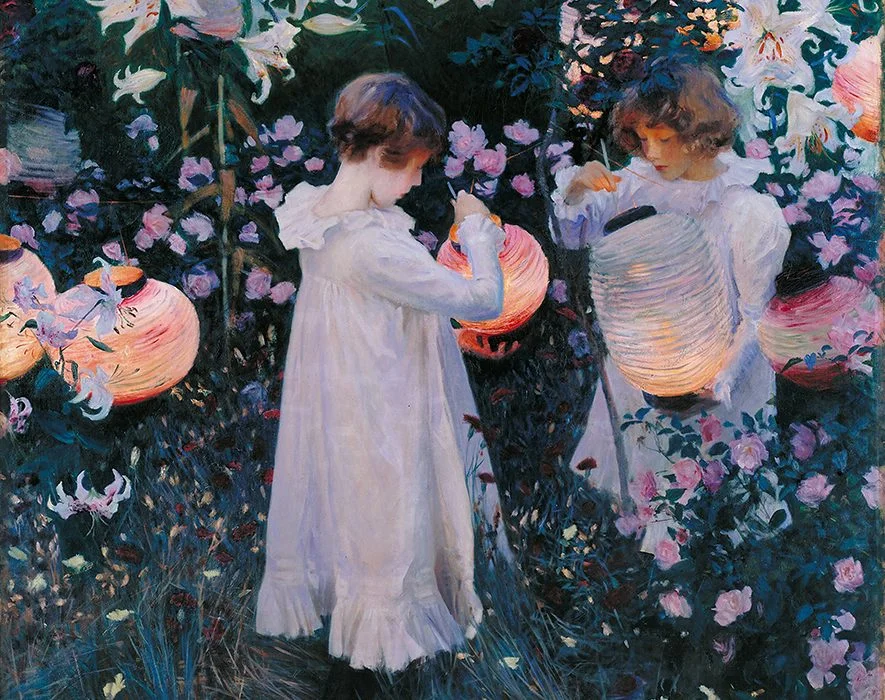
Photos by Annabelle Psychology
One of the great problems of human beings is that we are far too good at keeping going. We are experts at surrendering to the demands of the external world, living up to what is expected of us and getting on with the priorities, as others around us define them. We keep showing up and being an excellent boy or girl – and we can pull off this magical feat for up to decades at a time, without so much as an outward twitch or crack.
Until, suddenly, one day, much to everyone’s surprise, including our own, we break. The rupture can take many forms. We can no longer get out of bed. We fall into a catatonic depression. We develop all-consuming social anxiety. We refuse to eat. We babble incoherently. We lose command over part of our body. We are compelled to do something extremely scandalous and entirely contrary to our normal selves. We become wholly paranoid in a given area. We refuse to play by the usual rules in our relationship, we have an affair, ramp up the fighting – or otherwise poke a very large stick into the wheels of day-to-day life.
Breakdowns are hugely disruptive – not just for those afflicted but for family, friends and work colleagues – and so, unsurprisingly, there is an immediate rush to medicalise the problem and attempt to excise it from the scene, so that business as usual can restart.
This is to misunderstand what is going on when we break down. A breakdown is not merely a random piece of madness or malfunction; it is a very real – albeit very inarticulate – bid for health. It is an attempt by one part of our minds to force the other part into a process of growth, self-understanding and self-development which it has hitherto refused to undertake. If we can put it paradoxically, it is an attempt to jumpstart a process of getting well, properly well, through a stage of falling very ill.
The danger, therefore, if we merely medicalise a breakdown and attempt to shift it away at once is that we will miss the lesson embedded within our sickness. A breakdown is not just a pain, though it is that too, of course; it is an extraordinary opportunity to learn.
The reason we break down is that we have not, over years, flexed very much. There were things we needed to hear inside our minds that we deftly put to one side, there were messages we needed to heed, bits of emotional learning and communicating we didn’t do – and now, after being patient for so long, far too long, the emotional self is attempting to make itself heard in the only way it now knows how. It has become entirely desperate – and we should understand and even sympathise with its mute rage. What the breakdown is telling us, above anything else, is that it must no longer be business as usual – that things have to change or (and this can be properly frightening to witness) that death might be preferable.
“A crisis represents an appetite for growth that has not found another way of expressing itself.”
Why can’t we simply listen to the emotional need calmly and in good time – and avoid the melodrama of a breakdown? Because the conscious mind is inherently lazy and squeamish and so reluctant to engage with what the breakdown has to tell it with brutality. For years, it refuses to listen to a particular sadness; or there is a dysfunction in a relationship it is in flight from; or there are desires it sweeps very far under the proverbial carpet.
We can compare the process to a revolution. For years, the people press the government to listen to their demands and adjust. For years, the government makes token gestures but shuts its ears – until one day, it is simply too much for the people, who storm the palace gates, destroy the fine furnishings and shoot randomly at the innocent and the guilty.
Mostly, in revolutions, there is no good outcome. The legitimate grievances and needs of the people are not addressed or even discovered. There is an ugly civil war – sometimes, literally, suicide. The same is true of breakdowns.
Yet a good mental physician tries hard to listen to, rather than censor, the illness. They detect within its oddities a plea for more time for ourselves, for a closer relationship, for a more honest, fulfilled way of being, for acceptance for who we really are sexually… That is why we started to drink, or to become reclusive, or to grow entirely paranoid or manically seductive.
A crisis represents an appetite for growth that has not found another way of expressing itself. Many people, after a painful few months or even years of breakdown, will say: ‘I don’t know how I’d ever have got well if I hadn’t fallen ill first’.
In the midst of a breakdown, we often wonder whether we have gone mad. We have not. We are behaving oddly, no doubt, but beneath the surface agitation, we are on a hidden yet logical search for health. We haven’t become ill; we were ill already. Our crisis, if we can get through it, is an attempt to dislodge us from a toxic status quo and an insistent call to rebuild our lives on a more authentic and sincere basis.
The School of Life. How to Overcome Your Childhood (pp. 57-60).
Bạn có thể tải miễn phí bộ học liệu được xây dựng từ bài đọc này tại đây:
https://drive.google.com/drive/folders/1vAJWpFR7KGHZ8uzWQqQB6V9Yt10igCNk?usp=sharing
BẢNG CHÚ THÍCH TỪ MỚI
| STT | Từ mới | Phiên âm | Nghĩa tiếng Anh | Nghĩa tiếng Việt |
|---|---|---|---|---|
| 1 | breakdown | /ˈbreɪkˌdaʊn/ | a failure to function, a collapse | sự đổ vỡ |
| 2 | surrendering | /səˈrɛndərɪŋ/ | giving up or yielding control to someone or something else | đầu hàng |
| 3 | demands | /dɪˈmɑːndz/ | pressing requirements or needs | yêu cầu, đòi hỏi |
| 4 | the external world | /ði/ /ɪkˈstɜːnᵊl/ /wɜːld/ | everything outside oneself; the physical, social, and environmental factors influencing a person’s life | thế giới bên ngoài |
| 5 | living up to what is expected of us | /ˈlɪvɪŋ/ /ʌp/ /tuː/ /wɒt/ /ɪz/ /ɪkˈspɛktɪd/ /ɒv/ /ʌs/ | meeting or fulfilling the expectations placed upon us by others or society | đáp ứng kỳ vọng |
| 6 | the priorities | /ðə/ /praɪˈɒrətiz/ | the tasks, concerns, or interests considered most important | ưu tiên hàng đầu |
| 7 | define | /dɪˈfaɪn/ | to state the meaning or describe the nature of something | định nghĩa |
| 8 | showing up | /ˈʃəʊɪŋ/ /ʌp/ | appearing or presenting oneself | xuất hiện ở nơi mà mình hứa đã xuất hiện (ý chỉ là vẫn làm những trách nhiệm được giao) |
| 9 | pull off | /pʊl/ /ɒf/ | to successfully achieve or accomplish a difficult task | thực hiện thành công |
| 10 | feat | /fiːt/ | a remarkable, notable, or impressive achievement | kỳ tích |
| 11 | so much as | /səʊ/ /mʌʧ/ /æz/ | even a little bit, to any extent | ngay cả, thậm chí đến cả |
| 12 | outward | /ˈaʊtwəd/ | external or observable; relating to the outside appearance | hướng ra ngoài |
| 13 | twitch | /twɪʧ/ | a quick, small movement, usually of a part of the body | giật, run rẩy |
| 14 | much to everyone’s surprise | /mʌʧ/ /tuː/ /ˈɛvriwʌnz/ /səˈpraɪz/ | unexpectedly or to the astonishment of all | trước sự ngạc nhiên của tất cả mọi người |
| 15 | rupture | /ˈrʌpʧə/ | a break or burst | rạn vỡ, vỡ tan |
| 16 | catatonic depression | catatonic /dɪˈprɛʃᵊn/ | a severe form of depression characterized by immobility and unresponsiveness | trầm cảm đến mức như người liệt giường, trầm cảm đến mất đi ý thức |
| 17 | all-consuming | /ɔːl/-/kənˈsjuːmɪŋ/ | overwhelming or dominating everything else | chiếm hữu hoàn toàn |
| 18 | social anxiety | /ˈsəʊʃᵊl/ /æŋˈzaɪəti/ | the fear of social situations that involve interaction with other people | hội chứng lo âu xã hội, chứng sợ giao tiếp |
| 19 | babble incoherently | /ˈbæbᵊl/ /ˌɪnkəʊˈhɪərᵊntli/ | to talk rapidly, in a confused, excited, or nonsensical manner | nói lắp bắp |
| 20 | lose command | /luːz/ /kəˈmɑːnd/ | to lose control or authority over something | mất kiểm soát |
| 21 | compelled to | /kəmˈpɛld/ /tuː/ | forced or driven to do something | bị ép buộc |
| 22 | scandalous | /ˈskændələs/ | shocking or offensive, often due to breaking social rules or norms | tai tiếng |
| 23 | wholly | /ˈhəʊli/ | completely, entirely | hoàn toàn |
| 24 | paranoid | /ˈpærəˌnɔɪd/ | exhibiting or characterized by irrational distrust or suspicion of others | hoang tưởng |
| 25 | have an affair | /hæv/ /ən/ /əˈfeə/ | engage in a romantic relationship outside of marriage | ngoại tình |
| 26 | ramp up | /ræmp/ /ʌp/ | to increase or intensify | tăng cường |
| 27 | poke a very large stick into the wheels of day-to-day life | /pəʊk/ /ə/ /ˈvɛri/ /lɑːʤ/ /stɪk/ /ˈɪntuː/ /ðə/ /wiːlz/ /ɒv/ /ˈdeɪtəˈdeɪ/ /laɪf/ | disrupt or interfere with normal daily activities | gây rối cuộc sống hàng ngày |
| 28 | disruptive | /dɪsˈrʌptɪv/ | causing interruption or disturbance | gây gián đoạn |
| 29 | those afflicted | /ðəʊz/ /əˈflɪktɪd/ | those suffering or affected by something | những người bị ảnh hưởng |
| 30 | immediate | /ɪˈmiːdiət/ | happening or done without delay | ngay lập tức |
| 31 | medicalise | medicalise | to treat something as a medical problem | coi cái gì đó như một căn bệnh cần phải điều trị |
| 32 | excise | /ɛkˈsaɪz/ | to remove, especially by cutting | loại bỏ |
| 33 | business as usual | /ˈbɪznɪs/ /æz/ /ˈjuːʒuəl/ | the normal execution of standard functional operations | công việc như thường lệ |
| 34 | merely | /ˈmɪəli/ | just, only | chỉ là |
| 35 | madness | /ˈmædnəs/ | insanity or extreme foolishness | điên rồ |
| 36 | malfunction | /mælˈfʌŋkʃᵊn/ | a failure to function in a normal or satisfactory way | hỏng hóc |
| 37 | albeit | /ɔːlˈbiːɪt/ | although, even though | mặc dù |
| 38 | inarticulate | /ˌɪnɑːˈtɪkjələt/ | unable to express oneself clearly or effectively | không rõ ràng |
| 39 | bid for | /bɪd/ /fɔː/ | an attempt or effort to achieve something | nỗ lực để đạt được |
| 40 | hitherto | /ˈhɪðəˈtuː/ | until now or until a particular time | cho đến nay |
| 41 | paradoxically | /ˌpærəˈdɒksɪkᵊli/ | in a seemingly absurd or self-contradictory way | mâu thuẫn |
| 42 | jumpstart | jumpstart | to start or restart something quickly or effectively | khởi động nhanh, kích hoạt |
| 43 | shift | /ʃɪft/ | change, move, or transfer something | thay đổi |
| 44 | the lesson embedded within | /ðə/ /ˈlɛsᵊn/ /ɪmˈbɛdɪd/ /wɪˈðɪn/ | the valuable information or learning found inside something | bài học ẩn chứa bên trong |
| 45 | extraordinary | /ɪkˈstrɔːdᵊnᵊri/ | very unusual or remarkable | phi thường |
| 46 | flexed | /flɛkst/ | bent, moved, or stretched | uốn cong, kéo căng |
| 47 | deftly | /ˈdɛftli/ | skillfully and quickly | khéo léo |
| 48 | the emotional self | /ði/ /ɪˈməʊʃᵊnᵊl/ /sɛlf/ | the aspect of a person that deals with feelings and emotions | bản thể về mặt cảm xúc bên trong mỗi người |
| 49 | attempting to | /əˈtɛmptɪŋ/ /tuː/ | trying or making an effort to do something | cố gắng |
| 50 | make itself heard | /meɪk/ /ɪtˈsɛlf/ /hɜːd/ | to express or communicate effectively to be noticed or understood | tự thể hiện, khiến người khác phải lắng nghe, chú ý đến mình |
| 51 | desperate | /ˈdɛspᵊrət/ | having a great need or desire for something | tuyệt vọng |
| 52 | sympathise with | /ˈsɪmpəθaɪz/ /wɪð/ | to feel or express sympathy or understanding for someone | đồng cảm |
| 53 | mute | /mjuːt/ | silent, not able to speak | im lặng |
| 54 | rage | /reɪʤ/ | intense, uncontrolled anger | cơn thịnh nộ |
| 55 | above anything else | /əˈbʌv/ /ˈɛniθɪŋ/ /ɛls/ | more than anything else, primarily | hơn bất cứ điều gì khác |
| 56 | death might be preferable | /dɛθ/ /maɪt/ /biː/ /ˈprɛfərəbᵊl/ | the idea that dying might be better than continuing in the current state | cái chết có thể còn tốt hơn |
| 57 | crisis | /ˈkraɪsɪs/ | a time of intense difficulty, trouble, or danger | cuộc khủng hoảng |
| 58 | represents | /ˌrɛprɪˈzɛnts/ | symbolizes, stands for, or indicates | đại diện |
| 59 | appetite | /ˈæpɪtaɪt/ | a strong desire or liking for something | sự thèm muốn |
| 60 | growth | /ɡrəʊθ/ | development or expansion | sự phát triển |
| 61 | expressing | /ɪkˈsprɛsɪŋ/ | conveying or communicating thoughts, feelings, or ideas | biểu đạt |
| 62 | melodrama | /ˈmɛləʊˌdrɑːmə/ | exaggerated, sensational drama or events designed to appeal to the emotions | sự kịch tính |
| 63 | the conscious mind | /ðə/ /ˈkɒnʃəs/ /maɪnd/ | the part of the mind that is aware of thoughts,feelings, and surroundings | ý thức |
| 64 | inherently | /ɪnˈhɛrᵊntli/ | in a permanent, essential, or characteristic way | vốn dĩ |
| 65 | squeamish | /ˈskwiːmɪʃ/ | easily disgusted or shocked by unpleasant things | nhạy cảm |
| 66 | reluctant | /rɪˈlʌktᵊnt/ | unwilling or hesitant | miễn cưỡng |
| 67 | engage with | /ɪnˈɡeɪʤ/ /wɪð/ | participate or become involved in | tham gia |
| 68 | brutality | /bruːˈtæləti/ | savage physical violence; great cruelty | tàn bạo |
| 69 | dysfunction | /dɪsˈfʌŋkʃᵊn/ | impaired or abnormal functioning | rối loạn chức năng |
| 70 | flight | /flaɪt/ | escape or running away from something | bỏ trốn |
| 71 | desires | /dɪˈzaɪəz/ | strong wishes or wants | mong muốn |
| 72 | proverbial | /prəˈvɜːbiəl/ | well-known, especially in a proverb or idiom | như câu ngạn ngữ |
| 73 | press | /prɛs/ | exert pressure or influence | gây áp lực, buộc ai đó phải làm gì |
| 74 | makes token gestures | /meɪks/ /ˈtəʊkᵊn/ /ˈʤɛsʧəz/ | offers symbolic, minimal, or insincere actions | thực hiện hành động mang tính biểu tượng |
| 75 | storm | /stɔːm/ | attack or invade suddenly and forcefully | xông đến phá tan hoang, tràn vào như nước vỡ đê |
| 76 | furnishings | /ˈfɜːnɪʃɪŋz/ | furniture, fittings, or decorations in a house or room | những đồ nội thất |
| 77 | legitimate | /lɪˈʤɪtɪmɪt/ | conforming to the law or to rules | hợp pháp |
| 78 | grievances | /ˈɡriːvᵊnsɪz/ | complaints or resentments | lời phàn nàn |
| 79 | addressed | /əˈdrɛst/ | dealt with or attended to | được giải quyết |
| 80 | discovered | /dɪˈskʌvəd/ | found out or uncovered | được phát hiện, được khám phá |
| 81 | civil war | /ˈsɪvᵊl/ /wɔː/ | a war between citizens of the same country | cuộc nội chiến |
| 82 | literally | /ˈlɪtᵊrᵊli/ | in a literal manner; exactly | theo đúng nghĩa đen, không hề nói ngoa, sự thực quả vậy |
| 83 | suicide | /ˈsuːɪsaɪd/ | the act of intentionally causing one’s own death | tự tử |
| 84 | mental physician | /ˈmɛntᵊl/ /fɪˈzɪʃᵊn/ | a psychiatrist or psychologist | bác sĩ tâm thần, chuyên gia tâm lý |
| 85 | censor | /ˈsɛnsə/ | to suppress or delete anything considered objectionable | kiểm duyệt, lấp liếm, che giấu đi |
| 86 | detect | /dɪˈtɛkt/ | discover or identify the presence of | phát hiện |
| 87 | oddities | /ˈɒdɪtiz/ | strange or peculiar things | điều lạ lùng |
| 88 | a plea for | /ə/ /pliː/ /fɔː/ | an earnest request or appeal | lời kêu gọi, lời cầu xin, lời van nài thống thiết |
| 89 | fulfilled | /fʊlˈfɪld/ | satisfied or completed to the fullest extent | được thực hiện, được thỏa mãn |
| 90 | way of being | /weɪ/ /ɒv/ /ˈbiːɪŋ/ | manner or style of existence | cách tồn tại |
| 91 | reclusive | /rɪˈkluːsɪv/ | seeking or preferring seclusion or isolation | ẩn dật |
| 92 | manically | /ˈmænɪkᵊli/ | in a frenzied, uncontrolled manner | điên cuồng |
| 93 | seductive | /sɪˈdʌktɪv/ | tending to entice or allure | gây quyến rũ người khác, hoang dâm |
| 94 | in the midst of | /ɪn/ /ðə/ /mɪdst/ /ɒv/ | in the middle of, during | giữa cơn, giữa lúc |
| 95 | oddly | /ˈɒdli/ | in a strange or unusual way | một cách lạ thường |
| 96 | agitation | /ˌæʤɪˈteɪʃᵊn/ | a state of nervousness or unrest | sự bất an |
| 97 | dislodge | /dɪˈslɒʤ/ | remove or force out from a position | loại bỏ |
| 98 | toxic | /ˈtɒksɪk/ | harmful or poisonous | độc hại |
| 99 | status quo | /ˈsteɪtəs/ /kwəʊ/ | the existing state or condition | hiện trạng |
| 100 | insistent | /ɪnˈsɪstᵊnt/ | persistently demanding attention or adherence | kiên quyết |
| 101 | authentic | /ɔːˈθɛntɪk/ | genuine or true | chân thực |
| 102 | sincere | /sɪnˈsɪə/ | free from pretense or deceit; honest | chân thành |
BÀI TẬP ĐIỀN TỪ
| STT | Câu điền từ | Bản dịch tiếng Việt |
|---|---|---|
| 1 | The politician was rumored to …………………………………………………………. | Chính trị gia này bị đồn là có quan hệ ngoại tình. |
| 2 | The dove ………………………………………………………… peace. | Chim bồ câu tượng trưng cho hòa bình. |
| 3 | It’s challenging for many people to keep …………………………………………………………. | Việc duy trì sống theo những gì được mong đợi ở chúng ta là một thách thức đối với nhiều người. |
| 4 | Can you please ………………………………………………………… the term ‘quantum mechanics’? | Bạn có thể vui lòng định nghĩa thuật ngữ ‘cơ học lượng tử’ được không? |
| 5 | …………………………………………………………, the shy student topped the class in the final exams. | Trước sự ngạc nhiên của tất cả mọi người, cậu học sinh nhút nhát đứng đầu lớp trong kỳ thi cuối kỳ. |
| 6 | The athlete’s ………………………………………………………… for the gold medal was inspiring. | Nỗ lực giành lấy huy chương vàng của vận động viên này thật đầy cảm hứng. |
| 7 | The storm was strong enough to ………………………………………………………… the tree from the ground. | Cơn bão đủ mạnh để đánh bật cái cây khỏi mặt đất. |
| 8 | His speech was a ………………………………………………………… for peace. | Bài phát biểu của ông là một lời cầu xin hòa bình. |
| 9 | ………………………………………………………… often prevents her from attending large gatherings. | Lo lắng xã hội thường ngăn cản cô ấy tham dự các cuộc tụ họp lớn. |
| 10 | During therapy, he explored his …………………………………………………………. | Trong quá trình trị liệu, anh ấy đã khám phá bản thể về mặt cảm xúc của mình. |
| 11 | Scientists were able to ………………………………………………………… traces of the rare element. | Các nhà khoa học đã có thể phát hiện dấu vết của nguyên tố hiếm. |
| 12 | The government decided to ………………………………………………………… the controversial book. | Chính phủ quyết định kiểm duyệt/che giấu cuốn sách gây tranh cãi. |
| 13 | …………………………………………………………, he agreed with his opponent’s argument. | Mặc dù vậy, anh ấy đồng ý với lập luận của đối thủ. |
| 14 | …………………………………………………………, getting more sleep actually made him feel more tired. | Nghịch lý thay, ngủ nhiều hơn lại khiến anh cảm thấy mệt mỏi hơn. |
| 15 | She ………………………………………………………… navigated through the busy market. | Cô ấy khéo léo len lỏi qua khu chợ sầm uất. |
| 16 | The patient was diagnosed with ………………………………………………………… after remaining motionless for hours. | Bệnh nhân được chẩn đoán mắc chứng trầm cảm tâm lý đến tê liệt sau khi bất động trong nhiều giờ. |
| 17 | Politicians often ………………………………………………………… rather than taking significant action. | Các chính trị gia thường thực hiện các hành động chỉ có tính tượng trưng thay vì thực hiện hành động có ý nghĩa quan trọng. |
| 18 | The company focused on ………………………………………………………… in the Asian market. | Công ty tập trung vào tăng trưởng tại thị trường châu Á. |
| 19 | The country was torn apart by a brutal …………………………………………………………. | Đất nước bị chia cắt bởi một cuộc nội chiến tàn khốc. |
| 20 | Consulting a ………………………………………………………… can be helpful for mental health issues. | Tư vấn của bác sĩ tâm lý có thể hữu ích cho các vấn đề sức khỏe tâm thần. |
| 21 | The machine’s ………………………………………………………… caused delays in production. | Trục trặc của máy đã gây ra sự chậm trễ trong quá trình sản xuất. |
| 22 | The room’s ………………………………………………………… included a beautiful antique vase. | Đồ nội thất của căn phòng bao gồm một chiếc bình cổ tuyệt đẹp. |
| 23 | They were ………………………………………………………… fix the old house. | Họ đang cố gắng sửa lại ngôi nhà cũ. |
| 24 | For her, honesty was ………………………………………………………… in a relationship. | Đối với cô ấy, sự trung thực là trên hết trong một mối quan hệ. |
| 25 | He was often ………………………………………………………… when asked to speak in public. | Anh ấy thường không nói rõ ràng khi được yêu cầu phát biểu trước công chúng. |
| 26 | Maintaining the ………………………………………………………… was no longer beneficial. | Việc duy trì tình trạng hiện thời không còn có lợi nữa. |
| 27 | His obsession with perfection became …………………………………………………………. | Nỗi ám ảnh về sự hoàn hảo của anh ấy đã trở thành ám ảnh, bao trùm mọi mặt trong cuộc sống của anh ấy. |
| 28 | He could feel the media ………………………………………………………… for an answer. | Anh ấy có thể cảm thấy giới truyền thông đang tìm kiếm câu trả lời. |
| 29 | The character in the play remained ………………………………………………………… throughout the scene. | Nhân vật trong vở kịch vẫn câm trong suốt cảnh quay. |
| 30 | After many hours of continuous work, the old computer finally had a …………………………………………………………. | Sau nhiều giờ làm việc liên tục, chiếc máy tính cũ cuối cùng cũng bị hỏng. |
| 31 | The chemical was known to be …………………………………………………………. | Hóa chất này được biết là độc hại. |
| 32 | The company needed a ………………………………………………………… to overcome the financial crisis. | Công ty cần một sự khởi đầu lại để vượt qua cuộc khủng hoảng tài chính. |
| 33 | The phrase “like a bull in a china shop” is …………………………………………………………. | Cụm từ “như con bò trong cửa hàng đồ sứ” là tục ngữ. |
| 34 | The minority’s voice struggled to ………………………………………………………… in the noisy debate. | Tiếng nói của thiểu số cố gắng làm cho mình được lắng nghe trong cuộc tranh luận ồn ào. |
| 35 | Her ………………………………………………………… charm was hard to resist. | Sự quyến rũ đầy mê hoặc của cô ấy thật khó cưỡng lại. |
| 36 | The history book described the ………………………………………………………… of the war. | Cuốn sách lịch sử mô tả sự tàn bạo của chiến tranh. |
| 37 | Despite feeling nervous, he was committed to ………………………………………………………… at the meeting. | Mặc dù cảm thấy lo lắng nhưng anh ấy vẫn quyết tâm có mặt tại cuộc họp. |
| 38 | The discovery had remained unknown …………………………………………………………. | Việc phát hiện này vẫn chưa được biết đến cho đến nay. |
| 39 | The tragic incident was ruled a …………………………………………………………. | Vụ việc bi thảm được phán quyết là tự sát. |
| 40 | He was ………………………………………………………… for a chance to prove himself. | Anh ấy tuyệt vọng mong có cơ hội chứng tỏ bản thân. |
| 41 | His ………………………………………………………… questioning tired everyone. | Câu hỏi khăng khăng của anh ấy làm mọi người mệt mỏi. |
| 42 | Some of his ideas bordered on …………………………………………………………. | Một số ý tưởng của anh ấy gần như điên rồ. |
| 43 | She was ………………………………………………………… to confront her manager. | Cô ấy miễn cưỡng đối đầu với người quản lý của mình. |
| 44 | The surgeon had to ………………………………………………………… the damaged tissue. | Bác sĩ phẫu thuật đã phải cắt bỏ phần mô bị tổn thương. |
| 45 | She always preferred keeping her feelings ………………………………………………………… rather than sharing them. | Cô ấy luôn thích giữ cảm xúc của mình hướng ngoại hơn là chia sẻ chúng. |
| 46 | After resolving the issue, it was ………………………………………………………… at the office. | Sau khi giải quyết vấn đề, mọi việc vẫn diễn ra như thường lệ tại văn phòng. |
| 47 | She felt so hopeless that …………………………………………………………. | Cô cảm thấy vô vọng đến mức cái chết có lẽ còn tốt hơn. |
| 48 | The chess player considered ………………………………………………………… when he saw no way to escape checkmate. | Người chơi cờ tính đến đầu hàng khi thấy không còn cách nào thoát khỏi chiếu tướng. |
| 49 | His ………………………………………………………… behavior made him a mystery to many. | Hành vi ẩn dật của anh ta khiến anh ta trở thành một bí ẩn đối với nhiều người. |
| 50 | I can ………………………………………………………… with your situation; it’s not easy. | Tôi có thể thông cảm với hoàn cảnh của bạn; nó không dễ. |
| 51 | It was ………………………………………………………… a small mistake, but it had big consequences. | Đó chỉ là một sai sót nhỏ nhưng lại gây ra hậu quả lớn. |
| 52 | It was amazing how she managed to ………………………………………………………… organizing the event in such a short time. | Thật ngạc nhiên khi cô ấy có thể thành công tổ chức sự kiện trong thời gian ngắn như vậy. |
| 53 | His sudden decision to quit his job …………………………………………………………. | Quyết định nghỉ việc đột ngột của anh ấy đã chọc một cây gậy rất lớn vào bánh xe của cuộc sống hàng ngày. |
| 54 | The community’s ………………………………………………………… were finally ………………………………………………………… in the new policy. | Các khiếu nại đã được giải quyết của cộng đồng trong chính sách mới. |
| 55 | He worked ………………………………………………………… to finish the project on time. | Anh ấy đã làm việc một cách điên cuồng để hoàn thành dự án đúng thời hạn. |
| 56 | His deepest ………………………………………………………… were to travel the world. | Mong muốn sâu sắc nhất của anh ấy là được đi du lịch khắp thế giới. |
| 57 | In her life, family always came first among her …………………………………………………………. | Trong cuộc sống của cô, gia đình luôn là ưu tiên hàng đầu. |
| 58 | A sudden ………………………………………………………… in his eye indicated his discomfort. | Một cơn co giật đột ngột ở mắt cho thấy anh ấy đang khó chịu. |
| 59 | His ………………………………………………………… suspicions strained their relationship. | Những nghi ngờ hoang tưởng của anh ấy đã khiến mối quan hệ của họ trở nên căng thẳng. |
| 60 | His recovery was nothing short of …………………………………………………………. | Sự hồi phục của anh ấy không có gì là phi thường. |
| 61 | During the debate, he began to ………………………………………………………… under pressure. | Trong cuộc tranh luận, anh ấy bắt đầu lảm nhảm không mạch lạc dưới áp lực. |
| 62 | The economic downturn led to a national …………………………………………………………. | Suy thoái kinh tế đã dẫn tới một cuộc khủng hoảng quốc gia. |
| 63 | She loved her new ………………………………………………………… in the countryside. | Cô ấy yêu cách sống mới của mình ở nông thôn. |
| 64 | He was ………………………………………………………… opposed to the idea. | Anh ấy vốn phản đối ý tưởng này. |
| 65 | Some argue that schools ………………………………………………………… normal childhood behavior. | Một số người cho rằng trường học y tế hóa hành vi bình thường của tuổi thơ. |
| 66 | His actions were completely ………………………………………………………… under the law. | Hành động của anh ta hoàn toàn hợp pháp theo luật pháp. |
| 67 | The soap opera was full of unnecessary …………………………………………………………. | Vở kịch nhiều tập chứa đầy bộ phim khoa trương không cần thiết. |
| 68 | The story was about his ………………………………………………………… from his troubled past. | Câu chuyện kể về chuyến bay khỏi quá khứ rắc rối của anh ấy. |
| 69 | His story was both ………………………………………………………… and …………………………………………………………. | Câu chuyện của anh ấy vừa xác thực vừa chân thành. |
| 70 | The general ………………………………………………………… of the army’s discipline during the war. | Vị tướng mất quyền chỉ huy kỷ luật quân đội trong chiến tranh. |
| 71 | He often felt overwhelmed by the demands of …………………………………………………………. | Anh ấy thường cảm thấy choáng ngợp trước những yêu cầu của thế giới bên ngoài. |
| 72 | He felt ………………………………………………………… when his efforts were recognized. | Anh ấy cảm thấy thỏa mãn khi nỗ lực của mình được công nhận. |
| 73 | The new policy was seen as ………………………………………………………… to the traditional workflow. | Chính sách mới được coi là phá vỡ quy trình làm việc truyền thống. |
| 74 | Her collection of ………………………………………………………… fascinated everyone. | Bộ sưu tập những điều kỳ lạ của cô ấy mê hoặc tất cả mọi người. |
| 75 | The news of their secret relationship was …………………………………………………………. | Tin tức về mối quan hệ bí mật của họ thật tai tiếng. |
| 76 | She was ………………………………………………………… convinced of his innocence. | Cô ấy hoàn toàn bị thuyết phục về sự vô tội của anh ấy. |
| 77 | The dancer ………………………………………………………… her muscles before the performance. | Vũ công gập cơ trước khi biểu diễn. |
| 78 | The graphic scene made her feel …………………………………………………………. | Cảnh tượng kinh hoàng khiến cô cảm thấy khó chịu. |
| 79 | The CEO decided to ………………………………………………………… the marketing strategy. | Giám đốc điều hành quyết định chuyển đổi chiến lược tiếp thị. |
| 80 | Found ………………………………………………………… a difficult situation, she remained calm. | Nhận thấy ở giữa hoàn cảnh khó khăn, cô ấy vẫn bình tĩnh. |
| 81 | The job’s ………………………………………………………… increased significantly during the holiday season. | Nhu cầu công việc tăng lên đáng kể trong kỳ nghỉ lễ. |
| 82 | Decision-making is a part of the …………………………………………………………. | Ra quyết định là một phần của tâm trí có ý thức. |
| 83 | The system’s ………………………………………………………… led to a lot of errors. | Sự rối loạn chức năng của hệ thống đã dẫn đến rất nhiều lỗi. |
| 84 | Climbing Mount Everest is considered a great …………………………………………………………. | Leo lên đỉnh Everest được coi là một kỳ công vĩ đại. |
| 85 | He meant that …………………………………………………………, not figuratively. | Ý anh ấy là theo nghĩa đen, không phải nghĩa bóng. |
| 86 | The treasure was ………………………………………………………… in the ancient ruins. | Kho báu đã được khám phá trong tàn tích cổ xưa. |
| 87 | His ………………………………………………………… about the changes was evident. | Sự kích động của anh ấy về những thay đổi là điều hiển nhiên. |
| 88 | He had a strong ………………………………………………………… for adventure. | Anh ấy có sự khao khát mạnh mẽ đối với cuộc phiêu lưu. |
| 89 | He felt a sense of ………………………………………………………… after the unjust decision. | Anh ấy cảm thấy cơn thịnh nộ sau quyết định bất công. |
| 90 | He didn’t ………………………………………………………… expect her to agree to his proposal. | Anh ấy không nhiều như mong đợi cô ấy đồng ý với lời cầu hôn của anh ấy. |
| 91 | The ………………………………………………………… solution was to call for a doctor. | Giải pháp ngay lập tức là gọi bác sĩ. |
| 92 | The vase broke ………………………………………………………… after being placed on the shelf. | Chiếc bình đã vỡ kỳ lạ sau khi được đặt lên kệ. |
| 93 | It’s important to ………………………………………………………… with different cultures. | Điều quan trọng là phải tương tác với các nền văn hóa khác nhau. |
| 94 | The disease left ………………………………………………………… in a state of constant pain. | Căn bệnh khiến những người mắc bệnh rơi vào tình trạng đau đớn liên miên. |
| 95 | A ………………………………………………………… in the pipeline caused the water supply to stop. | Nứt vỡ đường ống khiến nguồn cung cấp nước bị ngừng. |
| 96 | Production had to ………………………………………………………… to meet the seasonal demand. | Sản xuất phải tăng tốc để đáp ứng nhu cầu theo mùa. |
| 97 | The ………………………………………………………… of the story was about the importance of perseverance. | Bài học bên trong câu chuyện nói về tầm quan trọng của sự kiên trì. |
| 98 | She felt ………………………………………………………… apologize after the misunderstanding. | Cô ấy cảm thấy buộc phải xin lỗi sau sự hiểu lầm. |
| 99 | She excelled at ………………………………………………………… her feelings through music. | Cô ấy rất xuất sắc trong việc thể hiện cảm xúc của mình thông qua âm nhạc. |
| 100 | The troops were ready to ………………………………………………………… the city at dawn. | Quân đội đã sẵn sàng xông vào thành phố vào lúc bình minh. |
ĐÁP ÁN
- The politician was rumored to have an affair.
- The dove represents peace.
- It’s challenging for many people to keep living up to what is expected of us.
- Can you please define the term ‘quantum mechanics’?
- Much to everyone’s surprise, the shy student topped the class in the final exams.
- The athlete’s bid for the gold medal was inspiring.
- The storm was strong enough to dislodge the tree from the ground.
- His speech was a plea for peace.
- Social anxiety often prevents her from attending large gatherings.
- During therapy, he explored his emotional self.
- Scientists were able to detect traces of the rare element.
- The government decided to censor the controversial book.
- Albeit, he agreed with his opponent’s argument.
- Paradoxically, getting more sleep actually made him feel more tired.
- She deftly navigated through the busy market.
- The patient was diagnosed with catatonic depression after remaining motionless for hours.
- Politicians often make token gestures rather than taking significant action.
- The company focused on growth in the Asian market.
- The country was torn apart by a brutal civil war.
- Consulting a mental physician can be helpful for mental health issues.
- The machine’s malfunction caused delays in production.
- The room’s furnishings included a beautiful antique vase.
- They were attempting to fix the old house.
- For her, honesty was above anything else in a relationship.
- He was often inarticulate when asked to speak in public.
- Maintaining the status quo was no longer beneficial.
- His obsession with perfection became all-consuming.
- He could feel the media press for an answer.
- The character in the play remained mute throughout the scene.
- After many hours of continuous work, the old computer finally had a breakdown.
- The chemical was known to be toxic.
- The company needed a jumpstart to overcome the financial crisis.
- The phrase “like a bull in a china shop” is proverbial.
- The minority’s voice struggled to make itself heard in the noisy debate.
- Her seductive charm was hard to resist.
- The history book described the brutality of the war.
- Despite feeling nervous, he was committed to showing up at the meeting.
- The discovery had remained unknown hitherto.
- The tragic incident was ruled a suicide.
- He was desperate for a chance to prove himself.
- His insistent questioning tired everyone.
- Some of his ideas bordered on madness.
- She was reluctant to confront her manager.
- The surgeon had to excise the damaged tissue.
- She always preferred keeping her feelings outward rather than sharing them.
- After resolving the issue, it was business as usual at the office.
- She felt so hopeless that death might be preferable.
- The chess player considered surrendering when he saw no way to escape checkmate.
- His reclusive behavior made him a mystery to many.
- I can sympathise with your situation; it’s not easy.
- It was merely a small mistake, but it had big consequences.
- It was amazing how she managed to pull off organizing the event in such a short time.
- His sudden decision to quit his job poked a very large stick into the wheels of day-to-day life.
- The community’s grievances were addressed in the new policy.
- He worked manically to finish the project on time.
- His deepest desires were to travel the world.
- In her life, family always came first among her priorities.
- A sudden twitch in his eye indicated his discomfort.
- His paranoid suspicions strained their relationship.
- His recovery was nothing short of extraordinary.
- During the debate, he began to babble incoherently under pressure.
- The economic downturn led to a national crisis.
- She loved her new way of being in the countryside.
- He was inherently opposed to the idea.
- Some argue that schools medicalise normal childhood behavior.
- His actions were completely legitimate under the law.
- The soap opera was full of unnecessary melodrama.
- The story was about his flight from his troubled past.
- His story was both authentic and sincere.
- The general lost command of the army’s discipline during the war.
- He often felt overwhelmed by the demands of the external world.
- He felt fulfilled when his efforts were recognized.
- The new policy was seen as disruptive to the traditional workflow.
- Her collection of oddities fascinated everyone.
- The news of their secret relationship was scandalous.
- She was wholly convinced of his innocence.
- The dancer flexed her muscles before the performance.
- The graphic scene made her feel squeamish.
- The CEO decided to shift the marketing strategy.
- Found in the midst of a difficult situation, she remained calm.
- The job’s demands increased significantly during the holiday season.
- Decision-making is a part of the conscious mind.
- The system’s dysfunction led to a lot of errors.
- Climbing Mount Everest is considered a great feat.
- He meant that literally, not figuratively.
- The treasure was discovered in the ancient ruins.
- His agitation about the changes was evident.
- He had a strong appetite for adventure.
- He felt a sense of rage after the unjust decision.
- He didn’t so much as expect her to agree to his proposal.
- The immediate solution was to call for a doctor.
- The vase broke oddly after being placed on the shelf.
- It’s important to engage with different cultures.
- The disease left those afflicted in a state of constant pain.
- A rupture in the pipeline caused the water supply to stop.
- Production had to ramp up to meet the seasonal demand.
- The lesson embedded within the story was about the importance of perseverance.
- She felt compelled to apologize after the misunderstanding.
- She excelled at expressing her feelings through music.
- The troops were ready to storm the city at dawn.
Tầm quan trọng của sự suy sụp tinh thần
Một trong những vấn đề lớn nhất của con người là chúng ta quá giỏi trong việc tiếp tục cố gắng. Cho đến một ngày, bất ngờ, chúng ta tan vỡ, trước sự ngạc nhiên của mọi người, kể cả chính chúng ta.

Cảm xúc cũng quan trọng đối với mọi người nhưng đôi khi chúng cũng có thể đưa chúng ta vào con đường có thể mang tính hủy diệt và không lành mạnh. Điều này cuối cùng có thể dẫn đến suy sụp tinh thần và cảm xúc.
Ảnh được cung cấp bởi Annabelle Psychology
Một trong những vấn đề lớn nhất của con người là chúng ta quá giỏi trong việc tiếp tục. Chúng ta là những chuyên gia trong việc đáp ứng những yêu cầu của thế giới bên ngoài, đáp ứng những gì được mong đợi ở chúng ta và tiếp tục thực hiện các ưu tiên, các nghĩa vụ, các trách nhiệm mà những người xung quanh đã xác định cho chúng ta. Chúng ta tiếp tục xuất hiện và trở thành một chàng trai hay cô gái xuất sắc – và chúng ta có thể thực hiện được kỳ tích kỳ diệu này trong nhiều thập kỷ liên tục mà không một chút run rẩy, không một vết rạn nứt dù nhỏ.
Cho đến một ngày, bất ngờ, chúng ta tan vỡ, trước sự ngạc nhiên của mọi người, kể cả chính chúng ta. Sự sụp đổ đó có thể đến với nhiều hình thức khác nhau. Chúng ta không còn có thể ra khỏi giường nữa. Chúng ta rơi vào trạng thái trầm cảm rối loạn tâm lý. Chúng ta bị nuốt chửng bởi hội chứng sợ giao tiếp xã hội. Chúng ta từ chối đến cả chuyện ăn uống. Chúng ta lảm nhảm không mạch lạc. Chúng ta mất quyền kiểm soát một phần cơ thể của mình. Chúng ta buộc phải làm điều gì đó cực kỳ tai tiếng và hoàn toàn trái ngược với bản chất bình thường của chúng ta. Chúng ta trở nên hoàn toàn hoang tưởng trong một lĩnh vực nhất định. Chúng ta từ chối tuân theo những quy tắc thông thường trong mối quan hệ của mình, chúng ta ngoại tình, gây gổ – hoặc nói cách khác là thọc một cây gậy rất lớn vào bánh xe vẫn đang quay trơn tru của cuộc sống hàng ngày.
Sự suy sụp tinh thần có tác hại gây ra sự gián đoạn cực kỳ nghiêm trọng – không chỉ đối với những người bị ảnh hưởng, mà còn đối với gia đình, bạn bè và đồng nghiệp của họ – và do đó, không có gì đáng ngạc nhiên, thường ngay lập tức người ta sẽ vội vàng chữa trị vấn đề và cố gắng loại bỏ nó để công việc cuộc sống như thường lệ có thể bắt đầu lại.
Nhưng làm thế là bạn đang hiểu lầm về điều đang thực sự xảy ra khi chúng ta suy sụp. Sự suy sụp không chỉ đơn thuần là một cơn điên ngẫu nhiên, hoặc một trục trặc tâm lý đơn lẻ; đó là một lời kêu gọi rất thực tế – mặc dù rất khó hiểu – từ sức khỏe của chúng ta. Đó là nỗ lực của một phần tâm trí của chúng ta, nhằm buộc phần còn lại kia phải trải qua một sự lớn lên, tự hiểu biết và tự phát triển mà cho đến nay nó vẫn từ chối thực hiện. Nếu chúng ta có thể nói một cách nghịch lý, thì đó là một nỗ lực để khởi động một quá trình trở nên khỏe mạnh, khỏe mạnh một cách bình thường, bằng cách bắt bản thân phải trải qua một giai đoạn ốm thật nặng.
Vì lẽ đó, có một mối nguy nếu chúng ta chỉ coi sự suy sụp như một căn bệnh cần chữa, và cố gắng loại bỏ nó càng nhanh càng tốt, mà bỏ lỡ đi bài học ẩn chứa trong căn bệnh của mình. Suy sụp không chỉ là một nỗi đau, mặc dù tất nhiên nó cũng là một nỗi đau; đó còn là một cơ hội đặc biệt để học hỏi.
Lý do khiến chúng ta suy sụp là vì trong nhiều năm qua, chúng ta đã không linh hoạt cho lắm. Có những điều chúng ta cần nghe trong tâm trí mà chúng ta đã khéo léo gạt sang một bên, có những thông điệp chúng ta cần lưu ý, những điều chúng ta đã không làm trong việc học hỏi và giao tiếp về mặt cảm xúc – và bây giờ, sau một thời gian dài, quá dài, phải kiên nhẫn, bản thể cảm xúc bên trong chúng ta đang cố gắng để tiếng nói của nó được lắng nghe, bằng cái cách duy nhất mà nó biết. Nó đã trở nên hoàn toàn tuyệt vọng – và chúng ta nên hiểu và thậm chí thông cảm với cơn thịnh nộ thầm lặng của nó. Điều mà sự suy sụp đang nói với chúng ta, trên bất cứ điều gì khác, là mọi việc không còn diễn ra như bình thường nữa – rằng mọi thứ phải thay đổi, hoặc (và điều này có thể sẽ rất đáng sợ khi phải chứng kiến) thà chết có khi còn tốt hơn.
| “Một cuộc khủng hoảng thể hiện một khao khát được lớn lên, được trưởng thành, khi nó chưa thể tìm ra được cách thể hiện nào khác.” |
Tại sao chúng ta không thể đơn giản là lắng nghe nhu cầu cảm xúc này một cách bình tĩnh và đúng lúc – và tránh tất cả những bi kịch sẽ có thể xảy ra khi sự suy sụp đến? Bởi vì tâm trí có ý thức vốn có bản chất là một thứ lười biếng, yếu đuối và quá miễn cưỡng khi phải đối mặt với những gì mà sự suy sụp phải nói với nó một cách tàn bạo. Có thể trong suốt nhiều năm qua, nó đã từ chối lắng nghe một nỗi buồn cụ thể nào đó; hoặc có một trục trặc trong một mối quan hệ mà nó đang cố trốn chạy khỏi; hoặc có những ham muốn mà đã bao lâu nay nó đã đè nén, quét hất vào một góc khuất trong tâm trí, giả vờ như chúng không tồn tại.
Chúng ta có thể so sánh quá trình này với một cuộc cách mạng. Trong nhiều năm, người dân ép chính phủ phải lắng nghe yêu cầu của họ và có những thay đổi. Trong nhiều năm, chính phủ thực hiện những cử chỉ tượng trưng, nhưng về cơ bản là bịt tai – cho đến một ngày, điều đó đơn giản là quá sức chịu đựng đối với người dân, và những người dân xông vào cổng cung điện, phá hủy tất cả các đồ đạc sang trọng và bắn giết ngẫu nhiên cả ta lẫn địch.
Hầu hết các cuộc cách mạng đều không có kết quả tốt đẹp. Những khiếu nại và nhu cầu chính đáng của người dân không được giải quyết, thậm chí không được phát hiện. Đang có một cuộc nội chiến tệ hại diễn ra – đôi khi, theo nghĩa đen, dẫn đến tự sát. Điều tương tự cũng đúng với sự suy sụp.
Tuy nhiên, một bác sĩ tâm lý giỏi sẽ cố gắng hết sức để lắng nghe, thay vì cố gắng lấp liếm, những dấu hiệu của bệnh tật. Họ sẽ phát hiện ra, trong những điều kỳ quặc của nó, có ẩn chứa một lời cầu xin: xin có thêm thời gian cho bản thân, cho một mối quan hệ gần gũi hơn, cho một lối sống chân thật hơn, trọn vẹn hơn, để chấp nhận con người thực sự của chúng ta về mặt tình dục… Đó là lý do tại sao chúng ta bắt đầu uống rượu, hoặc trở nên ẩn dật, hoặc trở nên hoàn toàn hoang tưởng hoặc hoang dâm một cách điên cuồng.
Một cuộc khủng hoảng thể hiện một khao khát được lớn lên, được trưởng thành, khi nó chưa thể tìm ra được cách thể hiện nào khác. Nhiều người, sau vài tháng hoặc thậm chí nhiều năm suy sụp đau đớn, sẽ nói: “Tôi không biết là liệu mình sẽ có thể khỏe lại không, nếu trước đó tôi đã không đổ bệnh nặng đến vậy”.
Trong lúc suy sụp, chúng ta thường tự hỏi liệu mình có phải đã phát điên hay không. Nhưng chúng ta chưa từng. Đúng, chúng ta đang cư xử một cách kỳ quặc, nhưng bên dưới vẻ ngoài kích động, chúng ta đang thực hiện một cuộc tìm kiếm sức khỏe – cuộc tìm kiếm bị giữ kín trong bí mật, nhưng là một cuộc tìm kiếm hoàn toàn chính đáng và hợp lý. Chúng ta không mới ốm; chúng ta thực ra đã bị ốm từ lâu, rất lâu rồi. Cuộc khủng hoảng của chúng ta, nếu chúng ta có thể vượt qua được, là một nỗ lực giúp chúng ta thoát khỏi hiện trạng độc hại của hiện tại, và là lời kêu gọi kiên quyết xây dựng lại cuộc sống của chúng ta, trên một cơ sở chân thực và chân thành hơn.
The School of Life. How to Overcome Your Childhood (pp. 57-60).
The School of Life. Kindle Edition.

Tập Đọc là một báo song ngữ Tiếng Anh – Tiếng Việt, với chú thích từ mới, cung cấp bản dịch, phiên bản bài đọc nói (báo tiếng) cùng bộ thẻ từ mới Quizlet/Anki, và danh sách từ mới miễn phí cho cộng đồng. Dự án được duy trì từ năm 2020 đến nay, hiện đã ra trên 60 số.
Các bài viết được đăng trên Tập Đọc không nhất thiết phản ánh quan điểm, thái độ và góc nhìn của người biên tập. Người đọc nên hình thành quan điểm và đánh giá của riêng mình trong cuộc đối thoại giữa bản thân người đọc và tác giả, trong quá trình đọc bài của riêng mình. Việc chỉ đọc những người viết mà ta đồng ý cũng giống như chỉ chịu nói chuyện với những ai khen mình vậy: dễ chịu, nhưng nguy hiểm.
Hope this helps.
Nếu bạn muốn ủng hộ bất cứ dự án nào của mình, mình xin rất biết ơn. Mọi sự ủng hộ, dù nhỏ, đều sẽ rất có ý nghĩa trong việc giúp mình có động lực, hoặc có khả năng tiếp tục các công việc phi lợi nhuận này.
Mọi ủng hộ xin gửi về số tài khoản: 0491 0000 768 69. Chủ tài khoản: Nguyễn Tiến Đạt, ngân hàng Vietcombank, chi nhánh Thăng Long.

Đà Nẵng, ngày 20.1.2024
Nguyễn Tiến Đạt (sutucon)



 Tập Đọc
Leave a comment